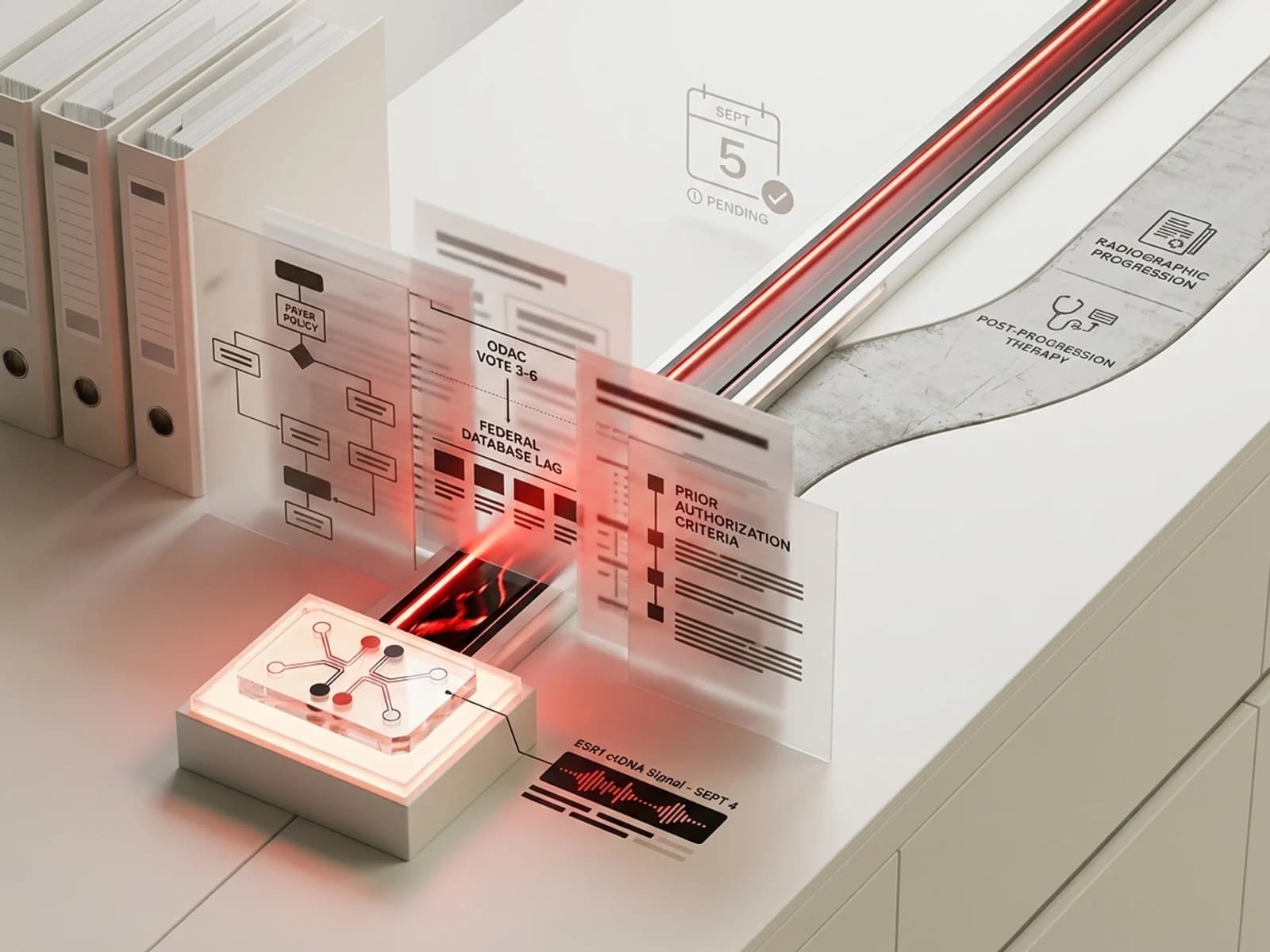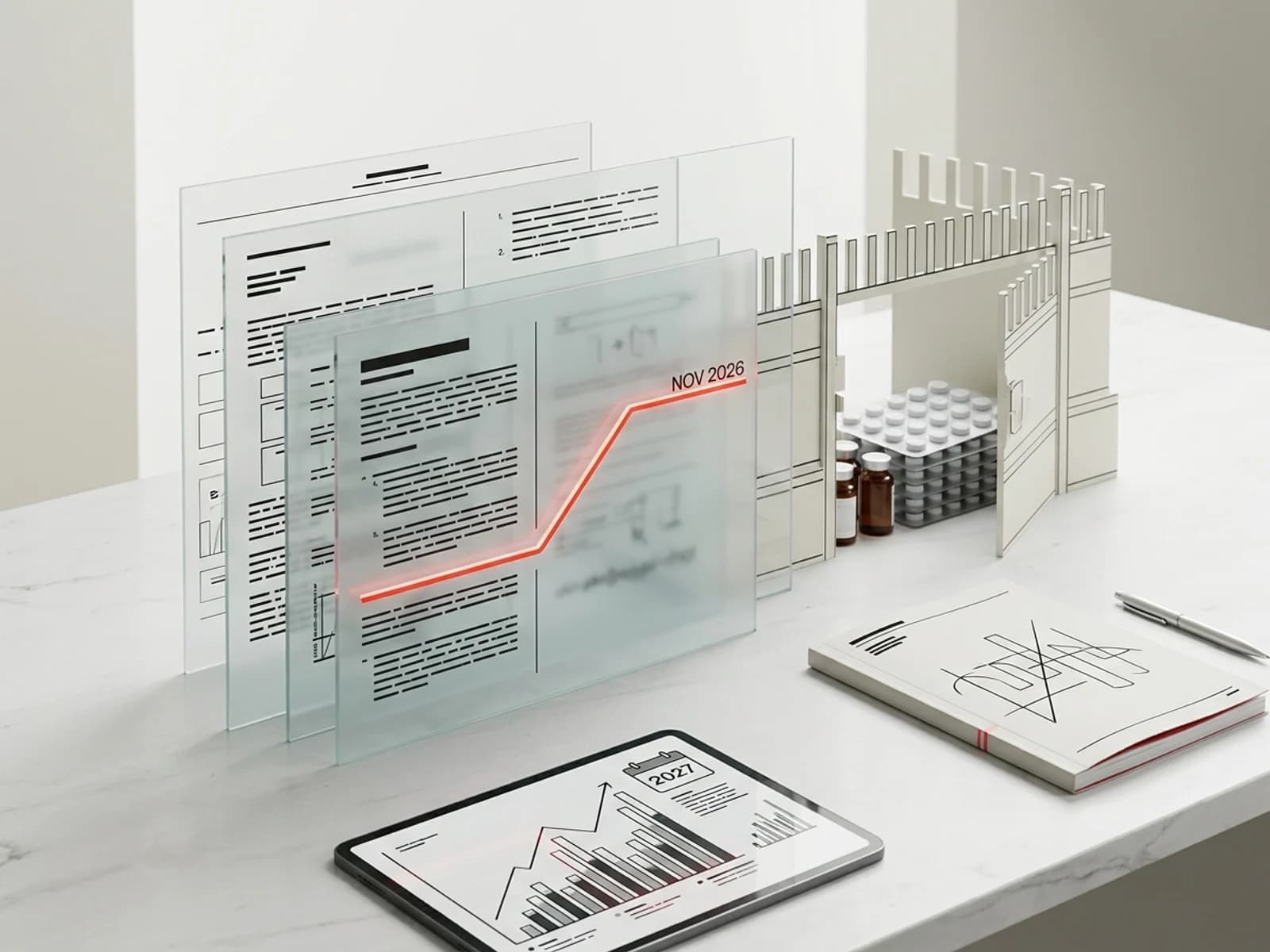
The advanced prostate cancer therapeutic landscape faces a critical inflection point in 2026. For Pharmacy and Therapeutics (P&T) committees, oncology pharmacists, specialty pharmacy directors, and market-access teams projecting 2026 and 2027 oncology expenditures, androgen receptor pathway inhibitors (ARPIs) represent the single largest commercial drug class in urologic oncology. The central question dominating formulary strategy is whether the long-anticipated generic erosion of the flagship androgen receptor inhibitor enzalutamide (Xtandi) is imminent, what regulatory and patent barriers govern actual market entry, and how the surrounding multi-layer treatment continuum is priced today.
The short answer is that generic enzalutamide is FDA-approved but remains commercially unlaunched. On April 20, 2026, the FDA granted final Abbreviated New Drug Application (ANDA) approval to Sandoz for AB-rated enzalutamide 40 mg and 80 mg oral tablets under ANDA 216068. On June 26, 2026, Lupin received tentative FDA approval for enzalutamide tablets across four strengths (40 mg, 80 mg, 120 mg, and 160 mg). However, a final ANDA approval from the FDA is a regulatory finding of bioequivalence and manufacturing compliance, not a commercial green light.
A rigorous analysis of the FDA Orange Book reveals that of the seven distinct patents listed across the Xtandi New Drug Applications (NDAs), four extend protection to September 11, 2033 or beyond — one tablet-formulation patent plus three method-of-use patents — while the drug substance patent expires August 13, 2027. Crucially, the distant patent expiring February 23, 2037 (U.S. Patent 12,161,628) is a method-of-use patent claiming a rifampin co-administration dosage adjustment—a claim that generic manufacturers can carve out under Section viii of the Hatch-Waxman Act. Meanwhile, Xtandi's sole active regulatory exclusivity (code I-926) expires on November 17, 2026, covering only the non-metastatic castration-sensitive prostate cancer (nmCSPC) indication with high-risk biochemical recurrence (BCR).
                 [ Advanced Prostate Cancer Therapeutic Stack (2026) ]
                                          |
       -----------------------------------------------------------------------
      |                          |                         |                  |
[ 1. GnRH / ADT Tier ]     [ 2. Early Oral Line ]   [ 3. ARPI Franchise ]    [ 4. Targeted & Radioligand ]
Leuprolide ($197-$261/kit) Abiraterone ($0.80/tab)  Xtandi (Sandoz ANDA AB)  Pluvicto (PSMA-targeted)
Degarelix / Firmagon       Bicalutamide ($0.40/tab) Erleada (Patents to 2041) Lynparza / Talzenna (PARP)
Orgovyx (Oral, to 2037)    Nilutamide / Flutamide   Nubeqa (Patents to 2042) Akeega / Rubraca
This dossier provides a comprehensive regulatory and commercial analysis of the prostate cancer access landscape. Drawing on empirical data from the FDA Orange Book, Drugs@FDA, the Centers for Medicare & Medicaid Services (CMS) National Average Drug Acquisition Cost (NADAC) directory, pivotal clinical trial readouts, and peer-reviewed oncologic evidence, we dismantle common misconceptions surrounding the Xtandi patent wall, detail the pricing of mature generic backbones, examine the brand protections shielding next-generation ARPIs and PARP inhibitors, and outline actionable formulary scenarios for 2027 budgeting.
Is generic enzalutamide available in the United States right now?
Generic enzalutamide is not commercially available in U.S. pharmacies today, despite holding final FDA approval.
To understand why an approved generic is not on pharmacy shelves, access planners must separate FDA regulatory approval status from intellectual property and settlement litigation mechanics. In the July 2026 FDA Orange Book database, enzalutamide listings span two innovator NDAs owned by Astellas Pharma and Medivation (Pfizer) and four final ANDAs:
| Application | Applicant | Dosage Form & Strengths | Approval Date | Marketing Status | Therapeutic Equivalence (TE) |
|---|---|---|---|---|---|
| NDA 203415 | Astellas Pharma US | Capsule, Oral (40 mg) | Aug 31, 2012 | Prescription (RX) | Reference Listed Drug (RLD) |
| NDA 213674 | Astellas Pharma US | Tablet, Oral (40 mg, 80 mg) | Aug 04, 2020 | Prescription (RX) | AB |
| ANDA 216068 | Sandoz Inc | Tablet, Oral (40 mg, 80 mg) | Apr 20, 2026 | Prescription (RX) | AB |
| ANDA 209614 | Actavis Labs UT | Capsule, Oral (40 mg) | May 14, 2021 | Discontinued (DISCN) | None (Blank) |
| ANDA 209645 | Apotex Inc | Capsule, Oral (40 mg) | Apr 22, 2022 | Discontinued (DISCN) | None (Blank) |
| ANDA 209667 | Zydus Lifesciences | Capsule, Oral (40 mg) | Sep 26, 2024 | Discontinued (DISCN) | None (Blank) |
Sandoz Inc. holds the sole active, final-approved ANDA with prescription marketing status (ANDA 216068, approved April 20, 2026). Its therapeutic equivalence rating of AB indicates that the FDA considers Sandoz's 40 mg and 80 mg tablets bioequivalent and therapeutically substitutable for Astellas's branded Xtandi tablets (NDA 213674).
On June 26, 2026, Lupin Limited announced that it received tentative FDA approval for its enzalutamide tablets in 40 mg, 80 mg, 120 mg, and 160 mg presentations. Notably, Lupin's 120 mg and 160 mg strengths have no direct branded equivalent in the United States, offering single-tablet daily dosing alternatives to the standard four-capsule (160 mg daily) or two-80 mg-tablet regimens. However, Lupin's tentative approval means that while the application meets all technical safety, efficacy, and quality standards, final approval is blocked by unexpired patents or exclusivity, preventing Lupin from marketing the drug.
Which Xtandi patents actually block a generic, and which ones can a generic carve out?
A common error among market-access models is consulting a raw patent tracker, seeing a patent expiration date of February 23, 2037, and concluding that generic enzalutamide cannot launch until 2037. This assumption fundamentally misreads Hatch-Waxman patent mechanics and the vital distinction between non-carve-outable composition/formulation patents and carve-outable method-of-use patents.
Across the original capsule NDA (NDA 203415) and the film-coated tablet NDA (NDA 213674), Astellas lists 14 and 33 patent rows, respectively. Because the Orange Book lists patents separately for every approved strength, these 47 rows deduplicate to exactly seven distinct U.S. patents:
| Patent Number | Expiration Date | Claim Type / Subject Matter | Listed NDAs | Carve-Out Feasibility under Section viii |
|---|---|---|---|---|
| U.S. 9,126,941 | May 15, 2026 | Method of Use (use codes U-2345/U-2708) | NDA 203415, 213674 | Expired (No barrier) |
| U.S. 8,183,274 | Aug 24, 2026 | Method of Use (use codes U-1281/U-2345) | NDA 203415, 213674 | Expired / Near-term |
| U.S. 7,709,517 | Aug 13, 2027 | Drug Substance (API) & Drug Product (Composition) | NDA 203415, 213674 | Non-Carve-Outable (Absolute barrier) |
| U.S. 11,839,689 | Sep 11, 2033 | Drug Product (tablet formulation; drug-product flag) | NDA 213674 only | Non-Carve-Outable for tablets |
| U.S. 12,447,128 | Sep 11, 2033 | Method of Use (use codes U-4312/U-4313/U-4314) | NDA 213674 only | Use-listed; carve-out depends on claim scope |
| U.S. 12,502,357 | Sep 11, 2033 | Method of Use (use codes U-4363/U-4364/U-4365) | NDA 213674 only | Use-listed; carve-out depends on claim scope |
| U.S. 12,161,628 | Feb 23, 2037 | Method of Use (use codes U-4101 to U-4104) | NDA 203415, 213674 | Carve-Outable (Omit labeling section) |
                              [ Xtandi Patent Timeline & Blocking Profile ]
                                                    |
 2026                2027                                  2033                               2037
---|-------------------|-------------------------------------|----------------------------------|--->
   |                   |                                     |                                  |
   +-- Aug 2026        +-- Aug 13, 2027                      +-- Sep 11, 2033                   +-- Feb 23, 2037
       U.S. 8,183,274      U.S. 7,709,517                        U.S. 11,839,689 (formulation)      U.S. 12,161,628
       (Use patent)        (Substance & Product)                 + 12,447,128 / 12,502,357 (use)    (Rifampin use patent)
       [EXPIRES]           [CORE MOLECULE BARRIER]               [TABLET WALL]                      [CARVE-OUTABLE]
The 2037 Patent (U.S. 12,161,628): Why It Does Not Gate Entry
U.S. Patent 12,161,628, which expires February 23, 2037, is listed in the Orange Book with method-of-use codes U-4101 through U-4104, claiming a specific dosage titration method: co-administering enzalutamide with a strong CYP3A4 inducer (such as rifampin), whereby the daily dose is escalated to compensate for increased hepatic clearance. Under 21 U.S.C. § 355(j)(2)(A)(viii) (Section viii), an ANDA applicant seeking approval for a drug with a method-of-use patent is not required to certify against the patent if it submits a statement carving out the patented indication or dosage condition from its proposed generic label. A generic enzalutamide label omitting the rifampin dose-escalation instructions avoids infringement of the '628 patent entirely. It does not block commercial launch.
The Real Barriers: The 2027 Substance Patent and the 2033 Tablet Wall
The structural barriers that gate generic enzalutamide entry are twofold:
The Compound Patent (U.S. 7,709,517): Expiring August 13, 2027, this patent claims the enzalutamide chemical entity itself. Because an ANDA must contain the identical active pharmaceutical ingredient (API), no Section viii carve-out is legally possible.
The 2033 Tablet Wall: One patent, U.S. 11,839,689, is flagged in the Orange Book as a drug-product patent on the tablet formulation that Astellas introduced in 2020 alongside the tablet NDA. Two more patents, U.S. 12,447,128 and U.S. 12,502,357, are listed with method-of-use codes and expire the same day. For an ANDA applicant copying the tablet, the drug-product patent alone blocks entry until September 11, 2033 absent a design-around or licence, and the two use-listed patents compound the carving-out problem because each would require its own label omission.
Because Sandoz received final approval for its tablet ANDA on April 20, 2026 while these patents remain listed, Sandoz either prevailed in Paragraph IV patent litigation regarding them, designed a non-infringing formulation, or negotiated a confidential patent litigation settlement with Astellas and Pfizer. Under typical Hatch-Waxman confidential settlements, authorized generic or licensed ANDA entry is granted on a negotiated date prior to patent expiration.
Why do three earlier enzalutamide ANDAs show as discontinued instead of marketed?
A persistent point of confusion in secondary drug references is why three earlier generic enzalutamide ANDAs—Actavis (ANDA 209614, approved May 14, 2021), Apotex (ANDA 209645, approved April 22, 2022), and Zydus (ANDA 209667, approved September 26, 2024)—appear in the Orange Book with "DISCN" (Discontinued) status and blank therapeutic equivalence ratings.
Some financial commentaries have mistakenly labeled these three ANDAs as "tentative approvals." They were not. A search in the Orange Book product file for known tentative approvals (for example, ruxolitinib ANDAs 208869 and 220375) returns zero product rows, confirming that the FDA Orange Book product master file excludes tentative approvals entirely.
The Actavis, Apotex, and Zydus filings received final FDA approvals for 40 mg oral capsules referencing NDA 203415. However, none of these generic sponsors ever launched their capsules commercially. When an applicant obtains final approval but elects not to market the product—often due to confidential patent settlement terms restricting early launch, or because the commercial market had already shifted entirely from soft-gel capsules to tablets—the FDA moves the product to the Discontinued List.
This historical pattern provides a crucial cautionary lesson for P&T committees: obtaining final ANDA approval does not guarantee immediate commercial supply. Generic sponsors frequently hold final approvals in reserve under confidential settlement agreements that stipulate a specific future launch window.
What does the November 2026 I-926 exclusivity actually cover?
Both Xtandi NDAs (NDA 203415 and NDA 213674) carry an active unexpired regulatory exclusivity listed in the FDA Orange Book: code I-926, expiring November 17, 2026.
Exclusivity code I-926 is an indication-specific Hatch-Waxman 3-year new clinical study exclusivity awarded following the FDA's November 16, 2023 approval of enzalutamide for patients with non-metastatic castration-sensitive prostate cancer (nmCSPC) with high-risk biochemical recurrence (BCR). The approval was supported by the randomized, multi-center Phase 3 EMBARK trial (NCT02319837; 1,068 patients).
The EMBARK study evaluated enzalutamide plus leuprolide, enzalutamide monotherapy, and placebo plus leuprolide in 1,068 men with high-risk BCR (defined as PSA doubling time of 9 months or less and screening PSA of at least 2 ng/mL after radical prostatectomy, or at least 2 ng/mL above nadir after radiation therapy). The primary analysis demonstrated statistically significant metastasis-free survival (MFS) benefits for both enzalutamide arms (Freedland and colleagues, New England Journal of Medicine 2023), and the final overall survival (OS) readout was published by Neal D. Shore and colleagues in the New England Journal of Medicine (2026 Feb 5; 394(6):563–575).
| Regimen Arm in EMBARK Trial | Metastasis-Free Survival (MFS) HR (primary analysis) | Overall Survival (OS) Finding (final analysis) | Clinical Consensus & Formulary Status |
|---|---|---|---|
| Enzalutamide + Leuprolide vs Leuprolide | HR 0.42 (95% CI, 0.30–0.61; P < 0.001) | 8-year OS 78.9% vs 69.5%; HR 0.60 (95% CI, 0.44–0.80; P < 0.001) | Preferred combo in high-risk rapid-doubling BCR |
| Enzalutamide Monotherapy vs Leuprolide | HR 0.63 (95% CI, 0.46–0.87; P = 0.005) | 8-year OS 73.1%; HR 0.83 (95% CI, 0.63–1.10; P = 0.19) — not superior | Contested; higher toxicity, lacks proven OS advantage |
| Leuprolide Alone (Control) | Baseline Comparator | Standard Comparator | Historical standard comparator |
The clinical rationale for widespread enzalutamide adoption in biochemical recurrence remains actively debated in oncology. In a peer-reviewed critique published in Translational Andrology and Urology (2026 Jul 31; 15(7):225), Sena and Antonarakis presented "An argument not to EMBARK on systemic therapy for biochemical recurrence of prostate cancer," highlighting that early systemic ARPI intensification in non-metastatic patients exposes men to chronic fatigue, cognitive impairment, fall risk, and metabolic toxicity without demonstrating an overall survival benefit for monotherapy.
From a regulatory standpoint, exclusivity I-926 protects only the nmCSPC high-risk BCR labeling text. When a generic sponsor submits an ANDA, it can carve out the nmCSPC BCR indication under Section viii if it seeks approval solely for metastatic castration-sensitive prostate cancer (mCSPC), non-metastatic castration-resistant prostate cancer (nmCRPC), and metastatic castration-resistant prostate cancer (mCRPC). After November 17, 2026, generic sponsors will be free to include the high-risk BCR indication in their full labeling.
What does each layer of prostate cancer therapy cost at pharmacy acquisition price today?
While the market awaits generic enzalutamide, the underlying foundation of prostate cancer pharmacotherapy is already heavily genericized and available at low pharmacy acquisition costs.
Using the CMS National Average Drug Acquisition Cost (NADAC) dataset (effective July 22, 2026), we examine the actual invoice acquisition costs incurred by retail and community pharmacies across oral and injectable backbones:
| Drug & Dosage Form | Unit Strength | CMS NADAC Unit Price | Number of Surveyed NDCs | Approximate 30-Day Regimen Cost |
|---|---|---|---|---|
| Abiraterone Acetate (Oral Tab) | 250 mg | $0.80367 / tab | 23 NDCs | $96.44 (4 tabs daily) |
| Abiraterone Acetate (Oral Tab) | 500 mg | $2.91161 / tab | 12 NDCs | $174.70 (2 tabs daily) |
| Bicalutamide (Oral Tab) | 50 mg | $0.40279 – $0.42365 / tab | 6 NDCs | $12.08 – $12.71 (1 tab daily) |
| Prednisone (Oral Tab) | 5 mg | $0.03583 – $0.03767 / tab | 26 NDCs | $2.15 – $2.26 (2 tabs daily with abiraterone) |
| Leuprolide Acetate (SubQ Kit) | 14 mg / 2.8 mL (2-week kit) | $197.606 – $261.318 / kit | 10 NDCs | $395.21 – $522.64 (monthly equivalent) |
| Enzalutamide (Xtandi) | 40 mg / 80 mg | No NADAC rows (specialty-distributed) | 0 NDCs | Not measurable from NADAC |
| Apalutamide (Erleada) | 60 mg | No NADAC rows (specialty-distributed) | 0 NDCs | Not measurable from NADAC |
| Darolutamide (Nubeqa) | 300 mg | No NADAC rows (specialty-distributed) | 0 NDCs | Not measurable from NADAC |
| Relugolix (Orgovyx) | 120 mg | No NADAC rows (specialty-distributed) | 0 NDCs | Not measurable from NADAC |
The contrast between mature oral anti-androgens and the branded ARPI class is stark. Generic abiraterone acetate—the subject of our previous generic Zytiga analysis—now trades at roughly $0.80 per 250 mg tablet ($96 per month), a small fraction of originator launch pricing. First-generation anti-androgens like bicalutamide cost under $13 per month.
However, as explored in our multiple myeloma treatment access landscape, low acquisition cost at the pharmacy level does not automatically eliminate payer utilization management. Many commercial and Medicare Advantage plans continue to impose strict prior authorizations, specialty pharmacy fulfillment routing, and step therapy requirements even on low-cost oral oncology generics.
Why can NADAC not tell you whether an oral oncology generic has launched?
A critical methodological trap for healthcare data analysts is relying on the CMS NADAC database to determine whether a newly approved oral oncology generic has entered the market.
In the July 22, 2026 NADAC release, queries for enzalutamide, apalutamide, darolutamide, relugolix, and olaparib all return exactly zero NDCs. Conversely, mature community-dispensed oral generics in prostate cancer (abiraterone with 35 NDCs, bicalutamide with 6 NDCs) are robustly represented.
                      [ CMS NADAC Data Capture Disconnect ]
                                        |
       -------------------------------------------------------------------
      |                                                                   |
[ Retail / Community Channel ]                             [ Specialty Pharmacy Channel ]
Included in NADAC Survey                                   Excluded / Censored in NADAC
- Abiraterone (35 NDCs, $0.80/tab)                         - Enzalutamide (Xtandi / Generic: 0 NDCs)
- Bicalutamide (6 NDCs, $0.40/tab)                         - Apalutamide (Erleada / Generic: 0 NDCs)
- Prednisone (26 NDCs, $0.03/tab)                          - Darolutamide (Nubeqa: 0 NDCs)
                                                           - Relugolix (Orgovyx: 0 NDCs)
The explanation lies in distribution channel architecture. NADAC measures retail community pharmacy invoice costs based on voluntary weekly surveys of independent and chain retail pharmacies. Advanced oral oncolytics are distributed almost exclusively through restricted specialty pharmacy networks, integrated health-system specialty pharmacies, and hospital clinics.
The definitive proof of this channel limitation is apalutamide (Erleada):
On March 17, 2025, Zydus Lifesciences received final FDA approval for its generic apalutamide 60 mg tablets (ANDA 217113, AB-rated, prescription marketing status).
Sixteen months later, apalutamide still generates zero rows in NADAC.
Therefore, the absence of enzalutamide from NADAC cannot be cited as evidence that generic enzalutamide is unmarketed. Analysts must track FDA Orange Book Prescription versus Discontinued status, DailyMed NDC package listings, and specialty pharmacy distributor catalogs rather than CMS retail surveys.
How long do Erleada, Nubeqa, and Orgovyx stay brand-only?
While enzalutamide approaches its generic window, the other key agents in the androgen deprivation therapy (ADT) and ARPI space remain fortified behind extensive Orange Book patent and exclusivity thickets.
A deduplicated analysis of the July 2026 Orange Book listings demonstrates that competitors will not face multi-source generic erosion for several years:
| Product & Brand Name | Application Number | Total Patent Rows | Distinct Patents | Latest Live Patent Expiration | Active Exclusivities & Expiration |
|---|---|---|---|---|---|
| Apalutamide (Erleada) | NDA 210951 | 36 rows | 14 distinct | Jan 14, 2041 (U.S. 11,723,898) | None live (Zydus ANDA 217113 approved Mar 17, 2025) |
| Darolutamide (Nubeqa) | NDA 212099 | 17 rows | 10 distinct | Jun 17, 2042 (U.S. 12,329,742) | I-971 expires Jun 03, 2028 (ARANOTE trial indication) |
| Relugolix (Orgovyx) | NDA 214621 | 12 rows | 12 distinct | Sep 29, 2037 (U.S. 12,144,809) | None live (NCE expired Dec 18, 2025) |
| Abiraterone (Zytiga) | NDA 202379 | 0 rows | 0 distinct | Expired (Fully generic) | None (15 ANDAs, 12 active prescription) |
| Olaparib (Lynparza) | NDA 208558 | 114 rows | 11 distinct | Oct 25, 2041 (U.S. 11,970,530) | ODE-283 (Dec 27, 2026), ODE-306 (May 08, 2027) |
| Talazoparib (Talzenna) | NDA 217439 | 36 rows | 6 distinct | Oct 20, 2031 (U.S. 10,189,837) | None (Exclusivity I-920 lapsed Jun 20, 2026) |
| Niraparib / Abiraterone (Akeega) | NDA 216793 | 44 rows | 13 distinct | Mar 27, 2038 (U.S. 11,673,877) | I-980 expires Dec 12, 2028 (BRCA-mutated mCRPC) |
| Rucaparib (Rubraca) | NDA 209115 | 57 rows | 9 distinct | Aug 17, 2035 (U.S. 10,130,636) | I-982 listed to Dec 17, 2028 (TRITON3 mCRPC) |
                 [ Prostate Cancer Oral Franchise Patent Expiration Horizon ]
                                              |
 2026   2027   2028        2031            2035          2037           2041      2042
---|------|------|-----------|---------------|-------------|--------------|---------|--->
   |      |      |           |               |             |              |         |
   |      |      +-- Jun 2028|               |             +-- Sep 2037   |         +-- Jun 2042
   |      |          Nubeqa  |               |                 Orgovyx    |             Nubeqa
   |      |          I-971   +-- Oct 2031    +-- Aug 2035      Latest     +-- Jan 2041  Latest
   |      +-- Aug 2027           Talzenna        Rubraca       Patent         Erleada   Patent
   |          Xtandi             Latest          Latest        (Relugolix)    Latest    (Darolutamide)
   +-- Nov 2026 Substance        Patent          Patent                       Patent
       Xtandi   Patent                                                        (Apalutamide)
       I-926    (Enzalutamide)
Key Takeaways Across the Portfolio:
Nubeqa (Darolutamide): Bayer's Nubeqa is protected by 10 distinct live patents reaching to June 17, 2042. In addition, its I-971 exclusivity protects the ARANOTE metastatic hormone-sensitive prostate cancer (mHSPC) indication through June 3, 2028.
Orgovyx (Relugolix): The first oral GnRH receptor antagonist, which eliminated the need for monthly or quarterly leuprolide/degarelix injections, saw its 5-year New Chemical Entity (NCE) exclusivity lapse in December 2025. However, 11 live formulation and method patents extend to September 29, 2037.
PARP Inhibitors in Prostate Cancer: The targeted PARP inhibitor class remains entirely brand-exclusive with zero approved ANDAs. AstraZeneca's Lynparza (olaparib) is protected by 11 distinct patents extending to October 2041, bolstered by orphan drug exclusivities ODE-283 and ODE-306 for homologous recombination repair (HRR) gene-mutated mCRPC through 2027.
For downstream radioligand sequencing involving lutetium Lu 177 vipivotide tetraxetan (Pluvicto), see our detailed radioligand therapy access landscape.
What should a P&T committee do differently before the exclusivity lapses in November 2026?
With commercial enzalutamide generic entry governed by patent settlement terms and regulatory milestones, healthcare organizations and P&T committees should execute a four-step preparation strategy for their 2027 formulary cycles:
                  [ P&T Strategic Action Framework for 2026-2027 ]
                                          |
  ---------------------------------------------------------------------------------
 |                        |                               |                        |
[ 1. Split Scenarios ]   [ 2. Auto-Substitution ]       [ 3. Protect First-Line ] [ 4. Differentiate ARPIs ]
Model 2027 budget with   Draft auto-sub policies        Retain generic abiraterone Maintain unhindered Nubeqa
and without generic      triggered on physical          ($0.80/tab) as first-line  access for high-CVD & drug
enzalutamide launch.     specialty distributor stock.   step before ARPI tier.     interaction risk patients.
1. Build Dual-Track 2027 Formulary Scenarios
Do not budget for generic enzalutamide savings on a fixed date. Instead, create two distinct financial models:
Status Quo Model: Assuming branded Xtandi, Erleada, and Nubeqa remain on preferred specialty tiers with current manufacturer rebate schedules through year-end 2027.
Generic Entry Model: Modeling an authorized generic or Sandoz launch at a 40% to 65% discount to Wholesale Acquisition Cost (WAC), triggering immediate tier placement adjustments.
As detailed in our dapagliflozin generic entry playbook and 2026 to 2027 generic launch scorecard, multi-source generic price collapse typically requires at least two to three competing commercial generic suppliers.
2. Prepare Pre-Authorized Generic Substitution Protocols
Establish P&T rules that automatically permit specialty pharmacies to dispense AB-rated generic enzalutamide tablets the moment commercial product arrives at distributors, eliminating the need for individual prescriber re-authorizations.
3. Maintain Abiraterone Prior-Line Stepping
Ensure that clinical pathways preserve generic abiraterone plus prednisone as a low-cost ($97/month) preferred option for eligible mCSPC and mCRPC patients who lack contraindications (such as hepatic dysfunction or severe cardiovascular disease), maximizing value before advancing to ARPI-tier therapies.
4. Differentiate ARPI Clinical Niches
Recognize that darolutamide (Nubeqa) maintains distinct clinical advantages—including low blood-brain barrier penetration resulting in lower fatigue and central nervous system toxicity, and minimal CYP enzyme induction compared to enzalutamide. Formulary tiering should preserve access to darolutamide for elderly patients at high risk of falls, seizures, or complex drug-drug interactions.
Frequently Asked Questions
When will generic Xtandi be available in the United States?
While Sandoz received final FDA approval for generic enzalutamide tablets on April 20, 2026, commercial launch depends on patent litigation settlement terms between Sandoz, Astellas, and Pfizer. The drug-substance patent runs to August 13, 2027, and the tablet wall — a drug-product formulation patent plus two same-day use-listed patents — runs to September 11, 2033. A commercial launch could occur either under a negotiated confidential settlement license before those dates or following patent expiration.
Why is generic enzalutamide FDA-approved but not sold in pharmacies?
FDA approval certifies that a generic drug is bioequivalent, safe, and manufactured to cGMP standards. However, FDA approval does not override patent laws. A generic manufacturer that launches its approved product while listed patents remain unexpired risks catastrophic patent infringement damages ("launch at risk"). Consequently, sponsors typically withhold marketing until a negotiated settlement date or patent expiration.
Is there a generic Erleada, Nubeqa, or Orgovyx?
No generic versions of Erleada (apalutamide), Nubeqa (darolutamide), or Orgovyx (relugolix) are commercially marketed. While Zydus holds an approved ANDA for apalutamide, Erleada's 14 distinct patents extend through January 2041. Nubeqa is protected by 10 live patents through June 2042 and regulatory exclusivity through June 2028, while Orgovyx is protected by 11 live patents through September 2037.
How much does generic abiraterone cost at pharmacy acquisition price?
According to CMS NADAC data (July 2026), generic abiraterone acetate 250 mg tablets cost an average of $0.80367 per tablet ($96.44 for a standard 30-day supply of four daily tablets). The 500 mg strength costs $2.91161 per tablet ($174.70 for a 30-day supply of two daily tablets).
Do all of Xtandi's prostate cancer indications lose protection on the same date?
No. Xtandi's original indications in metastatic and non-metastatic castration-resistant prostate cancer (CRPC) and metastatic castration-sensitive prostate cancer (mCSPC) have already cleared their 3-year Hatch-Waxman exclusivity periods. The only unexpired regulatory exclusivity is code I-926, which expires November 17, 2026, and applies strictly to the non-metastatic castration-sensitive prostate cancer (nmCSPC) indication with high-risk biochemical recurrence.
Does an Orange Book patent expiring in 2037 mean no generic until 2037?
No. U.S. Patent 12,161,628 (expiring February 23, 2037) is a method-of-use patent claiming a dosage adjustment when enzalutamide is co-administered with strong CYP3A4 inducers like rifampin. Under Section viii of the Hatch-Waxman Act, generic manufacturers can legally carve out this specific dosing statement from their generic prescribing information, allowing them to market the drug for all other approved uses without infringing the 2037 patent.
Sources
U.S. Food and Drug Administration (FDA). FDA approves enzalutamide for non-metastatic castration-sensitive prostate cancer with biochemical recurrence. FDA Drug Approvals.
U.S. Food and Drug Administration (FDA). Approved Drug Products with Therapeutic Equivalence Evaluations (Orange Book). FDA Orange Book Database.
U.S. Food and Drug Administration (FDA). Drugs@FDA: FDA-Approved Drugs (NDAs 203415, 213674; ANDA 216068). Drugs@FDA.
Centers for Medicare & Medicaid Services (CMS). National Average Drug Acquisition Cost (NADAC) Methodology and Pricing Files. Medicaid.gov Pharmacy Pricing.
Freedland SJ, de Almeida Luz M, De Giorgi U, et al. Improved Outcomes with Enzalutamide in Biochemically Recurrent Prostate Cancer (EMBARK Primary Analysis). New England Journal of Medicine. 2023 Oct 19; 389(16):1453–1465. PubMed / DOI: 10.1056/NEJMoa2303974.
Shore ND, Luz MA, De Giorgi U, et al. Improved Survival with Enzalutamide in Biochemically Recurrent Prostate Cancer (EMBARK Final Overall Survival Analysis). New England Journal of Medicine. 2026 Feb 5; 394(6):563–575. PubMed / DOI: 10.1056/NEJMoa2510310.
Sena LA, Antonarakis ES. An argument not to EMBARK on systemic therapy for biochemical recurrence of prostate cancer. Translational Andrology and Urology. 2026 Jul 31; 15(7):225. PubMed / DOI: 10.21037/tau-2026-0438.
Lupin Limited. Lupin Receives Tentative Approval from U.S. FDA for Enzalutamide Tablets. Lupin Press Releases.
Drugs.com. Generic Xtandi Availability and Patent Status. Drugs.com Availability Tracker.