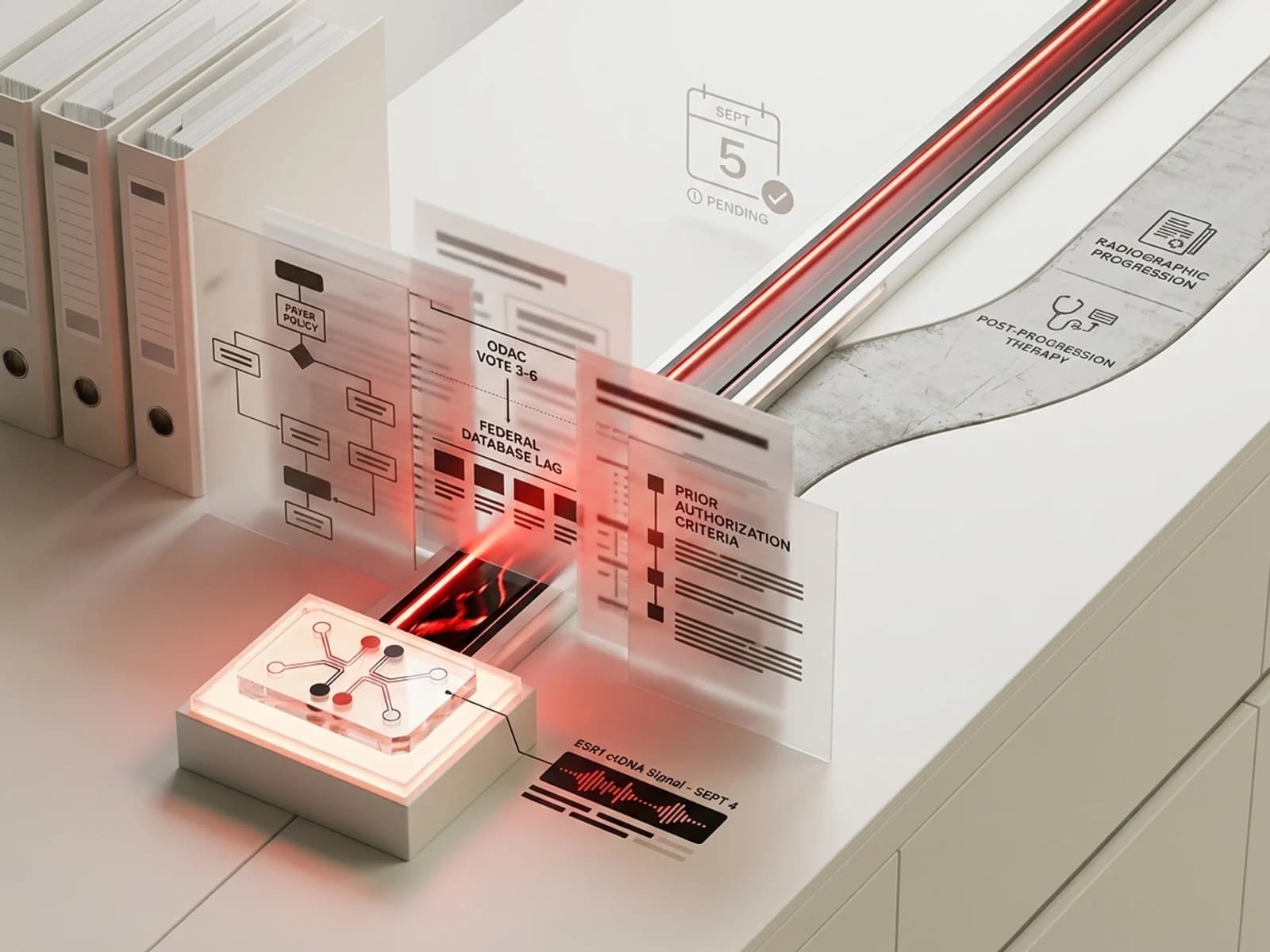
Multiple myeloma therapy entered a major structural transition in 2026. The backbone oral immunomodulatory drug (IMiD) market has fully genericized, while the biologic anti-CD38 franchise anchors commercial oncology spending, T-cell redirection therapies advance into earlier lines, and a next-generation cereblon E3 ligase modulator (CELMoD) class reaches the clinic. On August 13, 2026, the FDA granted accelerated approval to iberdomide (Zenbexus) in combination with subcutaneous daratumumab and dexamethasone for adults with relapsed or refractory multiple myeloma after at least one prior line of therapy including a proteasome inhibitor and an IMiD. This milestone introduces the first oral CELMoD into a multi-layer therapeutic pathway characterized by generic oral agents, biologic monopolies, cell therapies, and off-the-shelf bispecific antibodies.
For Pharmacy and Therapeutics (P&T) committees, specialty pharmacy directors, medical oncologists, and market-access teams, organizing the 2026 myeloma formulary requires navigating distinct therapeutic layers across pharmacy and medical benefits. The legacy oral foundation—lenalidomide (Revlimid) and pomalidomide (Pomalyst)—is now contested by dozens of generic Abbreviated New Drug Applications (ANDAs), causing originator revenues to contract rapidly. Conversely, the market's commercial center of gravity—daratumumab (Darzalex / Darzalex Faspro)—generated $14.35 billion globally in FY2025 with zero approved biosimilar competitors, insulated by patent barriers extending through at least May 2029 for the intravenous formulation and longer for the co-formulated subcutaneous product.
                      [ Multiple Myeloma Therapeutic Architecture (2026) ]
                                                |
       -----------------------------------------------------------------------------------
      |                          |                         |                             |
[ 1. Oral Backbone ]      [ 2. Anti-CD38 ]         [ 3. T-Cell Redirection ]     [ 4. CELMoD Class ]
Lenalidomide (20 ANDAs)   Darzalex IV (May 2029)   CAR-T: Carvykti, Abecma       Zenbexus (Aug 2026)
Pomalyst (6 ANDAs)        Darzalex Faspro (SC)     Bispecifics: Tecvayli,        Mezigdomide (PDUFA
Bortezomib (28 Generics)  Sarclisa / Escena        Talvey, Elrexfio, Lynozyfic   May 13, 2027)
This dossier evaluates the multiple myeloma treatment access landscape in 2026. Supported by empirical regulatory datasets from the FDA Orange Book, FDA Purple Book, and Centers for Medicare & Medicaid Services (CMS) National Average Drug Acquisition Cost (NADAC) records, we analyze drug sequencing, generic penetration, biosimilar timelines, clinical evidence, and specialty access requirements.
What is approved for multiple myeloma in 2026, by modality and line of therapy?
Multiple myeloma pharmacotherapy spans six distinct pharmacological classes deployed across newly diagnosed, early relapsed (1 to 3 prior lines), and late relapsed/refractory (4 or more prior lines) settings. Clinical practice and guideline recommendations have moved decisively toward multi-agent triplet and quadruplet regimens incorporating an anti-CD38 monoclonal antibody, a proteasome inhibitor (PI), an IMiD or CELMoD, and dexamethasone.
| Therapeutic Modality | Generic / Brand Names | FDA Approval Status & Key BLAs/NDAs | Approved Line of Therapy (U.S.) | Primary Administration Route & Benefit |
|---|---|---|---|---|
| Oral IMiD Backbone | Lenalidomide (Revlimid), Pomalidomide (Pomalyst), Thalidomide (Thalomid) | NDA 021880 (2005), NDA 204026 (2013), NDA 020785 (1998) | Frontline maintenance, induction, 1L–3L+ triplets | Oral; Pharmacy Benefit (Restricted REMS) |
| Proteasome Inhibitors | Bortezomib (Velcade), Carfilzomib (Kyprolis), Ixazomib (Ninlaro) | NDA 021602 (2003), NDA 202714 (2012), NDA 208462 (2015) | Frontline induction, 1L–3L+ relapsed combos | Subcutaneous / IV (Velcade, Kyprolis); Oral (Ninlaro) |
| Anti-CD38 Antibodies | Daratumumab (Darzalex), Daratumumab / Hyaluronidase (Darzalex Faspro), Isatuximab (Sarclisa, Sarclisa Escena) | BLA 761036 (2015), BLA 761145 (2020), BLA 761113 (2020) | Frontline induction (quadruplets), maintenance, 1L–3L+ relapsed | Intravenous & Subcutaneous; Medical Benefit (Buy-and-Bill) |
| CELMoDs (Next-Gen IMiDs) | Iberdomide (Zenbexus), Mezigdomide (Investigational) | Accelerated approval Aug 13, 2026; NDA under review (PDUFA May 13, 2027) | 2L+ relapsed/refractory (after PI + IMiD) | Oral; Pharmacy Benefit (ZENBEXUS REMS) |
| BCMA CAR-T Cell Therapy | Ciltacabtagene autoleucel (Carvykti), Idecabtagene vicleucel (Abecma) | BLA 125746 (Feb 2022; 2L expanded Apr 2024), BLA 125736 (Mar 2021; 3L expanded Apr 2024) | Carvykti: 2L+ (PI + IMiD refractory); Abecma: 3L+ (2 or more prior lines) | One-time autologous IV infusion; Certified Treatment Centers (Inpatient/Outpatient) |
| T-Cell Engager Bispecifics | Teclistamab (Tecvayli), Talquetamab (Talvey), Elranatamab (Elrexfio), Linvoseltamab (Lynozyfic) | BLA 761291 (Oct 2022; combo Mar 2026), BLA 761342 (Aug 2023), BLA 761345 (Aug 2023), BLA 761400 (Jul 2025) | 4L+ (triple-class exposed) monotherapy; Tecvayli+Faspro in 2L+ (Mar 2026) | Subcutaneous injection; Step-up dosing with hospitalization/monitoring |
First-Line Frontline Architecture (NDMM)
For newly diagnosed multiple myeloma (NDMM), whether transplant-eligible or transplant-ineligible, standard therapy centers on quadruplet induction regimens:
Transplant-Eligible: Daratumumab Faspro + Bortezomib + Lenalidomide + Dexamethasone (D-VRd), followed by autologous stem cell transplantation (ASCT) and lenalidomide maintenance (often with daratumumab in high-risk cytogenetics).
Transplant-Ineligible: Daratumumab Faspro + Lenalidomide + Dexamethasone (D-Rd) based on the MAIA trial, or D-VRd based on CEPHEUS data; FDA granted a dedicated D-VRd approval for transplant-ineligible newly diagnosed patients on January 27, 2026.
Alternative Anti-CD38 Options: Isatuximab + VRd (Isa-VRd) per GMMG-HD7 / IMROZ data.
Relapsed / Refractory Sequencing (RRMM)
The sequencing of relapsed disease has shifted dramatically due to earlier lenalidomide resistance (arising from continuous frontline maintenance):
First Relapse (1 Prior Line, Lenalidomide-Refractory):
Carvykti (cilta-cel): Expanded in April 2024 (CARTITUDE-4) to adults with relapsed/refractory disease after at least one prior line of therapy including a PI and an IMiD who are refractory to lenalidomide.
Zenbexus (iberdomide) + Darzalex Faspro + Dex (IberDd): Approved August 13, 2026, offering an oral CELMoD triplet for patients with at least 1 prior line (PI- and IMiD-exposed).
Tecvayli + Darzalex Faspro: Approved March 5, 2026 (MajesTEC-3), introducing off-the-shelf bispecific combinations into second-line therapy.
Second-Generation PIs: Carfilzomib + Daratumumab + Dex (Kd / DKd) or Isatuximab + Carfilzomib + Dex (Isa-Kd).
Second to Third Relapse (2–3 Prior Lines):
Abecma (ide-cel): Expanded in April 2024 (KarMMa-3) for patients after 2 or more prior lines including an IMiD, a PI, and an anti-CD38 antibody.
Pomalidomide Triplets: Pomalidomide + Bortezomib + Dex (PVd) or Pomalidomide + Daratumumab/Isatuximab + Dex (DPd / Isa-Pd).
Mezigdomide + Carfilzomib + Dex (MeziKd): Currently under FDA Priority Review with a PDUFA date of May 13, 2027, based on Phase 3 SUCCESSOR-2 trial results.
Triple-Class Refractory / Late-Line (4+ Prior Lines):
BCMA-directed bispecifics: teclistamab (Tecvayli), elranatamab (Elrexfio), or linvoseltamab (Lynozyfic).
Non-BCMA-directed bispecifics: talquetamab (Talvey), targeting GPRC5D, providing a critical salvage mechanism for patients progressing after BCMA CAR-T or BCMA bispecifics.
Nuclear export inhibitors: selinexor (Xpovio) in combination with bortezomib/dexamethasone or pomalidomide/dexamethasone.
What did the Aug 13 2026 Zenbexus (iberdomide) approval add, and under what REMS and evidence caveats?
On August 13, 2026, the FDA granted accelerated approval to Zenbexus (iberdomide), developed by Bristol Myers Squibb, marking the regulatory arrival of the CELMoD class. Zenbexus is approved in combination with subcutaneous daratumumab (Darzalex Faspro) and dexamethasone (IberDd) for adult patients with multiple myeloma who have received at least one prior line of therapy, including a proteasome inhibitor and an immunomodulatory agent. Our iberdomide PDUFA review covered the application while it was under review; this section covers what the approval actually delivered.
                  [ Cereblon E3 Ligase Modulator Mechanism ]
                                       |
    -----------------------------------------------------------------------
   |                                                                       |
[ Thalidomide / Lenalidomide / Pomalidomide ]                [ Iberdomide (Zenbexus) ]
- Moderate affinity for Cereblon (CRBN)                      - High-affinity structural optimization
- Incomplete degradation of Ikaros / Aiolos                   - >20-fold more potent degradation of IKZF1/3
- Susceptible to classical IMiD resistance mutations         - Retains activity in lenalidomide-refractory clones
Mechanism of Action: The CELMoD Advantage
Like legacy IMiDs, iberdomide binds cereblon (CRBN), the substrate recognition component of the cullin-RING E3 ubiquitin ligase complex (CRL4–CRBN). However, structural refinement provides more than a 20-fold increase in binding affinity and degradation potency against the lymphoid transcription factors Ikaros (IKZF1) and Aiolos (IKZF3) compared to lenalidomide and pomalidomide.
Crucially, iberdomide induces rapid, deep degradation of Ikaros and Aiolos even in myeloma cell lines with low baseline CRBN expression or acquired point mutations that confer resistance to lenalidomide and pomalidomide. This biochemical profile enables direct anti-myeloma cytotoxicity and immune stimulation (interleukin-2 upregulation and NK/T-cell activation) in patients who have exhausted traditional IMiD therapy.
Pivotal Evidence: EXCALIBER-RRMM and the MRD Surrogate
The accelerated approval was based on interim minimal residual disease (MRD) negativity and complete response (CR) data from the ongoing global Phase 3 EXCALIBER-RRMM study (NCT04975997). The trial randomized 939 patients with relapsed/refractory myeloma (1 to 2 prior lines of therapy) to iberdomide + daratumumab + dexamethasone (IberDd) versus daratumumab + bortezomib + dexamethasone (DVd); the MRD efficacy population comprised the first 420 randomized patients.
Primary Endpoint for Accelerated Approval: MRD-negative complete response at any time, assessed at a 10⁻⁵ sensitivity threshold. At a median follow-up of 16 months, 41% of IberDd patients (85 of 207) achieved MRD-negative CR versus 21% of DVd patients (44 of 213), a statistically significant difference (p-value below 0.0001). This is the first multiple myeloma approval based on an MRD surrogate endpoint.
Designations & Review Pathway: The application received Breakthrough Therapy designation and was reviewed under FDA's Project Orbis initiative for concurrent multi-country review.
Evidentiary Caveat: EXCALIBER-RRMM has dual primary endpoints — MRD negativity and progression-free survival — and the PFS readout is still maturing. Continued approval is contingent upon verification and description of clinical benefit in the confirmatory endpoints as the trial matures.
P&T and Operational Considerations: The ZENBEXUS REMS
Because of the structural homology to thalidomide, iberdomide carries severe teratogenic risks. As a condition of approval, the FDA mandated the ZENBEXUS REMS program:
Restricted Distribution: Only certified prescribers and pharmacies enrolled in the ZENBEXUS REMS may prescribe and dispense the drug.
Pregnancy Testing & Contraception: Two negative pregnancy tests before initiation, weekly testing during the first 4 weeks, then at least every 4 weeks (every 2 weeks for irregular cycles) for females of reproductive potential.
Dosing Schedule: Administered orally once daily on Days 1 through 21 of each 28-day cycle, alongside weekly dexamethasone and fixed-dose subcutaneous daratumumab and hyaluronidase-fihj (1,800 mg daratumumab / 30,000 units hyaluronidase).
Formulary Impact: For health systems, the onboarding of ZENBEXUS REMS mirrors existing workflows for Revlimid and Pomalyst REMS, minimizing new administrative infrastructure while establishing strict pharmacy-benefit prior authorization controls.
The Follow-On CELMoD: Mezigdomide (SUCCESSOR-2)
BMS is advancing a second, even more potent CELMoD: mezigdomide. In July 2026, the FDA accepted the New Drug Application (NDA) for mezigdomide in combination with carfilzomib and dexamethasone (MeziKd) for patients with relapsed/refractory myeloma, assigning a PDUFA action date of May 13, 2027.
In the Phase 3 SUCCESSOR-2 trial (NCT05552976), which randomized 479 patients 3:2 in post-lenalidomide, anti-CD38-exposed relapsed/refractory myeloma, MeziKd demonstrated a statistically significant improvement in median progression-free survival compared to carfilzomib-dexamethasone (Kd) alone:
Median PFS: 18.0 months for MeziKd vs 8.3 months for Kd (hazard ratio 0.48; p-value below 0.0001), a 52% reduction in the risk of progression or death.
Population: The trial targeted lenalidomide-exposed, anti-CD38-exposed relapsed/refractory disease, positioning mezigdomide as an oral salvage candidate for the post-daratumumab setting.
Which myeloma drugs are generic now, and what do the Orange Book ANDA and patent data show?
The small-molecule foundation of multiple myeloma therapy has experienced comprehensive generic erosion over the 2021–2026 period. Empirical examination of the FDA Orange Book (snapshot July 25, 2026) reveals the exact regulatory and patent status of each oral and injectable agent:
                            [ Orange Book Generic Status Summary ]
                                              |
      ---------------------------------------------------------------------------------
     |                         |                       |                               |
[ Lenalidomide ]        [ Pomalidomide ]        [ Bortezomib ]                  [ Carfilzomib ]
NDA 021880 (RLD)        NDA 204026 (RLD)        NDA 021602 (RLD)                NDA 202714 (RLD)
20 Approved ANDAs       6 Approved ANDAs        28 Generic / 505(b)(2) Apps     4 Approved ANDAs
(All AB-Rated)          (Teva, Breckenridge,    (Fully Genericized)             (Patents to Oct 2041;
Apotex, Hetero, Mylan) Launch Restrained)| Active Ingredient | Reference Listed Drug (RLD) | Approved Applications in Orange Book | Generic Status & Therapeutic Equivalence | Listed Patents in Orange Book | Key Exclusivity Expiration Dates |
|---|---|---|---|---|---|
| Lenalidomide | Revlimid (NDA 021880, BMS/Celgene) | 21 Applications (1 RLD + 20 ANDAs) | Fully generic; 20 AB-rated generic ANDAs (Apotex, Cipla, Dr. Reddy's, Lupin, Mylan, Sun, Teva, Zydus, etc.) | 12 patent listings (2 distinct patents); latest expiring March 8, 2028 | Orphan exclusivity (ODE-241, ODE-245) expired May 28, 2026 |
| Pomalidomide | Pomalyst (NDA 204026, BMS/Celgene) | 7 Applications (1 RLD + 6 ANDAs) | Genericized; 6 approved ANDAs (Breckenridge, Eugia, Teva, Mylan, Apotex, Hetero); US generic entry began March 2026 | 24 patent listings (3 distinct patents); latest expiring December 21, 2031 (with pediatric extension) | Orphan exclusivity (ODE-296, ODE-297) to May 14, 2027; PED to Nov 14, 2027 |
| Bortezomib | Velcade (NDA 021602, Takeda) | 29 Applications (1 RLD + 28 Generic/NDA 505(b)(2)) | Fully generic; 28 approved generic and alternative formulation products (AP-rated) | 0 active Orange Book patents (expired) | All regulatory exclusivity expired |
| Carfilzomib | Kyprolis (NDA 202714, Onyx/Amgen) | 5 Applications (1 RLD + 4 ANDAs) | 4 ANDAs approved (Breckenridge, Dr. Reddy's, Apotex [2]), but commercial launch restrained | 30 patent listings (10 distinct patents); latest expiring October 29, 2041 | Exclusivity M-14 to May 22, 2028; PED to Nov 22, 2028 |
| Ixazomib | Ninlaro (NDA 208462, Takeda) | 1 Application (NDA 208462 only) | Brand-only monopoly; zero ANDAs approved | 21 patent listings (7 distinct patents); latest expiring November 20, 2029 | Orphan exclusivity expired; patent fortress intact |
| Selinexor | Xpovio (NDA 212306, Karyopharm) | 1 Application (NDA 212306 only) | Brand-only; zero ANDAs approved | 11 distinct patents; latest expiring August 14, 2035 | Multiple orphan drug exclusivities |
| Thalidomide | Thalomid (NDA 020785, BMS/Celgene) | 2 Applications (1 RLD + 1 ANDA) | Natco Pharma ANDA 213267 approved April 24, 2026 | Expired | REMS-restricted distribution |
Revenue Destruction: The Revlimid and Pomalyst Collapse
The commercial impact of generic entry has been catastrophic for legacy originator revenues. According to BMS financial disclosures:
Revlimid Global Revenue: Fell from a peak of $12.8 billion in 2021 to $2.951 billion in FY2025, representing a 49% year-over-year decline in 2025 alone as volume-limitation settlement caps expanded into unconstrained multi-ANDA competition.
Pomalyst / Imnovid Global Revenue: Contracted to $2.733 billion in FY2025 (a 23% decline), as generic pomalidomide ANDA holders established commercial supply post-settlement.
The NADAC Channel Finding: REMS and Specialty Distribution
A critical finding emerges from the Centers for Medicare & Medicaid Services (CMS) National Average Drug Acquisition Cost (NADAC) dataset:
NADAC Absence: Lenalidomide, pomalidomide, bortezomib, carfilzomib, and ixazomib are entirely absent from the CMS NADAC survey files.
Reason for Absence: Unlike standard retail oral generics (such as imatinib, which generates 952 rows in the NADAC database as a positive oncology control), lenalidomide and pomalidomide are distributed exclusively through closed, specialty-pharmacy REMS networks. Because retail community pharmacies do not purchase or dispense these drugs in the standard commercial wholesaler stream, CMS does not collect acquisition-cost survey data.
Payer Implication: Generic price deflation in lenalidomide is captured primarily through specialty pharmacy invoice discounting and maximum allowable cost (MAC) pricing schedules rather than published retail acquisition benchmarks.
When can a daratumumab biosimilar actually launch, and why is Faspro protected longer than IV?
Daratumumab represents the commercial crown jewel of hematology oncology, generating $14.351 billion in worldwide net sales in FY2025 for Johnson & Johnson (a 23% year-over-year increase). Despite the drug's first FDA licensure occurring in November 2015, zero 351(k) biosimilars are licensed in the United States.
                        [ Daratumumab Biosimilar Timeline Architecture ]
                                                |
       -----------------------------------------------------------------------------------
      |                                                                                   |
[ Darzalex IV (BLA 761036) ]                                          [ Darzalex Faspro (BLA 761145) ]
- Licensed: Nov 16, 2015                                              - Licensed: May 1, 2020
- Core Antibody Patent PTE/PTA Floor: **May 22, 2029**                - Co-formulation: Daratumumab + rHuPH20
- Biosimilar Candidates: HLX15 (Henlius), Xdarzane (Xbrane)           - Patent Wall: Halozyme ENHANZE Platform (2032–2035+)
Purple Book Analysis and the IV Biosimilar Floor
The FDA Purple Book (snapshot July 24, 2026) records exactly three licensed daratumumab rows across two 351(a) Biologics License Applications — two intravenous presentations (100 mg/5 mL and 400 mg/20 mL single-dose vials) under BLA 761036 (Darzalex IV), plus one row for BLA 761145 (Darzalex Faspro SC):
BLA 761036 (Darzalex IV): Originally approved November 16, 2015. Reference-product exclusivity (12-year statutory period under the BPCIA) expires November 16, 2027.
BLA 761145 (Darzalex Faspro SC): Approved May 1, 2020. Combines 1,800 mg of daratumumab with recombinant human hyaluronidase (rHuPH20).
According to patent landscape analyses from the Initiative for Medicines, Access & Knowledge (I-MAK), the effective U.S. market exclusivity for intravenous Darzalex extends well beyond the 12-year BPCIA regulatory exclusivity:
Core Patent Expiration: The core composition patent estate, extended through both Patent Term Extension (PTE, compensating for regulatory review delays) and Patent Term Adjustment (PTA, compensating for USPTO delays), establishes a hard IV patent floor of May 22, 2029.
Earliest IV Biosimilar Entry: Consequently, no 351(k) biosimilar manufacturer can launch an intravenous daratumumab product in the United States prior to May 22, 2029, barring a successful inter partes review (IPR) or patent invalidation in district court.
The Subcutaneous Fortress: Why Faspro Extends the Monopoly
Even when IV biosimilars launch post-May 2029, Johnson & Johnson has largely insulated the daratumumab franchise through a comprehensive clinical migration to Darzalex Faspro:
Market Conversion: Faspro is now approved across 11 myeloma indications — five of them in the frontline setting — and is the only subcutaneous CD38-directed antibody on the market; the clinical center of gravity has shifted decisively from the 3- to 4-hour IV infusion to the 3- to 5-minute subcutaneous injection.
Formulation Patent Thicket: Darzalex Faspro is protected by secondary formulation, dosage, and enzyme-conjugate patents licensed from Halozyme Therapeutics covering recombinant human hyaluronidase (rHuPH20). I-MAK's analysis estimates the subcutaneous patent estate extends the franchise monopoly until at least 2037, and potentially 2042 when the latest patents expire.
Clinical Non-Interchangeability: An IV biosimilar approved under 351(k) referencing BLA 761036 cannot be substituted at the pharmacy or infusion suite for subcutaneous Darzalex Faspro (BLA 761145). Because oncologists and infusion centers have little appetite for reverting to 4-hour IV chairs, an IV-only biosimilar would serve the residual infusion niche unless its sponsor also formulates a subcutaneous product and litigates the Faspro patent estate.
Biosimilar Pipeline Tracker
Multiple global biosimilar developers have initiated 351(k) development programs targeting daratumumab:
CT-P44 (Celltrion): Subcutaneous daratumumab biosimilar in Phase 3 development (NCT06253481).
HLX15 (Shanghai Henlius Biotech / Dr. Reddy's Laboratories): Dual-track program with an intravenous Phase 3 (NCT06895512) and a subcutaneous version whose pharmacokinetics Phase 1 dosed its first patient in May 2026; global commercialization rights licensed to Dr. Reddy's in February 2025.
Xdarzane (Xbrane Biopharma / JOINN Biologics): Early-stage (preclinical/Phase 1) intravenous program.
Daratumia (BIOCAD): Approved in Russia but not in Western markets.
For related biologic tracking, see our dedicated Darzalex biosimilar tracker and the Sarclisa Escena subcutaneous access analysis.
How do CAR-T and bispecific access, site-of-care, and sequencing interact with the new oral CELMoDs?
The rapid expansion of T-cell redirection therapies has altered the economics and clinical pathway of relapsed multiple myeloma. With two approved autologous CAR-T cell therapies and four commercial bispecific antibodies, P&T committees face intense site-of-care and budgetary trade-offs.
                           [ Relapsed Myeloma Modality Matrix ]
                                            |
      -----------------------------------------------------------------------------
     |                                      |                                      |
[ 1. BCMA CAR-T Therapy ]             [ 2. Bispecific Antibodies ]           [ 3. Oral CELMoD Triplet ]
- One-time infusion ($450k–$500k)     - Off-the-shelf continuous therapy     - Oral daily dosing + SC Faspro
- Fixed treatment duration             - Indefinite treatment duration        - Manageable outpatient toxicity
- Inpatient / specialized center       - Step-up hospitalization required     - Broad community access
- Capacity & vein-to-vein limits       - High cumulative cost & infection     - Fills bridge / post-CAR-T gap
CAR-T Therapy: Carvykti vs. Abecma in Early Relapse
Autologous chimeric antigen receptor (CAR) T-cell therapies represent high-efficacy, one-time interventions that deliver durable treatment-free intervals:
Carvykti (ciltacabtagene autoleucel): Approved for 2L+ RRMM. In the CARTITUDE-4 trial, Carvykti reduced the risk of disease progression or death by 74% versus standard pomalidomide- or daratumumab-based therapy in the primary analysis (hazard ratio 0.26; median PFS not reached vs 11.8 months), with the updated 33.6-month analysis showing a 71% reduction (HR 0.29) plus an overall-survival advantage (HR 0.55). J&J reported $1.887 billion in FY2025 worldwide net trade sales (with Q4 sales reaching $555 million, up 65.8%), establishing Carvykti as the dominant commercial CAR-T product.
Abecma (idecabtagene vicleucel): Approved for 3L+ RRMM based on KarMMa-3.
Access & Operational Bottlenecks:
Vein-to-Vein Time: Autologous manufacturing requires 4 to 8 weeks between leukapheresis and infusion, necessitating bridging therapy (frequently with generic IMiDs or PIs).
Site-of-Care Concentration: Administration is restricted to Foundation for the Accreditation of Cellular Therapy (FACT)-accredited medical centers, limiting access for rural and community oncology populations.
Upfront Budget Impact: Upfront acquisition costs ($465,000 list price for Carvykti) combined with inpatient management of cytokine release syndrome (CRS) and immune effector cell-associated neurotoxicity syndrome (ICANS) create severe single-year medical benefit budget spikes; fully loaded treatment episodes can exceed $1 million.
Bispecific Antibodies: The "Off-the-Shelf" Alternative
For patients who cannot access CAR-T centers, progress rapidly during manufacturing, or lack institutional caregiver support, bispecific T-cell engagers (TCEs) offer immediate off-the-shelf availability:
BCMA-Directed: teclistamab (Tecvayli), elranatamab (Elrexfio), and linvoseltamab (Lynozyfic). On March 5, 2026, the FDA approved Tecvayli in combination with Darzalex Faspro (MajesTEC-3), moving bispecific combinations directly into second-line therapy.
GPRC5D-Directed: talquetamab (Talvey) targets GPRC5D, providing non-overlapping target expression with unique toxicity profiles (dysgeusia, skin exfoliation, nail changes) but lower infection risks than BCMA agents.
Access & Operational Bottlenecks:
Cumulative Financial Burden: Unlike fixed-duration CAR-T, bispecifics are dosed indefinitely until disease progression. Annualized acquisition costs for the class are commonly cited in the $350,000 range and can exceed CAR-T's one-time cost within 18 months of continuous therapy.
Infection Prophylaxis: Severe hypogammaglobulinemia and opportunistic infections require routine intravenous immunoglobulin (IVIG) supplementation ($4,000–$8,000/month) and continuous anti-infective prophylaxis.
Step-Up Inpatient Admissions: REMS requirements mandate 48-hour inpatient monitoring during initial step-up dosing to manage early CRS.
The Role of Oral CELMoDs in the Sequencing Continuum
The approval of Zenbexus (iberdomide) and the impending arrival of mezigdomide solve two distinct operational challenges in this ecosystem:
The Community Oncology Bridge: Because iberdomide is an oral capsule administered outpatient with subcutaneous Faspro, community practices can deliver potent triplet therapy in second-line without referring patients away to academic CAR-T centers or inpatient step-up beds.
Post-T-Cell Redirection Salvage: Patients who relapse after BCMA CAR-T or bispecifics frequently exhibit T-cell exhaustion or target antigen downregulation. CELMoDs function independently of surface antigen density (acting intracellularly via cereblon) and re-invigorate exhausted cytotoxic T cells, making them ideal salvage agents.
For deeper analysis of cellular and bispecific therapies, consult our CAR-T cell therapy access landscape and the bispecific antibody access landscape.
What prior authorization, step therapy, and REMS requirements govern multiple myeloma regimens?
Commercial health plans, Medicare Advantage Part D plans, and Medicaid programs impose stringent utilization management protocols across both pharmacy and medical benefits for multiple myeloma therapies:
                            [ Multiple Myeloma Utilization Gate ]
                                              |
      ---------------------------------------------------------------------------------
     |                         |                       |                               |
[ Diagnostic Gate ]     [ Step Therapy Edits ]  [ Site-of-Care Edits ]          [ Reauthorization ]
Bone marrow biopsy,     Require generic         Mandate outpatient SC           Documented response
serum/urine protein     lenalidomide /          Faspro injection vs IV;         (IMWG criteria: PR,
electrophoresis,        bortezomib before       steer to community              VGPR, CR) every
cytogenetics (FISH)     branded combinations    infusion suites                 6 to 12 months
Prior Authorization (PA) Criteria by Drug Category
Oral IMiD and CELMoD Agents (Pharmacy Benefit):
Generic Lenalidomide: Preferred on Tier 5 Specialty; mandatory substitution over brand Revlimid without exception. PA approval requires confirmed diagnosis of MM, documented enrollment in the Lenalidomide REMS, and pregnancy prevention adherence.
Pomalidomide: Gated behind documented failure, progression, or intolerance on lenalidomide-containing therapy.
Zenbexus (iberdomide): Requires documented failure of at least one prior regimen containing a proteasome inhibitor (bortezomib or carfilzomib) and an IMiD (lenalidomide or pomalidomide), enrollment in the ZENBEXUS REMS, and concurrent authorization for Darzalex Faspro.
Anti-CD38 Biologics (Medical Benefit):
Darzalex Faspro (Subcutaneous): Preferred across virtually all commercial and Medicare medical policies due to lower infusion-related reaction rates and reduced chair-time reimbursement costs compared to IV Darzalex.
Sarclisa (isatuximab): Positioned as an alternative anti-CD38, frequently preferred when combined with pomalidomide (ICARIA-MM) or carfilzomib (IKEMA).
CAR-T and Bispecific Antibodies (Medical Benefit / Specialty):
Carvykti: Approved for 2L+; requires documented refractoriness to lenalidomide and exposure to a PI, confirmation of FACT-accredited administration site, and single lifetime authorization.
Bispecifics (Tecvayli, Talvey, Elrexfio, Lynozyfic): PA requires documented exposure to at least three prior classes (IMiD, PI, anti-CD38). Step-up hospital observation must be pre-authorized under inpatient medical review.
For broader cross-portfolio corporate analysis, see our BMS portfolio dossier and the adjacent myelofibrosis treatment access landscape.
Frequently Asked Questions (FAQ)
Is generic Revlimid (lenalidomide) available in the United States?
Yes. As of 2026, the FDA Orange Book lists 20 approved generic ANDAs for lenalidomide from manufacturers including Apotex, Cipla, Dr. Reddy's Laboratories, Lupin, Mylan, Sun Pharma, Teva, and Zydus. All approved generic capsules are therapeutically equivalent (AB-rated) to Revlimid and must be dispensed through certified pharmacies under the Lenalidomide REMS program.
Is there an approved biosimilar for Darzalex (daratumumab)?
No. There are currently zero FDA-approved 351(k) biosimilars for either intravenous Darzalex (BLA 761036) or subcutaneous Darzalex Faspro (BLA 761145). Patent term extensions on the core antibody patent estate block intravenous biosimilar entry until May 22, 2029, while formulation and hyaluronidase patents on Darzalex Faspro protect the subcutaneous product well beyond that date — I-MAK estimates at least 2037 and potentially 2042.
What is the difference between an IMiD and a CELMoD?
Both IMiDs (lenalidomide, pomalidomide) and CELMoDs (iberdomide, mezigdomide) target the cereblon (CRBN) E3 ligase complex. However, CELMoDs are engineered with structural modifications that confer over 20-fold greater binding affinity to cereblon, driving deeper and more rapid degradation of the target transcription factors Ikaros (IKZF1) and Aiolos (IKZF3). This allows CELMoDs to retain potent cytotoxic activity in myeloma cells that have developed clinical resistance to lenalidomide and pomalidomide.
Does Zenbexus (iberdomide) require a REMS program?
Yes. Because iberdomide is structurally related to thalidomide and carries known embryo-fetal toxicity and teratogenic risks, it is available exclusively through the FDA-mandated ZENBEXUS REMS program. Prescribers, pharmacies, and patients must be certified and enrolled, with mandatory pregnancy testing for females of reproductive potential before each 21-day treatment cycle.
What is the difference between Carvykti and Tecvayli in multiple myeloma?
Carvykti (ciltacabtagene autoleucel) is an autologous BCMA-directed CAR-T cell therapy administered as a one-time IV infusion following lymphodepleting chemotherapy, requiring individualized manufacturing and a certified treatment center. Tecvayli (teclistamab) is an off-the-shelf BCMA-directed bispecific antibody administered weekly or bi-weekly as a subcutaneous injection on an ongoing basis until disease progression.
Sources
U.S. Food and Drug Administration (FDA): FDA Grants Accelerated Approval to Iberdomide with Daratumumab and Hyaluronidase-fihj and Dexamethasone for Multiple Myeloma. FDA Oncology News Announcement (Aug 13, 2026). Available at:
https://www.fda.gov/drugs/resources-information-approved-drugs/fda-grants-accelerated-approval-iberdomide-daratumumab-and-hyaluronidase-fihj-and-dexamethasoneFDA Approved Drug Products with Therapeutic Equivalence Evaluations (Orange Book): Patent and Exclusivity Data for Lenalidomide (NDA 021880), Pomalidomide (NDA 204026), Bortezomib (NDA 021602), Carfilzomib (NDA 202714), Ixazomib (NDA 208462), and Selinexor (NDA 212306) (Data current through July 2026). Available at:
https://www.accessdata.fda.gov/scripts/cder/ob/FDA Database of Licensed Biological Products (Purple Book): Biological Product Licensure and Exclusivity Listings for Daratumumab (BLA 761036), Daratumumab/Hyaluronidase-fihj (BLA 761145), Isatuximab (BLA 761113), Ciltacabtagene Autoleucel (BLA 125746), Idecabtagene Vicleucel (BLA 125736), Teclistamab (BLA 761291), Talquetamab (BLA 761342), Elranatamab (BLA 761345), and Linvoseltamab (BLA 761400). Available at:
https://purplebooksearch.fda.gov/Centers for Medicare & Medicaid Services (CMS): National Average Drug Acquisition Cost (NADAC) Files & Specialty Pharmacy Data. U.S. Department of Health and Human Services. Available at:
https://data.medicaid.gov/Bristol Myers Squibb: U.S. Food and Drug Administration Accepts Bristol Myers Squibb's New Drug Application for Mezigdomide in Relapsed or Refractory Multiple Myeloma (SUCCESSOR-2). Company Press Release (May 13, 2026). Available at:
https://news.bms.com/Johnson & Johnson: Johnson & Johnson Reports FY2025 Financial Results: Darzalex Global Net Trade Sales Exceed $14.3 Billion. Form 10-K Filing & Earnings Disclosure. Available at:
https://www.investor.jnj.com/Initiative for Medicines, Access & Knowledge (I-MAK): The Monopoly Extension Menu: Patent Expirations, Term Extensions, and Biosimilar Barriers for Daratumumab. I-MAK Policy Research Report. Available at:
https://reports.i-mak.org/