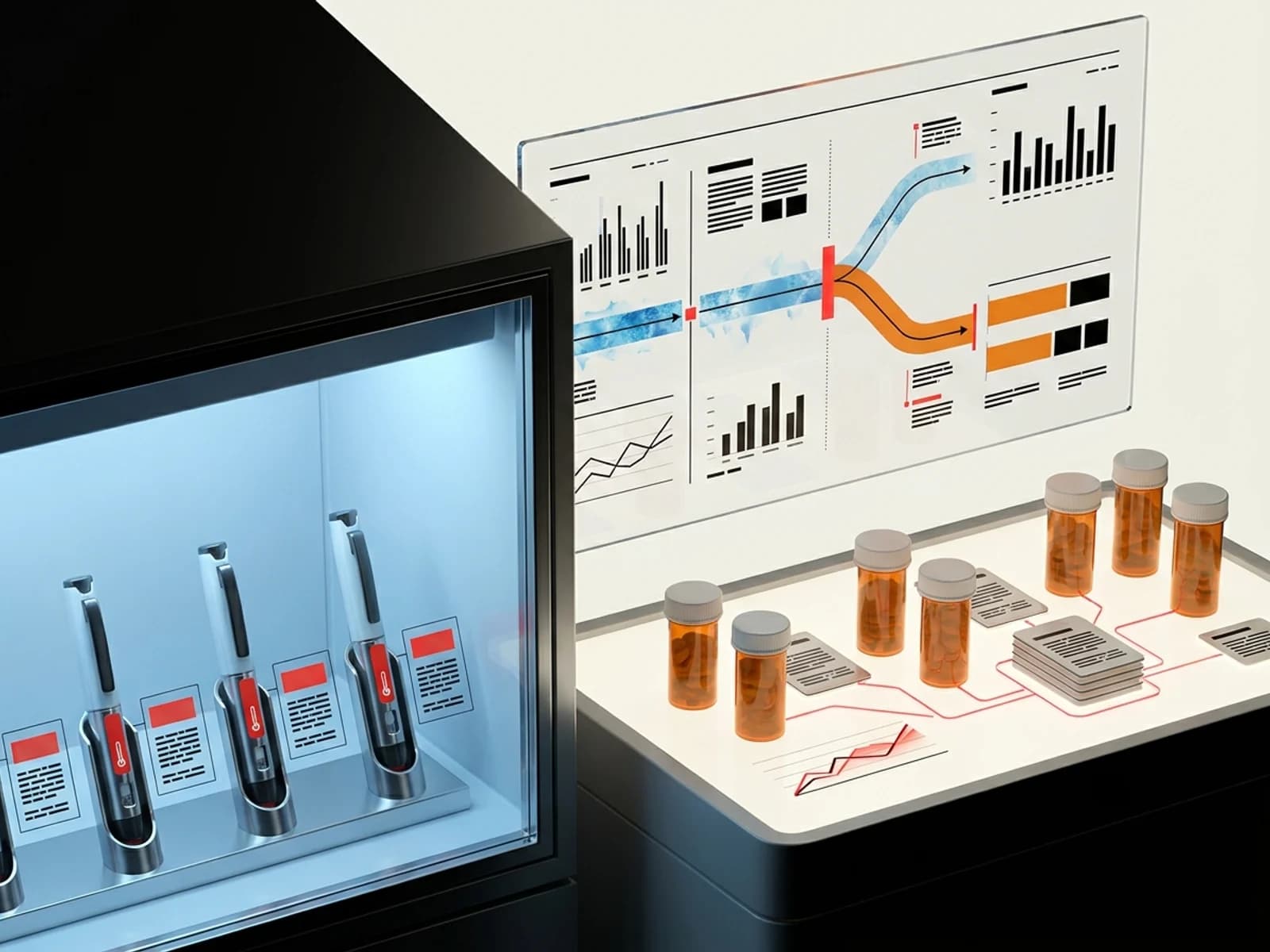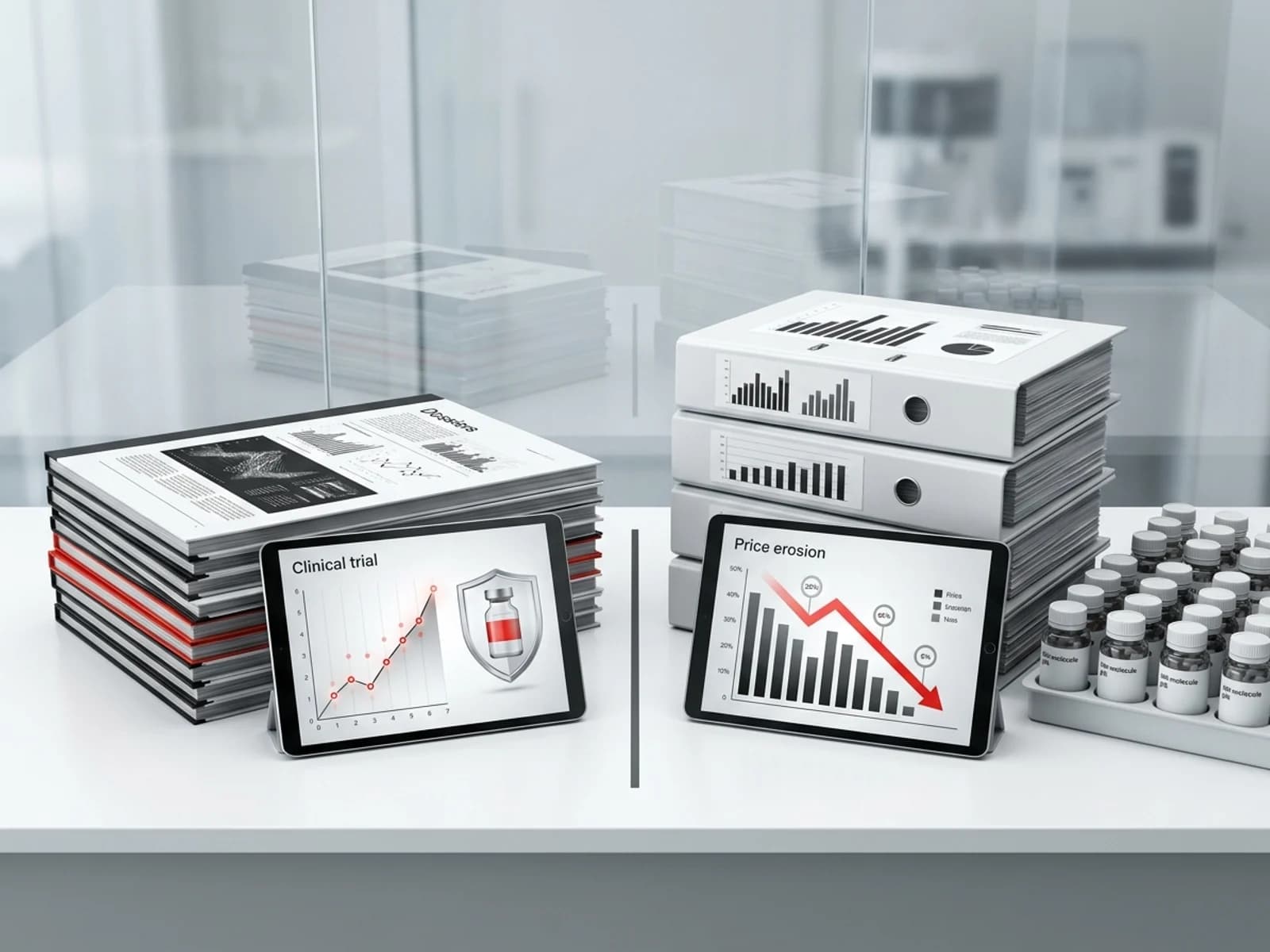
On October 4, 2023, Novartis completed the spin-off of its generics and biosimilars division, Sandoz, marking the largest structural reorganization in the modern biopharmaceutical sector. This transaction transformed Novartis from a diversified conglomerate—balancing high-risk, high-margin brand R&D with a massive, low-margin global generics business—into a pure-play innovative medicines company focused on high-value therapeutics.
For commercial payers, pharmacy benefit managers (PBMs), and drug pricing analysts, this spinoff fundamentally reshaped the market footprint of both organizations. Payers can no longer evaluate Novartis as a single vendor with a diversified portfolio spanning all cost levels. Instead, Novartis is now a pure specialty drug innovator, while Sandoz is a standalone generic and biosimilar competitor.
Understanding this division requires a deep dive into the regulatory and pricing datasets that define their portfolios. By analyzing the FDA Orange Book, FDA Purple Book, CMS National Average Drug Acquisition Cost (NADAC) registry, FDA Enforcement Reports (recalls), and ClinicalTrials.gov registry, this portfolio dossier quantifies the post-spinoff division, details the retail price erosion of Novartis’s blockbuster Entresto, maps out the innovative biologics portfolio, and outlines the clinical trial focus driving Novartis’s long-term lifecycle strategy.
Executive Summary & Scenario Analysis
To align on the clinical and economic implications of Novartis's post-spinoff portfolio, we must address the primary questions facing clinical pharmacy directors, health system purchasing teams, and benefit designers.
Scenario Question
How has the Sandoz spinoff reshaped Novartis's regulatory and patent footprint, and what should payers expect regarding its innovative pipeline access?
Direct Answer
The Sandoz spinoff in October 2023 split the companies' portfolios, leaving Novartis with 188 unique Orange Book approved applications (168 NDAs and 20 ANDAs) and 11 reference 351(a) BLAs in the Purple Book, while Sandoz retained 438 unique Orange Book applications (49 NDAs and 389 ANDAs) and 8 biosimilar 351(k) BLAs. Following this separation, Novartis faces immediate retail price erosion on its blockbuster Entresto (sacubitril/valsartan) which has experienced a 94.7% price drop in CMS NADAC ($0.60839 per generic tablet vs $11.58677 for brand). Payers must capture immediate generic Entresto savings while implementing strict prior authorization controls and step-therapy protocols on Novartis's high-cost innovative specialty launches, particularly in radioligand and immunology therapies.
The Sandoz Separation: Reshaping the Orange Book Footprint
The Hatch-Waxman Act's Approved Drug Products with Therapeutic Equivalence Evaluations (the FDA Orange Book) serves as the registry for all approved drug products and their active patent walls. Prior to the spinoff, Novartis held a massive, mixed registry of applications.
An analysis of the June 10, 2026 FDA Orange Book database snapshot reveals how the transaction divided these assets between the two independent entities:
1. Novartis Innovative Division
Post-spinoff, the Novartis core brand division holds 188 unique approved applications in the Orange Book:
168 New Drug Applications (NDAs): Representing its brand-name innovative small molecules, including Entresto (sacubitril/valsartan), Kisqali (ribociclib), Gilenya (fingolimod), Promacta (eltrombopag), and Tasigna (nilotinib).
20 Abbreviated New Drug Applications (ANDAs): Historically approved generic products that Novartis retained, primarily because they are integrated into its branded delivery systems or specialty division operations.
2. Sandoz Generics Division
Sandoz Group AG holds 438 unique approved applications in the Orange Book:
49 New Drug Applications (NDAs): Representing Sandoz’s branded generics, specialty reformulations (505(b)(2) NDA pathway products), and mature brands acquired or retained during the spinoff.
389 Abbreviated New Drug Applications (ANDAs): Representing Sandoz’s core generic portfolio, consisting of retail oral solids, inhalers, and mature hospital injectables.
This data demonstrates that 95.1% of the generic ANDAs historically held by the combined organization were transferred to Sandoz, leaving Novartis as a pure brand-focused entity. For payers, this spinoff eliminated the opportunity to cross-subsidize branded drug spend with generic contracts from the same manufacturer. Negotiations must be conducted independently, with Sandoz treated as a competitor to Novartis’s branded products.
The Entresto Cliff: Analyzing Retail Price Erosion in CMS NADAC
The primary challenge of a pure-brand strategy is the intense financial cliff that occurs upon loss of exclusivity (LOE). For Novartis, this cliff was illustrated by its blockbuster heart failure medication, Entresto (sacubitril/valsartan).
Entresto entered the market in 2015 as a breakthrough Angiotensin Receptor-Neprilysin Inhibitor (ARNI). The molecule is a co-crystal complex containing sacubitril (a neprilysin inhibitor) and valsartan (an angiotensin receptor blocker) in a 1:1 ratio.
Neprilysin is an enzyme that degrades beneficial endogenous vasoactive peptides, including natriuretic peptides, bradykinin, and adrenomedullin. By inhibiting neprilysin, sacubitril increases the levels of these peptides, promoting vasodilation, natriuresis, and diuresis, and inhibiting sympathetic activity and myocardial fibrosis. Valsartan, by blocking the AT1 receptor, counters the simultaneous activation of the renin-angiotensin-aldosterone system that occurs with neprilysin inhibition.
The clinical superiority of this combination was demonstrated in the landmark PARADIGM-HF trial, which compared Entresto against guideline-recommended enalapril in 8,442 heart failure patients. The trial showed a statistically significant 20% reduction in the primary composite endpoint of cardiovascular death or hospitalization for heart failure.
By 2024, Entresto had become a standard first-line therapy for chronic heart failure, generating over $6 billion in annual revenue for Novartis. Following intense Paragraph IV patent litigation in the U.S. District Court of Delaware, generic alternatives entered the U.S. market in July 2025 after the expiration of pediatric exclusivity on the core co-crystal patent (US Patent No. 8,101,659) on July 15, 2025.
CMS NADAC Price Erosion Analysis
Unlike specialty biologics, which are billed under the medical benefit, Entresto is a small-molecule tablet distributed through retail pharmacies. This makes its real-world pricing highly transparent in the CMS National Average Drug Acquisition Cost (NADAC) registry, which measures the actual invoice prices retail pharmacies pay to purchase drugs from wholesalers.
An analysis of the June 10, 2026 CMS NADAC database snapshot reveals an extraordinary price erosion across all three therapeutic strengths of sacubitril/valsartan:
97-103 MG Strength (Standard Maintenance Dose):
Brand Entresto: $11.58677 per tablet
Generic Sacubitril/Valsartan: $0.60839 per tablet
Percentage Discount: 94.75% price erosion
49-51 MG Strength (Titration Dose):
Brand Entresto: $11.54554 per tablet
Generic Sacubitril/Valsartan: $0.54985 per tablet
Percentage Discount: 95.24% price erosion
24-26 MG Strength (Starter Dose):
Brand Entresto: $11.59154 per tablet
Generic Sacubitril/Valsartan: $0.53757 per tablet
Percentage Discount: 95.36% price erosion
This data illustrates the classic "generic cliff" in retail pharmacy. Within 11 months of multi-source generic entry, the price paid by pharmacies for the standard maintenance dose fell from approximately $350 per month to $18.25 per month.
For detailed context on how the legal disputes and Paragraph IV settlements in the U.S. District Court of Delaware cleared the runway for this generic entry, refer to our generic Entresto market entry and price erosion analysis.
Payer Formulary Action Plan
To capture these massive savings, payer formulary teams must implement the following Formulary Transition Workflow:
[Impending Sacubitril/Valsartan Rx]
       |
       v
[Is Brand Entresto Requested?]
       |
       +---> YES: Trigger Prior Authorization / Require DAW-1 Code + Copay Penalty
       |
       +---> NO: Automatically Dispense Generic Sacubitril/Valsartan ($0.60/unit)
Formulary Exclusion of Brand Entresto: Payers should immediately move brand Entresto to a non-formulary or excluded status. Any remaining use of the brand-name drug should require a prior authorization documenting clinical failure on generic sacubitril/valsartan.
Impose DAW-1 Co-Pay Penalties: For patients who request brand Entresto despite generic availability (Dispense As Written - DAW 1), plans should charge the patient the generic copay plus the full difference in WAC between the brand and the generic, neutralizing the plan's financial exposure.
Mapping Novartis's Branded Small-Molecule Patent Cliffs (2026-2030)
Beyond Entresto, Novartis faces several critical small-molecule patent expirations in the 2026-2030 window. Payers must monitor these timelines to plan for generic transitions and leverage the coming competition to negotiate class-wide savings.
1. Promacta (eltrombopag)
Indication: Treatment of thrombocytopenia in patients with chronic immune thrombocytopenia (ITP) and chronic hepatitis C; treatment of severe aplastic anemia.
Mechanism of Action: Eltrombopag is an oral, small-molecule thrombopoietin receptor agonist (TPO-RA) that interacts with the transmembrane domain of the TPO receptor to initiate signaling cascades that increase platelet production.
Patent Expiration Timeline: The core compound patent (US Patent No. 7,160,870) and associated pediatric exclusivity expired in the United States in early 2023. However, secondary formulation and method-of-use patents (such as US Patent No. 8,052,993 covering specific tablet formulations) protect the branded product through December 2027. Generic entry is anticipated in early 2028.
Market Impact: Promacta represents a high-cost specialty drug with an annual cost of treatment exceeding $100,000 per patient. Payers should plan for rapid generic substitution in 2028, which will disrupt the TPO-RA class and provide a low-cost alternative to Amgen's Nplate (romiplostim) and Dova's Doptelet (avatrombopag).
2. Gilenya (fingolimod)
Indication: Treatment of relapsing forms of multiple sclerosis (MS) in patients 10 years of age and older.
Mechanism of Action: Fingolimod is a sphingosine 1-phosphate (S1P) receptor modulator that blocks the egress of lymphocytes from lymph nodes, reducing the infiltration of pathogenic cells into the central nervous system.
Patent Expiration Timeline: The core compound patent (US Patent No. 5,604,229) expired in 2019. However, Novartis engaged in long-running litigation to defend US Patent No. 9,187,405 (covering a specific 0.5 mg daily dosing method). Following a Supreme Court denial of review in late 2023, generic developers (including Apotex, Mylan, and HEC Pharm) launched generic fingolimod.
Market Impact: Generic fingolimod is now widely available in retail pharmacy, showing over 90% price erosion. Payers have implemented step-therapy requirements mandating generic fingolimod before allowing branded S1P modulators like Bristol Myers Squibb's Zeposia (ozanimod) or Janssen's Ponvory (ponesimod).
3. Tasigna (nilotinib)
Indication: Treatment of newly diagnosed or resistant Philadelphia chromosome-positive chronic myeloid leukemia in chronic phase (Ph+ CML-CP).
Mechanism of Action: Nilotinib is a selective tyrosine kinase inhibitor (TKI) that targets the BCR-ABL protein, which drives abnormal myelopoiesis in CML.
Patent Expiration Timeline: The core compound patent (US Patent No. 7,169,791) is scheduled to expire in the United States in July 2028. Generic developers have filed Paragraph IV certifications challenging secondary formulation patents, meaning generic nilotinib could enter the market by late 2028.
Market Impact: Oncology TKI therapies are major drivers of specialty drug spend. Generic nilotinib will join generic imatinib (Gleevec) and generic dasatinib (Sprycel) in CML, allowing payers to implement strict preferred-generic protocols across the entire CML TKI class.
Detailed Clinical Profiling of Novartis Brand Specialty Assets
To maintain its innovative margins, Novartis is actively commercializing specialty assets across oncology, cardiovascular disease, and neurology.
1. Kisqali (ribociclib)
Indication: HR-positive, HER2-negative metastatic breast cancer in combination with an endocrine-based therapy.
Mechanism of Action: Ribociclib is an inhibitor of cyclin-dependent kinases 4 and 6 (CDK4/6), which are activated by binding to D-cyclins. This pathway plays a critical role in signaling blocks that lead to cell cycle progression and tumor growth in breast cancer.
Clinical Foundation (The MONALEESA Trials): The clinical benefit of Kisqali was established through three key randomized Phase III trials (MONALEESA-2, MONALEESA-3, and MONALEESA-7):
MONALEESA-2 (First-Line Postmenopausal): Evaluated Kisqali plus letrozole vs. placebo plus letrozole, achieving a median progression-free survival (PFS) of 25.3 months vs. 16.0 months (HR: 0.56; 95% CI: 0.43–0.72). Crucially, the trial demonstrated a statistically significant overall survival (OS) benefit, with median OS reaching 63.9 months for the Kisqali arm vs. 51.4 months for the control group.
MONALEESA-3 (Postmenopausal, First- or Second-Line): Evaluated Kisqali plus fulvestrant vs. placebo plus fulvestrant. It demonstrated a median PFS of 20.5 months vs. 12.8 months (HR: 0.59; 95% CI: 0.48–0.73) and a significant overall survival benefit (median OS of 53.7 months vs. 41.5 months in the control group).
MONALEESA-7 (Premenopausal or Perimenopausal): Evaluated Kisqali plus endocrine therapy (tamoxifen or an aromatase inhibitor) plus goserelin vs. placebo plus endocrine therapy plus goserelin. It showed a median PFS of 23.8 months vs. 13.0 months (HR: 0.55; 95% CI: 0.44–0.69). Overall survival at 42 months was 70.2% for the Kisqali arm vs. 46.0% in the control group.
Market Impact: Paid under the specialty pharmacy benefit. Its proven overall survival benefit across multiple populations makes Kisqali a powerful competitor to Pfizer's CDK4/6 inhibitor, Ibrance.
2. Leqvio (inclisiran)
Indication: Primary hyperlipidemia (including heterozygous familial hypercholesterolemia) as an adjunct to diet and statin therapy.
Mechanism of Action: Inclisiran is a double-stranded small interfering RNA (siRNA) conjugated to GalNAc (which directs it to hepatocytes). Inside the cell, inclisiran utilizes the RNA-induced silencing complex (RISC) to cleave the PCSK9 messenger RNA, preventing the translation of the PCSK9 protein. This leads to increased LDL receptor recycling on hepatocyte membranes, lowering serum LDL-C levels.
Clinical Foundation (The ORION Trials): The drug was evaluated in multiple Phase III trials:
ORION-10 (U.S. ASCVD Population): Evaluated 1,561 patients with atherosclerotic cardiovascular disease (ASCVD). Inclisiran achieved a mean LDL-C reduction of 52.3% at day 510 compared to placebo (p < 0.0001).
ORION-11 (European ASCVD/Risk Equivalent Population): Evaluated 1,617 patients with ASCVD or ASCVD risk equivalents. Inclisiran demonstrated a mean LDL-C reduction of 49.9% at day 510 compared to placebo (p < 0.0001).
Market Impact & Dosing Logistics: Administered subcutaneously by a healthcare professional as a starter dose, a second dose at 3 months, and then every 6 months thereafter. This twice-yearly dosing interval improves patient adherence compared to self-administered biweekly monoclonal antibodies (like Repatha or Praluent) and is billed under the medical benefit.
3. Zolgensma (onasemnogene abeparvovec-xioi)
Indication: Treatment of spinal muscular atrophy (SMA) in pediatric patients under 2 years of age with bi-allelic mutations in the SMN1 gene.
Mechanism of Action: Zolgensma is an adeno-associated virus vector-based gene therapy. It delivers a fully functional copy of the human SMN gene into the cell nuclei of motor neurons, allowing for the transcription of the SMN protein that is otherwise deficient in SMA patients.
Clinical Foundation (The STR1VE Trials): Approved based on the START and STR1VE Phase III trials, where a single IV infusion of Zolgensma resulted in rapid and sustained increases in motor function, survival without permanent ventilation, and the achievement of developmental milestones (such as sitting unsupported) that untreated SMA patients never achieve.
Economic & Reimbursement Management: With a list price of $2.1 million per single dose, Zolgensma represents one of the most expensive single-dose therapies in the world. Payers manage this cost through outcomes-based risk-sharing agreements (where Novartis rebates the cost if the child requires permanent ventilation) and multi-year installment payment models.
4. Kymriah (tisagenlecleucel)
Indication: Treatment of pediatric and young adult patients with relapsed or refractory B-cell acute lymphoblastic leukemia (ALL) and adult patients with relapsed or refractory diffuse large B-cell lymphoma (DLBCL).
Mechanism of Action: Kymriah is an autologous CAR-T cell therapy. A patient's own T cells are collected via leukapheresis, genetically modified in vitro using a lentiviral vector to express a Chimeric Antigen Receptor (CAR) targeting CD19, expanded, and then infused back into the patient after lymphodepleting chemotherapy.
Clinical Foundation (The ELIANA & JULIET Trials): The clinical profile was established through the ELIANA trial (pediatric ALL, showing an overall remission rate of 81% within 3 months) and the JULIET trial (adult DLBCL, showing an overall response rate of 52% with 40% complete responses).
Specialty Billing and Logistics: Priced at $475,000 for ALL and $373,000 for DLBCL. Kymriah is billed under the medical benefit using code Q2042. Payers require strict hospital accreditation (FACT accreditation) and prior clinical staging before authorizing therapy.
5. Kesimpta (ofatumumab)
Indication: Treatment of relapsing forms of multiple sclerosis (RMS) in adults.
Mechanism of Action: Kesimpta is a CD20-directed cytolytic antibody. It binds to CD20 on pre-B and mature B lymphocytes, leading to antibody-dependent cell-mediated lysis and complement-dependent cytolysis.
Clinical Foundation (The ASCLEPIOS Trials): In the ASCLEPIOS I and II Phase III trials, Kesimpta was evaluated against the oral MS drug Aubagio (teriflunomide) in 1,882 MS patients. Kesimpta achieved a statistically significant 51% and 58% reduction in the annualized relapse rate (ARR) compared to teriflunomide, along with significant reductions in brain lesions on MRI.
Payer Positioning: Kesimpta is administered subcutaneously once monthly at home using a prefilled autoinjector pen, shifting MS therapy spend from the medical benefit to the pharmacy benefit.
6. Fabhalta (iptacopan)
Indication: Treatment of adults with paroxysmal nocturnal hemoglobinuria (PNH) and IgA nephropathy (IgAN).
Mechanism of Action: Iptacopan is an oral, small-molecule, selective inhibitor of Factor B, a key protease of the alternative complement pathway. By blocking Factor B, Fabhalta prevents both intravascular hemolysis (mediated by the terminal complement cascade) and extravascular hemolysis (mediated by C3b opsonization on red blood cells).
Clinical Foundation (APLY-PNH and APPOINT-PNH): Approved based on Phase III trials:
APLY-PNH (Prior Anti-C5 Treated): In patients who remained anemic despite stable therapy with anti-C5 monoclonal antibodies (eculizumab or ravulizumab), switching to oral Fabhalta monotherapy resulted in 82.9% of patients achieving a hemoglobin increase of ≥2 g/dL without red blood cell transfusions, compared to only 2.0% of patients who remained on anti-C5 therapies.
APPOINT-PNH (Complement-Inhibitor Naive): In patients who had not received prior complement therapy, 92.2% achieved a hemoglobin increase of ≥2 g/dL without transfusions.
Market Impact: As an oral monotherapy, Fabhalta provides superior hematological control and significant administrative advantages over intravenous anti-C5 infusions. Payers are evaluating the value of shifting PNH spend from medical-benefit infusions (Soliris/Ultomiris) to pharmacy-benefit oral Fabhalta.
7. Pluvicto (lutetium Lu 177 vipivotide tetraxetan)
Indication: Treatment of adult patients with prostate-specific membrane antigen (PSMA)-positive metastatic castration-resistant prostate cancer (mCRPC) who have been treated with androgen receptor pathway inhibition and taxane-based chemotherapy.
Mechanism of Action: Pluvicto is a targeted radioligand therapy. It consists of a targeting ligand (which binds with high affinity to PSMA, a transmembrane protein overexpressed in prostate cancer) linked to the beta-emitting radioisotope lutetium-177 (177Lu). Upon binding, the compound is internalized, and the localized beta radiation destroys the tumor cells and surrounding microenvironment.
Clinical Foundation (The VISION Trial): Approved based on the Phase III VISION trial (NCT03511677) evaluating 831 patients with progressive PSMA-positive mCRPC. Patients randomized to Pluvicto plus best standard therapy (BSoC) achieved a statistically significant 38% reduction in the risk of death (Hazard Ratio for OS: 0.62; 95% CI: 0.52–0.74; p < 0.001) compared to BSoC alone, with a median overall survival of 15.3 months vs. 11.3 months. The trial also demonstrated a 60% reduction in the risk of radiographic disease progression or death (Hazard Ratio for rPFS: 0.40; 99.2% CI: 0.29–0.57; p < 0.001).
8. Lutathera (lutetium Lu 177 dotatate)
Indication: Treatment of somatostatin receptor-positive gastroenteropancreatic neuroendocrine tumors (GEP-NETs), including foregut, midgut, and hindgut neuroendocrine tumors in adults.
Mechanism of Action: Lutathera is a peptide receptor radionuclide therapy (PRRT). It features a somatostatin analog (dotatate) conjugated to the radioisotope lutetium-177 (177Lu). Dotatate binds selectively to somatostatin receptors (primarily subtype 2, SSTR2) overexpressed on GEP-NET cell surfaces, delivering targeted cytotoxic beta radiation directly to the tumor.
Clinical Foundation (The NETTER-1 Trial): Approved based on the pivotal Phase III NETTER-1 trial (NCT01578239) evaluating 229 patients with progressive, SSTR-positive midgut neuroendocrine tumors. Patients randomized to Lutathera (administered as 4 doses every 8 weeks) plus low-dose octreotide LAR achieved an extraordinary 79% reduction in the risk of disease progression or death compared to high-dose octreotide LAR (Hazard Ratio for PFS: 0.21; 95% CI: 0.13–0.34; p < 0.0001). The median PFS was not reached in the Lutathera arm at 20 months, compared to 8.4 months in the control group.
9. Cosentyx (secukinumab)
Indication: Moderate-to-severe plaque psoriasis, psoriatic arthritis, ankylosing spondylitis, non-radiographic axial spondyloarthritis, and enthesitis-related arthritis.
Mechanism of Action: Secukinumab is a recombinant human IgG1/kappa monoclonal antibody that selectively binds to and neutralizes the pro-inflammatory cytokine interleukin-17A (IL-17A), preventing its interaction with the IL-17 receptor and inhibiting the subsequent release of inflammatory cytokines and chemokines.
Clinical Foundation (ERASURE and FIXTURE Trials): Under BLA 125504, the efficacy of secukinumab in moderate-to-severe plaque psoriasis was established in two major Phase III studies:
ERASURE (NCT01365455): Evaluated 738 patients. At Week 12, 81.6% of patients receiving secukinumab 300 mg achieved a PASI 75 response, and 59.2% achieved a PASI 90 response, compared to 4.5% and 1.2% in the placebo group.
FIXTURE (NCT01358552): Evaluated 1,306 patients. At Week 12, 77.1% of patients receiving secukinumab 300 mg achieved a PASI 75 response, and 54.2% achieved a PASI 90 response, compared to 4.9% and 1.5% in the placebo group.
Long-Term Extension: Long-term clinical data demonstrated sustained skin clearance, with 70.6% of patients maintaining a PASI 90 response at Year 2.
The table below catalogs Novartis's top 10 innovative branded therapies:
| Brand Name | Active Ingredient / Platform | BLA/NDA Number | FDA Approval Date | Primary Therapeutic Area | Standard Pricing Model |
|---|---|---|---|---|---|
| Entresto | Sacubitril/Valsartan (small-molecule) | NDA 207620 | July 7, 2015 | Cardiovascular (Heart Failure) | Retail Pharmacy (Retail Copay) |
| Cosentyx | Secukinumab (IL-17A mAb) | BLA 125504 | Jan 21, 2015 | Immunology (Psoriasis, Ankylosing) | Specialty Pharmacy (Pharmacy Benefit) |
| Kesimpta | Ofatumumab (CD20 mAb) | BLA 125326 | Aug 20, 2020 | Neurology (Multiple Sclerosis) | Specialty Pharmacy (Pharmacy Benefit) |
| Kisqali | Ribociclib (CDK4/6 inhibitor) | NDA 209092 | Mar 13, 2017 | Oncology (Breast Cancer) | Specialty Pharmacy (Pharmacy Benefit) |
| Pluvicto | Lutetium Lu 177 vipivotide tetraxetan (RLT) | NDA 215833 | Mar 23, 2022 | Oncology (Prostate Cancer) | Medical Benefit (Buy-and-Bill) |
| Lutathera | Lutetium Lu 177 dotatate (RLT) | NDA 208700 | Jan 26, 2018 | Oncology (Neuroendocrine) | Medical Benefit (Buy-and-Bill) |
| Leqvio | Inclisiran (siRNA) | NDA 214012 | Dec 22, 2021 | Cardiovascular (LDL-C lowering) | Medical Benefit (Specialty Infusion) |
| Promacta | Eltrombopag (TPO-RA small-molecule) | NDA 022291 | Oct 21, 2008 | Hematology (Thrombocytopenia) | Specialty Pharmacy (Pharmacy Benefit) |
| Tasigna | Nilotinib (TKI small-molecule) | NDA 022068 | Oct 29, 2007 | Oncology (CML Leukemia) | Specialty Pharmacy (Pharmacy Benefit) |
| Zolgensma | Onasemnogene abeparvovec (Gene therapy) | BLA 125694 | May 24, 2019 | Neurology (SMA Pediatric) | Medical Benefit (Installment/Outcomes) |
Sandoz Biosimilars Portfolio
Sandoz Group AG operates as the global leader in generic and biosimilar medicines. Following the spinoff, Sandoz has focused on launching biosimilars under the 351(k) pathway to challenge innovator biologics.
The biosimilar portfolio consists of:
Zarxio (filgrastim-sndz, BLA 125553): Approved in 2015 as the first biosimilar in the United States, referencing Amgen's Neupogen.
Erelzi (etanercept-szzs, BLA 761042): Approved in 2016, referencing Amgen's Enbrel.
Ziextenzo (pegfilgrastim-bmez, BLA 761045): Approved in 2019, referencing Amgen's Neulasta.
Hyrimoz (adalimumab-adaz, BLA 761071): Approved in 2018, referencing AbbVie's Humira.
Cimerli (ranibizumab-eqrn, BLA 761165): Approved in 2022, referencing Genentech's Lucentis (acquired from Coherus).
Tyruko (natalizumab-sztn, BLA 761322): Approved in 2023, referencing Biogen's Tysabri for Multiple Sclerosis.
Wyost (denosumab-bbdz, BLA 761362): Approved in 2024, referencing Amgen's Xgeva. In clinical trials, Wyost demonstrated equivalent efficacy and safety in preventing skeletal-related events in patients with bone metastases. Its commercial launch was delayed to 2025/2026 due to patent litigation settlements with Amgen.
Enzeevu (aflibercept-abzv, BLA 761382): Approved in 2024, referencing Regeneron's Eylea for retinal disease. Enzeevu demonstrated equivalent visual acuity improvements in clinical trials. It is positioned to enter the market in 2025/2026 depending on the resolution of Eylea-related patent litigation.
Sandoz positions these biosimilars as low-cost alternatives to high-cost branded therapies, driving price competition in the specialty biologic space.
Operational Safety and Quality Recalls
The spinoff of Sandoz also required a separation of manufacturing facilities, quality control networks, and compliance tracking systems.
An analysis of the June 10, 2026 FDA Enforcement database snapshot indicates that both entities maintain distinct quality and recall profiles:
Novartis Innovative Recalls: 80 records
Sandoz Generics Recalls: 58 records
The recall profile for Sandoz is dominated by Class II and Class III recalls involving labeling updates, blister pack sealing issues, or minor dissolution deviations in generic oral solid lines.
In contrast, Novartis's recall footprint is concentrated in high-value specialty products, including sterile injections and biologic delivery systems, where compliance deviations are subject to higher clinical scrutiny.
The table below catalogs specific historical recall cases for both companies to demonstrate typical root-cause findings:
| Recalling Firm | Product / Formulation | BLA/NDA Number | Recall Class | Core Root-Cause Finding |
|---|---|---|---|---|
| Novartis | Cosentyx Sensoready Pen | BLA 125504 | Class II | Defect in the autoinjector mechanism leading to incomplete dosing. |
| Novartis | Sandostatin LAR Depot | NDA 021008 | Class II | Sterility assurance concern due to cleanroom environmental monitoring deviations. |
| Sandoz | Omeprazole Delayed-Release Capsules | ANDA 075757 | Class III | Labeling error regarding expiration dating on secondary packaging. |
| Sandoz | Enoxaparin Sodium Injection | ANDA 078660 | Class II | Particulate contamination identified during syringe stability inspection. |
| Sandoz | Amoxicillin Capsules | ANDA 064076 | Class II | Incomplete container sealing leading to leakage and potential contamination. |
Clinical Development Focus post-Spinoff
Having divested Sandoz, Novartis is focusing its R&D resources on advanced therapeutic platforms. An analysis of the ClinicalTrials.gov registry snapshot from June 10, 2026 indicates that Novartis sponsored:
98 Clinical Trials starting in 2024
91 Clinical Trials starting in 2025
66 Clinical Trials starting in the first half of 2026
This significant development footprint (totaling 255 sponsored trials in a 2.5-year period) is concentrated in four advanced technology platforms:
Radioligand Therapy (RLT): Novartis is the industry pioneer in radioligand therapies, which deliver targeted radiation directly to cancer cells. Key products include:
Pluvicto (lutetium Lu 177 vipivotide tetraxetan, NDA 215833): Approved in 2022 for PSMA-positive metastatic castration-resistant prostate cancer (mCRPC). The Phase III VISION trial (NCT03511677) demonstrated a statistically significant extension in median overall survival to 15.3 months vs. 11.3 months for standard care alone.
Lutathera (lutetium Lu 177 dotatate, NDA 208700): Approved in 2018 for somatostatin receptor-positive gastroenteropancreatic neuroendocrine tumors (GEP-NETs). The Phase III NETTER-1 trial (NCT01578239) achieved a 79% reduction in the risk of disease progression or death compared to high-dose octreotide LAR.
RLT Logistics Challenge: Unlike standard small-molecule solids or stable biologics, radioligand therapies utilize active radioisotopes with extremely short physical half-lives (e.g., Lutetium-177 has a half-life of 6.6 days). The drug must be manufactured, shipped, and administered within a strict time window, requiring an integrated "just-in-time" supply chain. Any disruption in logistics (such as air transport delays or hospital scheduling errors) renders the dose unusable. Payers and health systems must verify that their authorized treatment centers have robust logistics plans to minimize wasted dose write-offs.
RNA Therapeutics: Capitalizing on its approval of Leqvio (inclisiran). Novartis has active trials evaluating siRNA technologies targeting cardiovascular, renal, and hepatic diseases.
Gene and Cell Therapy: Expanding its CAR-T and adeno-associated virus (AAV) gene therapy platforms to target genetic ophthalmology and neurology disorders.
Targeted Immunology: Evaluating novel oral solids and biological blockers (such as Factor B inhibitors like iptacopan) to treat rare renal and hematological conditions.
Market access teams should anticipate that Novartis's future launches will consist of high-complexity, high-cost therapies. Because radioligand therapies (like Pluvicto) require specialized nuclear medicine facilities, and CAR-T therapies (like Kymriah) require accredited transplant centers, payers must design utilization management criteria that focus on site-of-care credentials and precise clinical staging rather than simple price negotiations.
FAQ Section
How did the Sandoz spin-off divide Novartis's small-molecule and biologic products?
The spinoff divided the portfolio based on innovation vs. replication. Novartis retained its innovative brand-name small molecules (NDAs) and reference biologics (351(a) BLAs), such as Entresto, Kisqali, Cosentyx, and Kesimpta. Sandoz received the generic small-molecule portfolio (ANDAs) and the biosimilar pipeline (351(k) BLAs), including Zarxio, Hyrimoz, and Tyruko.
What are the current price erosion statistics for generic Entresto in retail pharmacy?
As of June 10, 2026, the retail pharmacy acquisition cost (CMS NADAC) for generic sacubitril/valsartan 97-103 MG is $0.60839 per tablet, representing a 94.75% price erosion from brand Entresto's price of $11.58677 per tablet. The other strengths (24-26 mg and 49-51 mg) show similar erosion of 95.36% and 95.24% respectively.
What is the clinical and economic significance of Novartis's radioligand therapy portfolio?
Clinically, radioligand therapies like Pluvicto deliver targeted radiation directly to tumor cells (such as PSMA-positive metastatic castration-resistant prostate cancer), extending overall survival. Economically, these therapies are highly specialized, costing over $40,000 per dose (with a standard course of 6 doses exceeding $240,000). They require coordination with nuclear medicine facilities, necessitating unique billing and prior authorization frameworks.
Does Sandoz still have commercial ties to Novartis's biosimilar pipeline?
No. Sandoz operates as an entirely independent, publicly traded entity listed on the SIX Swiss Exchange under the ticker symbol "SDZ". The spinoff completed a 100% separation, and Sandoz manages its own biosimilar pipeline, capital allocation, and commercial operations independently of Novartis.
Sources
FDA Orange Book: Approved Drug Products with Therapeutic Equivalence Evaluations. U.S. Food and Drug Administration. June 10, 2026 snapshot. https://www.accessdata.fda.gov/scripts/cder/ob/index.cfm
FDA Purple Book: Database of Licensed Biological Products. U.S. Food and Drug Administration. June 10, 2026 snapshot. https://purplebooksearch.fda.gov/
Centers for Medicare & Medicaid Services (CMS). National Average Drug Acquisition Cost (NADAC) Files, database update dated June 10, 2026. https://www.medicaid.gov/medicaid/prescription-drugs/pharmacy-pricing/index.html
FDA Enforcement Reports: Recalls and Market Withdrawals. U.S. Food and Drug Administration. June 10, 2026 snapshot. https://www.fda.gov/safety/recalls-market-withdrawals-safety-alerts
ClinicalTrials.gov Registry Database. National Institutes of Health / National Library of Medicine. June 10, 2026 snapshot. https://clinicaltrials.gov/
Novartis AG. 2025 Annual Report (Form 20-F). Filed with the U.S. Securities and Exchange Commission on February 24, 2026. Sandoz spinoff and product pipeline disclosures. https://www.sec.gov/edgar/searchedgar/companysearch.html
Sandoz Group AG. Listing Prospectus for SIX Swiss Exchange. Published September 2023. Corporate spin-off and capital structure disclosures. https://www.sandoz.com/