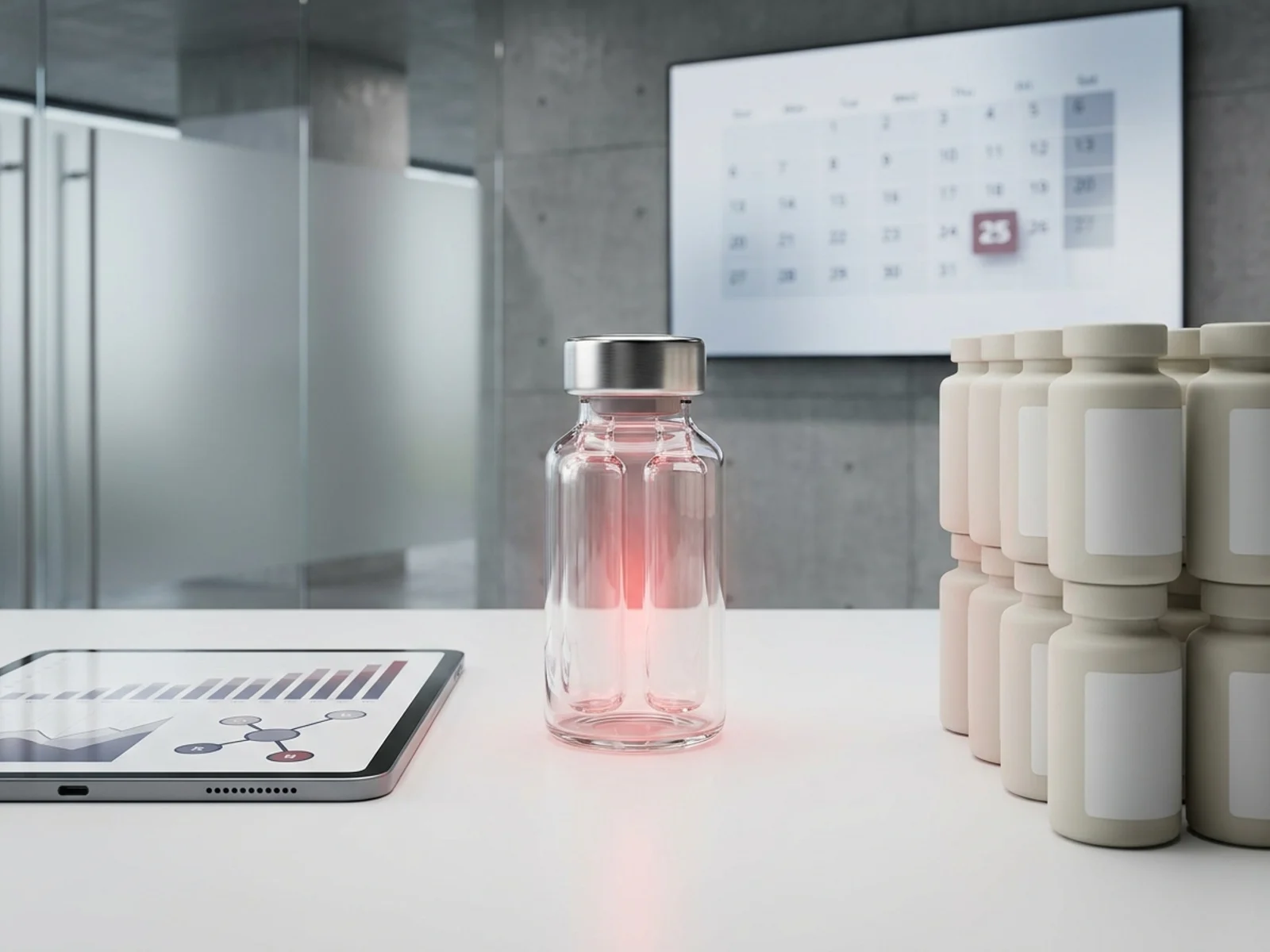
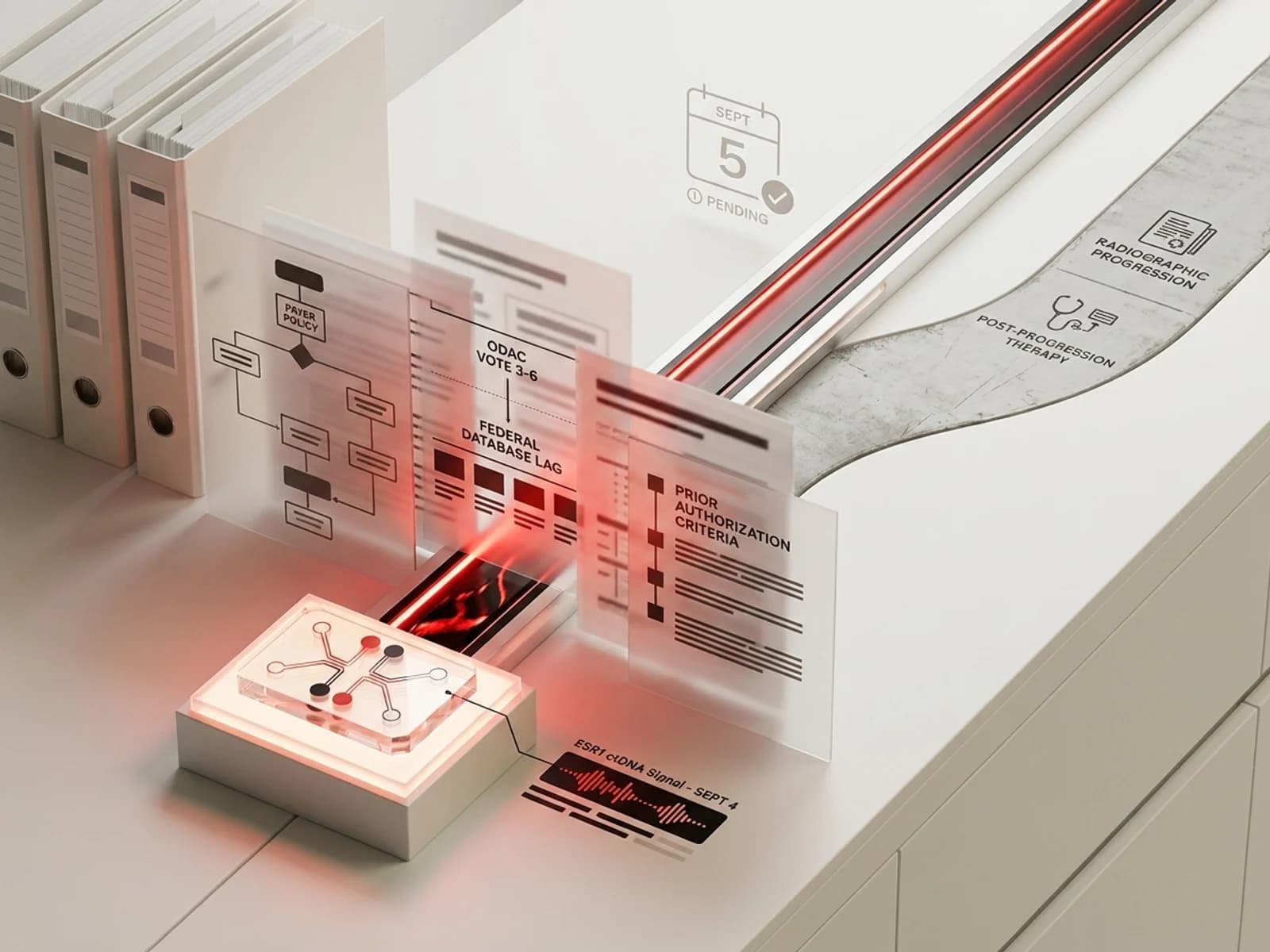
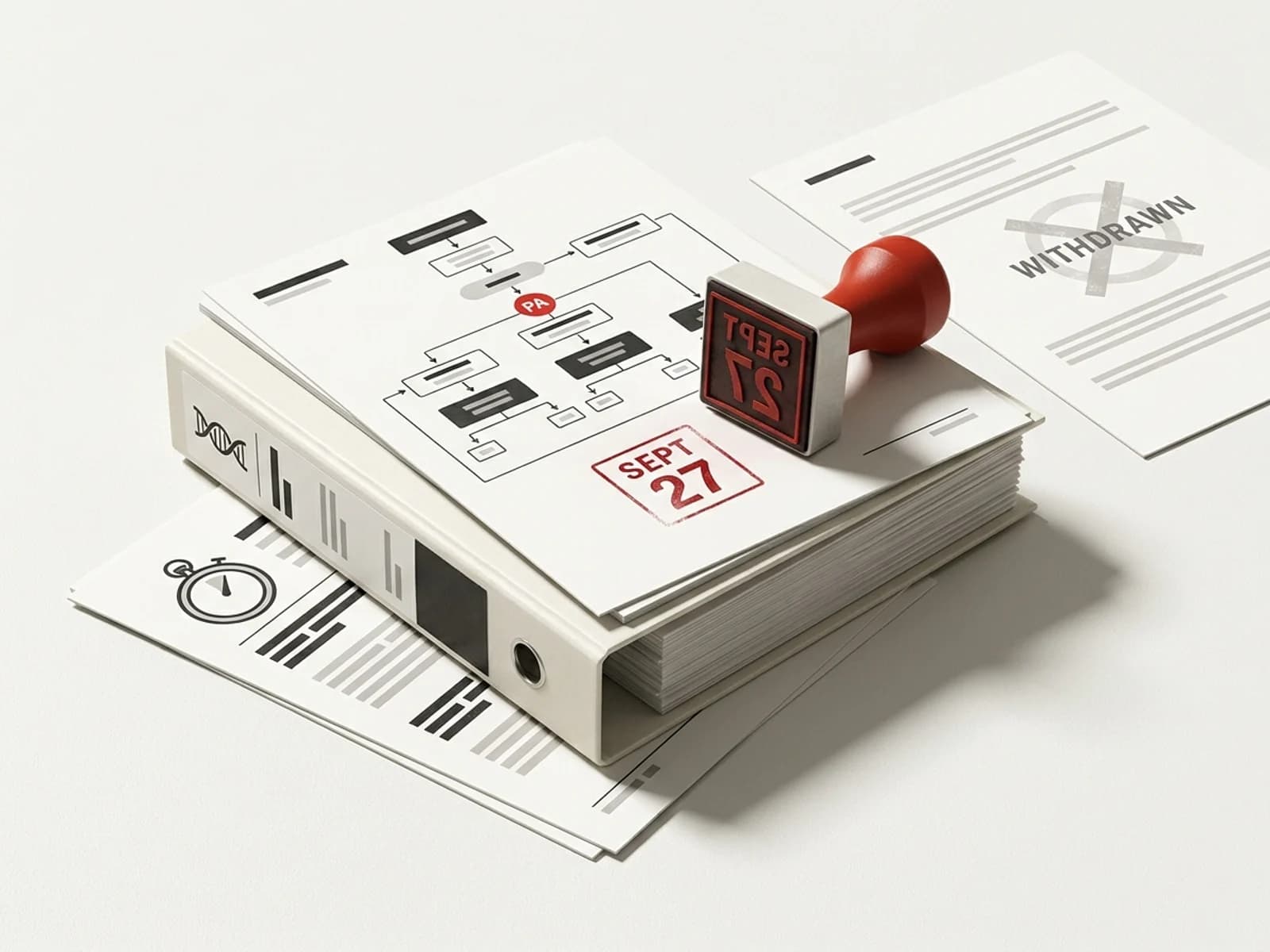
With the clinical and commercial explosion of oncology immunotherapies, the transition of blockbuster biologics to biosimilar competition represents a critical inflection point for market access, pricing, and formulary strategy. Pembrolizumab, the active ingredient in Merck & Co.’s global blockbuster anti-PD-1 monoclonal antibody Keytruda, is the largest oncology biologic drug by revenue in history. As market access leads, oncology pharmacy directors, and biosimilar portfolio managers prepare for the upcoming loss of exclusivity (LOE), tracking the developmental, regulatory, and lifecycle defense strategies surrounding pembrolizumab is essential.
Short Answer
At least seven developers are actively in clinical development or preparing regulatory submissions for pembrolizumab biosimilars: Samsung Bioepis (SB27), Formycon/Zydus (FYB206), Sandoz (GME751), Bio-Thera Solutions (BAT3306), Celltrion (CT-P51), Henlius (HLX17), and Amgen (ABP 234). Commercial launch in the United States is anticipated starting in September 2028, following the expiration of Keytruda’s core composition-of-matter patent (originator BLA 125514).
However, the commercial landscape is being dramatically reshaped by two factors: first, a major regulatory shift where the FDA and international agencies are streamlining biosimilar approvals by minimizing or eliminating large-scale Phase 3 efficacy trials in favor of comparative analytical and pharmacokinetic (PK) data; and second, Merck’s aggressive franchise defense via Keytruda Qlex (pembrolizumab and berahyaluronidase alfa-pmph, BLA 761467, approved September 19, 2025). Keytruda Qlex is a subcutaneous formulation licensed in 395 mg and 790 mg strengths, designed to migrate patient volume from intravenous (IV) infusions to rapid subcutaneous injections ahead of the 2028 IV patent cliff. Furthermore, because pembrolizumab is provider-administered and billed under the medical benefit (buy-and-bill), it has exactly 0 pricing records in CMS NADAC retail files, meaning biosimilar uptake will depend on Average Sales Price (ASP) economics, clinical-pathway integration, and medical-benefit contracting rather than simple retail substitution.
Who This Is For
This tracker is designed for oncology therapeutic area managers, biosimilar commercial heads, payer contracting leads, and hospital pharmacy directors who manage oncology drug spend and plan clinical pathways.
1. The Keytruda Empire and the 2028 Patent Cliff
Keytruda (pembrolizumab) represents the therapeutic backbone of modern oncology. Originally approved by the FDA under BLA 125514 on September 4, 2014, for advanced melanoma, it has since secured over 35 indications across non-small cell lung cancer (NSCLC), triple-negative breast cancer (TNBC), head and neck squamous cell carcinoma, renal cell carcinoma, and micro-satellite instability-high (MSI-H) solid tumors. By 2025, Keytruda’s annual global sales exceeded $25 billion, making it the most financially significant biologic target for follow-on developers.
The Exclusivity Gate: September 2028
The primary composition-of-matter patent covering pembrolizumab in the U.S. is scheduled to expire in September 2028. This date represents the primary "cliff" where competitors can legally launch IV biosimilar versions of pembrolizumab.
Unlike small-molecule drugs that face immediate, rapid price erosion upon generic entry (as discussed in our 2026-2032 patent-cliff-by-the-numbers overview), the biologic biosimilar market is characterized by a slower, brand-defended erosion curve. Merck has filed a secondary patent thicket containing hundreds of formulation, dosage, and indication-specific patents that extend well into the 2030s. Biosimilar developers are utilizing a combination of patent litigation in the U.S. Patent Trial and Appeal Board (PTAB) via Inter Partes Reviews (IPRs) and confidential settlement agreements to clear their path for a September 2028 launch.
2. Evolving FDA Regulatory Pathways: The Streamlined Shift
A defining characteristic of the pembrolizumab biosimilar race is the rapid evolution of the regulatory framework. Historically, the FDA required biosimilar sponsors to conduct extensive, costly Phase 3 comparative clinical trials (often in patients with NSCLC or melanoma) to prove that there were "no clinically meaningful differences" in safety and efficacy between the biosimilar and the reference product.
The Scientific Shift in Regulatory Science
Between 2024 and 2026, a fundamental shift occurred in biosimilar regulatory science. The FDA, the European Medicines Agency (EMA), and the UK Medicines and Healthcare products Regulatory Agency (MHRA) issued updated guidance documents. These guidelines emphasize that if a biosimilar sponsor demonstrates high analytical similarity (via structural and functional characterization) and confirms pharmacokinetic (PK) equivalence in a well-designed Phase 1 clinical study, large-scale Phase 3 efficacy trials are generally redundant and unnecessary.
The scientific consensus underlying this change is that large-scale Phase 3 efficacy trials in oncology are:
Insensitive to Differences: Efficacy endpoints (such as overall response rate or progression-free survival) are highly variable and influenced by patient factors, making them far less sensitive at detecting manufacturing differences than analytical and PK testing.
Logistically Inefficient: These trials require hundreds of patients, cost tens of millions of dollars, and take years to complete, delaying access to cheaper alternatives.
Ethically Repetitive: Subjecting cancer patients to clinical trials designed to prove equivalence rather than clinical benefit raises ethical concerns when analytical similarity has already been demonstrated.
This regulatory shift has transformed developer strategies:
Lowering the Cost Barrier: Eliminating or minimizing a Phase 3 oncology trial reduces development costs by $30 million to $50 million and cuts clinical development timelines by 18 to 24 months.
Accelerating BLA Submissions: Developers can submit their Biologics License Applications (BLAs) based on PK equivalence data in healthy volunteers or limited patient populations, speeding up the regulatory queue.
Fierce Pipeline Adjustments: As detailed in our pipeline analysis, major developers like Formycon and Bio-Thera Solutions officially terminated their planned Phase 3 comparative trials in 2025, declaring that new regulatory guidelines made them unnecessary for U.S. and European approvals.
Payers and clinical pathways committees must prepare for a wave of biosimilar applications that do not contain classic Phase 3 safety and efficacy datasets. Instead, the clinical evidence packages will focus on analytical characterization and PK bioequivalence (for further context on this pathway, see our FDA streamlined biosimilar regulatory pathway analysis).
3. Merck's Lifecycle Defense: The Subcutaneous Transition
To defend its pembrolizumab franchise from the 2028 IV patent cliff, Merck launched a pre-emptive lifecycle transition strategy. Rather than fighting biosimilars solely in the courts, Merck is shifting treatment administration from intravenous infusion toward subcutaneous injection.
BLA 761467: The Approval of Keytruda Qlex
On September 19, 2025, the FDA approved Merck's Keytruda Qlex (pembrolizumab and berahyaluronidase alfa-pmph) under BLA 761467.
Active Ingredients: Pembrolizumab co-formulated with berahyaluronidase alfa-pmph (a recombinant human hyaluronidase enzyme that temporarily breaks down extracellular matrix in the subcutaneous tissue, allowing for rapid absorption of large biologic volumes).
Licensed Strengths: Licensed as 395 mg/2.4 mL and 790 mg/4.8 mL single-dose vials.
Route of Administration: Subcutaneous injection.
+-----------------------------------------------------------------------------+
|                     KEYTRUDA QLEX LIFECYCLE DEFENSE MATRIX                  |
|                                                                             |
|  Reference Biologic: Intravenous Keytruda (BLA 125514)                      |
|  - Administration:  IV Infusion (30-60 minutes in infusion chair)          |
|  - Exclusivity:     Patent Cliff in September 2028                          |
|                                                                             |
|  Defense Biologic:   Subcutaneous Keytruda Qlex (BLA 761467)                |
|  - Administration:  Subcutaneous Injection (~1-2 minutes)                    |
|  - Exclusivity:     Separate formulation/combination patents extend well     |
|                      beyond the 2028 IV composition-of-matter cliff          |
|  - Payer Target:    Migrate a substantial share of IV volume to SC before 2028 |
+-----------------------------------------------------------------------------+
The Commercial Strategy: Infusion Chair Time vs. Rapid Injection
Intravenous Keytruda requires patients to visit an infusion center or hospital outpatient department, where they spend 30 to 60 minutes receiving an IV infusion, in addition to prep and pharmacy compounding time. Keytruda Qlex can be administered in a physician's clinic or outpatient center in roughly 1 to 2 minutes via a simple subcutaneous injection.
For oncology practices and hospitals, this transition is highly attractive:
Clinic Efficiency: Reducing infusion chair time from roughly an hour to a couple of minutes allows clinics to treat more patients per day, easing nursing shortages and operational bottlenecks.
Patient Convenience: Patients avoid venous access issues (such as requiring a port-a-cath) and spend significantly less time in the clinic.
Merck's stated objective is to migrate a substantial share of the pembrolizumab patient population from IV Keytruda to Keytruda Qlex ahead of the 2028 IV patent cliff. Because Keytruda Qlex is protected by a separate estate of formulation and combination patents that extend well beyond the IV composition-of-matter cliff, IV biosimilars launching in 2028 will enter a market where a meaningful portion of volume has already shifted to the subcutaneous product, compressing the addressable market for follow-on developers.
4. The 7-Developer Pembrolizumab Biosimilar Pipeline
The development pipeline for pembrolizumab biosimilars is crowded, with seven major biopharma companies utilizing diverse regulatory and clinical strategies. A detailed breakdown of the programs as of June 2026 includes:
| Sponsor Name | Molecule / Code | Current Phase | Key Clinical Trials & NCT Identifiers | U.S. Regulatory & Commercial Status / 2026 Milestones |
|---|---|---|---|---|
| Samsung Bioepis | SB27 | Phase 3 | NCT06348199: Phase 3 comparative study in metastatic non-squamous NSCLC. | Primary trial completion achieved in March 2026. Active preparation of U.S. BLA filing. |
| Formycon / Zydus | FYB206 | Phase 1 (Completed) | Dahlia Study: Phase 1 PK/PD bioequivalence study. | Dahlia study reported positive PK bioequivalence in February 2026. Parallel Phase 3 trial terminated in February 2025 as unnecessary under streamlined guidelines. BLA filing planned for late 2026/early 2027. |
| Sandoz | GME751 | Phase 1 | NCT06153238: Phase 1 PK study in Stage II-III melanoma. | Phase 1 active. Sandoz minimized planned Phase 3 trials in 2025 to leverage the FDA's streamlined PK/analytical pathway. |
| Bio-Thera Solutions | BAT3306 | Pre-filing | Previous Phase 1/3 nsNSCLC study. | Planned Phase 3 trial terminated in 2025 due to regulatory shifts. In February 2026, Bio-Thera signed a commercialization agreement with Avalon Pharma for Saudi Arabia and the MENA region. |
| Celltrion | CT-P51 | Phase 3 | NCT06939595: Global Phase 3 trial in untreated metastatic NSCLC. CTIS 2023-510017-26-00: Phase 1 PK study in melanoma. | Global Phase 3 actively recruiting in U.S. and Europe. Celltrion maintains a dual clinical pathway (robust Phase 3 plus PK data) to satisfy diverse global regulatory bodies. |
| Henlius | HLX17 | Phase 1 | HLX17-MRST001: Multicenter Phase 1 study in resected solid tumors (melanoma, NSCLC, RCC). | Dosed first U.S. patient in June 2026 following study initiation in China. HLX17 is developed independently by Henlius (not part of the Organon pertuzumab/denosumab alliance). |
| Amgen | ABP 234 | Phase 3 | Global Phase 3 comparative study in NSCLC. | Active Phase 3. (Note: Amgen's nivolumab/Opdivo biosimilar is ABP 206, whereas its pembrolizumab candidate is ABP 234). |
Analysis of Developer Strategies
The pipeline table illustrates a strategic divide among developers:
The Streamlined Track (Formycon, Sandoz, Bio-Thera): These developers are betting heavily on the FDA's willingness to approve pembrolizumab biosimilars based on analytical characterization and PK bioequivalence data without Phase 3 clinical efficacy trials. This represents a lower-cost, faster-to-market approach, but carries the regulatory risk of a CRL if the FDA requires additional clinical safety data.
The Traditional Track (Celltrion, Samsung Bioepis, Amgen): These sponsors are conducting full, global Phase 3 trials. While more expensive and slower, this strategy provides a robust clinical safety package that satisfies conservative regulatory authorities (including in highly regulated Asian and European markets) and supports clinical adoption by risk-averse oncologists.
5. Market Access and Payer Channel Dynamics
The market access landscape for pembrolizumab is fundamentally different from retail small-molecule drugs like oral anticoagulants or GLP-1 pens. Because Keytruda is provider-administered via intravenous infusion, it is distributed and billed under the medical benefit, utilizing the "buy-and-bill" reimbursement system.
The CMS NADAC Verification: Zero Entries
To verify the channel routing of pembrolizumab, we analyzed the Centers for Medicare & Medicaid Services (CMS) National Average Drug Acquisition Cost (NADAC) files (which compile retail pharmacy acquisition prices).
A search of the June 10, 2026, NADAC database confirms that pembrolizumab, Keytruda, and Keytruda Qlex have exactly 0 pricing records.
This zero-record status is expected for a buy-and-bill oncology agent:
Retail community pharmacies do not stock or dispense pembrolizumab.
Patients do not pick up Keytruda at a pharmacy counter.
Instead, specialty distributors sell the drug directly to hospital pharmacies, outpatient clinics, and oncology practices.
Buy-and-Bill Economics and Average Sales Price (ASP)
Under the medical benefit, providers purchase Keytruda from distributors, administer the drug to patients in their clinics, and then bill the patient's insurance (commercial plans, Medicare Part B, or Medicaid).
Reimbursement is calculated using the drug's Average Sales Price (ASP), which is calculated quarterly by the manufacturer and published by CMS:
Reimbursement Formula: Medicare Part B reimburses providers at ASP + 6% (which was subject to sequestration adjustments). For commercial payers, the markup can range from ASP + 10% to over ASP + 50% in hospital outpatient departments.
Provider Margin (The Spread): The difference between the provider’s actual acquisition cost (which may include volume discounts or rebates from the manufacturer) and the ASP-based reimbursement represents the provider's profit margin.
The Biosimilar Dilemma: When biosimilars enter the market, they are launched at a lower Wholesale Acquisition Cost (WAC) and generate their own, lower ASP. To encourage biosimilar uptake, Medicare rules specify that biosimilars are reimbursed at the biosimilar's ASP plus a markup based on the reference product's ASP (currently ASP + 8% of the reference product). This prevents providers from being financially penalized for choosing a lower-cost alternative.
The Role of Clinical Pathways and EMR Tools
Because oncology therapies are highly standardized, the adoption of pembrolizumab biosimilars will be heavily influenced by clinical pathway tools and electronic medical record (EMR) software:
EMR Integration: Platforms like Epic (Beacon) or Flatiron (OncoEMR) store oncology regimens. If a hospital network decides to prefer a specific pembrolizumab biosimilar, the IT department will modify the EMR order sets so that the preferred biosimilar is defaulted for new patients.
McKesson Clear Value Plus & Flatiron Assist: These clinical pathway tools display treatment recommendations to physicians at the point of care. Payers frequently partner with pathway vendors to incentivize adherence to specific pathways, offering administrative relief or financial incentives to practices that default to the biosimilar-first options.
Specialty Distributors: Organizations like McKesson Specialty Health, Cardinal Health Specialty Solutions, and AmerisourceBergen (Cencora) control the physical distribution. Biosimilar sponsors must negotiate stocking and distribution agreements to ensure their product is available in the clinic's inventory.
Pre-2028 Contracting Readiness for Oncology Payers
Because medical-benefit drugs are not subject to automatic pharmacy substitution, biosimilar uptake in oncology is driven almost entirely by payer and provider contracting — not by prescription-level switches at a counter. The 2019–2020 wave of bevacizumab, trastuzumab, and rituximab biosimilars established the template: uptake stayed negligible until payers and oncology group-purchasing organizations moved the reference products to non-preferred status and built biosimilar-preferred medical-benefit policy, after which biosimilar share climbed rapidly within a few quarters. Pembrolizumab is likely to follow the same mechanic, with the added wrinkle that Merck's subcutaneous Keytruda Qlex competes for the same medical-benefit budget as the incoming IV biosimilars.
For payer contracting leads preparing for the 2028 cliff, the concrete readiness checklist is:
Define a single preferred product per buying entity. Decide in advance whether the policy will prefer the lowest-WAC IV biosimilar, Merck's Keytruda Qlex, or a contracted IV biosimilar-plus-rebate bundle, and align the medical and pharmacy policies so they do not contradict each other.
Pre-negotiate ASP-based reimbursement bands. Because biosimilars generate their own, lower ASP, lock in ASP-plus reimbursement that does not financially penalize providers for selecting the lower-cost product; Medicare's biosimilar add-on (ASP of the biosimilar plus 8% of the reference product's ASP) is the floor benchmark for commercial contracting.
Coordinate with pathway and EMR vendors early. EMR order-set defaults and pathway tools decide what oncologists actually prescribe at the point of care; engage these vendors 6–12 months before expected launch so the preferred agent is defaulted for new starts.
Build a buy-and-bill distribution plan. Pembrolizumab is acquired through specialty distributors (McKesson Specialty Health, Cardinal Health Specialty Solutions, Cencora); confirm the preferred product is stocked in the clinic formulary before launch to avoid dispensing gaps.
Track the IRA biosimilar-delay interaction. If a pembrolizumab biosimilar is designated as likely to launch, CMS may defer negotiation of the reference biologic; monitor the CMS selected-drug list so contracting assumptions update in step with the negotiation calendar.
Future Medicare Part B IRA Pricing Interplay
Under the Inflation Reduction Act (IRA), Medicare Part B drugs are subject to inflation-rebate penalties and potential price-negotiation cycles.
Medicare Price Negotiation: Biologics are eligible for Medicare price negotiation beginning 11 years after their FDA approval. Keytruda (approved in 2014) is a prime candidate for negotiation in future Medicare Part B negotiation cycles (such as the 2029 cycle).
The Biosimilar Exemption: The IRA includes a "Biosimilar Delay" provision. If a biosimilar developer demonstrates that its product is likely to launch within a specified window, Medicare can delay the negotiation of the reference biologic to allow the biosimilar to enter and drive market competition.
Contracting Compressed: This dynamic compresses the commercial window for both Merck and biosimilar sponsors, forcing a rapid price erosion curve upon biosimilar launch in 2028 before Medicare price controls take effect.
Market access leads should compare these dynamics with our PD-1/PD-L1 checkpoint-inhibitor access landscape to align oncology benefits with broader checkpoint-inhibitor contracting strategies, and with our Keytruda Qlex vs IV Keytruda access guide for the formulation-level coding and buy-and-bill detail.
Frequently Asked Questions (FAQ)
Will pembrolizumab biosimilars be interchangeable with brand Keytruda?
To achieve automatic substitution at the pharmacy level under state laws, a biosimilar must secure an "interchangeability" designation from the FDA, which typically requires clinical switching studies. However, because pembrolizumab is a provider-administered medical-benefit drug, retail-level automatic substitution is not the primary driver of market share. Instead, hospitals and oncology networks will utilize institutional therapeutic substitution protocols to exchange Keytruda for biosimilars within their clinical pathways.
Why are there no pricing records for pembrolizumab in CMS NADAC?
CMS NADAC database tracks retail pharmacy acquisition costs for self-administered outpatient drugs. Because pembrolizumab is a provider-administered intravenous infusion billed under the medical benefit (buy-and-bill), it is not distributed through retail channels and therefore has zero records in NADAC files.
How will Merck's Keytruda Qlex impact pembrolizumab biosimilar adoption?
Keytruda Qlex (subcutaneous pembrolizumab) is designed to transition patients from 30-to-60-minute IV infusions to roughly 1-to-2-minute subcutaneous injections. Since Keytruda Qlex is protected by a separate patent estate extending beyond the 2028 IV patent cliff, Merck aims to migrate a substantial share of the market to the subcutaneous form, leaving a smaller addressable market for IV biosimilars in 2028.
What is the significance of the FDA's streamlined biosimilar pathway for this class?
The streamlined pathway allows biosimilar developers to bypass large-scale, expensive Phase 3 comparative efficacy trials if they demonstrate high analytical similarity and PK equivalence in Phase 1 trials. This reduces development costs by tens of millions of dollars and accelerates regulatory approval timelines, enabling more developers to target the 2028 patent cliff.
What is the difference between Amgen's ABP 206 and ABP 234?
ABP 206 is Amgen's biosimilar candidate targeting Opdivo (nivolumab), which is currently undergoing clinical evaluations. ABP 234 is Amgen's investigational biosimilar candidate targeting Keytruda (pembrolizumab), which is in Phase 3 clinical trials for patients with non-small cell lung cancer.
Sources
FDA Purple Book: Database of Licensed Biological Products. BLA 125514 (Keytruda), BLA 761467 (Keytruda Qlex). https://purplebooksearch.fda.gov/
FDA, "Approval Letter: BLA 761467 - Keytruda Qlex (pembrolizumab and berahyaluronidase alfa-pmph) subcutaneous injection," September 19, 2025. https://www.fda.gov/
ClinicalTrials.gov, National Institutes of Health. Clinical trials registry for SB27 (NCT06348199), GME751 (NCT06153238), CT-P51 (NCT06939595), and HLX17 (HLX17-MRST001). https://clinicaltrials.gov/
Centers for Medicare & Medicaid Services (CMS), National Average Drug Acquisition Cost (NADAC) Files, weekly snapshot dated June 10, 2026. https://www.medicaid.gov/
Formycon AG, "Formycon reports positive bioequivalence data from its Phase 1 Dahlia study for FYB206, a biosimilar candidate to Keytruda," Press Release, February 2026. https://www.formycon.com/en/news/
Bio-Thera Solutions, Ltd., "Bio-Thera Solutions enters into commercialization agreement with Avalon Pharma for BAT3306 (pembrolizumab biosimilar) in Saudi Arabia and MENA region," Press Release, February 2026. http://www.bio-thera.com/en/
Henlius Biotech, Inc., "Henlius doses first patient in the United States in the Phase 1 clinical trial of its pembrolizumab biosimilar HLX17," Press Release, June 2026. https://www.henlius.com/en/News.html
Merck & Co., Inc., Annual Report 2025 (Form 10-K), filed with the U.S. Securities and Exchange Commission on February 2026 (disclosing subcutaneous franchise migration and BLA 761467 details). https://www.sec.gov/
Disclaimer: This article provides independent regulatory and market access analysis for biopharma professionals and does not constitute clinical, legal, or medical advice.