On August 24, 2026, the U.S. Food and Drug Administration (FDA) approved a major efficacy supplement for Imaavy (nipocalimab-aahu; BLA 761430/S-002, SUPPL-2), expanding the neonatal Fc receptor (FcRn) blocker into warm autoimmune hemolytic anemia (wAIHA). The approved indication covers the treatment of wAIHA in adult and pediatric patients 12 years of age and older who have been currently or previously treated with corticosteroids.
In agency communications and trade press headlines, the milestone was heralded as the "first-ever FDA-approved treatment for wAIHA"—a rare, debilitating autoimmune hematologic disorder characterized by IgG autoantibody-mediated destruction of red blood cells. However, for hospital pharmacy directors, hematology practice managers, medical directors, and market-access teams, headline enthusiasm masks several critical clinical, regulatory, and reimbursement realities:
Does the August 24 approval establish Imaavy as a first-line therapy for all newly diagnosed wAIHA patients, can infusion centers automatically bill the existing HCPCS J-code (J9256), and can commercial or Medicare Advantage payers simply copy their existing generalized myasthenia gravis (gMG) prior authorization policies?
The direct answer to all three questions is no:
The indication is explicitly steroid-gated, not a first-line all-comers label. Under Section 1.2 of the updated Prescribing Information, Imaavy is indicated only for patients who are currently or previously treated with corticosteroids. It is not approved for steroid-naive patients.
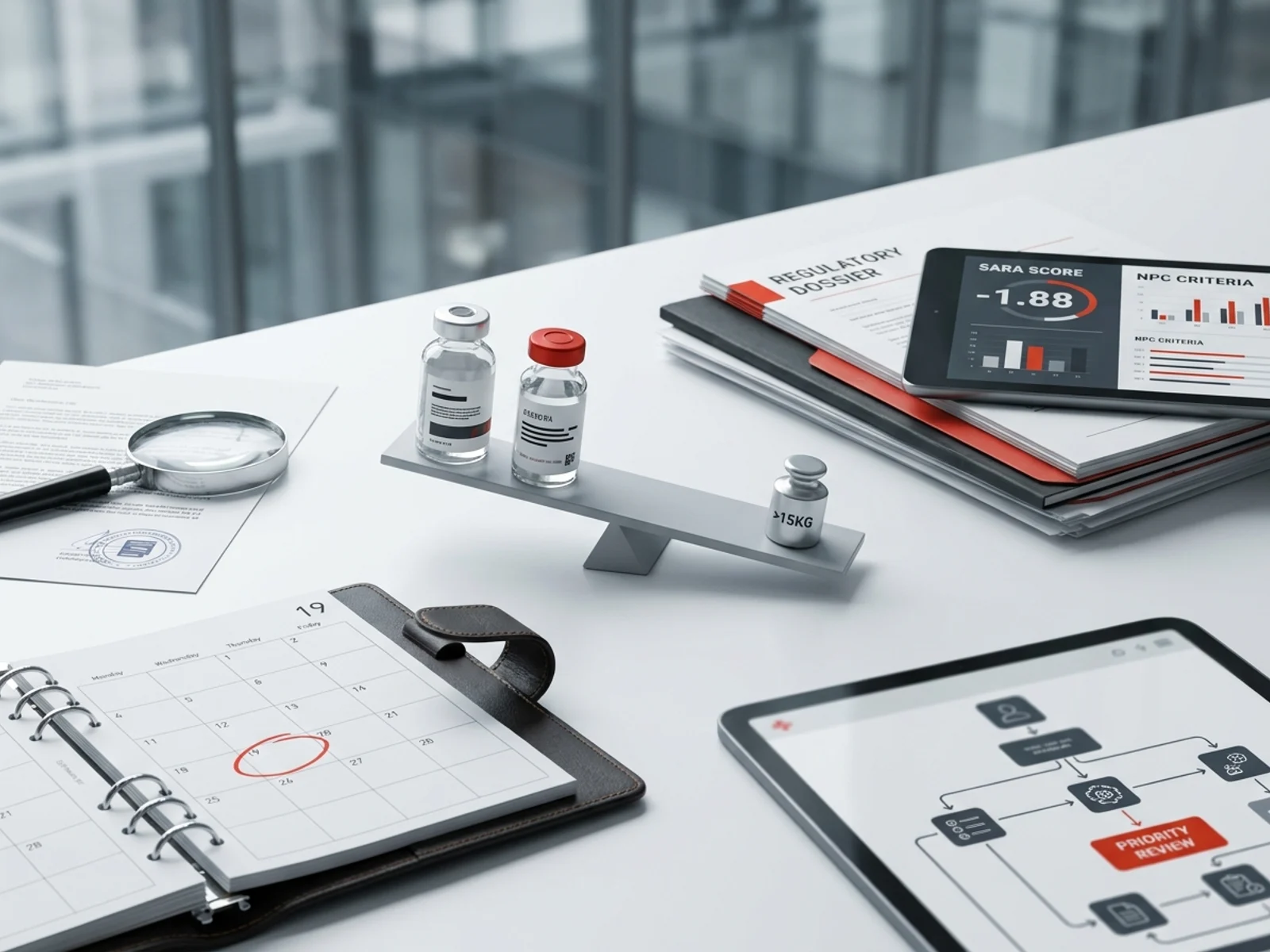
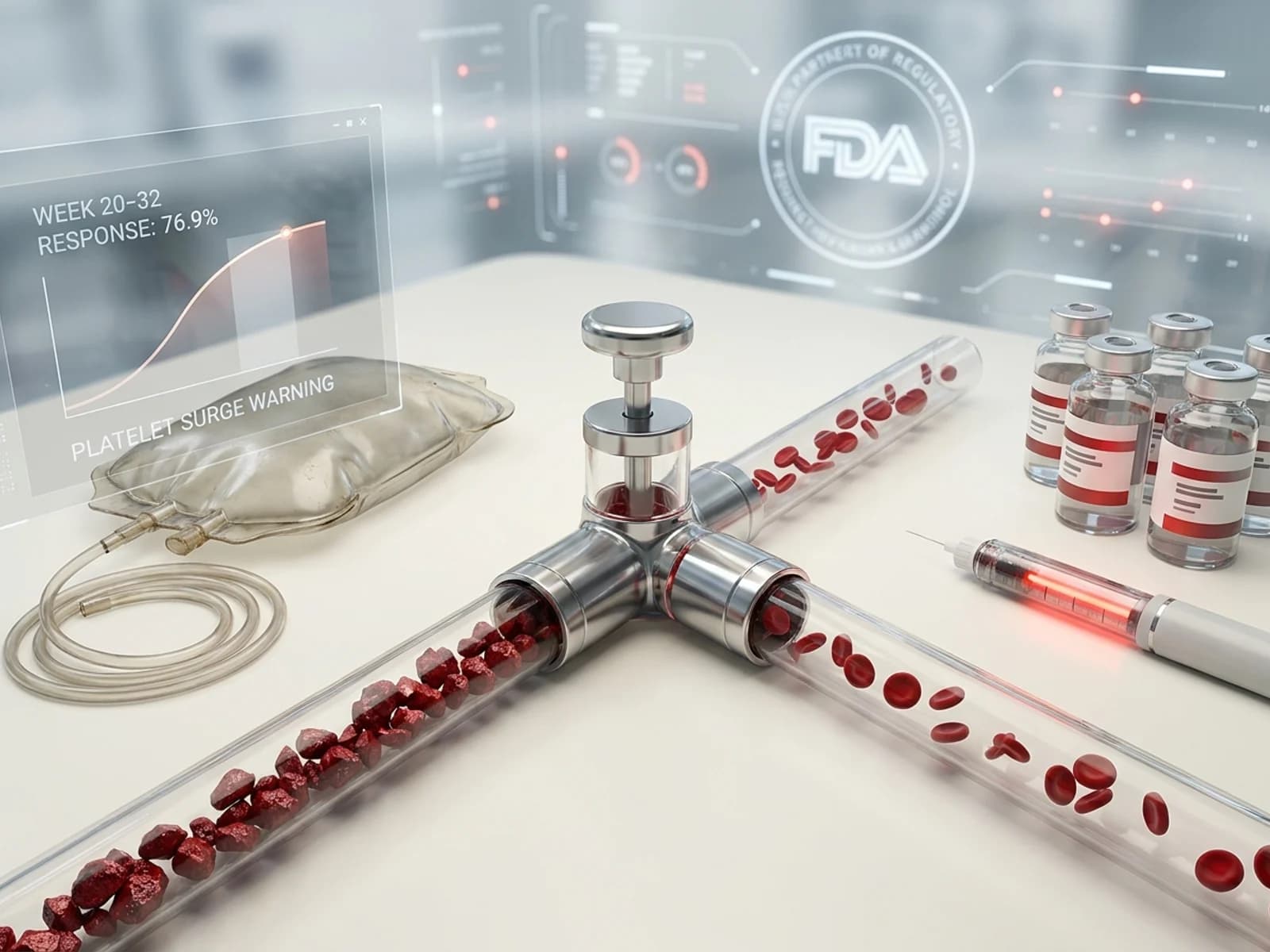
The pivotal Phase 2/3 ENERGY trial demonstrated a 16.0 percentage-point absolute advantage on durable response, but the gMG-like every-2-weeks dose failed. In the pivotal trial, the recommended dose of 30 mg/kg every 4 weeks (q4w) achieved a durable hemoglobin response rate of 23.7% (9/38) compared to 7.7% (3/39) for placebo (one-sided p=0.015). Crucially, the alternative arm evaluating 15 mg/kg every 2 weeks (q2w)—the exact maintenance schedule used in gMG—did not achieve a higher durable response rate than placebo.
The labeled wAIHA schedule directly collides with gMG maintenance dosing. While gMG dosing requires 30 mg/kg loading followed by 15 mg/kg q2w, wAIHA dosing mandates 30 mg/kg loading followed by 30 mg/kg q4w. A payer prior authorization (PA) policy cloned from gMG will mandate the wrong administration interval, wrong dose volume, and irrelevant neurologic antibody criteria (anti-AChR or anti-MuSK).
HCPCS code J9256 is a billing unit for the vial, not an automatic coverage grant. The Centers for Medicare & Medicaid Services (CMS) established J9256 (Injection, nipocalimab-aahu, 3 mg) during Imaavy's initial gMG launch. While the physical vials (300 mg/1.62 mL and 1,200 mg/6.5 mL) remain identical, reimbursement for wAIHA requires specific hematologic ICD-10 diagnosis codes (such as D59.11) and updated payer coverage determinations.
IMAAVY (NIPOCALIMAB-AAHU) REGULATORY & ACCESS COMPARISON
| Dimension | Generalized Myasthenia (gMG) | Warm Autoimmune Hemolytic Anemia |
|---|---|---|
| FDA Approval Date | April 29, 2025 (ORIG-1) | August 24, 2026 (SUPPL-2) |
| Labeled Indication | Adults & pediatrics ≥12 yrs | Adults & pediatrics ≥12 yrs with |
| anti-AChR or anti-MuSK (+) | wAIHA currently/previously treated | |
| with corticosteroids | ||
| Loading Dose | 30 mg/kg IV once | 30 mg/kg IV once |
| Maintenance Schedule | 15 mg/kg IV every 2 weeks | 30 mg/kg IV every 4 weeks (q4w) |
| Alternative Dose Outcome | 15 mg/kg q2w approved | 15 mg/kg q2w failed vs. placebo |
| Pediatric Scope | Adults & 12+ (PK/safety) | Adults & 12+ (adult trial + PK) |
| Pivotal Trial | Vivacity-MG3 (NCT04951622) | ENERGY (NCT04119050) |
| HCPCS Billing Code | J9256 (3 mg per unit) | J9256 (same 3 mg billing unit) |
| Primary PA Gate | Serology (AChR/MuSK) + MG-ADL | Steroid current/prior (Ind. 1.2) |
Below, we analyze the official FDA label (BLA 761430/S-002), dissect the primary data from Table 7 of the prescribing information, examine the pediatric pharmacokinetic bridging rationale under Section 8.4, and provide a clear operational roadmap for pharmacy, P&T, and revenue-cycle teams navigating the J9256 billing crosswalk.
Indication Scope: Why "First Approved Treatment" Is Not First-Line
The cornerstone of the FDA's August 24 decision is the text of Indication 1.2. The label explicitly restricts use:
"IMAAVY is indicated for the treatment of warm autoimmune hemolytic anemia (wAIHA) in adults and pediatric patients 12 years of age and older who have been currently or previously treated with corticosteroids."
This phrasing is deliberate. Off-label corticosteroids remain the usual first treatment for newly diagnosed wAIHA; the FDA label does not convert that practice into an all-comers, steroid-naive indication. The labeled population is patients who are currently or previously treated with corticosteroids.
┌──────────────────────────────────────────────────────────────────────────────────────────────┐
│                           wAIHA CLINICAL & ACCESS SEQUENCING ARCHITECTURE                    │
├──────────────────────────────────────────────────────────────────────────────────────────────┤
│                                                                                              │
│   [ Newly Diagnosed wAIHA Patient ]                                                          │
│                 │                                                                            │
│                 ▼                                                                            │
│   [ Usual first-line practice: systemic corticosteroids ]                                    │
│                 │                                                                            │
│        ┌────────┴────────────────────────────────────────┐                                   │
│        ▼                                                 ▼                                   │
│   [ Sustained Remission / Taper ]             [ Steroid Refractory / Intolerant / Dependent] │
│   (Observation / Maintenance)                            │                                   │
│                                                          ▼                                   │
│                                           [ Labeled Imaavy Eligibility Gate ]                │
│                                           (BLA 761430/S-002: Indication 1.2)                 │
│                                                          │                                   │
│                                     ┌────────────────────┴────────────────────┐              │
│                                     ▼                                         ▼              │
│                        [ Prior Authorization Path A ]           [ Prior Authorization Path B ]│
│                        Direct Add-on / Switch to Imaavy         Payer Step-Through Rituximab  │
│                        • 30 mg/kg load + 30 mg/kg q4w           • Off-label anti-CD20 trial   │
│                        • Concomitant steroid taper              • Required by restrictive PA  │
│                                                                                              │
└──────────────────────────────────────────────────────────────────────────────────────────────┘
By embedding prior or concurrent corticosteroid treatment into the indication, the FDA established a formal regulatory gateway that payers will strictly enforce:
Steroid-Naive Denials: Indication 1.2 requires current or prior corticosteroid treatment. Plans that copy that gate will deny steroid-naive starts; some may still add a stricter failure, intolerance, or dependence edit that the label does not require.
The Rituximab Step-Therapy Question: Prior to Imaavy's approval, second-line management almost universally consisted of off-label rituximab (anti-CD20), followed by splenectomy or non-specific immunosuppressive agents (azathioprine, mycophenolate mofetil, cyclosporine). Because rituximab was never FDA-approved for wAIHA, Imaavy represents the only on-label second-line biologic. However, market-access teams must anticipate that some commercial PBMs will attempt to construct step-therapy protocols requiring an off-label trial of generic/biosimilar rituximab prior to approving Imaavy.
Trial Population Context: In the pivotal ENERGY study (Table 6 of the label), 89.5% of patients in the recommended Imaavy arm were receiving concomitant corticosteroids at baseline, and 42.1% had previously received rituximab (compared to 87.2% and 48.7% in the placebo arm, respectively). The median baseline hemoglobin across the cohorts was 9.3 g/dL for Imaavy versus 9.1 g/dL for placebo. Imaavy was evaluated predominantly as an add-on therapy in actively treated, refractory patients, not as steroid-free monotherapy.
ENERGY Trial Deep Dive: Table 7 Numbers and the Failed q2w Arm
To assess the clinical strength of the approval, access teams must review the primary data presented in Table 7 of the prescribing information (BLA 761430/S-002, Reference ID: 5857795), derived from the Phase 2/3 ENERGY trial (NCT04119050).
Discrepancy in Published Randomization Counts
In its official public release, sponsor Johnson & Johnson described ENERGY as a pivotal study that randomized 115 adult patients (1:1:1) across three arms. In contrast, the FDA's official approval announcement (content current as of August 25, 2026) states that 118 patients were randomized. Editorial accuracy requires reporting both primary figures transparently; such slight variances typically reflect discrepancies between the total randomized intent-to-treat (ITT) population and the safety/evaluable efficacy populations in final agency data datasets.
The Primary Endpoint: Durable Hemoglobin Response
The pivotal efficacy endpoint was the proportion of patients achieving a durable hemoglobin response, defined strictly as:
Achieving a hemoglobin level of at least 10 g/dL; and
Achieving at least a 2 g/dL increase in hemoglobin from baseline;
Maintained for at least three consecutive scheduled visits over a minimum period of 28 days;
With criteria met starting by Week 16;
Any patient requiring rescue therapy (such as blood transfusions, increased corticosteroid doses, or intravenous immunoglobulin) or discontinuing study treatment prior to meeting the criteria was classified as a non-responder.
ENERGY TRIAL (NCT04119050) TABLE 7 PIVOTAL EFFICACY RESULTS
| Endpoint / Parameter | Imaavy 30 mg/kg q4w (N = 38) | Placebo Arm (N = 39) | Difference (95% CI) |
|---|---|---|---|
| Durable Hemoglobin Responders, n (%) 1-Sided p-value (vs. Placebo) Pre-specified Alpha Threshold | 9 (23.7%) p = 0.015 α = 0.02499 | 3 (7.7%) — — | +16.0% (0.1, 31.9) — — |
| FACIT-Fatigue LS Mean Change (Wk 24) | +3.51 vs. Placebo | Baseline Ref. | +3.51 (0.64, 6.39) |
| Labeled Dosing Regimen | 30 mg/kg Load + q4w | Matching Placebo | FDA Approved |
| Failed Evaluation Arm (15 mg/kg q2w) | Did NOT beat placebo | Matching Placebo | NOT Approved |
Absolute vs. Relative Interpretation
While promotional summaries emphasize that Imaavy achieved "more than three times the response rate of placebo" (9/38 versus 3/39 is about a 3-fold relative difference), clinical evaluators must focus on the absolute numbers:
Absolute Difference: The absolute response rate was 23.7% (9 out of 38 patients) in the Imaavy 30 mg/kg q4w arm versus 7.7% (3 out of 39 patients) in the placebo arm. This yields a treatment difference of 16.0 percentage points with a 95% confidence interval of 0.1 to 31.9 percentage points.
Statistical Significance: The one-sided p-value was 0.015, which met the pre-specified significance threshold (alpha = 0.02499). The FDA consumer page rounds these figures to 24% versus 8%.
Quality of Life Impact: Patient-reported fatigue, measured by the Functional Assessment of Chronic Illness Therapy-Fatigue (FACIT-Fatigue) scale, showed a least-squares (LS) mean difference of 3.51 points (95% CI: 0.64 to 6.39) favoring Imaavy over placebo at Week 24.
The Non-Responder Reality: In absolute terms, 76.3% of patients receiving the recommended dose did not achieve the formal durable hemoglobin response criteria. While many experienced transient hemoglobin elevations, the strict definition excluded those who required rescue interventions or had fluctuating titers. Payers will cite this 23.7% baseline when establishing continuation-of-therapy criteria.
Why the 15 mg/kg Every-2-Weeks Arm Failed
A critical finding disclosed in the FDA's approval documentation is that the third study arm—evaluating 15 mg/kg every 2 weeks (q2w)—failed to demonstrate superior durable hemoglobin response rates over placebo.
The FDA public summary states that the 15 mg/kg every-2-weeks arm did not lead to a higher durable-response proportion than placebo. The posted S-002 label reports efficacy for the recommended 30 mg/kg every-4-weeks regimen in Table 7 and does not provide a mechanistic explanation for why the gMG-like schedule failed. Access teams should treat the failed arm as a labeled-schedule fact: a gMG policy that authorizes 15 mg/kg every 2 weeks is not the wAIHA regimen FDA approved.
The Schedule Collision: Why Cloning a gMG Policy Fails
For health-system pharmacy informatics and health-plan utilization management teams, the single greatest operational hazard of the August 24 approval is the schedule collision between gMG and wAIHA.
┌──────────────────────────────────────────────────────────────────────────────────────────────┐
│                         IMAAVY INDICATION-SPECIFIC DOSING COLLISION                          │
├──────────────────────────────────────────────────────────────────────────────────────────────┤
│                                                                                              │
│   [ BLA 761430: Imaavy (nipocalimab-aahu) 300 mg / 1,200 mg Vials ]                          │
│                                     │                                                        │
│             ┌───────────────────────┴───────────────────────┐                                │
│             ▼                                               ▼                                │
│   [ Table 1: Section 2.2 (gMG) ]                  [ Table 2: Section 2.3 (wAIHA) ]           │
│   • Loading: 30 mg/kg IV once                     • Loading: 30 mg/kg IV once                │
│   • Maintenance: 15 mg/kg IV every 2 weeks        • Maintenance: 30 mg/kg IV every 4 weeks   │
│             │                                               │                                │
│             ▼                                               ▼                                │
│   [ gMG Infusion Profile: 70 kg Patient ]         [ wAIHA Infusion Profile: 70 kg Patient ]  │
│   • Load: 2,100 mg (700 units J9256)              • Load: 2,100 mg (700 units J9256)         │
│   • Maint: 1,050 mg (350 units) / 14 days         • Maint: 2,100 mg (700 units) / 28 days    │
│   • Annual Infusions: 26                          • Annual Infusions: 13                     │
│                                                                                              │
│   [ CRITICAL PA FAILURE MODE ]                                                               │
│   If a payer clones its gMG policy onto wAIHA, authorization claims will error:              │
│   ✖ Auto-denying 2,100 mg maintenance doses as "exceeding max allowable unit limit"          │
│   ✖ Auto-denying every-4-week billing as "incorrect dosing frequency"                        │
│   ✖ Demanding AChR/MuSK antibody labs and MG-ADL clinical scores                             │
│                                                                                              │
└──────────────────────────────────────────────────────────────────────────────────────────────┘
As detailed in our foundational overview of the Imaavy gMG access landscape, gMG therapy is engineered around a 14-day cycle. In wAIHA, however:
Volume and Vial Utilization: A 70 kg adult patient receiving maintenance therapy for gMG requires 1,050 mg (350 HCPCS billing units of J9256) every 14 days. The exact same 70 kg patient receiving maintenance therapy for wAIHA requires 2,100 mg (700 HCPCS billing units) every 28 days.
Claim Edit Rejections: Payer claims adjudication engines utilize automated dose-frequency edits. If a wAIHA claim is submitted with 700 units of J9256 every 28 days under an un-updated medical policy that only permits 350 units every 14 days, the claim will automatically fail electronic adjudication, triggering claim denials and patient billing holds.
Site-of-Care and Scheduling Disruption: Hospital infusion suites and ambulatory infusion centers (AICs) must schedule wAIHA patients for 13 infusions per year rather than 26 infusions per year.
HCPCS Code J9256: Buy-and-Bill Mechanics and Coverage Realities
During the initial commercialization of Imaavy in 2025, CMS established a permanent, product-specific Healthcare Common Procedure Coding System (HCPCS) Level II code:
HCPCS Code: J9256
Long Descriptor: Injection, nipocalimab-aahu, 3 mg
Unit of Measure: 3 mg per 1 billing unit
Available Package Configurations:
Single-dose vial: 300 mg / 1.62 mL (185 mg/mL); NDC 57894-800-01
Single-dose vial: 1,200 mg / 6.5 mL (185 mg/mL); NDC 57894-801-01
As analyzed in our guide on J-code timing and buy-and-bill billing risks, having a permanent J-code eliminates the dreaded "miscellaneous code" (J3590 / C9399) purgatory that typically delays reimbursement during the first two quarters of launch. Because J9256 is already live in CMS and commercial payer fee schedules, providers do not have to wait for a new coding cycle.
┌──────────────────────────────────────────────────────────────────────────────────────────────┐
│                       J9256 BUY-AND-BILL CODING & REIMBURSEMENT WORKFLOW                     │
├──────────────────────────────────────────────────────────────────────────────────────────────┤
│                                                                                              │
│   [ Patient Weight: 70 kg ] ──► [ Labeled 30 mg/kg dose = 2,100 mg ]                         │
│                                                │                                             │
│                                                ▼                                             │
│   [ HCPCS Billing Unit Conversion ] ──► 2,100 mg ÷ 3 mg/unit = 700 Units J9256               │
│                                                │                                             │
│                                                ▼                                             │
│   [ CMS-1500 / UB-04 Claim Line Configuration ]                                              │
│   • Line 1: HCPCS J9256 x 700 Units                                                          │
│   • Line 2: Primary ICD-10-CM Diagnosis: D59.11 (Warm autoimmune hemolytic anemia)           │
│   • Line 3: NDC 57894-801-01 (1,200 mg vial) and/or NDC 57894-800-01 (300 mg vial)           │
│   • Line 4: Prior Authorization Number (Specific to wAIHA Medical Policy)                    │
│                                                │                                             │
│                                                ▼                                             │
│   [ Payer Adjudication Engine Checks ]                                                       │
│   ✔ Is J9256 crosswalked to ICD-10 D59.11 in the payer's medical coverage database?          │
│   ✔ Does authorization verify prior corticosteroid trial (Indication 1.2)?                   │
│   ✔ Is frequency verified as every 4 weeks (wAIHA) rather than every 2 weeks (gMG)?          │
│                                                                                              │
└──────────────────────────────────────────────────────────────────────────────────────────────┘
However, a billing code is not a coverage policy:
Diagnosis-Code Edits: Many Medicare Administrative Contractors (MACs) and commercial payers enforce strict automated diagnosis-to-procedure code tables. Until payers update their local coverage determinations (LCDs) and commercial coverage bulletins to pair J9256 with ICD-10 D59.11 (Warm autoimmune hemolytic anemia), claims will reject.
Site-of-Care Steerage: As noted in our review of site-of-care edits across specialty biologics, major payers like UnitedHealthcare, Elevance (Anthem), and Cigna actively mandate diversion of IV biologic infusions away from high-cost Hospital Outpatient Departments (HOPDs) toward Ambulatory Infusion Centers (AICs) or home infusion. Because Imaavy for wAIHA is administered once every 4 weeks, health plans will aggressively enforce home-infusion or independent-center site-of-care mandates.
Pediatric 12+ Scope: Adult Trial Data Plus Pharmacokinetic Extrapolation
A key point of confusion in early reporting is whether the ENERGY study enrolled adolescents. The label clarifies this regulatory structure under Section 8.4 (Pediatric Use):
"The safety and effectiveness of IMAAVY for the treatment of warm autoimmune hemolytic anemia (wAIHA) have been established in pediatric patients 12 years of age and older who have been currently or previously treated with corticosteroids. Use of IMAAVY for this indication is supported by evidence from an adequate and well-controlled study in adults with wAIHA with additional pharmacokinetic data in pediatric patients 12 years of age and older."
Section 14.2 of the prescribing information is explicitly titled "Adults with wAIHA". The efficacy conclusions in Table 7 are derived from adult clinical data. The expansion to adolescents aged 12 to 17 relies on additional pharmacokinetic data in pediatric patients 12 years of age and older, as stated in Section 8.4—not on a dedicated adolescent efficacy cohort in ENERGY.
For pediatric hematologists and hospital access teams:
Patients Aged 12 to 17: Eligible for on-label treatment provided they have prior corticosteroid exposure.
Patients Under 12 Years of Age: The label states that the safety and effectiveness of IMAAVY in pediatric patients younger than 12 years of age have not been established. Use below age 12 is off-label.
Safety, Infection Burden, and Immune Monitoring
Because nipocalimab-aahu lowers circulating IgG, clinicians and payers must account for infection risk. The wAIHA label reports a reduction in total IgG and anti-RBC IgG relative to baseline; it does not publish a 70% to 80% steady-state reduction figure for this indication.
SAFETY & INFECTION PROFILE IN wAIHA CLINICAL STUDIES
| Safety Parameter | Reported Clinical Frequency (Label Section 5.1 & 6.1) |
|---|---|
| Double-Blind Period Infections | 35 of 78 (45%) Imaavy-treated patients |
| Total Infection Events (DB Period) | 52 infection events |
| Extension Phase Overall Infections | 80 of 113 (71%) patients over DB + open-label extension |
| Serious Infection Rate | 12% of 113 Imaavy-treated patients including extension |
| Most Common Adverse Reactions (≥10%) | Peripheral edema, diarrhea, pyrexia |
Infection Incidence: During the 24-week double-blind period of the wAIHA clinical trial, 45% (35/78) of Imaavy-treated patients experienced an infection, totaling 52 infection events. Across the combined double-blind and open-label extension periods, 71% (80/113) experienced an infection, and 12% experienced serious infections.
Class Warnings (Section 5.1): Similar to gMG labeling, the wAIHA label includes warnings regarding serious infections. Clinicians must delay initiating Imaavy in patients with active severe infections and monitor patients closely during therapy.
Immunization Timing: Live vaccines are not recommended during Imaavy treatment. The label instructs clinicians to evaluate age-appropriate vaccines according to immunization guidelines before initiation; it does not specify a 2- to 4-week pre-treatment window.
Strategic Playbook for P&T, Market Access, and Pharmacy Teams
To operationalize the August 24 approval without incurring revenue-cycle disruptions or administrative denials, healthcare stakeholders should execute the following checklist:
HEALTH SYSTEM & PAYER OPERATIONAL ROADMAP
| Stakeholder | Priority Action Items |
|---|---|
| P&T Committees | 1. Add Imaavy (BLA 761430/S-002) to formulary with wAIHA criteria. 2. Require documented current or prior corticosteroid treatment. 3. Restrict pediatric use to age ≥12 years; block auto-orders <12 yrs. |
| Pharmacy IT & EHR (Epic / Cerner) | 1. Build distinct wAIHA order sets: 30 mg/kg load, then 30 mg/kg q4w. 2. Decouple wAIHA order sets from gMG order sets (15 mg/kg q2w). 3. Keep q4w 30 mg/kg claims off gMG 15 mg/kg q2w frequency edits. |
| Revenue Cycle & Billing | 1. Configure J9256 billing crosswalk to accept ICD-10 D59.11. 2. Set claim unit threshold to 700+ units for monthly 30 mg/kg infusions. 3. Obtain written prior authorization specifically referencing wAIHA. |
| Commercial Payers & PBMs | 1. Publish dedicated wAIHA medical policy rather than editing gMG rules. 2. Define reauthorization: require objective Hb increase ≥2 g/dL or sustained Hb ≥10 g/dL, plus reduction in steroid dependence. |
As Johnson & Johnson continues to expand its broader immunology pipeline—contextualized in our J&J portfolio dossier on post-Stelara biosimilar dynamics—nipocalimab represents the vanguard of FcRn competition across multiple autoantibody-driven specialty indications.
Frequently Asked Questions
Did FDA approve Imaavy as first-line therapy for all adults with wAIHA?
No. Under Section 1.2 of the FDA label (BLA 761430/S-002), Imaavy is indicated exclusively for patients who are currently or previously treated with corticosteroids. It is not approved for steroid-naive patients. Payer prior authorization policies that follow the label will require documentation of current or prior steroid treatment, not an extra failure-or-intolerance test unless the plan writes one.
Can an infuser bill J9256 for wAIHA without waiting for a new J-code?
Yes. HCPCS code J9256 (Injection, nipocalimab-aahu, 3 mg) was established by CMS in 2025 and applies to the marketed physical vials (300 mg and 1,200 mg). Providers can bill J9256 immediately for wAIHA; however, claims must be paired with appropriate wAIHA diagnosis codes (e.g., ICD-10 D59.11) and pre-authorized under a wAIHA-specific medical policy.
Did the gMG-like every-2-weeks dose succeed in the ENERGY wAIHA trial?
No. In the pivotal Phase 2/3 ENERGY study, the 15 mg/kg every-2-weeks arm—which mirrors the approved maintenance regimen for gMG—failed to achieve a higher durable hemoglobin response rate than placebo. The FDA approved only the 30 mg/kg every-4-weeks (q4w) regimen for wAIHA.
Were pediatric patients 12 and older enrolled in the pivotal efficacy trial?
No. Section 14.2 of the FDA label specifies that the pivotal trial enrolled adult patients. The pediatric approval for patients 12 years of age and older is supported by adult efficacy and safety data plus additional pharmacokinetic data in pediatric patients 12 years of age and older, as outlined in Section 8.4.
Sources
U.S. Food and Drug Administration. FDA Approves First Drug for Warm Autoimmune Hemolytic Anemia. FDA News & Events. Content current as of August 25, 2026. https://www.fda.gov/drugs/news-events-human-drugs/fda-approves-first-drug-warm-autoimmune-hemolytic-anemia.
U.S. Food and Drug Administration / Janssen Biotech, Inc. IMAAVY (nipocalimab-aahu) injection, for intravenous use: Prescribing Information (BLA 761430/S-002). Reference ID: 5857795. August 24, 2026. https://www.accessdata.fda.gov/drugsatfda_docs/label/2026/761430s002lbl.pdf.
U.S. Food and Drug Administration. Drugs@FDA: BLA 761430 (IMAAVY). Approval History and Supplement Tracking. https://www.accessdata.fda.gov/scripts/cder/daf/index.cfm?event=overview.process&ApplNo=761430.
Johnson & Johnson. FDA approves IMAAVY (nipocalimab-aahu) as first-ever treatment for warm autoimmune hemolytic anemia (wAIHA), representing a landmark advancement for patients. Regulatory Release. August 24, 2026. https://www.jnj.com/media-center/press-releases/fda-approves-imaavy-nipocalimab-aahu-as-first-ever-treatment-for-warm-autoimmune-hemolytic-anemia-waiha-representing-a-landmark-advancement-for-patients.
National Institutes of Health / ClinicalTrials.gov. A Study of Nipocalimab in Adults With Warm Autoimmune Hemolytic Anemia (ENERGY). ClinicalTrials.gov Identifier: NCT04119050. https://www.clinicaltrials.gov/study/NCT04119050.
Centers for Medicare & Medicaid Services (CMS). HCPCS Application Summary: Quarter 3, 2025 Drugs and Biologicals (J9256). CMS Healthcare Common Procedure Coding System. https://www.cms.gov/files/document/2025-hcpcs-application-summary-quarter-3-2025-drugs-biologicals.pdf.