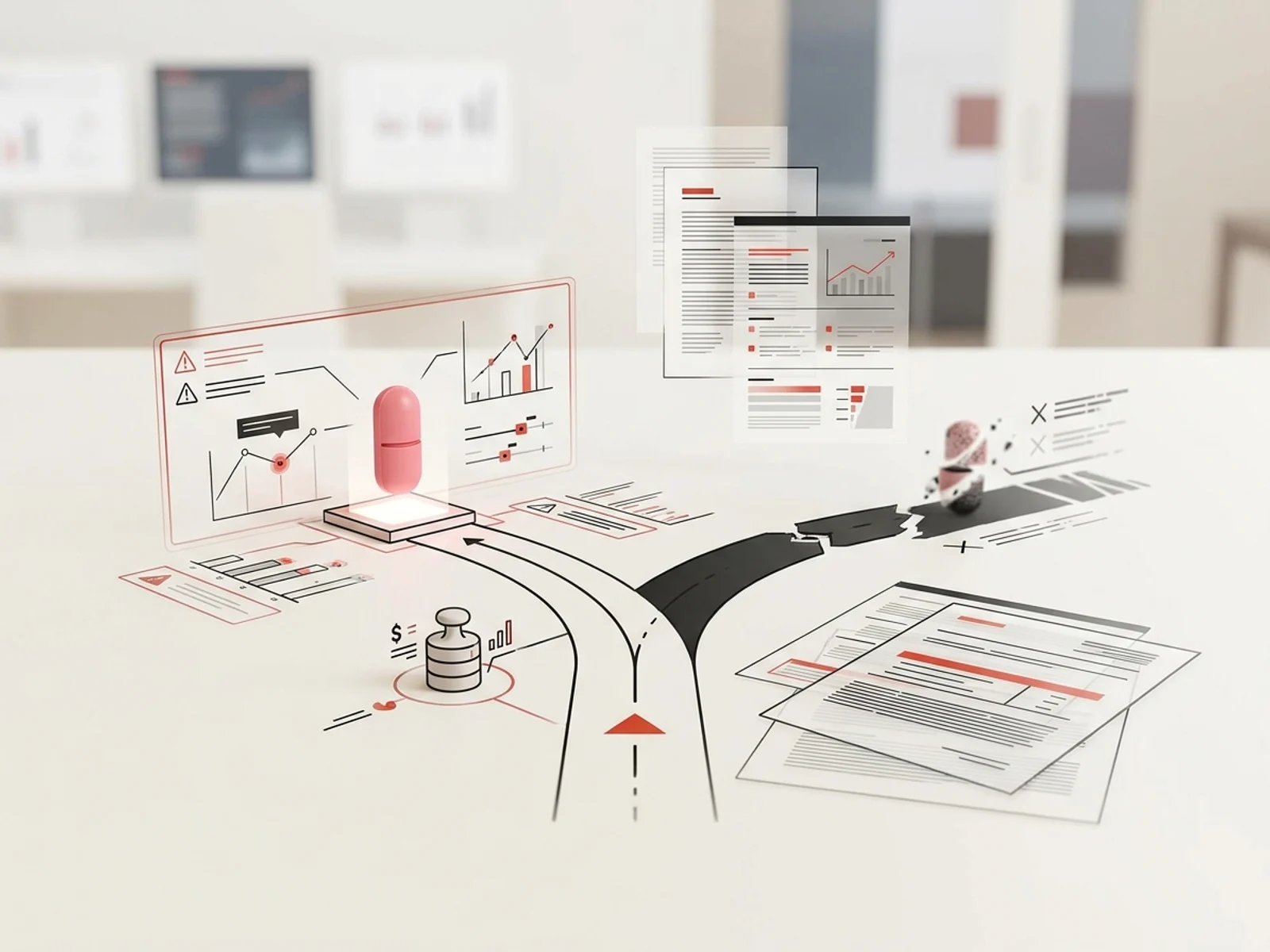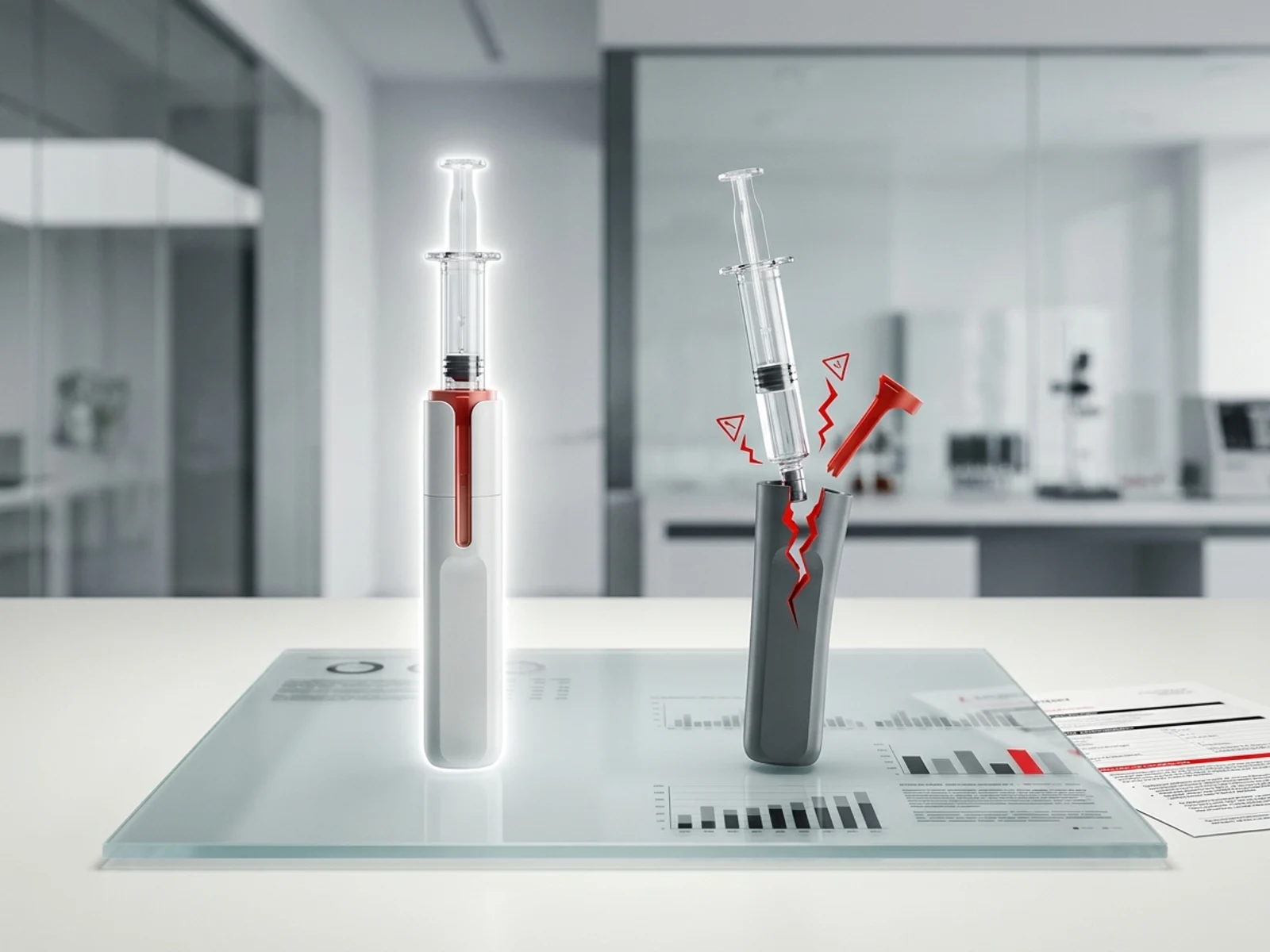
Hidradenitis suppurativa (HS)—a chronic, inflammatory, debilitating follicular skin disease characterized by painful deep-seated nodules, abscesses, draining sinus tracts, and extensive dermal scarring—represents one of the most economically dynamic indications in specialty dermatology. For Pharmacy and Therapeutics (P&T) committees, health-plan medical directors, dermatology practice managers, and market-access teams structuring 2026 and 2027 formulary guidelines, HS serves as the ultimate case study in what biosimilar competition delivers, where it completely stalls, and how pipeline innovations upend established clinical pathways.
The therapeutic landscape for moderate-to-severe hidradenitis suppurativa currently centers on three FDA-approved targeted biologics:
Adalimumab (Humira): The pioneering anti-tumor necrosis factor (TNF) monoclonal antibody, approved for HS on September 10, 2015.
Secukinumab (Cosentyx): The first interleukin-17A (IL-17A) inhibitor approved for adults with HS on October 31, 2023, and expanded to pediatric patients aged 12 and older on March 13, 2026.
Bimekizumab (Bimzelx): The first dual interleukin-17A and interleukin-17F (IL-17A/F) inhibitor approved for adults with HS on November 20, 2024.
                    [ Hidradenitis Suppurativa Biologic & Oral Hierarchy ]
                                              |
       ---------------------------------------------------------------------------------
      |                                        |                                        |
[ 1. Biosimilarized TNF Tier ]       [ 2. Brand-Exclusive IL-17 Tier ]        [ 3. Emerging Oral Tier ]
Adalimumab (10 Biosimilars)          Cosentyx (IL-17A, BLA 125504)            Povorcitinib (Oral JAK1)
- 8 Interchangeable BLAs             - Adult + Age 12+ Expanded               - NDA Under FDA Review
- 6.9x Price Spread ($490-$3,372)    - Zero Licensed Biosimilars              - Phase 3 Published (Jul 2026)
- Branded ($3,186) vs                Bimzelx (IL-17A/F, BLA 761151)           Sonelokimab (IL-17A/F Nanobody)
  Unbranded ($639) Split             - Zero Licensed Biosimilars              - BLA Planned Sept 2026
However, the commercial realities governing these three agents could not be more divergent. In the FDA Purple Book, adalimumab is surrounded by 10 licensed 351(k) biosimilar applications (eight of which carry interchangeable designation), whereas secukinumab and bimekizumab face zero licensed biosimilars.
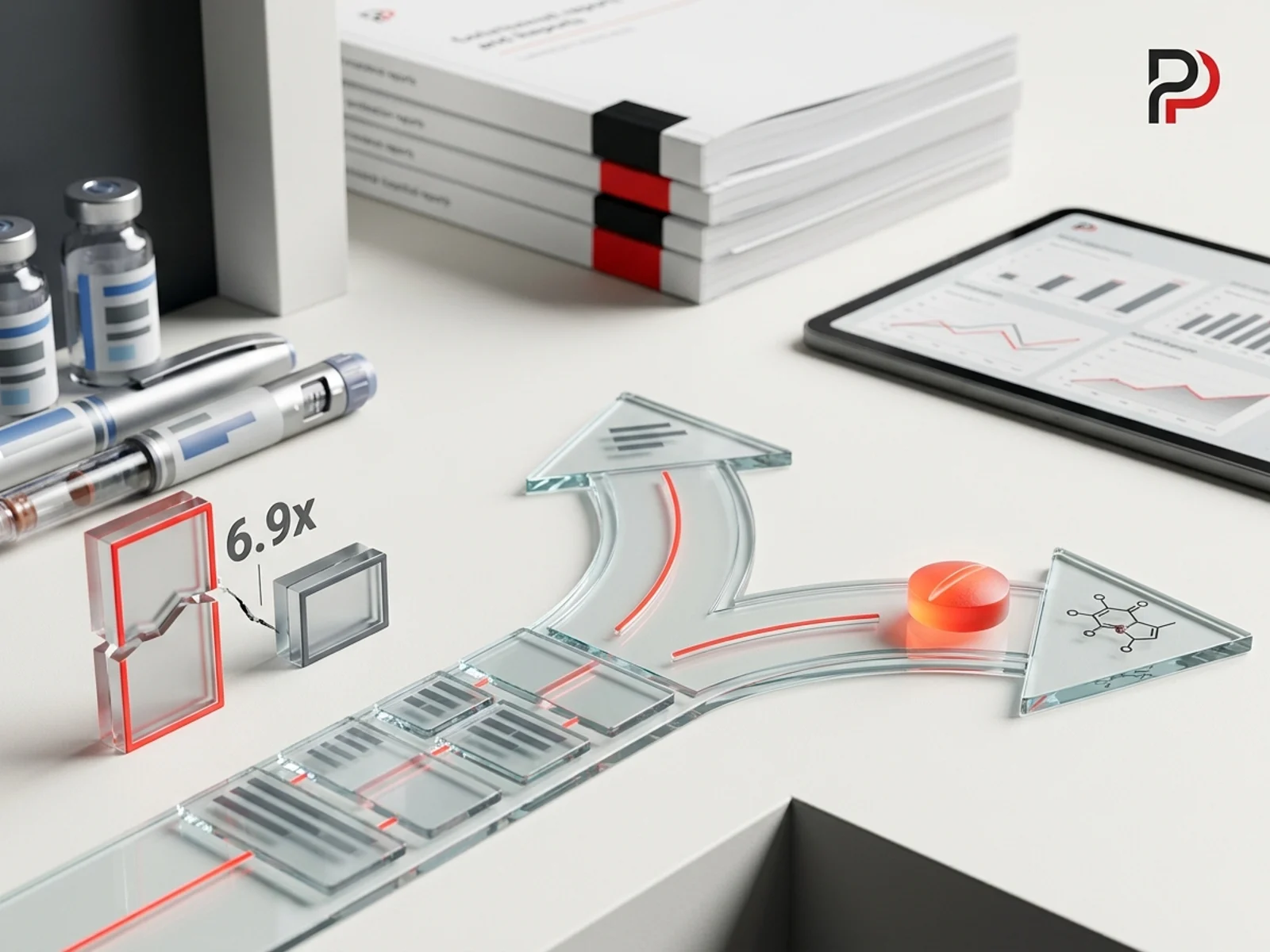
In CMS National Average Drug Acquisition Cost (NADAC) data (effective July 22, 2026), the acquisition price for a single 40 mg dose of adalimumab ranges from $489.56 to $3,371.95—a 6.9-fold spread for the identical active molecule. Because the FDA-approved maintenance schedule for hidradenitis suppurativa requires 40 mg weekly (52 doses annually) rather than the standard every-other-week schedule used in rheumatoid arthritis or plaque psoriasis, that pricing spread compounds into an annual acquisition cost difference of roughly $25,457 versus $175,069 per patient.
Meanwhile, the next major disruption is moving through the FDA pipeline: povorcitinib, an oral selective Janus kinase 1 (JAK1) inhibitor with pivotal Phase 3 STOP-HS1 and STOP-HS2 data published in Nature Medicine on July 23, 2026, has a New Drug Application (NDA) under active review, threatening to introduce the first oral targeted disease-modifying therapy to a market previously limited to subcutaneous biologics.
This dossier provides a comprehensive regulatory, economic, and clinical analysis of the hidradenitis suppurativa treatment access landscape in 2026. Drawing on empirical datasets from the FDA Purple Book, CMS NADAC files, DailyMed labeling, and pivotal Phase 3 trial evidence, we quantify per-dose and annual acquisition costs, expose the branded-versus-unbranded biosimilar pricing divide, clarify comparative efficacy realities, and outline strategic formulary recommendations for 2027.
Which treatments are actually FDA-approved for hidradenitis suppurativa, and when was each added?
The FDA approval chronology for hidradenitis suppurativa reflects a decade of gradual expansion from a single TNF monopoly to a diversified multi-mechanism biologic class:
| Drug Name & Proprietary Brand | Sponsor | BLA Number & Type | Mechanism of Action | Original HS Approval Date | Approved Patient Population |
|---|---|---|---|---|---|
| Adalimumab (Humira) | AbbVie | BLA 125057 (351(a) Reference) | Tumor Necrosis Factor-alpha (TNF-α) Blocker | Sep 10, 2015 (s393) | Adults and pediatric patients 12 years and older (weight at least 30 kg) |
| Secukinumab (Cosentyx) | Novartis | BLA 125504 (351(a) Reference) | Interleukin-17A (IL-17A) Inhibitor | Oct 31, 2023 (Adults) Mar 13, 2026 (Pediatric) | Adults and pediatric patients 12 years and older (weight at least 30 kg) |
| Bimekizumab-bkzx (Bimzelx) | UCB Inc | BLA 761151 (351(a) Reference) | Dual Interleukin-17A and Interleukin-17F (IL-17A/F) Inhibitor | Nov 20, 2024 | Adults with moderate-to-severe hidradenitis suppurativa |
1. Adalimumab (Humira, 2015)
For over eight years following its September 10, 2015 approval (FDA supplement 125057orig1s393), Humira was the only FDA-approved biologic for moderate-to-severe HS. Supported by the Phase 3 PIONEER I and PIONEER II trials (633 total patients), adalimumab demonstrated superior HiSCR50 (Hidradenitis Suppurativa Clinical Response, defined as a 50% or greater reduction in total inflammatory nodule and abscess count with no increase in abscess or draining fistula counts) at week 12 compared to placebo.
2. Secukinumab (Cosentyx, 2023 & 2026)
On October 31, 2023, the FDA approved Cosentyx based on two identical 52-week Phase 3 trials: SUNSHINE and SUNRISE, enrolling 1,084 patients. Cosentyx established the IL-17 pathway as an effective alternative for patients refractory to TNF inhibitors.
On March 13, 2026, the FDA approved a label expansion extending Cosentyx to pediatric patients aged 12 and older weighing at least 30 kg. Supported by pharmacokinetic modeling and extrapolation from well-controlled adult HS studies and pediatric data in other Cosentyx indications, Cosentyx became the only IL-17A inhibitor indicated for adolescent HS. For complete details on benefit routing and prior authorization across all six approved indications, see our dedicated Cosentyx access guide.
3. Bimekizumab (Bimzelx, 2024)
On November 20, 2024, the FDA approved Bimzelx for adults with moderate-to-severe HS based on the Phase 3 BE HEARD I and BE HEARD II studies (1,014 patients). By selectively inhibiting both IL-17A and IL-17F—two key pro-inflammatory cytokines that drive epidermal hyperplasia, neutrophil recruitment, and tissue destruction—bimekizumab became the third biologic entrant and the first dual cytokine inhibitor in HS.
How many adalimumab biosimilars exist, and how many are interchangeable?
To evaluate the extent of biosimilar penetration in hidradenitis suppurativa, we conducted a deduplicated census of the FDA Purple Book Database of Licensed Biological Products (July 2026).
Because biological licenses list multiple presentation rows, supplemental approvals, and dosage forms, row counts overestimate the true market census. Deduplicating on distinct BLA numbers reveals that the FDA has licensed 10 distinct 351(k) biosimilar applications referencing Humira (BLA 125057):
| BLA Number | Proprietary Brand Name | Nonproprietary Name | Sponsor | Purple Book Approval Date | Interchangeable Designation | Approved for HS Indication? |
|---|---|---|---|---|---|---|
| BLA 125057 | Humira | adalimumab | AbbVie | Dec 31, 2002 | Reference Product (351(a)) | Yes (Adult + Pediatric) |
| BLA 761024 | Amjevita | adalimumab-atto | Amgen | Sep 23, 2016 | Interchangeable | Yes |
| BLA 761058 | Cyltezo | adalimumab-adbm | Boehringer Ingelheim | Aug 25, 2017 | Interchangeable | Yes |
| BLA 761059 | Hadlima | adalimumab-bwwd | Organon / Samsung Bioepis | Jul 23, 2019 | Interchangeable | Yes |
| BLA 761071 | Hyrimoz | adalimumab-adaz | Sandoz | Oct 30, 2018 | Interchangeable | Yes |
| BLA 761118 | Abrilada | adalimumab-afzb | Pfizer | Nov 15, 2019 | Interchangeable | Yes |
| BLA 761154 | Hulio | adalimumab-fkjp | Viatris / Biocon | Jul 06, 2020 | Interchangeable | Yes |
| BLA 761219 | Yuflyma | adalimumab-aaty | Celltrion | May 23, 2023 | Interchangeable | Yes |
| BLA 761299 | Simlandi | adalimumab-ryvk | Alvotech / Teva | Feb 23, 2024 | Interchangeable | Yes (High-Concentration / Citrate-Free) |
| BLA 761216 | Yusimry | adalimumab-aqvh | Coherus BioSciences | Dec 17, 2021 | Biosimilar Only (Non-Interchangeable) | Yes |
| BLA 761255 | Idacio | adalimumab-aacf | Fresenius Kabi | Dec 13, 2022 | Biosimilar Only (Non-Interchangeable) | Yes |
                     [ Purple Book Licence Census Comparison (2026) ]
                                            |
       ---------------------------------------------------------------------------
      |                                        |                                  |
[ Adalimumab Franchise ]             [ Secukinumab Franchise ]          [ Bimekizumab Franchise ]
Humira BLA 125057 (351(a))           Cosentyx BLA 125504 (351(a))       Bimzelx BLA 761151 (351(a))
- 10 Licensed 351(k) Biosimilars     Cosentyx BLA 761349 (351(a))       - ZERO Licensed 351(k)
- 8 Interchangeable BLAs             - ZERO Licensed 351(k)             - ZERO Filed Biosimilars
- 2 Biosimilar-Only BLAs             - ZERO Filed Biosimilars           - 100% Brand Monopolized
Key Regulatory Findings:
8 of 10 Biosimilars are Interchangeable: In the Purple Book, eight distinct 351(k) applications carry the FDA Interchangeable designation (taken directly from the BLA Type field). This designation permits retail and specialty pharmacists to substitute the biosimilar for branded Humira at the pharmacy dispensing level without obtaining a new prescription from the treating dermatologist, subject to individual state pharmacy laws.
Adult HS Indication Parity Across the Franchise: Every licensed adalimumab biosimilar carries at least the adult hidradenitis suppurativa indication, meaning there is no "skinny label" carve-out of adult HS in the adalimumab class — a fact formularies should still confirm per licence, since conditions of use are granted licence by licence.
Zero IL-17 Biosimilar Competition: In contrast to adalimumab's 10 biosimilars, neither secukinumab nor bimekizumab has a single licensed 351(k) follow-on biologic in the Purple Book.
For a broader cross-indication analysis of all ten adalimumab biosimilars, formulation differences (citrate-free vs buffered, high-concentration 100 mg/mL vs low-concentration 50 mg/mL), and device ergonomics, see our reference guide on Humira biosimilars compared.
Why does the same 40 mg adalimumab dose cost seven times more under one label than another?
To assess the financial impact of biosimilar competition on hidradenitis suppurativa therapy, we examined the CMS National Average Drug Acquisition Cost (NADAC) dataset (effective July 22, 2026).
A critical methodological requirement when comparing biologics in NADAC is unit normalisation. CMS reports drug pricing in mixed units: some products are priced per individual package unit ("EA"), while others are priced per millilitre ("ML"). For ML-reported products, the price per mL must be multiplied by the labelled syringe or pen volume (0.8 mL for low-concentration 50 mg/mL formulations, or 0.4 mL for high-concentration 100 mg/mL formulations) to determine the exact invoice cost per 40 mg dose.
| Product Brand & Label Name | BLA Number | Labelled Presentation & Volume | CMS Pricing Unit | Raw NADAC Unit Price | Normalised Acquisition Cost per 40 mg Dose | Pricing Tier & Rate-Setting Category |
|---|---|---|---|---|---|---|
| Hadlima | BLA 761059 | 40 mg / 0.8 mL Syringe | ML | $611.95500 / mL | $489.56 ($611.955 × 0.8) | Lowest Acquisition Cost (B-BIO) |
| Simlandi | BLA 761299 | 40 mg / 0.4 mL Autoinjector | EA | $492.93512 / EA | $492.94 | Interchangeable High-Conc (B-BIO) |
| adalimumab-aaty (Unbranded Yuflyma) | BLA 761219 | 40 mg / 0.4 mL Autoinjector | EA | $494.16000 – $502.14 / EA | $494.16 – $502.14 | Unbranded Generic Tier (G) |
| Hadlima (Citrate-Free) | BLA 761059 | 40 mg / 0.4 mL Syringe | ML | $1,254.77717 / mL | $501.91 ($1,254.777 × 0.4) | Low-WAC Biosimilar (B-BIO) |
| adalimumab-adaz (Unbranded Hyrimoz) | BLA 761071 | 40 mg / 0.4 mL Pen | ML | $1,586.92146 / mL | $634.77 ($1,586.921 × 0.4) | Unbranded Generic Tier (G) |
| adalimumab-adbm (Unbranded Cyltezo) | BLA 761058 | 40 mg / 0.4 mL Pen | EA | $638.72644 / EA | $638.73 | Unbranded Generic Tier (G) |
| Cyltezo (Branded) | BLA 761058 | 40 mg / 0.4 mL Pen | EA | $3,186.45556 / EA (effective 2026-06-17) | $3,186.46 | High-WAC Branded Biosimilar (B-BIO) |
| Humira (Citrate-Free) | BLA 125057 | 40 mg / 0.4 mL Pen | EA | $3,366.71361 / EA | $3,366.71 | Originator Reference Brand (B) |
| Humira (Standard) | BLA 125057 | 40 mg / 0.8 mL Syringe | EA | $3,371.94875 / EA | $3,371.95 | Originator Reference Brand (B) |
                 [ Normalised Acquisition Cost per 40 mg Adalimumab Dose ]
                                             |
 $3,500 |                                                    [ $3,366.71 ]  [ $3,371.95 ]
        |                                                    Humira Pen     Humira Syringe
 $3,000 |                                     [ $3,186.46 ]
        |                                     Branded
 $2,500 |                                     Cyltezo
        |
 $2,000 |
        |
 $1,500 |
        |
 $1,000 |
        |
   $500 |  [ $489.56 ]  [ $492.94 ]  [ $638.73 ]
     $0 |__Hadlima______Simlandi_____adalimumab-adbm____________________________________
           Low-WAC      High-Conc    Unbranded
           Syringe      Auto-Inj     (Same BLA 761058 as Cyltezo)
The 6.9-Fold Price Spread
Across identical 40 mg doses of adalimumab, normalized pharmacy acquisition costs range from $489.56 (Hadlima 0.8 mL syringe) to $3,371.95 (Humira 0.8 mL syringe)—a factor of 6.89x.
The Dual-Pricing Strategy: Cyltezo vs adalimumab-adbm
The most transparent demonstration of PBM rebate-driven commercial strategy in public healthcare data is found within BLA 761058 (Boehringer Ingelheim):
Under BLA 761058, the sponsor manufactures two physically identical drug products on the same fill-finish production lines: branded Cyltezo and unbranded adalimumab-adbm.
In CMS NADAC records, the branded Cyltezo pen carries an acquisition price of $3,186.46 per pen (classified as a brand biosimilar, "B-BIO", for rate-setting).
The unbranded adalimumab-adbm pen carries an acquisition price of $638.73 per pen (classified as generic, "G", for rate-setting).
The price ratio between the two products under the identical BLA is 4.99x.
This dual-pricing model exists because commercial PBM formularies are split: some health plans demand high-list-price products accompanied by large manufacturer rebates to fund plan administrative operations, while other health plans (and cash-pay or pass-through health systems) demand low-list-price products with zero rebates.
A P&T committee that simply selects "Cyltezo" without specifying the unbranded NDC has adopted a biosimilar label while retaining a branded price tag.
What does the weekly HS maintenance schedule do to annual adalimumab cost?
In most inflammatory indications (such as rheumatoid arthritis, psoriatic arthritis, ankylosing spondylitis, and Crohn's disease maintenance), adalimumab is administered as 40 mg every other week (26 doses annually).
In moderate-to-severe hidradenitis suppurativa, the FDA-approved dosing schedule in DailyMed labeling requires an aggressive high-frequency regimen:
Adult Induction: Day 1: 160 mg (given as four 40 mg injections in one day or two 40 mg injections per day for two consecutive days); Day 15: 80 mg (given as two 40 mg injections); Day 29: begin maintenance.
Adult Maintenance: 40 mg every week (weekly) or 80 mg every other week starting at Day 29.
                    [ Annual Adalimumab Acquisition Cost: 52 Weekly Doses ]
                                               |
 $200,000 |                                                          [ $175,069 ]
          |                                                          Humira
 $160,000 |                                           [ $165,696 ]   Citrate-Free
          |                                           Branded        (52 Doses)
 $120,000 |                                           Cyltezo
          |                                           (52 Doses)
  $80,000 |
          |
  $40,000 |   [ $25,457 ]     [ $25,633 ]     [ $33,214 ]
       $0 |___Hadlima_________Simlandi________adalimumab-adbm___________________________
              Lowest          High-Conc       Unbranded
              Biosimilar      Interchangeable (BLA 761058)
Because an HS patient receives 52 doses per year, the 6.9-fold per-dose acquisition cost spread compounds into an immense annual budgetary disparity:
Hadlima (Low-WAC Biosimilar): 52 × $489.564 = $25,457.33 per year.
Simlandi (High-Concentration Interchangeable): 52 × $492.935 = $25,632.62 per year.
Unbranded adalimumab-adbm (BLA 761058): 52 × $638.726 = $33,213.75 per year.
Branded Cyltezo (BLA 761058): 52 × $3,186.456 = $165,695.71 per year.
Branded Humira (Citrate-Free Pen): 52 × $3,366.714 = $175,069.13 per year.
The Special Packaging Factor: Starter Packs
CMS NADAC data also captures hidradenitis-suppurativa-specific induction presentations:
Humira Crohn's/Ulcerative Colitis/HS Starter Pen (80 mg / 0.8 mL): $6,745.43 per unit (effective May 20, 2026).
Humira psoriasis/uveitis/adolescent-HS starter presentation (80 mg / 0.8 mL plus 40 mg / 0.4 mL): $4,441.47 per unit (effective March 19, 2025).
When drafting prior authorization renewal criteria, access managers must account for the fact that a patient stabilized on weekly adalimumab consumes double the annual injection volume of a rheumatoid arthritis patient. For prior authorization workflows and appeals documentation, see our Humira coverage guide.
What do Cosentyx and Bimzelx cost per dose, and why is there no biosimilar lever there?
Unlike adalimumab, the interleukin-17 inhibitors approved for hidradenitis suppurativa operate in a fully brand-exclusive pricing environment with zero biosimilar competitors.
In CMS NADAC data (July 22, 2026), both Bimzelx and Cosentyx are reported in pricing unit ML:
| Drug Product & Brand | BLA Number | Labelled Presentation & Strength | CMS Pricing Unit | NADAC Price per Unit | Labelled Maintenance Dose in HS | Acquisition Cost per Maintenance Dose |
|---|---|---|---|---|---|---|
| Bimzelx (bimekizumab-bkzx) | BLA 761151 | 320 mg / 2 mL Autoinjector | ML | $8,021.61900 / mL | 320 mg every 2 weeks to week 16, then every 4 weeks | $16,043.24 ($8,021.619 × 2 mL) |
| Bimzelx (bimekizumab-bkzx) | BLA 761151 | 160 mg / 1 mL Autoinjector (two pens per dose) | ML | $8,017.36800 / mL | 320 mg every 4 weeks (two 160 mg pens) | $16,034.74 ($8,017.368 × 2 mL) |
| Cosentyx (secukinumab) | BLA 125504 | 300 mg Dose Pack (Two 150 mg/mL Syringes) | ML | $3,936.20900 / mL | 300 mg every 4 weeks after 5 weekly loading doses | $7,872.42 ($3,936.209 × 2 mL) |
| Cosentyx UnoReady (secukinumab) | BLA 125504 | 300 mg / 2 mL Single Pen | ML | $4,082.85600 / mL | 300 mg every 4 weeks after 5 weekly loading doses | $8,165.71 ($4,082.856 × 2 mL) |
                 [ Per-Maintenance-Dose Acquisition Cost Comparison ]
                                             |
 $18,000 |                                                    [ $16,043.24 ]
         |                                                    Bimzelx 320 mg
 $15,000 |                                                    (Dual IL-17A/F)
         |
 $12,000 |
         |
  $9,000 |                                    [ $7,872.42 ]
         |                                    Cosentyx 300 mg
  $6,000 |                                    (IL-17A)
         |
  $3,000 |   [ $489.56 ]        [ $3,366.71 ]
      $0 |___Hadlima____________Humira_______________________________________
             Adalimumab         Adalimumab
             Biosimilar         Originator
             (Weekly Dose)      (Weekly Dose)
Internal Pricing Consistency Across Presentations
Bimzelx Consistency: The 320 mg per 2 mL single autoinjector ($16,043.24 per dose) and the two-pack of 160 mg per 1 mL autoinjectors ($16,034.74 per dose) demonstrate an internal pricing difference of just 0.05%, validating the integrity of the CMS invoice data.
Cosentyx Consistency: The two-syringe 300 mg dose pack ($7,872.42 per dose) and the UnoReady 300 mg/2 mL autoinjector ($8,165.71 per dose) align closely. (Note: The standalone Cosentyx 150 mg per mL single syringe row in NADAC is priced anomalously at $7,875.87/mL, matching the full 300 mg dose price rather than half; P&T models should use the 300 mg presentations).
Annualized Regimen Arithmetic
Cosentyx in Adults: Following five weekly 300 mg loading doses, standard maintenance is 300 mg every 4 weeks (13 maintenance doses annually; total year-one dose count = 17). At $7,872.42 per dose, year-one acquisition cost is approximately $133,831, and subsequent annual maintenance (13 doses) is $102,341. The label permits escalation to 300 mg every 2 weeks for patients weighing at least 90 kg with an inadequate response, which doubles annual maintenance spend to roughly $204,683.
Bimzelx in Adults: The HS regimen is 320 mg every 2 weeks at weeks 0, 2, 4, 6, 8, 10, 12, 14, and 16 (nine induction doses), followed by 320 mg every 4 weeks (13 maintenance doses annually; total year-one dose count = 18). At $16,043.24 per dose, year-one acquisition cost is approximately $288,778, and subsequent annual maintenance is $208,562.
For safety profile considerations across the IL-17 and IL-23 classes — noting that the underlying counts are passive surveillance report data that do not establish incidence or causation — see our pharmacovigilance report on IL-17 and IL-23 biologic adverse events by the numbers.
Can anyone say which biologic works best for hidradenitis suppurativa?
In search engine queries and patient forums, the dominant questions are comparative: "Is Cosentyx or Bimzelx better for HS?" and "What is the best biologic for hidradenitis suppurativa?"
The scientifically defensible answer is that no head-to-head randomized controlled clinical trial has ever compared Humira, Cosentyx, and Bimzelx directly in hidradenitis suppurativa.
As thoroughly established in managed care literature (such as The American Journal of Managed Care), attempting to declare an efficacy winner by comparing response rates across separate Phase 3 registrational programs is methodologically invalid due to major trial design disparities:
| Clinical Parameter | PIONEER I & II (Humira) | SUNSHINE & SUNRISE (Cosentyx) | BE HEARD I & II (Bimzelx) |
|---|---|---|---|
| Total Enrolled Patients | 633 patients | 1,084 patients | 1,014 patients |
| Primary Endpoint | HiSCR50 at Week 12 | HiSCR50 at Week 16 | HiSCR50 at Week 16 |
| Prior Anti-TNF Exposure | None possible — first HS biologic, biologic-naïve population | Included prior anti-TNF exposure | Included prior anti-TNF exposure |
| Baseline Severity Criteria | Hurley Stage II or III with minimum inflammatory lesion counts | Hurley Stage II or III with minimum inflammatory lesion counts | Hurley Stage II or III with minimum inflammatory lesion counts |
| Draining Tunnel (Fistula) Baseline | Enrolled before any biologic was approved for HS | Later-conducted trials with broader baseline tunnel burden | Later-conducted trials with documented tunnel tracking |
                       [ Cross-Trial Comparison Pitfalls in HS ]
                                            |
       ---------------------------------------------------------------------------
      |                                        |                                  |
[ 1. Prior Biologic Exposure ]       [ 2. Baseline Fistula Burden ]     [ 3. Endpoint Timing ]
PIONEER (Humira): enrolled before   Later trials enrolled patients      PIONEER evaluated Week 12;
any HS biologic existed — a         with prior anti-TNF exposure and    SUNSHINE and BE HEARD
biologic-naïve population.          broader baseline tunnel burden      evaluated Week 16.
                                     (historically harder to treat).
Why Cross-Trial Comparisons Fail:
Biologic-Naïve vs Biologic-Experienced Cohorts: When Humira was evaluated in PIONEER, anti-TNF therapies were not yet approved for HS, so participants were biologic-naïve. By the time Cosentyx and Bimzelx conducted their Phase 3 trials, a meaningful share of enrolled patients had previously failed adalimumab. Biologic-refractory patients historically exhibit lower response rates to subsequent therapies.
Endpoint Measurement Timing: Humira's primary endpoint was assessed at week 12, whereas Cosentyx and Bimzelx evaluated their primary endpoints at week 16.
Draining Tunnel Counting & Severity: Deep epithelialized sinus tracts (draining tunnels) respond more slowly than superficial inflammatory nodules. Trial populations differed significantly in baseline fistula burden.
Therefore, P&T committees should reject claims of clinical superiority derived from unanchored indirect treatment comparisons and instead base formulary architecture on mechanism differentiation, pediatric approvals, administration ergonomics, and validated acquisition costs.
What changes when the first oral targeted therapy is approved?
The hidradenitis suppurativa formulary is on the threshold of a fundamental structural transition: moving from an all-biologic subcutaneous injectable paradigm to an integrated oral small-molecule and biologic continuum.
                    [ Near-Term Hidradenitis Suppurativa Pipeline ]
                                            |
       ---------------------------------------------------------------------------
      |                                                                           |
[ Povorcitinib (Oral JAK1 Inhibitor) ]                     [ Sonelokimab (IL-17A/F Nanobody) ]
Incyte Corporation                                         MoonLake Immunotherapeutics
- Formulation: Oral Daily Tablet (45 mg / 75 mg)           - Formulation: Subcutaneous Nanobody
- Regulatory Status: NDA Under FDA Review                  - Regulatory Status: BLA Submission Planned Sept 2026
- Phase 3 Trials: STOP-HS1 & STOP-HS2 (Nature Med 2026)    - Phase 3 Trials: VELA-1 & VELA-2 (838 patients)
- Week 12 HiSCR50: 40%-42% vs 29%-30% Placebo               - Week 52 Results Announced June 21, 2026
1. Povorcitinib: Oral Selective JAK1 Inhibition (Incyte)
Povorcitinib is an investigational, oral, once-daily selective JAK1 inhibitor that has completed pivotal Phase 3 testing:
Regulatory Status: New Drug Application (NDA) is under active review by the U.S. FDA, and a Marketing Authorisation Application (MAA) is under review by the European Medicines Agency (EMA).
Pivotal Phase 3 Evidence: Results from the randomized, double-blind, placebo-controlled STOP-HS1 (608 patients) and STOP-HS2 (619 patients) Phase 3 trials were published in Nature Medicine on July 23, 2026 (doi: 10.1038/s41591-026-04534-z).
In STOP-HS1, week 12 HiSCR50 response rates were 40% for povorcitinib 45 mg and 41% for 75 mg, compared to 30% for placebo (both doses met the primary endpoint).
In STOP-HS2, week 12 HiSCR50 response rates were 42% for both the 45 mg and 75 mg doses, compared to 29% for placebo (both doses met the primary endpoint).
Long-term 54-week data presented at the 2026 American Academy of Dermatology (AAD) Annual Meeting demonstrated sustained lesion reduction, drainage cessation, and pain relief.
Access & Safety Context: As a JAK inhibitor, povorcitinib will carry class-specific boxed warning language regarding serious infections, major adverse cardiovascular events (MACE), thrombosis, and malignancy. However, an oral daily tablet offers substantial convenience for needle-phobic patients, eliminates cold-chain specialty shipping requirements, and will serve as an attractive pre-biologic or post-TNF oral step.
2. Sonelokimab: High-Affinity IL-17A/F Nanobody (MoonLake)
Sonelokimab is an investigational 40 kDa humanized nanobody that binds selectively and with high affinity to both IL-17A and IL-17F, containing an albumin-binding domain for enhanced tissue penetration:
Phase 3 VELA Program: On June 21, 2026, MoonLake Immunotherapeutics announced positive 52-week results from the global Phase 3 VELA program (VELA-1 and VELA-2, enrolling 838 patients) and interim data from the VELA-TEEN adolescent study.
Regulatory Timeline: MoonLake has disclosed its intent to submit a Biologics License Application (BLA) to the FDA by the end of September 2026, accompanied by a request for Priority Review.
For structural parallels on how oral JAK inhibitors integrated into biologic step-therapy algorithms in other dermatologic conditions, see our analysis of the atopic dermatitis systemic access landscape.
How should a formulary sequence HS therapy for 2027?
Based on empirical acquisition costs, Purple Book licensing, and near-term pipeline milestones, P&T committees and health plans should construct a three-tier hidradenitis suppurativa formulary for 2027:
                  [ Recommended 2027 Hidradenitis Suppurativa Step Sequence ]
                                               |
  ------------------------------------------------------------------------------------------
 |                          |                                |                              |
[ Step 1: Low-Cost Bio ]   [ Step 2: High-Concentration ]   [ Step 3: Mechanism Switch ]   [ Step 4: Pipeline Triage ]
Mandate unbranded          Provide interchangeable          Authorize Cosentyx (IL-17A)    Establish provisional
adalimumab-adbm or         citrate-free Simlandi or         or Bimzelx (IL-17A/F) for      coverage criteria for
Hadlima ($490-$639/dose).  Hadlima for injection-pain       adalimumab treatment          oral povorcitinib post-
Annual spend: ~$25k-$33k.  or volume intolerance.           failures or contraindications. FDA approval action.
1. Step 1: Low-Acquisition-Cost Adalimumab Biosimilar Mandate
Require first-line biologic step therapy through a preferred low-acquisition-cost adalimumab biosimilar:
Designate unbranded adalimumab-adbm (BLA 761058) at $638.73/pen or Hadlima (BLA 761059) at $489.56/syringe as the mandatory first-line preferred agent.
Explicitly exclude high-WAC branded biosimilars (such as branded Cyltezo at $3,186.46/pen) unless accompanied by 100% pass-through net rebate guarantees.
Ensure that the electronic prior authorization (ePA) system automatically approves weekly 40 mg dosing (52 pens/year) upon clinical confirmation of moderate-to-severe HS (Hurley Stage II/III or at least 3 inflammatory nodules).
2. Step 2: High-Concentration / Citrate-Free Exception Protocols
For patients who report severe injection-site pain or difficulty self-administering 0.8 mL volumes, establish an automated pathway to interchangeable high-concentration (100 mg/mL), citrate-free formulations such as Simlandi (BLA 761299) at $492.94/dose, maintaining annual spend at ~$25,600 without reverting to originator Humira ($175,000/year).
3. Step 3: IL-17 Mechanism Switching for Anti-TNF Failures
For patients who fail to achieve a HiSCR response after 12 to 16 weeks of weekly adalimumab, or who develop anti-drug antibodies or paradoxical TNF-induced skin reactions:
Authorize immediate second-line transition to secukinumab (Cosentyx) (standard 300 mg Q4W at $7,872/dose) or bimekizumab (Bimzelx) (320 mg Q4W at $16,043/dose).
Require clinical documentation of baseline abscess, inflammatory nodule, and draining tunnel counts to evaluate objective response at 16 weeks before granting annual reauthorization.
4. Step 4: Prepare the Oral JAK Triage Pathway
In anticipation of FDA action on povorcitinib:
Draft provisional criteria permitting oral povorcitinib as an alternative first-line targeted step for adult patients with documented severe needle phobia, active travel requirements preventing cold-chain biologic storage, or inadequate response to conventional oral antibiotics (doxycycline, clindamycin + rifampin).
Frequently Asked Questions
Is there a biosimilar for Cosentyx or Bimzelx?
No. In the FDA Purple Book, secukinumab (Cosentyx, BLA 125504 and 761349) and bimekizumab (Bimzelx, BLA 761151) are listed exclusively as 351(a) reference biological products. There are zero licensed 351(k) biosimilar applications for either molecule in the United States.
How much does Humira cost for hidradenitis suppurativa per year?
At CMS NADAC acquisition prices (July 2026), branded Humira citrate-free costs $3,366.71 per 40 mg pen. Because the FDA-approved maintenance schedule for hidradenitis suppurativa requires 40 mg every week (52 doses per year), the annual acquisition cost for Humira in HS is approximately $175,069 per patient (before rebates), compared to approximately $25,457 per year for the lowest-cost adalimumab biosimilar (Hadlima).
Is Bimzelx approved for treating hidradenitis suppurativa?
Yes. On November 20, 2024, the FDA approved Bimzelx (bimekizumab-bkzx) for the treatment of moderate-to-severe hidradenitis suppurativa in adult patients. Bimzelx is the first and only dual inhibitor of both interleukin-17A and interleukin-17F approved for HS.
Which biologic is best for hidradenitis suppurativa?
No direct head-to-head clinical trial has ever compared Humira, Cosentyx, and Bimzelx against each other in HS. Cross-trial comparisons between PIONEER, SUNSHINE/SUNRISE, and BE HEARD are methodologically flawed due to differences in prior biologic exposure rates (0% in PIONEER vs ~25% in later trials), baseline draining tunnel severity, and endpoint timing (week 12 vs week 16). Treatment choice depends on patient age, previous biologic exposure, comorbidities, and payer formulary design.
Is there an oral treatment for hidradenitis suppurativa?
Currently, oral treatments used in HS are limited to conventional non-targeted antibiotics (such as doxycycline, minocycline, or clindamycin plus rifampin) and off-label retinoids/anti-androgens. However, povorcitinib, an investigational oral selective JAK1 inhibitor developed by Incyte, has completed Phase 3 trials (STOP-HS1 and STOP-HS2) and is currently under active New Drug Application review at the FDA.
Can adolescents with hidradenitis suppurativa get a biologic?
Yes. Adalimumab (Humira and its biosimilars) is approved for pediatric HS patients aged 12 and older weighing at least 30 kg. In addition, on March 13, 2026, the FDA approved a label expansion for secukinumab (Cosentyx), making it the first and only IL-17A inhibitor approved for pediatric patients aged 12 and older with moderate-to-severe HS weighing at least 30 kg.
Sources
AbbVie Inc. AbbVie's HUMIRA (adalimumab) receives first and only U.S. FDA approval for moderate to severe hidradenitis suppurativa. AbbVie News Center.
Novartis AG. FDA approves Novartis Cosentyx as the first new biologic treatment option for hidradenitis suppurativa patients in nearly a decade. Novartis Media Releases.
Novartis AG. Novartis Cosentyx receives FDA approval for pediatric patients aged 12 and older with moderate to severe hidradenitis suppurativa. Novartis US News.
UCB Inc. UCB receives U.S. FDA approval for BIMZELX (bimekizumab-bkzx) as the first IL-17A and IL-17F inhibitor for adults with moderate-to-severe hidradenitis suppurativa. UCB Press Releases.
U.S. Food and Drug Administration (FDA). Purple Book Database of Licensed Biological Products. FDA Purple Book Database.
Centers for Medicare & Medicaid Services (CMS). National Average Drug Acquisition Cost (NADAC) Methodology and Pricing Files (Effective July 22, 2026). Medicaid.gov Pharmacy Pricing.
National Library of Medicine (NLM). DailyMed Current Prescribing Information for Humira, Cosentyx, and Bimzelx. DailyMed.
Porter ML, Martorell A, Sayed CJ, et al. Povorcitinib for hidradenitis suppurativa: the randomized, double-blind, placebo-controlled STOP-HS1 and STOP-HS2 phase 3 trials. Nature Medicine. 2026 Aug; 32(8):3071–3081. Nature Medicine / DOI: 10.1038/s41591-026-04534-z.
Incyte Corporation. Incyte announces new positive 54-week late-breaking data for povorcitinib in hidradenitis suppurativa at the 2026 AAD Annual Meeting. Incyte Investor News.
MoonLake Immunotherapeutics. MoonLake announces week 52 results of sonelokimab from its phase 3 VELA program in hidradenitis suppurativa. MoonLake Press Releases.
American Journal of Managed Care (AJMC). Comparative efficacy of hidradenitis suppurativa drugs examined in absence of head-to-head trials. AJMC.com.