On August 27, 2026, the U.S. Food and Drug Administration (FDA) approved Lisraya (brepocitinib) for the treatment of dermatomyositis in adult patients. Developed by Priovant Therapeutics (a Roivant Sciences subsidiary), brepocitinib represents the first oral medication specifically indicated for dermatomyositis, an idiopathic inflammatory myopathy marked by progressive proximal muscle weakness, characteristic cutaneous lesions (heliotrope rash, Gottron's papules), and systemic organ involvement.
While headline trade reports have celebrated the milestone of an oral targeted therapy entering a disease space historically dominated by high-dose corticosteroids and intravenous immunoglobulin (IVIG), pharmacy and therapeutics (P&T) committees, rheumatology practice administrators, and specialty pharmacy benefit managers face immediate operational and evidentiary complexities:
Does the FDA label require failure of conventional synthetic DMARDs or IVIG before Lisraya can be prescribed, why do the labeled Table 3 Total Improvement Scores (TIS) diverge from published NEJM papers and investor decks, why is the 15 mg dose unapproved, and how will payers manage a $35,000 monthly WAC against boxed-warning class safety rules?
The official FDA label and regulatory filings establish clinical and reimbursement guardrails:
The labeled indication has no mandatory csDMARD or IVIG step, but plans can still write fail-first edits. Section 1 indicates Lisraya for the "treatment of dermatomyositis in adult patients." FDA did not gate the indication to refractory disease. Against a background of generic oral corticosteroids and methotrexate, commercial plans may still require a documented conventional immunosuppressant trial. That is medical policy, not the label.
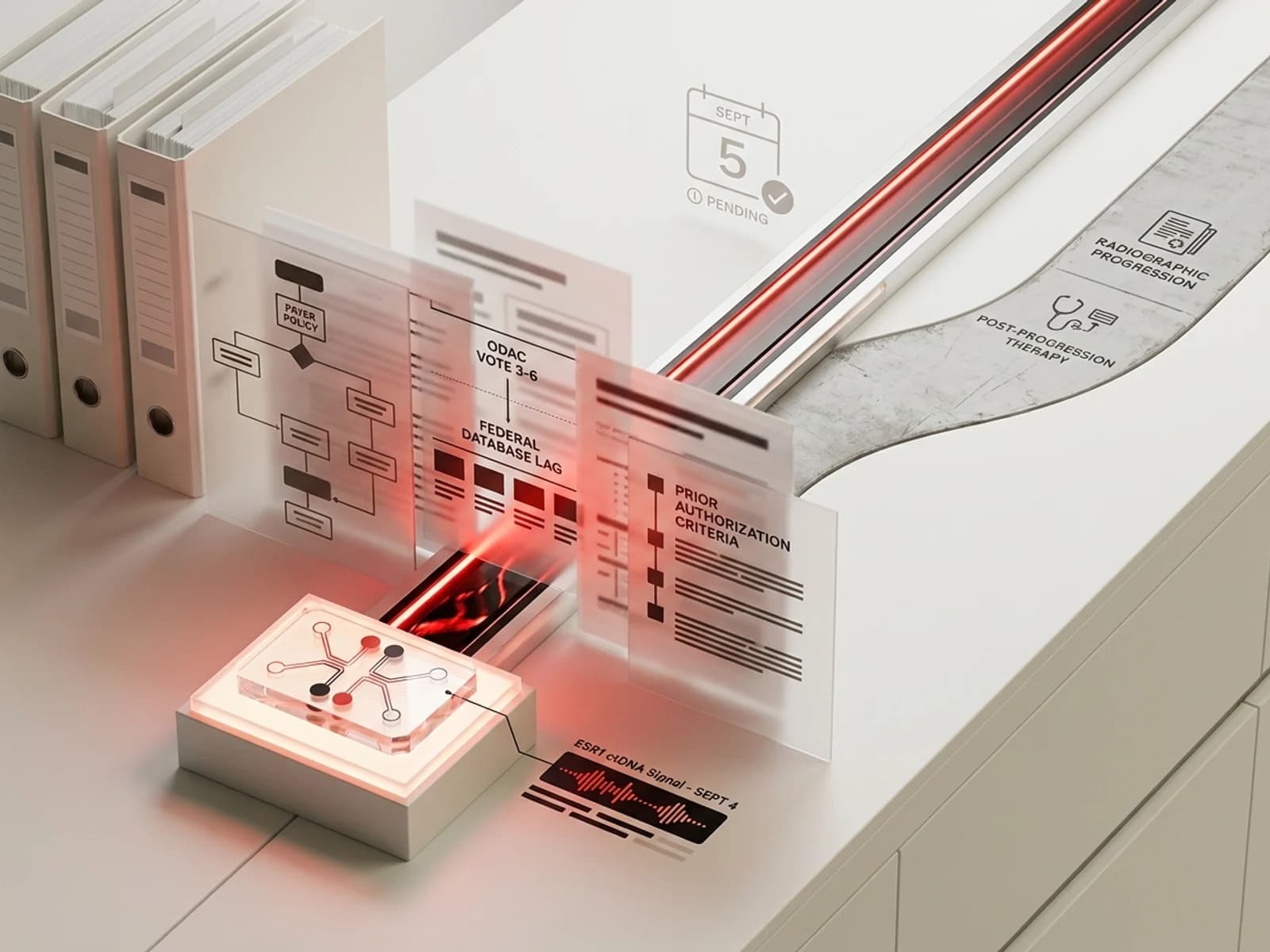
Table 3 efficacy numbers differ from the pre-label literature. In Trial DM (VALOR, NCT05437263), labeled LS mean TIS at Week 52 is 47.5 (SE 3.4) for Lisraya 30 mg versus 33.3 (SE 3.7) for placebo, difference 14.2 (95% CI: 5.5, 22.9). The August 10 dermatomyositis access landscape and Roivant's August 28, 2026 Form 8-K Exhibit 99.1 still show 46.5 versus 31.2. The 8-K attributes the shift to FDA-requested modifications to data-handling and analysis conventions. Quote Table 3 for dossiers; treat the deck as pre-label.
The 15 mg once-daily arm is an unapproved dosage. Trial DM randomized 241 patients 1:1:1 to 30 mg, 15 mg, or placebo. FDA approved only the 30 mg once-daily tablet (NDC 87211-030-30, pink capsule-shaped, debossed BT30). The label designates 15 mg as unapproved. Do not infer a TIS-threshold failure narrative that the PI does not state.
Lisraya carries the class boxed warning for JAK/TYK2 inhibitors (serious infections, all-cause mortality, malignancies, MACE, and thrombosis) and is contraindicated in patients with a history of hypersensitivity to brepocitinib or any excipient. Baseline in Trial DM: 65% with at least one cardiovascular risk factor or atherosclerotic cardiovascular disease, and 20% with interstitial lung disease.
WAC is $35,000 per 30-count bottle of 30 mg tablets. Roivant's Form 8-K filed August 28, 2026 discloses that figure. Annualizing WAC to $420,000 is arithmetic, not net price, not a patient copay, and not a coverage determination.
LISRAYA (BREPOCITINIB) REGULATORY & ACCESS SCORECARD
| Metric / Dimension | Labeled Fact / Operational Specification |
|---|---|
| FDA Action Date | August 27, 2026 (New Molecular Entity, Priority Review, Orphan) |
| Approved Dosage & Form | 30 mg orally once daily (tablets); taken with or without food |
| Unapproved Dosages | 15 mg once daily is explicitly labeled unapproved (Trial DM arm) |
| Labeled Indication | Treatment of dermatomyositis in adult patients |
| Limitation of Use | Not recommended with other JAK/TYK2 inhibitors or biologic DMARDs |
| Pivotal Trial | Trial DM / VALOR (NCT05437263); 241 randomized adults (1:1:1) |
| Primary Endpoint (Table 3 | LS Mean TIS: 47.5 (SE 3.4) vs. 33.3 (SE 3.7); Diff = 14.2 |
| Week 52, N=81 vs N=79) | 95% CI: (5.5, 22.9); p-value statistically significant |
| TIS Thresholds (30mg vs | TIS ≥20: 82% vs. 63% | TIS ≥40: 69% vs. 47% | TIS ≥60: 48% vs. 26% |
| Placebo at Week 52) | Labeled CMH differences: 19% (4.9, 33); 20% (5.1, 35); 22% (6.7, 37) |
| Steroid Sparing Endpoint | Baseline steroid ≥7.5mg: ≤2.5mg/day at W48 & W52: 62% vs. 38% |
| Wholesale Price (WAC) | $35,000 per 30-count bottle ($420,000/yr); Roivant Form 8-K |
| Boxed Warning Scope | Serious infections, mortality, malignancy, MACE, and thrombosis |
Below, we dissect Table 3 of the approved Prescribing Information, analyze the steroid-sparing data architecture, explain the regulatory mechanics behind the unapproved 15 mg arm, and evaluate the limitation of use regarding combination with Octagam IVIG.
Efficacy Architecture: Table 3 Primary Endpoint and Data Lineage
The registrational basis for Lisraya rests on Trial DM (VALOR, NCT05437263), a 52-week, double-blind, randomized, placebo-controlled Phase 3 study in 241 adult patients with active, definite or probable dermatomyositis (by Bohan and Peter criteria or ACR/EULAR criteria) who had inadequate disease control despite standard therapy.
Resolving the Trial NCT Identifier Discrepancy
In earlier pre-approval broker reports and preliminary decks, the VALOR trial was occasionally misattributed to NCT05517252 (a non-dermatomyositis registry). The official FDA label and ClinicalTrials.gov verify that the registrational trial is NCT05437263 (Trial DM). Access teams updating formulary review packets should ensure correct trial linkage.
The ACR/EULAR Total Improvement Score (TIS)
The primary efficacy endpoint was the Total Improvement Score (TIS) at Week 52. TIS is a validated composite weighted measure (ranging from 0 to 100) that integrates changes across six Core Set Measures (CSMs):
Physician Global Assessment of Disease Activity;
Patient Global Assessment of Disease Activity;
Manual Muscle Testing (MMT-8);
Health Assessment Questionnaire (HAQ) Disability Index;
Global Extra-Muscular Disease Activity; and
Serum Muscle Enzymes (CK, aldolase, LDH, ALT, AST).
TRIAL DM (NCT05437263) TABLE 3 PIVOTAL EFFICACY RESULTS (WEEK 52)
| Efficacy Parameter / Threshold | Lisraya 30 mg QD (N = 81) | Placebo Arm (N = 79) | Treatment Difference |
|---|---|---|---|
| LS Mean TIS (SE) 95% Confidence Interval | 47.5 (3.4) — | 33.3 (3.7) — | +14.2 (5.5, 22.9) |
| Minimal Improvement (TIS ≥ 20) | 82% | 63% | 19% (4.9, 33) |
| Moderate Improvement (TIS ≥ 40) | 69% | 47% | 20% (5.1, 35) |
| Major Improvement (TIS ≥ 60) | 48% | 26% | 22% (6.7, 37) |
| TIS ≥ 40 with Oral Corticosteroid ≤ 2.5 mg/day at Week 52 | 55% | 30% | 23.3% (8.3, 38.2) |
Table 3 vs. Manuscript / 8-K Discrepancy
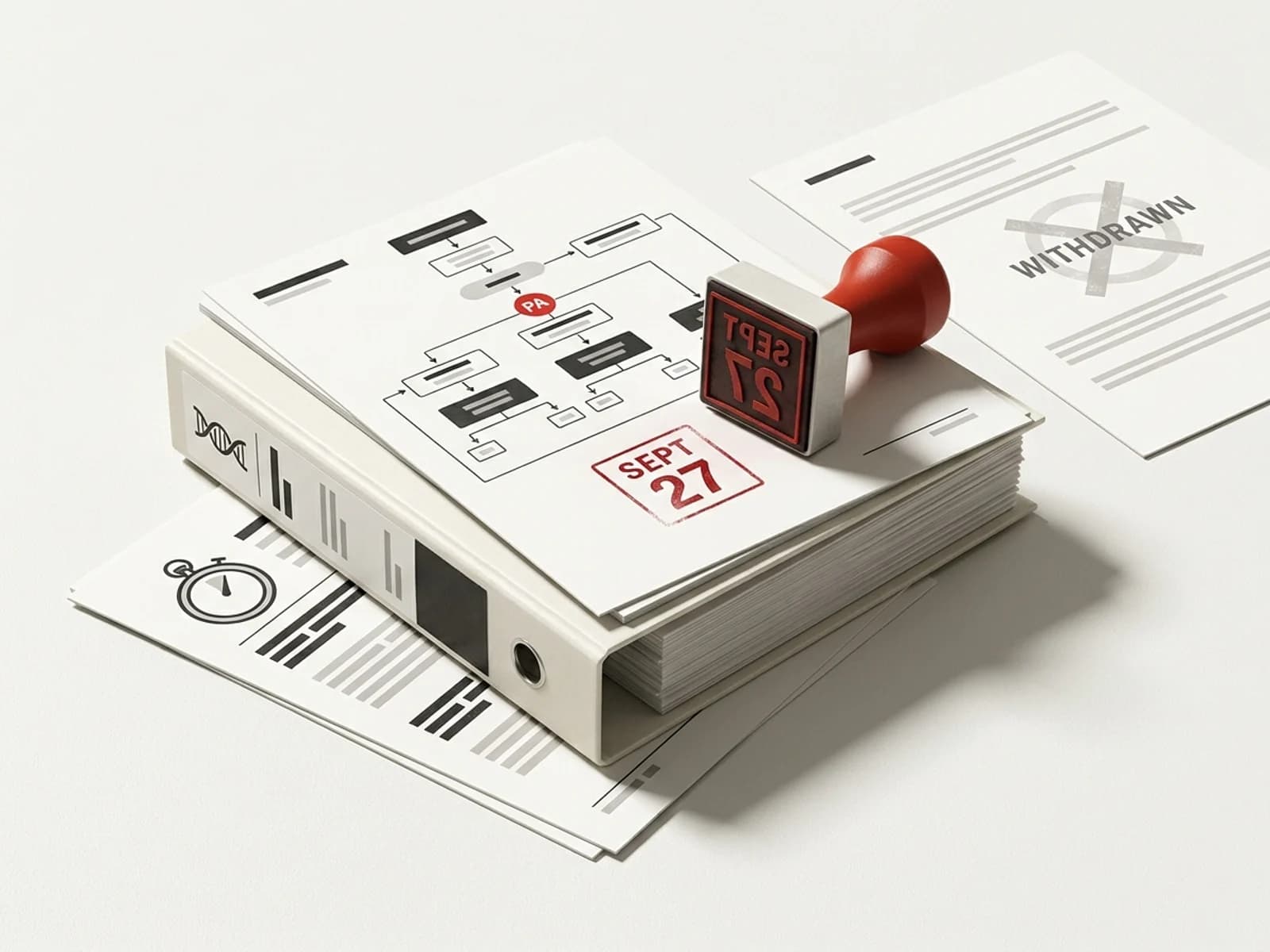
In medical-necessity appeals and dossier reviews, P&T members may notice that early publications cited an LS Mean TIS of 46.5 on brepocitinib vs. 31.2 on placebo (difference 15.3). In contrast, the FDA-approved Prescribing Information Table 3 lists 47.5 vs. 33.3 (difference 14.2).
As disclosed in Roivant's Form 8-K Exhibit 99.1, the numerical shift followed FDA-requested modifications to data-handling and analysis conventions during NDA review. The labeled 14.2-point difference remains statistically significant. Quote Table 3; do not treat the 8-K deck as a second independent trial.
Table 4 of the PI reports the six TIS core-set measures at Week 52 in Trial DM (LS mean change, Lisraya N=81 versus placebo N=79): Physician Global Assessment -2.6 versus -0.9 (difference -1.6; 95% CI -2.8, -0.5); Patient Global Assessment -2.5 versus -0.6 (difference -1.9; -2.9, -0.9); Extramuscular Global Assessment -1.8 versus -0.2 (difference -1.6; -2.8, -0.4); MMT-8 +12.3 versus +5.9 (difference 6.4; 0.5, 12.3); HAQ-DI -0.3 versus +0.3 (difference -0.6; -0.9, -0.3). Most-abnormal muscle-enzyme percent change was 16.9% versus 36.8% (difference -19.9%; 95% CI -46.9%, 7.1%) and did not exclude no difference. Use Table 3 for the primary claim and Table 4 when a dossier needs component-level movement.
Steroid-Sparing Architecture: Beyond Muscle Strength
A critical clinical benefit of targeted therapy in dermatomyositis is reducing patient exposure to high-dose systemic corticosteroids, which cause long-term osteoporosis, diabetes, avascular necrosis, and infection.
In Trial DM:
Baseline Corticosteroid Use: 76% of enrolled patients were receiving oral corticosteroids at baseline, with a mean baseline dose of 11.4 mg/day prednisone-equivalent.
The TIS ≥ 40 / low-steroid composite: At Week 52, 55% on Lisraya 30 mg achieved TIS ≥ 40 with oral corticosteroids ≤ 2.5 mg/day, compared with 30% on placebo (difference 23.3%; 95% CI 8.3, 38.2).
Steroid Elimination Among Baseline Users (≥ 7.5 mg/day): Among the subset entering the trial on ≥ 7.5 mg/day of prednisone:
62% on Lisraya reached a maintenance dose of ≤ 2.5 mg/day at both Week 48 and Week 52 (compared to 38% on placebo);
45% on Lisraya achieved complete steroid discontinuation (0 mg/day) at both visits (compared to 29% on placebo).
┌──────────────────────────────────────────────────────────────────────────────────────────────┐
│                    STEROID-SPARING OUTCOMES IN TRIAL DM (WEEK 52)                            │
├──────────────────────────────────────────────────────────────────────────────────────────────┤
│                                                                                              │
│  [ TIS ≥40 with Steroids ≤2.5 mg/day ]                                                       │
│  Lisraya 30 mg:  ████████████████████████████ 55%                                            │
│  Placebo:        ███████████████ 30%                                                         │
│                  (Difference: +23.3%, 95% CI: 8.3–38.2)                                      │
│                                                                                              │
│  [ Steroid ≤2.5 mg/day at W48 & W52 (Baseline ≥7.5 mg) ]                                     │
│  Lisraya 30 mg:  ███████████████████████████████ 62.0%                                       │
│  Placebo:        ███████████████████ 38.0%                                                   │
│                                                                                              │
│  [ Complete Steroid Cessation (0 mg/day at W48 & W52) ]                                      │
│  Lisraya 30 mg:  ███████████████████████ 45.0%                                               │
│  Placebo:        ███████████████ 29.0%                                                       │
│                                                                                              │
└──────────────────────────────────────────────────────────────────────────────────────────────┘
Why 15 mg Is Unapproved: Dispensing and EMR Order-Set Safety
Trial DM evaluated 30 mg once daily and 15 mg once daily (81 patients randomized to each active arm). FDA approved only the 30 mg tablet.
Section 14 designates 15 mg as an unapproved dosage. The PI does not publish a separate TIS table for 15 mg or a narrative that 15 mg "failed TIS ≥ 60." Specialty pharmacy should not create a 15 mg SKU from VALOR memory.
EMR and Specialty Pharmacy Operational Safeguards
No 15 mg commercial SKU: How-supplied is the 30 mg tablet only (NDC 87211-030-30).
Order-set build: Do not add a 15 mg titration option. The PI does not recommend stepping down to 15 mg for organ impairment; Lisraya is not recommended in severe renal or severe hepatic impairment.
Hypersensitivity contraindication: Unlike some JAK labels that list no contraindications, Lisraya is contraindicated in patients with a history of hypersensitivity to brepocitinib or any excipient.
Boxed Warning & Limitation of Use: The Octagam / Biologic DMARD Collision
As a dual inhibitor of Janus kinase 1 (JAK1) and tyrosine kinase 2 (TYK2), Lisraya carries the class Boxed Warning required across all systemic JAK inhibitors.
LISRAYA BOXED WARNING & CLASS SAFETY RISK PROFILE
| Safety Domain | Boxed Warning Requirements & Clinical Monitoring |
|---|---|
| Serious Infections | Active TB, invasive fungal, viral, bacterial, opportunistic infections leading to hospitalization or death. Screen for TB. |
| All-Cause Mortality | Higher rate of all-cause mortality observed in large randomized safety study of another JAK inhibitor in RA patients ≥50 yrs w/CV |
| Malignancies | Lymphoma and other malignancies observed; higher rates of NMSC. Periodic skin examinations recommended. |
| Major Adverse CV Events (MACE) | MACE (CV death, MI, stroke) observed. High baseline risk in DM (65% of trial patients had ≥1 CV risk factor or ASCVD). |
| Thrombosis | Deep vein thrombosis (DVT), pulmonary embolism (PE), and arterial thrombosis. Promptly evaluate symptoms of thromboembolism. |
The "Biologic DMARD" Limitation of Use and Octagam IVIG
Section 1 (Limitations of Use) contains critical restrictive language:
"LISRAYA is not recommended for use in combination with other JAK inhibitors, other TYK2 inhibitors, or biologic DMARDs."
This restriction creates an immediate question about Octagam 10% (immune globulin intravenous [human]), approved in 2021 for dermatomyositis after ProDerm:
What the PI actually says: It names other JAK inhibitors, other TYK2 inhibitors, and biologic DMARDs. It does not define whether polyclonal IVIG is a "biologic DMARD" under that sentence.
What not to invent: Do not treat Octagam combination as labeled "yes" or labeled "no." Trial DM permitted specified background therapies; combination advice still belongs in medical policy and the full PI, not in a FAQ that over-reads the limitation of use.
What plans may still do: Payers can prohibit concurrent Lisraya plus maintenance IVIG or rituximab as duplicate targeted immunosuppression even if the label never uses the word Octagam. That is a coverage edit, not a labeling conclusion.
For the csDMARD and Octagam ladder, use the August 10 dermatomyositis access landscape; this page is the labeled 30 mg product. For class boxed-warning history, see JAK inhibitor regulatory divergence. For RA TNF-step patterns that should not be copied onto DM, see the JAK inhibitor access landscape.
Payer Strategy, Formulary Tiering, and the $35,000 Monthly WAC
Roivant's Form 8-K filed August 28, 2026 confirms a Wholesale Acquisition Cost (WAC) of $35,000 per 30-count bottle of 30 mg tablets ($420,000 per year).
DERMATOMYOSITIS TREATMENT COST & FORMULARY STEP HIERARCHY
| Treatment Modality | Typical Monthly Cost | Channel / Benefit | Payer UM / Step Logic |
|---|---|---|---|
| Oral Prednisone (Generic) | Low retail acquisition (see DM landscape) | Retail Pharmacy | Usual first step Immediate access |
| Oral Methotrexate / AZA | Low retail acquisition (see DM landscape) | Retail Pharmacy | Common second step Documented trial |
| Octagam 10% IVIG (BLA) | Medical-benefit IVIG (buy-and-bill) | Medical Benefit | Prior Authorization Often after csDMARD |
| Lisraya (Brepocitinib) | $35,000.00 / month WAC ($420,000 / year WAC) | Specialty Pharm | High-friction PA likely Not a labeled step gate |
Commercial Prior Authorization Checklist
Plans may still write dermatomyositis criteria even without a labeled step. Typical building blocks—not a published national policy—are:
Confirmed adult dermatomyositis (Bohan and Peter or ACR/EULAR criteria as used in Trial DM).
Documented inadequate response, contraindication, or intolerance to corticosteroids and at least one conventional immunosuppressant, because those remain the cheap floor in the August 10 landscape.
Attestation that Lisraya will not be combined with another JAK/TYK2 inhibitor or a labeled biologic DMARD; IVIG combination remains a labeling gray zone.
Baseline infection and laboratory screening as in Section 2.1 (TB, viral hepatitis, CBC, hepatic and renal tests).
Safety Profile and Tolerability
In Trial DM, discontinuation due to adverse reactions was 6% on Lisraya 30 mg versus 11% on placebo (FDA press). That comparison is a trial frequency, not proof that Lisraya is safer than placebo given the boxed warning.
Most common labeled adverse reactions (≥ 5% with Lisraya and ≥ 2% greater than placebo): upper respiratory tract infection, headache, fatigue, urinary tract infection, nausea, bronchitis, arthralgia, diarrhea, back pain, fall, influenza, and acne.
Laboratory monitoring: Section 5.9 requires monitoring lymphocyte counts, neutrophil counts, hemoglobin, liver enzymes including GGT, and lipids.
Frequently Asked Questions
Did FDA approve brepocitinib 15 mg for dermatomyositis?
No. The FDA Prescribing Information explicitly approves only the 30 mg once-daily tablet. The 15 mg once-daily dosage evaluated in Trial DM is designated as an unapproved dosage. Priovant is not manufacturing or distributing a 15 mg SKU.
Are the landscape TIS scores of 46.5 versus 31.2 the labeled numbers?
No. Earlier publications and the August 10 landscape cited LS mean TIS 46.5 versus 31.2 (difference 15.3). Table 3 of the posted PI lists 47.5 versus 33.3 (difference 14.2; 95% CI 5.5, 22.9). Roivant's August 28, 2026 8-K notes FDA-requested changes to data-handling and analysis conventions. Use the label.
Does Lisraya's boxed warning mean it is approved for rheumatoid arthritis?
No. Lisraya is approved exclusively for dermatomyositis in adult patients. The boxed warning states that Lisraya is not approved for RA. The class language cites higher rates of death, malignancy, MACE, and thrombosis with another JAK inhibitor versus TNF blockers in RA patients.
Can Lisraya be combined with Octagam 10%?
The PI does not name Octagam or IVIG in the limitation of use. It says Lisraya is not recommended with other JAK inhibitors, other TYK2 inhibitors, or biologic DMARDs, and it does not define whether polyclonal IVIG is a biologic DMARD. Do not treat combination as a labeled yes or no. Plans may still refuse concurrent maintenance IVIG as a coverage edit.
Sources
U.S. Food and Drug Administration: FDA Approves First Oral Drug Indicated to Treat Dermatomyositis in Adults (Approval announcement, trial overview, and priority review summary; August 27, 2026).
Priovant Therapeutics / Roivant Sciences: LISRAYA (brepocitinib) Prescribing Information (Full prescribing information, Table 3 TIS, steroid-sparing data, boxed warning, and dosing; August 2026).
Priovant Therapeutics: Priovant Announces FDA Approval of LISRAYA (brepocitinib) (Commercial launch announcement and distribution details; August 27, 2026).
U.S. Securities and Exchange Commission / Roivant Sciences Ltd.: Form 8-K Current Report (Filed August 28, 2026) (Material corporate disclosure, WAC pricing of $35,000/bottle, Exhibit 99.1 analysis conventions).
National Institutes of Health / ClinicalTrials.gov: Efficacy and Safety of Brepocitinib in Adults With Active Dermatomyositis (VALOR / Trial DM) (Phase 3 trial protocol, NCT05437263).