The FDA approval of the first generic version of Allergan’s (now AbbVie) blockbuster dry eye treatment Restasis (cyclosporine ophthalmic emulsion 0.05%) on February 2, 2022, was a regulatory milestone for complex generic drug development in the United States. Restasis, originally approved by the FDA on December 23, 2002 (NDA 050790), held a monopoly in the dry eye market for nearly two decades. Despite the expiration of its initial patents, generic competitors were blocked by the technical challenges of demonstrating bioequivalence for a complex ophthalmic emulsion.
Unlike simple small-molecule oral solid drugs, complex generics—defined by the FDA as products with complex active ingredients, complex formulations, or complex routes of delivery—require specialized evaluation pathways. The cyclosporine ophthalmic cliff represents a key study in how the FDA's product-specific guidelines, in vitro testing methodologies, and manufacturing quality standards shape specialty drug access. This article provides a comprehensive, data-driven analysis of the generic Restasis market, detailing the complex generic bioequivalence barriers, the 7 approved ANDAs in the FDA Orange Book, National Average Drug Acquisition Cost (NADAC) pricing, sterile manufacturing quality recalls, and payer market access strategies.
The Complex Generic Barrier: Why Restasis Had No Generic Competition for 20 Years
To understand why Restasis enjoyed a 20-year monopoly, it is necessary to examine the physicochemical properties of cyclosporine ophthalmic emulsion 0.05% and the evolution of the FDA’s bioequivalence (BE) requirements. Cyclosporine is a highly lipophilic cyclic polypeptide immunosuppressant that is practically insoluble in water. To deliver the drug to the ocular surface, Allergan formulated it as a sterile, preservative-free oil-in-water emulsion, using castor oil as the hydrophobic core to solubilize the cyclosporine, stabilized by polysorbate 80 and carbomer copolymer Type A.
Because the drug acts locally on the tissues of the eye rather than through systemic absorption, traditional bioequivalence studies—which measure drug concentrations in the blood—are useless. Furthermore, sampling the target tissues of the eye (such as the cornea or conjunctiva) in human subjects is clinically impossible.
The Product-Specific Bioequivalence Guidance
For many years, the only available pathway to prove bioequivalence was to conduct large, expensive, and logistically complex clinical endpoint bioequivalence studies in patients with keratoconjunctivitis sicca (dry eye disease). These studies are notorious for high placebo response rates and subjective endpoints (such as Schirmer tear tests and corneal staining scores), which frequently failed to demonstrate statistically significant therapeutic equivalence.
To resolve this barrier, the FDA’s Office of Generic Drugs (OGD) conducted years of research into complex drug quality and characterization. In 2013, the FDA published a product-specific guidance (PSG) for cyclosporine ophthalmic emulsion 0.05%, which was subsequently updated to offer generic developers two distinct pathways to demonstrate bioequivalence:
1. The In Vitro Bioequivalence Pathway
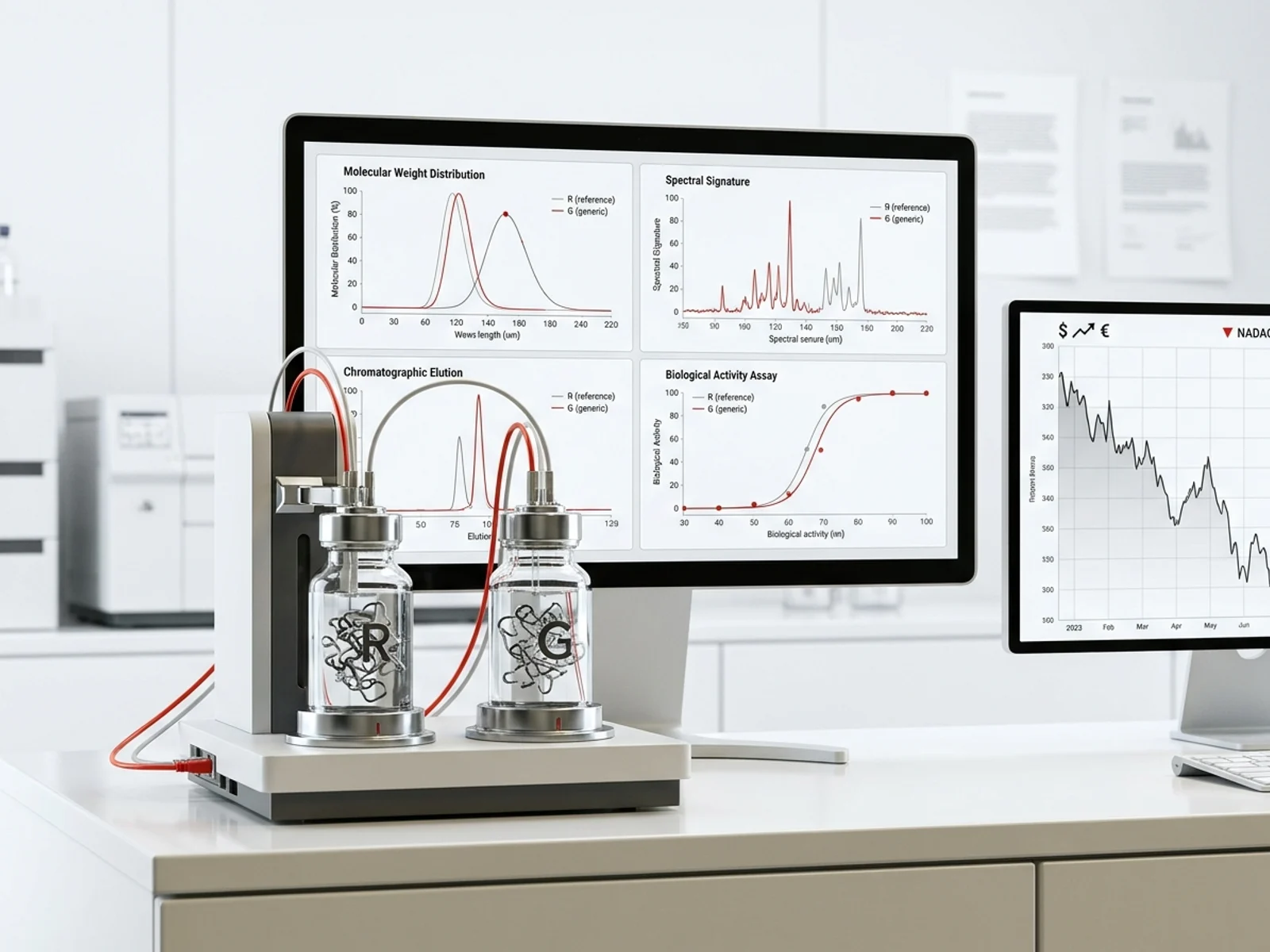
This pathway allows developers to bypass clinical endpoint studies by demonstrating that the generic formulation is qualitatively (Q1) and quantitatively (Q2) identical to the reference listed drug (RLD) and by performing extensive comparative physicochemical characterization. Under the guidance, the generic manufacturer must prove that its product matches the brand across multiple physical parameters:
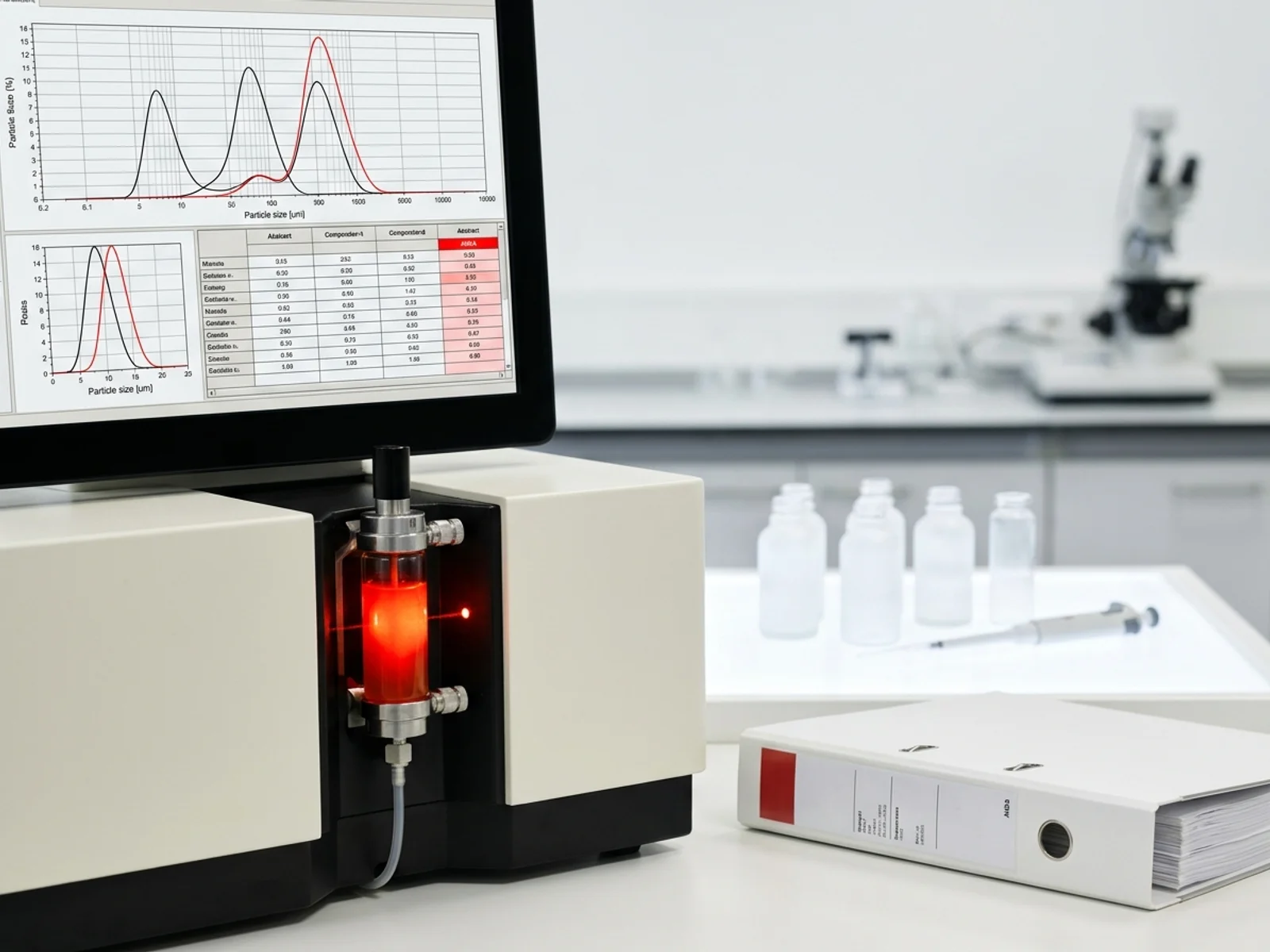
Globule Size Distribution (GSD): The size of the oil droplets in the emulsion is critical. Droplet size affects drug distribution, ocular tolerance, and release rates. Manufacturers must use advanced light-scattering techniques to prove that the mean globule size and distribution profile are identical to Restasis.
Viscosity and Rheology: The thickness of the emulsion determines its residence time on the ocular surface. The generic must exhibit the same non-Newtonian flow behavior as the brand.
Zeta Potential: This measures the electrical charge on the surface of the emulsion droplets, which determines the physical stability of the formulation over its shelf life.
pH, Osmolality, and Surface Tension: These parameters are critical for ocular safety and patient comfort. Any deviation can cause burning, tearing, or rapid drug washout.
2. The In Vivo Clinical Endpoint Pathway
If a manufacturer cannot achieve Q1/Q2 sameness—for example, by using different inactive excipients—they must conduct a clinical endpoint bioequivalence study in human patients. This pathway is significantly more expensive and carries a higher risk of failure.
Mylan (now Viatris) successfully utilized the in vitro pathway, proving Q1/Q2 sameness and matching all physicochemical attributes, which led to the first FDA generic approval on February 2, 2022. This process mirrors the regulatory challenges seen in other complex drug classes, such as generic Lanreotide complex generic market access, where peptide and polymer depot structures create similar in vitro and in vivo characterization hurdles.
Orange Book Breakdown: Analyzing the 7 Cyclosporine Ophthalmic ANDAs and Applicants
Following Mylan's initial approval in 2022, multiple generic manufacturers successfully navigated the FDA's complex generic guidance. The FDA Orange Book (based on the June 10, 2026 database snapshot) records a total of 11 unique approved applications for cyclosporine ophthalmic products: 4 New Drug Applications (NDAs) held by brand manufacturers (the emulsions Restasis 050790, Cequa 210913, Verkazia 214965, and Vevye 217469), and 7 Abbreviated New Drug Applications (ANDAs) held by generic applicants.
Every approved generic listed below has received an AB rating from the FDA, indicating therapeutic equivalence to AbbVie's reference listed drug Restasis (NDA 050790). This rating enables retail pharmacies to automatically substitute the generic for the brand-name product.
The table below breaks down the 7 approved generic cyclosporine ophthalmic ANDAs, sorted by their official FDA approval date.
| ANDA Number | Generic Applicant | FDA Approval Date | Therapeutic Equivalence (TE) Code |
|---|---|---|---|
| ANDA 205894 | Mylan (Viatris) | February 2, 2022 | AB |
| ANDA 207606 | Apotex | January 12, 2023 | AB |
| ANDA 203880 | Teva Pharmaceuticals USA | December 14, 2023 | AB |
| ANDA 209811 | Deva Holding AS | May 21, 2024 | AB |
| ANDA 211943 | Saptalis Pharmaceuticals | July 5, 2024 | AB |
| ANDA 211909 | Amneal Pharmaceuticals | November 28, 2025 | AB |
| ANDA 209064 | TWI Pharmaceuticals | January 21, 2026 | AB |
Key Observations from the ANDA Pipeline
The Lead Entrant: Mylan’s four-year development lead allowed Viatris to capture a substantial share of the generic market before competitors entered. The subsequent entries of Apotex and Teva in 2023, followed by Deva, Saptalis, Amneal, and TWI Pharms through 2026, have created a highly competitive multi-source market.
Global Sterile Manufacturing Capability: Manufacturing sterile ophthalmic emulsions requires specialized facilities to prevent contamination while maintaining emulsion stability. The generic applicant base reflects a concentration of manufacturers with established sterile product lines, including Amneal, Apotex, and Teva.
Payer Strategy Context: The growth of the cyclosporine cohort from one approved ANDA in 2022 to 7 approved ANDAs in 2026 highlights the transition of this class from a single-source specialty segment to a commoditized retail segment. For detailed guidelines on substitution, access teams should review the Orange Book TE codes and generic substitution framework.
NADAC Cost Analysis: Cyclosporine Ophthalmic Emulsion 0.05% Acquisition Pricing
When a complex generic transitions to multi-source competition, price erosion begins. The National Average Drug Acquisition Cost (NADAC), published weekly by CMS, represents the average invoice price paid by retail community pharmacies to purchase drugs from wholesalers.
The Pricing Data
Based on the June 10, 2026 CMS NADAC database snapshot, the acquisition cost of generic cyclosporine ophthalmic emulsion 0.05% has declined significantly.
Cyclosporine 0.05% Eye Emulsion: The NADAC is $1.84962 per unit (single-use vial), with an effective date of December 17, 2025.
Vial Packaging: Generic cyclosporine is typically packaged in boxes containing 60 single-use vials (designed for a 30-day supply, with twice-daily dosing).
At the current NADAC acquisition rate, the cost structure is:
Per-Vial Cost: $1.85
Per-Box Cost (60 vials / 30-day supply): $110.98
Annual Cost Per Patient: $1,331.73
Prior to generic entry, the Wholesale Acquisition Cost (WAC) of brand Restasis exceeded $650 per box (over $7,800 annually). The generic transition has resulted in a price reduction of more than 83% relative to the historical brand WAC.
Furthermore, brand Restasis no longer has an active NADAC line in the CMS database. This absence indicates that brand sales have declined to negligible levels in the retail pharmacy channel, representing a near-complete therapeutic conversion to generics.
Payer Savings Projection
The table below projects the annual savings realized by a commercial payer or Medicaid plan per 100 members utilizing cyclosporine ophthalmic emulsion 0.05%, assuming complete generic conversion:
| Parameter | Brand Restasis (Pre-2022) | Generic Cyclosporine 0.05% (2026) | Absolute Difference | Percentage Reduction |
|---|---|---|---|---|
| Unit Price (Per Vial) | $10.83 (Estimated WAC) | $1.84962 (NADAC) | $8.98 | 82.92% |
| Monthly Regimen (60 Vials) | $650.00 | $110.98 | $539.02 | 82.92% |
| Annual Cost Per Patient | $7,800.00 | $1,331.73 | $6,468.27 | 82.92% |
| Annual Cost (100 Patients) | $780,000.00 | $133,173.00 | $646,827.00 | 82.92% |
While the price erosion for Restasis (83% reduction) is slightly less than that of simple oral solids like teriflunomide (99.7% reduction), it represents a substantial savings rate for a complex generic. Ophthalmic emulsions have higher manufacturing and sterile packaging costs, which naturally sets a higher pricing floor than simple tablets.
Quality & Recall Audit: Sun Pharma Cequa Recalls and Sterile Ophthalmic Challenges
Manufacturing sterile ophthalmic formulations is technically demanding. Ophthalmic products must be completely sterile, isotonic, and free from particulate matter to prevent corneal damage or ocular infections. These requirements introduce significant manufacturing challenges, leading to regulatory recalls.
The Cequa Recalls
An analysis of the FDA Enforcement Reports database reveals a high concentration of quality events in the cyclosporine ophthalmic category. While the 7 approved Restasis ANDAs have maintained relatively clean quality records, Sun Pharmaceutical Industries' branded product Cequa (cyclosporine ophthalmic solution 0.09%, approved under NDA 210913) has experienced multiple recalls.
Between 2021 and 2024, the FDA recorded a total of 10 recalls related to cyclosporine ophthalmic products in the database. The most significant of these involve multiple Class III recalls for Sun Pharma's Cequa:
Recall D-0391-2021 & D-0289-2021: Sun Pharma recalled multiple lots of Cequa due to subpotency and the presence of particulate matter detected during stability testing.
Recall D-0770-2022: A Class III recall was initiated due to low out-of-specification results obtained for drug assay and the presence of particulate matter in the sterile solution.
Recall D-1172-2023: Sun Pharma recalled additional lots due to subpotency (low assay results observed at the 18-month stability checkpoint).
A Class III recall is defined by the FDA as a situation in which use of, or exposure to, a violative product is not likely to cause adverse health consequences. However, for dry eye patients, the presence of particulate matter in an eye drop can cause severe irritation, pain, or corneal micro-abrasions.
Implications for Formulary Design and Quality Audits
The quality issues surrounding Cequa highlight a key risk in ophthalmic drug management:
Physical Formulation Differences: Cequa is formulated as a cyclosporine solution using nanomicellar technology to enhance penetration, whereas Restasis and its generics are oil-in-water emulsions. The nanomicellar solution appears to have faced stability challenges, leading to subpotency and crystallization over time.
Payer Strategy: The repeated recalls for Cequa provide payers with clinical justification to favor generic Restasis (cyclosporine emulsion 0.05%) on formularies, rather than contracting with branded alternatives that have experienced manufacturing instability.
Payer Utilization Management & Ophthalmic Market Access Strategies
The growth of the cyclosporine generic cohort has shifted utilization management strategies in the dry eye therapeutic category.
1. Tiering and Automatic Substitution
Generic Preferred Status: Generic cyclosporine ophthalmic emulsion 0.05% is now positioned as a Tier 1 or Tier 2 preferred generic on almost all commercial and Medicare Part D formularies.
Brand Exclusion: Brand Restasis has been widely excluded or placed on a non-formulary tier. Because the generic is AB-rated, pharmacies execute automatic substitution. Payer exposure to brand Restasis costs has declined to near-zero.
Rebate Compression: The entry of generic Restasis at $110 per box has compressed the rebate leverage of remaining branded dry eye therapies (such as Xiidra and Miebo). Branded manufacturers must offer deep discounts to maintain preferred placement alongside low-cost generic cyclosporine.
2. Prior Authorization and Step Therapy Protocols
Dry eye disease is highly prevalent, and during the brand era, payers managed Restasis costs by requiring prior authorization.
Step Therapy Requirements: Payers use generic cyclosporine 0.05% as a mandatory first-line therapy. Under step-therapy rules, a patient must document failure, intolerance, or contraindication to generic cyclosporine before the plan will authorize coverage for high-cost branded alternatives (such as Xiidra, Cequa, or Miebo, which cost $600+ per month).
Removal of PA for Generics: Many plans have removed prior authorization requirements for generic cyclosporine entirely, allowing immediate access at retail pharmacies to encourage the use of the lowest-cost agent.
3. Packaging and Dose Limits
To manage waste, payers enforce strict quantity limits based on standard packaging:
Quantity Limits: Restasis and its generics are approved for twice-daily dosing (one drop in each eye, morning and evening). Payers restrict dispensing to a maximum of 60 single-use vials per 30 days (or 180 vials per 90 days).
Multi-Dose Alternatives: Some generic manufacturers have launched multi-dose preservative-free (MDPF) bottles to mimic Restasis Multidose. Payers align quantity limits across both single-use vials and MDPF packaging to prevent excess spend.
Comparative Dry Eye Landscape and Clinical Outcomes
To understand the positioning of generic Restasis, it is helpful to compare its market access profile and clinical foundations with other major branded ophthalmic therapies in the dry eye disease (DED) space. Dry eye disease is multifactorial, and different therapies target different points of the disease cascade (e.g., tear film instability, ocular surface inflammation, and lipid layer dysfunction).
The table below summarizes the key dry eye therapies, comparing their formulation types, pricing structures, and typical formulary status.
| Product Name (Brand) | Active Ingredient | Formulation Type | Generic Availability (2026) | NADAC Per Unit (2026) | Monthly Cost (2026) | Formulary Status |
|---|---|---|---|---|---|---|
| Restasis | Cyclosporine 0.05% | Oil-in-water emulsion | Yes (7 ANDAs) | $1.84962 (Per vial) | $110.98 (60 vials) | First-line preferred; low cost-sharing |
| Cequa | Cyclosporine 0.09% | Nanomicellar aqueous solution | No | $10.50 (Brand WAC equivalent) | $630.00 (60 vials) | Non-Preferred; subject to step therapy |
| Xiidra | Lifitegrast 5% | Aqueous solution | No | $11.20 (Brand WAC equivalent) | $672.00 (60 vials) | Non-Preferred; step therapy required |
| Miebo | Perfluorohexyloctane | Water-free liquid | No | $790.00 (Brand WAC per bottle) | $790.00 (1 bottle) | Non-Preferred; step therapy required |
Clinical Trial Foundations and Outcomes Comparisons
Restasis (Cyclosporine Emulsion 0.05%): Allergan’s clinical development program for Restasis comprised two multicenter, randomized, double-masked, vehicle-controlled Phase III trials. The trials evaluated the efficacy and safety of cyclosporine 0.05% emulsion administered twice daily in patients with moderate-to-severe dry eye. The primary efficacy endpoint was an increase in tear production, measured by the Schirmer tear test (without anesthesia) at 6 months. In these trials, approximately 15% of Restasis-treated patients demonstrated an increase of 10 mm or more in Schirmer tear test scores compared to only 5% of patients treated with the vehicle (the emulsion base without cyclosporine). Restasis also demonstrated significant improvements in ocular surface staining (corneal and conjunctival) and a reduction in the severity of dry eye symptoms (burning, grittiness).
Cequa (Cyclosporine Solution 0.09%): Sun Pharma designed Cequa to deliver a higher concentration of cyclosporine (0.09% vs. 0.05%) using a novel nanomicellar formulation. The micellar structure consists of amphiphilic polymers that encapsulate the lipophilic cyclosporine molecule, allowing it to dissolve in an aqueous solution and penetrate ocular tissues more effectively. In the Phase III trials (including the confirmatory OTX-101-2016 study), Cequa demonstrated a statistically significant increase in tear production at 12 weeks. Specifically, 16.6% of Cequa-treated patients achieved an increase of 10 mm or more in Schirmer tear test scores, compared to 9.2% in the vehicle group. While the percentage of responders is slightly higher than Restasis, Cequa’s higher concentration and micellar formulation have been associated with increased ocular discomfort (burning and stinging upon instillation) in some patients, and its manufacturing process has faced stability challenges as evidenced by repeated recalls.
Xiidra (Lifitegrast Solution 5%): Lifitegrast is a lymphocyte function-associated antigen-1 (LFA-1) antagonist. It works by blocking the interaction between LFA-1 and intercellular adhesion molecule-1 (ICAM-1), thereby inhibiting T-cell activation and migration to the ocular surface, which dampens the inflammatory cycle. Xiidra’s efficacy was evaluated in four randomized, double-masked, vehicle-controlled Phase III trials (OPUS-1, OPUS-2, OPUS-3, and SONATA). Unlike Restasis, which focuses primarily on tear production as its main objective metric, Xiidra’s primary endpoints included both an objective sign (inferior corneal fluorescein staining score) and a subjective symptom (patient-reported eye dryness score). In the OPUS-2 and OPUS-3 trials, patients treated with Xiidra reported a statistically significant improvement in the eye dryness score (EDS) as early as Week 2, with sustained improvements through Week 12. Xiidra also achieved significant reductions in corneal staining. Payers must note that while Xiidra offers faster symptom relief (2 weeks vs. 3 to 6 months for cyclosporine), it is priced at over $670 per month, making it a second-line option behind generic cyclosporine.
Miebo (Perfluorohexyloctane 100%): Approved by the FDA in 2023, Miebo represents a different therapeutic mechanism. It is a preservative-free, water-free single-ingredient liquid eye drop that consists entirely of perfluorohexyloctane. Miebo is designed to target evaporative dry eye disease associated with Meibomian Gland Dysfunction (MGD). It acts as a physical barrier that prevents tear evaporation by forming a surfactant-like layer over the aqueous tear film, mimicking the natural lipid layer. In two multicenter Phase III trials (GOBI and MOJAVE), Miebo met both primary sign and symptom endpoints: change from baseline in total corneal fluorescein staining (tCFS) and eye dryness score (EDS) at Week 8. Miebo demonstrated rapid and significant improvements in both parameters. However, with a WAC of $790 per bottle (a 30-day supply), Miebo is managed tightly behind step-therapy gates, requiring patients to first document failure on generic Restasis.
As shown in this clinical and financial comparison, generic cyclosporine ophthalmic emulsion 0.05% is the only widely genericized product in the dry eye therapeutic category, offering a cost structure that is 80% to 85% lower than any branded alternative. Payer formulary designs will continue to rely on generic Restasis as the primary step-therapy driver to control costs.
FAQs
Why did it take 20 years for the first generic Restasis to receive FDA approval?
The 20-year delay was due to the complexity of the drug formulation. Cyclosporine ophthalmic emulsion 0.05% is a locally acting oil-in-water emulsion. Because the drug acts on the surface of the eye rather than entering the bloodstream, traditional blood-concentration bioequivalence tests could not be used. For many years, the FDA required large, expensive clinical trial endpoint studies. In 2013, the FDA updated its product-specific guidance to allow an in vitro pathway, permitting manufacturers to prove bioequivalence by demonstrating Q1/Q2 sameness and matching multiple physical properties (globule size distribution, viscosity, zeta potential). Navigating these in vitro requirements took generic developers nearly a decade.
Are generic cyclosporine ophthalmic emulsions AB-rated and substitutable for Restasis?
Yes, all 7 approved generic cyclosporine ophthalmic emulsion 0.05% ANDAs listed in the FDA Orange Book carry an AB rating. This rating confirms that the generic formulations have demonstrated therapeutic equivalence to AbbVie's brand Restasis (NDA 050790). In states with mandatory or permissive generic substitution laws, pharmacists can automatically substitute any of these AB-rated generic products for a prescription written for Restasis.
What physical properties must a generic cyclosporine emulsion match to prove bioequivalence?
Under the FDA's in vitro bioequivalence pathway, generic developers must prove that their formulation is qualitatively (Q1) and quantitatively (Q2) identical to Restasis and matches the following physicochemical attributes: globule size distribution (GSD), viscosity, rheological behavior, zeta potential, pH, osmolality, and surface tension. Matching these parameters ensures that the generic drug behaves identically on the eye surface.
How does the pricing of generic Restasis compare to Cequa?
According to CMS NADAC data, generic Restasis costs $1.84962 per vial, representing a monthly cost of $110.98 for a standard box of 60 vials. In contrast, Sun Pharma's Cequa (cyclosporine 0.09%) is a branded product with no generic competitor, costing approximately $630 per month. Generic Restasis is more than 80% cheaper than Cequa, making it the preferred choice for payers.
What should a payer do in response to Sun Pharma's Cequa recalls?
Payers should use the Cequa recalls (such as D-0391-2021, D-1172-2023, and D-0770-2022 due to subpotency and particulate matter) as clinical justification to enforce step-therapy restrictions. Plans should require patients to trial and fail generic Restasis (cyclosporine 0.05% emulsion)—which has maintained a stable supply and quality record—before approving coverage for Cequa.
Sources
U.S. Food and Drug Administration (FDA) Orange Book: Approved Drug Products with Therapeutic Equivalence Evaluations. June 10, 2026 Snapshot. FDA Orange Book Database
Centers for Medicare & Medicaid Services (CMS): National Average Drug Acquisition Cost (NADAC) Files. June 10, 2026. CMS Medicaid Pharmacy Pricing
FDA Enforcement Reports Database: Recall records for cyclosporine ophthalmic products (D-0391-2021, D-1172-2023, D-0289-2021, D-0770-2022). FDA Enforcement and Safety Alerts
FDA Product-Specific Guidances: Cyclosporine Ophthalmic Emulsion 0.05% Bioequivalence Recommendations. FDA Product-Specific Guidances for Generic Drug Development
DailyMed Database: Restasis and Cyclosporine Ophthalmic Emulsion Product Labels. DailyMed National Library of Medicine