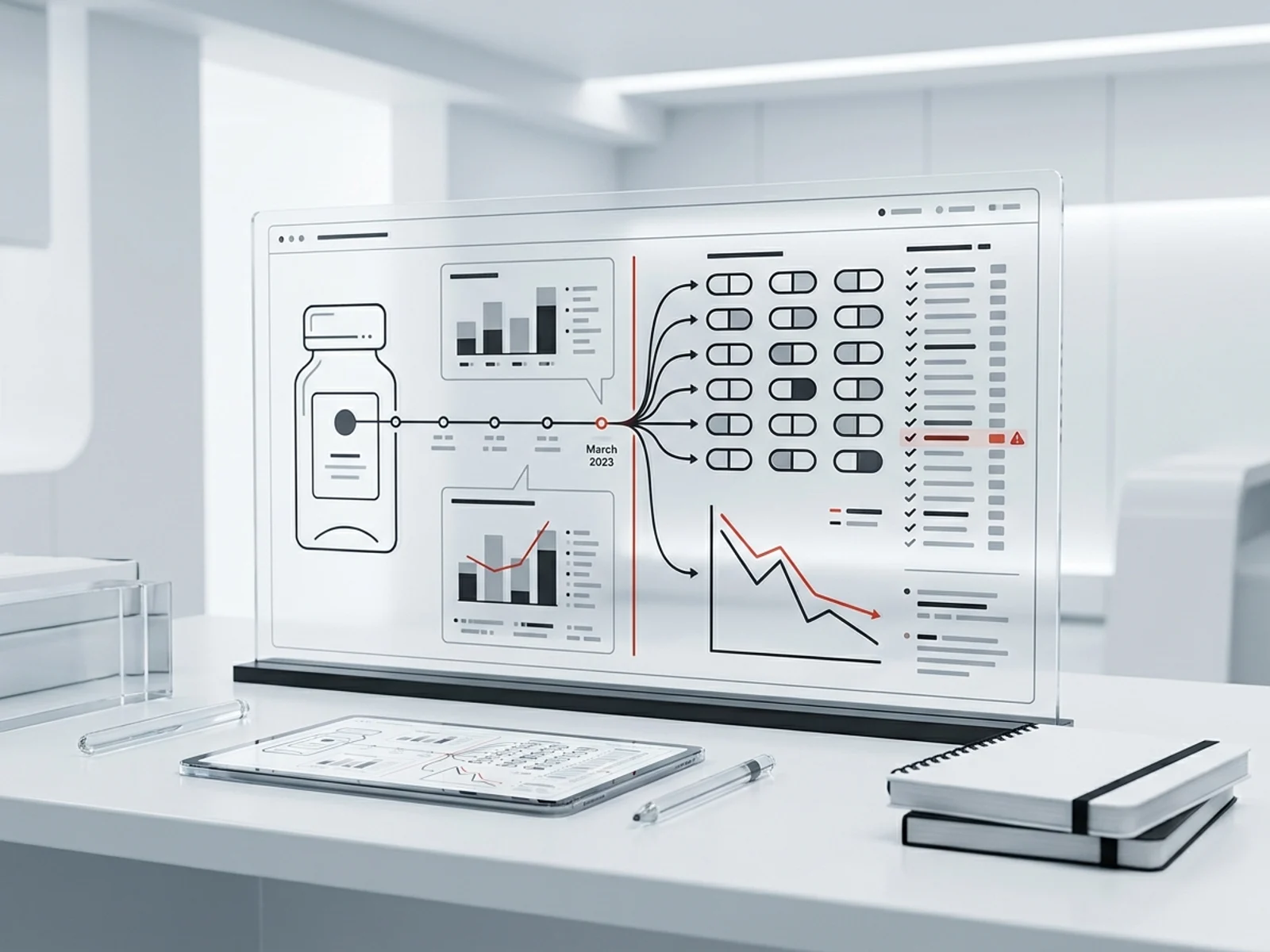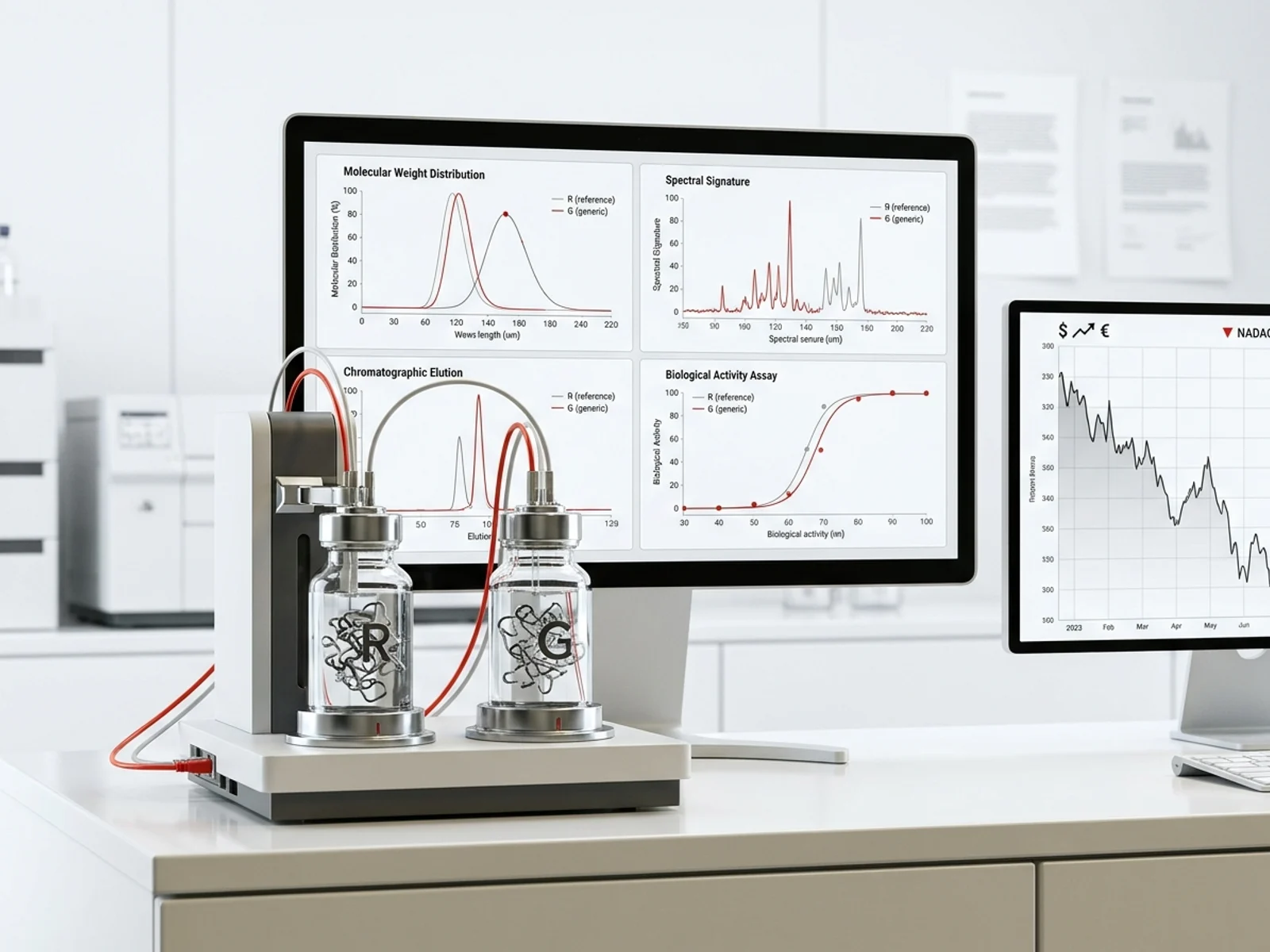
The market exclusivity loss of Latuda (lurasidone hydrochloride), an atypical antipsychotic developed by Sunovion Pharmaceuticals (a subsidiary of Sumitomo Pharma), is one of the most significant recent events in the central nervous system (CNS) therapeutic category. Originally approved by the US Food and Drug Administration (FDA) on October 28, 2010 (NDA 200603), Latuda became a cornerstone treatment for schizophrenia and depressive episodes associated with bipolar I disorder. At its commercial peak, Latuda generated over $2 billion in annual US sales, representing a high-cost specialty psychiatric therapy.
The generic transition of lurasidone has reshaped the antipsychotic class. While multiple generic manufacturers secured FDA approvals for Abbreviated New Drug Applications (ANDAs) as early as January 2019, patent litigation settlements delayed commercial launches until February 20, 2023. Today, with 19 approved generic suppliers, lurasidone has undergone complete market commoditization. This article provides a comprehensive, data-driven analysis of the lurasidone generic cliff, examining the patent litigation chronology, the 19 approved ANDAs, National Average Drug Acquisition Cost (NADAC) price erosion across all strengths, quality control and recall histories, and the implications for payer formulary management.
The Latuda Patent Cliff: How 2019 Approved Generics Were Delayed Until 2023
The exclusivity structure of Latuda is defined by a series of Orange Book-listed patents covering the lurasidone compound, formulation, and methods of treatment. When generic manufacturers began submitting ANDAs with Paragraph IV certifications in 2015 and 2016, Sumitomo Pharma and Sunovion responded by filing patent infringement lawsuits to protect their franchise.
The Consolidated Lawsuit and the 2018 Settlement
The legal battle reached a critical phase in February 2018. Sumitomo Pharma and Sunovion filed a consolidated patent infringement lawsuit in the US District Court for the District of New Jersey against 16 distinct generic drug developers. The litigation centered on U.S. Patent No. 9,815,827 (covering the crystalline form of lurasidone hydrochloride) and U.S. Patent No. 9,907,794 (covering specific pharmaceutical compositions).
Rather than risk an adverse court decision that could immediately strip the brand of its exclusivity, Sunovion and Sumitomo reached settlement agreements with all 16 defendants by November 2018. While the specific financial terms of these settlements remained confidential under regulatory review, the agreements established a defined entry date for the generic manufacturers: February 20, 2023 (commercially distributed starting February 21, 2023).
The Exclusivity Hold
This settlement structure created a unique regulatory situation. On January 3, 2019, the FDA granted approval to a first wave of lurasidone ANDAs, including major manufacturers like Aurobindo, Accord, Torrent, Amneal, InvaGen, and Lupin. However, because of the settlements, these approved generics were placed on a commercial hold. For over four years, these companies held approved ANDAs but were legally barred from shipping product to wholesalers.
This delayed launch mechanism is a common strategy in the pharmaceutical industry to manage patent cliffs. It allows brand manufacturers to predict their revenue streams up to a specific date, while giving generic manufacturers a guaranteed entry date without the risk of ongoing litigation. Payers can look to this structure to understand other delayed launches, such as the generic Imbruvica launch and exclusivity timelines, where Paragraph IV settlements govern when competitors can enter.
On February 20, 2023, the litigation settlement block expired, and a multi-source generic wave hit the market. The simultaneous entry of multiple suppliers led to an immediate shift in market share, preventing the slow-roll entry seen in other classes and driving rapid price erosion.
Orange Book Breakdown: Analyzing the 19 Lurasidone ANDAs and Applicants
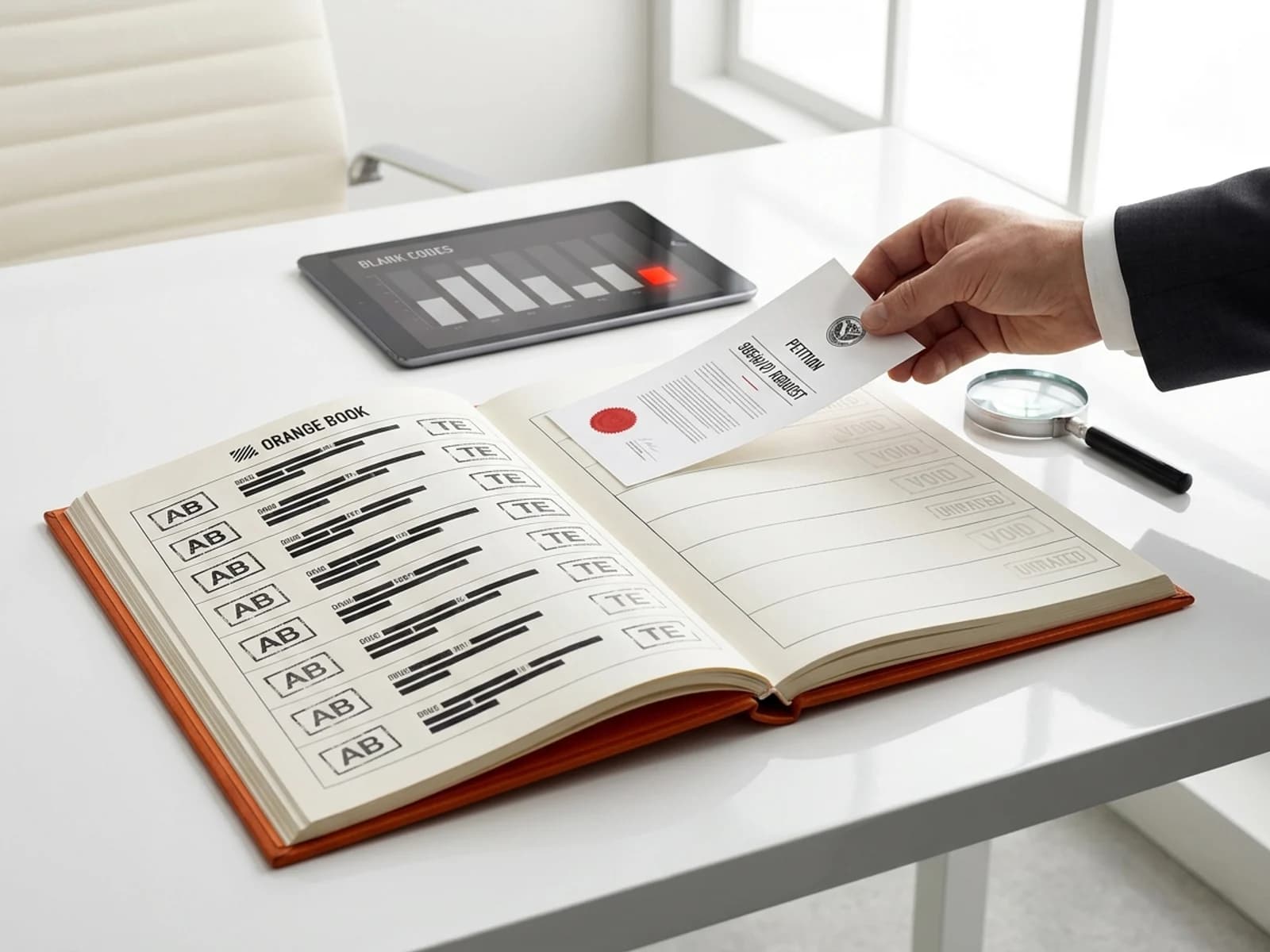
The depth of competition in the lurasidone market is substantial. The FDA Orange Book (based on the June 10, 2026 database snapshot) records 20 unique approved applications for lurasidone: Sunovion's brand NDA 200603 and 19 Abbreviated New Drug Applications (ANDAs) held by 19 distinct generic applicants.
Every approved generic listed below has received an AB rating from the FDA, indicating therapeutic equivalence to Sunovion's reference listed drug. This rating enables retail and institutional pharmacies to automatically substitute the generic for the brand-name Latuda, accelerating market conversion.
The table below details the 19 approved generic lurasidone ANDAs, sorted by their official FDA approval date.
| ANDA Number | Generic Applicant | FDA Approval Date | Therapeutic Equivalence (TE) Code |
|---|---|---|---|
| ANDA 208002 | Amneal Pharmaceuticals | January 3, 2019 | AB |
| ANDA 208028 | InvaGen Pharmaceuticals | January 3, 2019 | AB |
| ANDA 208031 | Lupin Limited | January 3, 2019 | AB |
| ANDA 208049 | Accord Healthcare | January 3, 2019 | AB |
| ANDA 208055 | Torrent Pharmaceuticals | January 3, 2019 | AB |
| ANDA 208066 | Sun Pharmaceutical | January 4, 2019 | AB |
| ANDA 208052 | Zydus Pharmaceuticals | March 19, 2019 | AB |
| ANDA 208060 | Teva Pharmaceuticals USA | May 17, 2019 | AB |
| ANDA 208058 | Avet Pharmaceuticals (Heritage) | September 4, 2019 | AB |
| ANDA 212091 | Chartwell Rx | December 28, 2020 | AB |
| ANDA 208016 | Watson Laboratories (Teva) | February 2, 2021 | AB |
| ANDA 213248 | Alembic Pharmaceuticals | May 13, 2021 | AB |
| ANDA 208047 | Dr. Reddy's Laboratories | August 24, 2021 | AB |
| ANDA 208037 | MSN Laboratories | September 9, 2022 | AB |
| ANDA 212244 | Alkem Laboratories | December 13, 2022 | AB |
| ANDA 208045 | Aurobindo Pharma | March 10, 2023 | AB |
| ANDA 212124 | Macleods Pharmaceuticals | June 9, 2023 | AB |
| ANDA 218174 | Annora Pharma | August 21, 2024 | AB |
| ANDA 210388 | Jubilant Generics | December 6, 2024 | AB |
Supply Chain Implications of the ANDA Pipeline
The First-Wave Volume: The approval of six ANDAs on January 3–4, 2019, represents the core competitive block. When the launch occurred in 2023, these six major players (Amneal, InvaGen/Cipla, Lupin, Accord, Torrent, Sun Pharma) had already built up inventory. This immediately established a robust supply chain that could support the entire US market without risk of shortages.
Continued Market Entry: The entry of new suppliers has continued post-launch, with Annora Pharma approved in August 2024 and Jubilant Generics in December 2024. This ongoing competition has prevented pricing stabilization, pushing lurasidone costs down.
Payer Strategy Context: The competitive depth of lurasidone mirrors other highly commoditized oral markets, such as generic Zytiga market saturation and pricing, which saw 15 approved ANDAs drive oncology drug acquisition costs down. Payers should manage lurasidone similarly, focusing on low-cost generic substitution.
NADAC Cost Analysis: Lurasidone 20 mg, 40 mg, 60 mg, 80 mg, and 120 mg Pricing
The presence of 19 approved generic competitors has resulted in price erosion across all approved strengths of lurasidone. The National Average Drug Acquisition Cost (NADAC), published weekly by CMS, represents the average invoice price paid by retail community pharmacies to purchase drugs from wholesalers.
The Pricing Data
Based on the June 10, 2026 CMS NADAC database snapshot, the acquisition cost of generic lurasidone has eroded to a small fraction of the brand-name drug's historical cost. The prices are consistent across all major strengths, with the latest effective date for these NDCs being December 17, 2025.
Lurasidone HCl 20 mg tablets: NADAC is $0.16738 per unit (tablet)
Lurasidone HCl 40 mg tablets: NADAC is $0.26295 per unit (tablet)
Lurasidone HCl 60 mg tablets: NADAC is $0.34452 per unit (tablet)
Lurasidone HCl 80 mg tablets: NADAC is $0.39350 per unit (tablet)
Lurasidone HCl 120 mg tablets: NADAC is $0.51094 per unit (tablet)
At these acquisition rates, the cost of a standard 30-day supply (one tablet daily) is:
20 mg regimen: $5.02 per month
40 mg regimen: $7.89 per month
60 mg regimen: $10.34 per month
80 mg regimen: $11.81 per month
120 mg regimen: $15.33 per month
Prior to generic entry, the Wholesale Acquisition Cost (WAC) of brand Latuda was approximately $1,400 to $1,600 per month (over $18,000 annually) depending on strength. The generic transition has resulted in a price reduction of more than 99.5% relative to the historical brand WAC.
Furthermore, brand Latuda no longer has an active NADAC line in the CMS database. This absence indicates that brand sales have declined to negligible levels in the retail pharmacy channel, representing a near-complete therapeutic conversion to generics.
Payer Savings Projection
The table below projects the annual savings realized by a commercial payer or Medicaid plan per 100 members utilizing lurasidone 40 mg, assuming complete generic conversion:
| Parameter | Brand Latuda (Pre-2023) | Generic Lurasidone 40 mg (2026) | Absolute Difference | Percentage Reduction |
|---|---|---|---|---|
| Unit Price (Per Tablet) | $50.00 (Estimated WAC) | $0.26295 (NADAC) | $49.737 | 99.47% |
| Monthly Regimen (30 Days) | $1,500.00 | $7.89 | $1,492.11 | 99.47% |
| Annual Cost Per Patient | $18,000.00 | $94.68 | $17,905.32 | 99.47% |
| Annual Cost (100 Patients) | $1,800,000.00 | $9,468.00 | $1,790,532.00 | 99.47% |
For state Medicaid programs and commercial employer sponsors, the lurasidone transition has removed hundreds of millions of dollars in specialty drug spend from the psychiatric category. This pricing structure has shifted lurasidone from a high-cost specialty therapy requiring intensive medical benefit management to a low-cost maintenance drug comparable to generic cardiovascular or metabolic medications.
Quality & Recall Audit: Sun Pharma's Class II Recalls
While deep commoditization is highly beneficial for payers and patients from a financial perspective, extreme price erosion can introduce supply chain vulnerabilities. When generic prices fall to less than a dollar per tablet, manufacturers face intense pressure to minimize production costs. This low-margin environment can lead to quality control issues, facility contamination, and regulatory recalls by the FDA.
The Sun Pharma Recalls (2024)
An analysis of the FDA Enforcement Reports database reveals notable quality events in the lurasidone market. On the FDA Enforcement snapshot June 10, 2026, Class II recalls were recorded under recall numbers D-0266-2024 and D-0267-2024 for lurasidone HCl tablets manufactured and distributed by Sun Pharmaceutical Industries Inc. (specifically under ANDA 208066).
Scope of Recall: The recalls involved Lot DNE0620A (60 mg strength) and Lot DNE0621A (120 mg strength) manufactured in India.
Reason for Recall: Current Good Manufacturing Practice (CGMP) Deviations. Specifically, the FDA reported that microbial contamination was detected in stagnant water in the duct of the manufacturing equipment used to produce the tablets.
Recall Classification: The FDA classified these as Class II recalls, which is defined as a situation in which use of, or exposure to, a violative product may cause temporary or medically reversible adverse health consequences, or where the probability of serious adverse health consequences is remote.
The Hazards of Equipment Contamination in Oral Manufacturing
While oral solid tablets do not need to meet the absolute sterility standards of ophthalmic emulsions, they must still be manufactured in a clean, controlled environment to prevent cross-contamination and microbial growth. The detection of microbial contamination in stagnant water in the equipment duct points to a systemic failure in the cleaning validation and maintenance protocols of the manufacturing plant.
Stagnant water in ventilation or drainage ducts can become a breeding ground for bacterial biofilms (such as Pseudomonas or Bacillus species). These biofilms can easily become airborne or migrate into the tablet compression and packaging areas, contaminating the active pharmaceutical ingredient (API) or the finished tablets. The FDA requires manufacturers to implement strict sanitization schedules and validate that cleaning procedures effectively remove all potential residues and microorganisms. The Sun Pharma recalls serve as a key case study in why facility audits and equipment validation remain critical even for mature, non-sterile oral generic drugs.
Implications for Market Access and Supply Chain Risk
For market-access and pharmacy benefit design teams, manufacturing events like Sun Pharma's 2024 recalls highlight the importance of monitoring manufacturer-specific quality records.
While all 19 approved ANDAs are AB-rated and theoretically interchangeable, payers must consider that supply disruptions at one major generic manufacturer can shift volume rapidly to other competitors. In a market with 19 approved suppliers, a recall by a single manufacturer is unlikely to cause a clinical shortage, as other suppliers have the capacity to absorb the demand. However, it underscores the need for pharmacy benefit managers (PBMs) to maintain open formularies that permit dispensing from multiple generic NDCs, rather than contracting exclusively with a single generic manufacturer. Payer teams should balance cost-savings with supply redundancy by ensuring that their preferred network pharmacies can easily stock lurasidone from alternative high-quality generic suppliers (such as Amneal, Lupin, or Accord).
Payer Utilization Management & Psychiatric Market Access Strategies
The transition of lurasidone to multi-source generic status has altered the utilization management (UM) and formulary tiering strategies employed by commercial insurers, Medicare Part D plans, and state Medicaid programs.
1. Formulary Tiering Strategy
Pre-2023 Brand Era: Brand Latuda was typically placed on the highest formulary tiers—Tier 4 (Specialty) or Tier 5 (Non-Preferred Specialty)—requiring co-insurance of 20% to 50% or high fixed co-pays. Access was restricted behind prior authorizations and step-therapy protocols.
Post-2023 Generic Era: Generic lurasidone is now placed on Tier 1 (Preferred Generic) or Tier 2 (Generic) on most commercial and Part D formularies. Payer cost-sharing is low, often $0 to $10 for a 30-day supply, which improves patient adherence.
Brand Exclusion: Payers have aggressively moved to exclude brand Latuda from their formularies entirely, or to place it on a non-formulary status. Because the generic is AB-rated and available at a 99.5% discount, there is no financial justification for plans to pay for the brand drug, and the brand manufacturer can no longer offer rebates high enough to offset the generic price differential.
2. Prior Authorization (PA) and Step Therapy
With the cost of lurasidone falling to under $16 per month for the highest strength, the clinical and financial rationale for requiring a prior authorization for the generic has changed.
Removal of PA Restrictions: Many forward-looking commercial plans and Medicaid programs have removed the prior authorization requirement for generic lurasidone. Instead of requiring complex clinical documentation (such as documentation of prior treatment failures), plans allow immediate access at the pharmacy counter.
First-Line Preferred Status: Generic lurasidone has become a preferred first-line oral disease-modifying therapy. Payers use it as a low-cost "step" that patients must try and fail before the plan will authorize coverage for high-cost, branded atypical antipsychotics (such as Caplyta, Rexulti, or Vraylar, which cost upwards of $1,200 annually).
Step-Therapy Protocols: A typical antipsychotic formulary design might require a patient to trial and fail generic lurasidone OR generic aripiprazole (Abilify) before gaining access to second-line branded agents. For an explanation of the broader substitution rules, access teams should consult the Orange Book TE codes and generic substitution framework.
3. Copay Assistance and Specialty Pharmacy Channels
During the brand era, Sunovion supported patient access through copay cards and patient assistance programs (PAPs), which covered the patient's out-of-pocket costs. Because these programs are prohibited in federal programs like Medicare Part D, and because manufacturers do not offer copay assistance for generic products, patients must rely on generic pricing.
Fortunately, at under $16 per month, generic lurasidone is affordable for most patients out-of-pocket, reducing the need for specialty pharmacy management. Payer pharmacy teams have transitioned lurasidone out of specialty pharmacies and into standard retail pharmacy networks. This transition reduces administrative costs for both the payer and the provider.
Comparative Landscape in Atypical Antipsychotics
To contextualize the lurasidone market, it is helpful to compare its commoditization profile with other oral atypical antipsychotics.
| Drug Name (Brand) | Active Ingredient | Generic Launch Date | Approved ANDAs (2026) | NADAC Per Tablet (2026) | Monthly Regimen Cost (2026) | Payer Management Status |
|---|---|---|---|---|---|---|
| Latuda | Lurasidone | February 20, 2023 | 19 | $0.26295 (40mg) | $7.89 | First-line preferred; rarely requires PA |
| Abilify | Aripiprazole | April 2015 | 27 | $0.15400 (10mg) (Approximate) | $4.62 | First-line preferred; step-therapy driver |
| Vraylar | Cariprazine | None (Delayed) | 0 (Active market) | $42.00 (Brand-level pricing) | $1,260.00 | Restricted; prior authorization required |
As shown in this comparison, lurasidone and aripiprazole are the two primary oral atypical antipsychotic options that have undergone complete generic commoditization. The presence of 19 approved lurasidone ANDAs and 27 approved aripiprazole ANDAs has created a highly competitive generic environment, whereas cariprazine (Vraylar) has remained restricted due to ongoing patent protection. Payer strategies will continue to leverage generic lurasidone as a key cost-control tool in the atypical antipsychotic therapeutic class.
FAQs
Why were lurasidone ANDAs approved in 2019 but not commercially launched until 2023?
Under the Hatch-Waxman Act, the FDA can approve an Abbreviated New Drug Application (ANDA) if the applicant demonstrates bioequivalence and pharmaceutical equivalence to the reference brand drug. However, an FDA approval does not bypass patent protections. Sunovion and Sumitomo filed patent infringement lawsuits against the generic applicants. To resolve these disputes, the manufacturers entered into patent-litigation settlement agreements in late 2018. These settlements granted the generic companies licenses to launch their products only after a specified date—February 20, 2023. Consequently, the approved products could not be commercially distributed prior to that date.
Are all generic lurasidone tablets AB-rated and substitutable for Latuda?
Yes, all 19 approved generic lurasidone ANDAs listed in the FDA Orange Book carry an AB rating. This rating indicates that the generic formulations have demonstrated bioequivalence to Sunovion's brand Latuda (NDA 200603). In states with mandatory or permissive generic substitution laws, pharmacists can automatically substitute any of these AB-rated generic products for a prescription written for Latuda, helping to lower the patient's out-of-pocket costs.
What was the nature of the consolidated patent lawsuit in New Jersey?
In February 2018, Sumitomo Dainippon Pharma and Sunovion filed a consolidated lawsuit against 16 generic manufacturers in the US District Court for the District of New Jersey. The litigation focused on protecting U.S. Patent No. 9,815,827 and U.S. Patent No. 9,907,794, which cover crystalline forms and composition formulations of lurasidone. The resolution of this lawsuit via settlement in November 2018 set the launch date for all generic competitors.
How does lurasidone pricing vary by dosage strength?
Lurasidone pricing shows moderate step-ups between strengths. According to the CMS NADAC June 10, 2026 data, lurasidone 20 mg is priced at $0.16738 per tablet, 40 mg at $0.26295, 60 mg at $0.34452, 80 mg at $0.39350, and 120 mg at $0.51094. The 120 mg tablet is three times the price of the 20 mg tablet, reflecting standard generic manufacturing and raw material scaling, but still remaining highly affordable.
What should a payer do in response to the Sun Pharma lurasidone recall?
Payers do not need to take restrictive formulary action in response to Sun Pharma's Class II recalls (D-0266-2024 and D-0267-2024). Because there are 18 other approved generic lurasidone suppliers in the market, the recall of specific lots by one manufacturer does not threaten overall market supply. PBMs and insurers should maintain open formularies that permit the dispensing of any AB-rated generic NDC, allowing pharmacies to switch to alternative suppliers to maintain patient access.
Sources
U.S. Food and Drug Administration (FDA) Orange Book: Approved Drug Products with Therapeutic Equivalence Evaluations. June 10, 2026 Snapshot. FDA Orange Book Database
Centers for Medicare & Medicaid Services (CMS): National Average Drug Acquisition Cost (NADAC) Files. June 10, 2026. CMS Medicaid Pharmacy Pricing
FDA Enforcement Reports Database: Recall D-0266-2024 and D-0267-2024 Sun Pharma Lurasidone. FDA Enforcement and Safety Alerts
Sunovion Pharmaceuticals: Latuda (lurasidone hcl) Prescribing Information and Regulatory Filings (NDA 200603). Sunovion Product Information
Hatch-Waxman Act Guidelines: Title 21 of the Code of Federal Regulations (21 CFR) Part 314. Electronic Code of Federal Regulations