Generic lanreotide acetate is available as a follow-on product approved via the FDA's 505(b)(2) hybrid NDA pathway. InvaGen Pharmaceuticals (a subsidiary of Cipla) holds two approved applications: NDA 215395 (approved December 17, 2021) and ANDA 217193 (approved May 21, 2024), referencing Ipsen Pharma's Somatuline Depot (NDA 022074). Both brand and generic formulations are billed under the medical benefit via HCPCS code J1930 (lanreotide, 1 mg) as provider-administered injections, meaning they are excluded from retail-based cost databases like CMS NADAC.
Because lanreotide acetate was initially approved under the 505(b)(2) pathway without a default therapeutic equivalence rating (AB rating), market uptake required active account-level biosimilar-style selling and provider contract negotiations, rather than automatic retail pharmacy substitution. Although InvaGen subsequently secured a true ANDA approval in May 2024 carrying an AB-rating, the specialty distribution, buy-and-bill dynamics, and unique HCPCS code structures continue to restrict generic substitution in clinical practice.
This article provides an in-depth analysis of the developers in the lanreotide market, the regulatory pathways that led to these approvals, the nuances of medical billing under HCPCS J1930 and J1932, and the commercial strategies shaping market share.
Who are the approved follow-on developers for generic lanreotide acetate?
Lanreotide acetate is a synthetic somatostatin analog indicated for the long-term treatment of patients with acromegaly who have had an inadequate response to or cannot be treated with surgery or radiotherapy. It is also indicated for the treatment of patients with unresectable, well- or moderately differentiated, locally advanced or metastatic gastroenteropancreatic neuroendocrine tumors (GEP-NETs) to improve progression-free survival.
The reference listed drug (RLD) is Ipsen Pharma’s Somatuline Depot, which was originally approved by the FDA under NDA 022074 on August 30, 2007. Somatuline Depot is formulated as a pre-filled syringe containing a sterile, deep subcutaneous gel injection. The formulation is highly complex, consisting of an aqueous supersaturated solution of lanreotide acetate that self-assembles into nanotubular structures, forming a biodegradable depot upon injection. The product is available in three dosage strengths:
60 mg / 0.2 mL pre-filled syringe
90 mg / 0.3 mL pre-filled syringe
120 mg / 0.5 mL pre-filled syringe
To date, the primary developer to successfully navigate the high manufacturing and regulatory barriers to enter the U.S. lanreotide market is InvaGen Pharmaceuticals, Inc., a subsidiary of Cipla Limited.
Cipla received its initial FDA approval for lanreotide injection in December 2021 under the 505(b)(2) regulatory pathway. This was followed by a subsequent Abbreviated New Drug Application (ANDA) approval in May 2024, which granted a direct therapeutic equivalence rating. Despite the expiration of Somatuline Depot’s primary patents, the market remains highly consolidated, with InvaGen operating as the sole generic competitor.
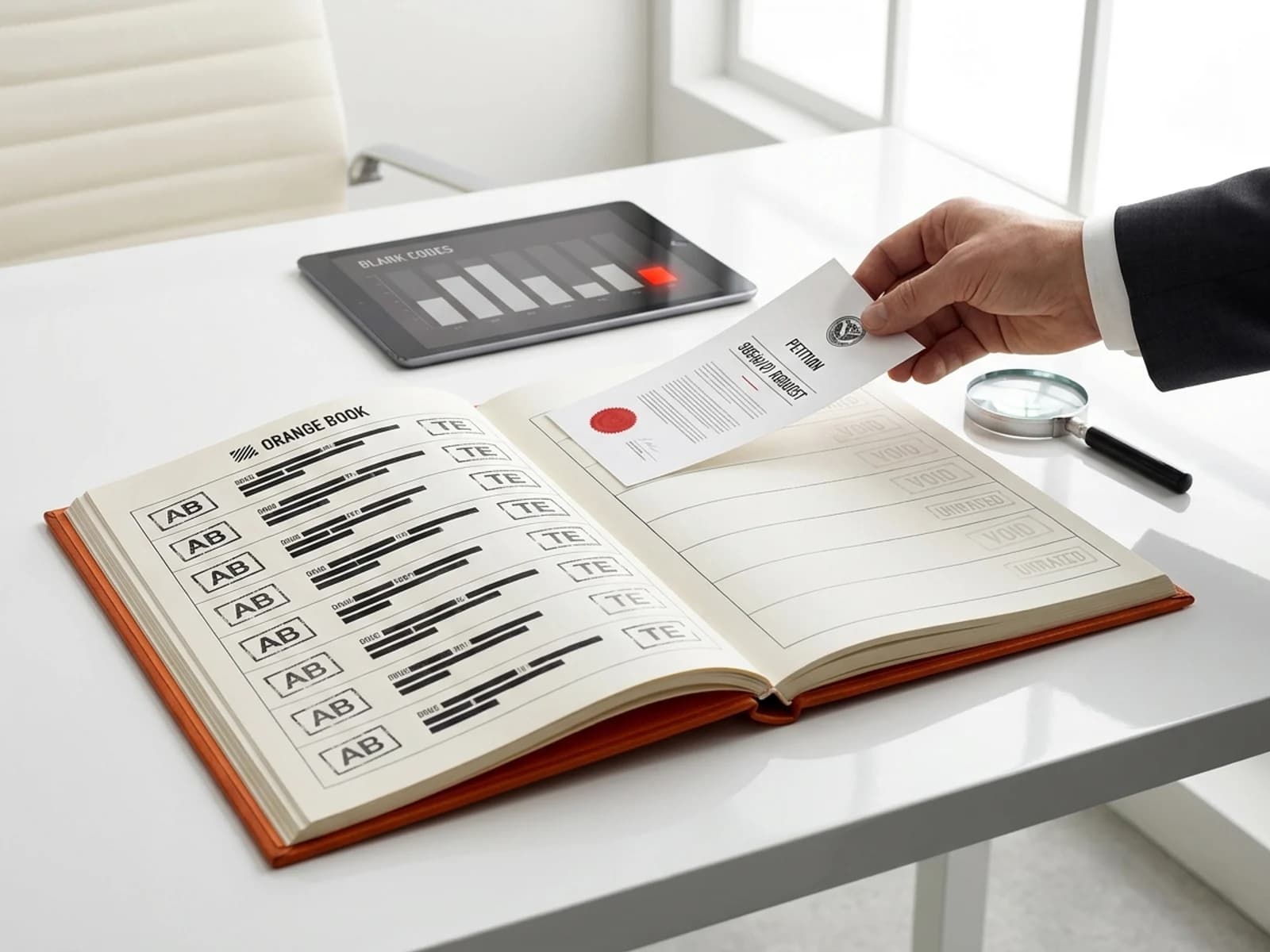
The following table summarizes the approved lanreotide formulations listed in the FDA Orange Book:
| Proprietary Name | Active Ingredient | Applicant Name | Application Number | Application Type | Approval Date | TE Code | Approved Strengths |
|---|---|---|---|---|---|---|---|
| Somatuline Depot | Lanreotide Acetate | Ipsen Pharma | NDA 022074 | NDA (RLD/RS) | Aug 30, 2007 | — (Reference) | 60mg/0.2ml, 90mg/0.3ml, 120mg/0.5ml |
| Lanreotide Acetate | Lanreotide Acetate | InvaGen Pharms | NDA 215395 | 505(b)(2) NDA | Dec 17, 2021 | None | 60mg/0.2ml, 90mg/0.3ml, 120mg/0.5ml |
| Lanreotide Acetate | Lanreotide Acetate | InvaGen Pharms | ANDA 217193 | 505(j) ANDA | May 21, 2024 | AB | 60mg/0.2ml, 90mg/0.3ml, 120mg/0.5ml |
The absence of other players is due to the extreme technical difficulty of manufacturing stable peptide-based depot suspensions, demonstrating that complex depot injectables like octreotide LAR and lanreotide acetate face high technical barriers to generic entry.
Physical Chemistry of Self-Assembling Peptide Gels
The physical chemistry of lanreotide acetate is a major source of its high entry barrier. Unlike traditional depot injections that rely on synthetic biodegradable polymers such as poly(lactic-co-glycolic acid) (PLGA) microspheres (which are used in Sandostatin LAR), lanreotide acetate is a self-assembling peptide gel.
Lanreotide is an octapeptide with the sequence H-D-2-Nal-Cys-Tyr-D-Trp-Lys-Val-Cys-Thr-NH2, containing a disulfide bridge between the two cysteine residues. In aqueous solution, at high concentrations (typically 20% to 30% weight-by-weight), lanreotide molecules spontaneously self-assemble into hollow nanotubes with a diameter of approximately 24 nanometers. These nanotubes pack into a stable, highly viscous liquid crystalline phase (specifically a hexagonal phase).
Upon subcutaneous injection, the high concentration of the peptide forms a localized gel depot. The drug is slowly released into the systemic circulation as the outer layers of the nanotubular gel erode. Because this gelation occurs without polymers, the release rate is highly sensitive to:
The precise water content of the formulation.
The peptide purity and salt counter-ion ratio (acetate to peptide).
The pH of the solution.
The mechanical shear applied during syringe filling and administration.
If any of these parameters deviate slightly, the nanotubes can collapse or assemble into a different crystalline phase, causing either a "dose dump" (rapid release of the peptide leading to systemic toxicity) or "incomplete release" (where the drug remains trapped and fails to achieve therapeutic levels). Generic developers must build advanced manufacturing suites capable of handling these highly viscous gels under sterile conditions while ensuring consistent physical structure.
Why was lanreotide acetate approved under a 505(b)(2) NDA instead of an ANDA?
When InvaGen first sought approval for its lanreotide formulation, it did not utilize the standard 505(j) ANDA pathway. Instead, it submitted a 505(b)(2) New Drug Application. To understand this regulatory decision, it is necessary to examine the commercial and clinical trade-offs of the FDA 505(b)(2) hybrid pathway.
The 505(b)(2) vs. 505(j) Distinction
A standard ANDA approved under Section 505(j) requires the generic drug to be identical in active ingredient, dosage form, strength, route of administration, and labeling to the reference product. Furthermore, the generic must demonstrate bioequivalence and must carry the exact same design and instructions for use.
In contrast, the 505(b)(2) pathway allows the applicant to rely on literature or the FDA's prior findings of safety and efficacy for an approved reference drug, while submitting their own data to support any differences or modifications:
Device and Packaging Variations: InvaGen's lanreotide formulation utilizes a pre-filled syringe that, while functionally equivalent, has minor design differences compared to Ipsen's proprietary Somatuline Depot delivery system (such as the needle shield and plunger design). In the FDA’s view, differences in the delivery device can prevent a product from being approved via a standard ANDA if they alter the administration instructions or introduce different user interfaces.
Excipient and Synthesis Nuances: Peptides synthesized via solid-phase or solution-phase synthesis can carry different impurity profiles than the reference product. Under the 505(b)(2) pathway, a developer can submit independent toxicology studies to validate the safety of these minor differences, a pathway not permitted under a strict 505(j) ANDA.
Formulation Self-Assembly: Lanreotide acetate forms a physical gel in water without external polymers. Slight differences in the salt concentration or hydration process can affect the rate of self-assembly and drug release. InvaGen utilized the 505(b)(2) pathway to submit independent clinical pharmacology data confirming the safety and efficacy of their specific formulation, bypassing the rigid requirement of showing absolute identity required by the 505(j) pathway.
The Evolution to the 2024 ANDA Approval
While the 505(b)(2) NDA allowed InvaGen to enter the market in 2021, it carried a commercial disadvantage: it did not receive an automatic therapeutic equivalence rating (TE code) in the Orange Book. Without an AB rating, retail and specialty pharmacies could not automatically substitute InvaGen’s product for Somatuline Depot.
To resolve this commercial barrier, InvaGen worked to align its manufacturing and device specifications to meet the FDA's strict ANDA criteria. On May 21, 2024, InvaGen received FDA approval for ANDA 217193. This second approval was under Section 505(j), granting a direct AB rating in the Orange Book. This dual-approval strategy highlights the regulatory evolution in the complex generic space: developers utilize the flexible 505(b)(2) pathway for initial entry, and then follow with a 505(j) ANDA once manufacturing processes and clinical equivalence definitions mature.
Patent and Exclusivity Landscape
An analysis of the FDA Orange Book patents and exclusivities database reveals that brand Somatuline Depot (NDA 022074) has zero active patents and zero active exclusivities listed. The last remaining patents covering the formulation and device expired years prior.
This confirms that the primary barrier to generic competition is not patent litigation, but the technical complexity of manufacturing. Unlike simple small-molecule tablets where patent expiration leads to immediate multi-source competition, complex injectables require significant capital investment in specialized manufacturing facilities, sterile processing, and device assembly, limiting the competitive field to a select few developers.
How is lanreotide billed and reimbursed under HCPCS J1930 and J1932?
Because lanreotide is a provider-administered injection administered subcutaneously by a healthcare professional, its reimbursement is managed under the medical benefit using HCPCS Level II codes. The coding structure for lanreotide has evolved to reflect the entry of the generic follow-on.
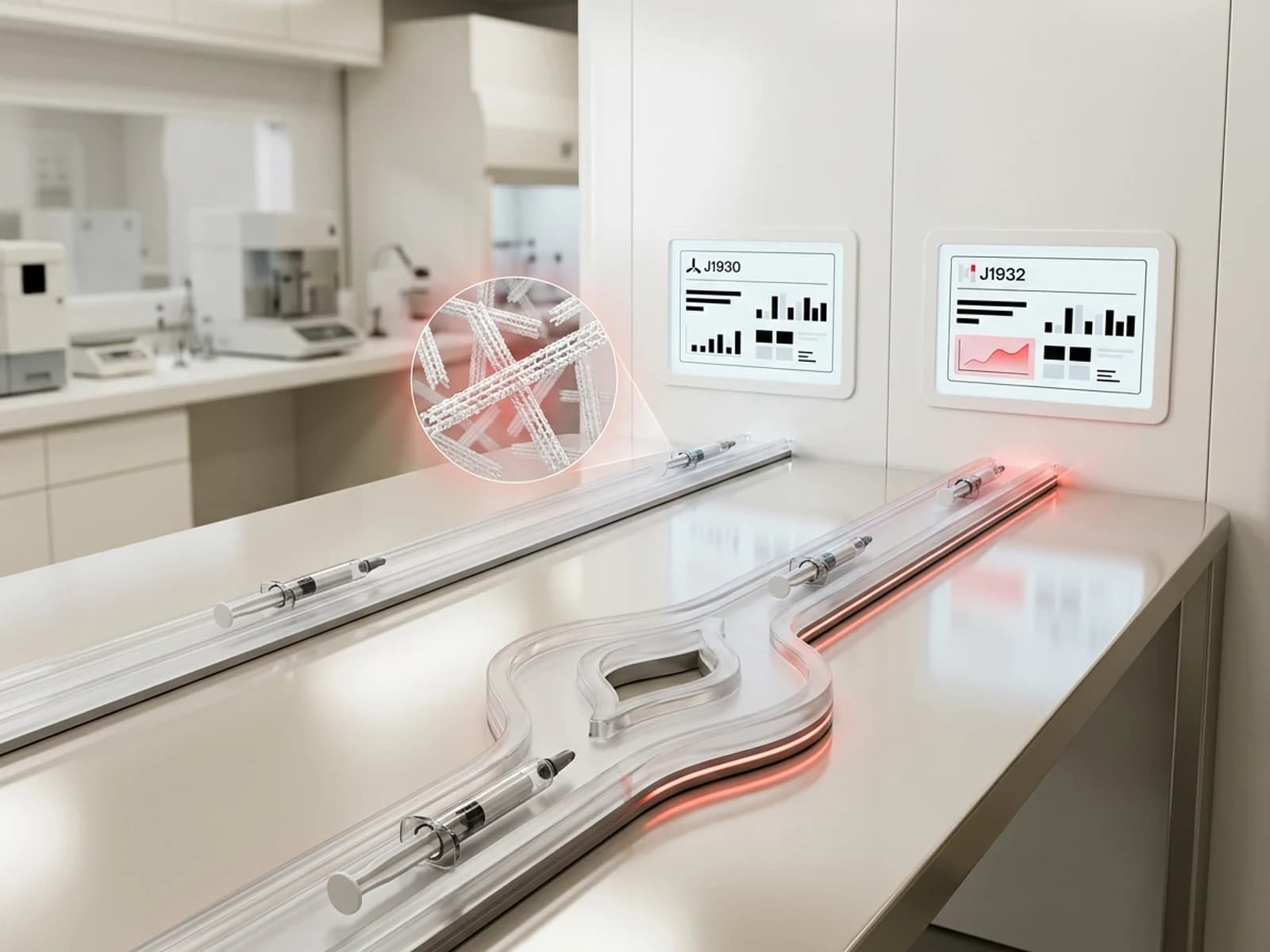
HCPCS Code Split: J1930 vs. J1932
Historically, all lanreotide injections were billed under a single code:
HCPCS Code J1930: "Injection, lanreotide, 1 mg."
Following the launch of InvaGen's 505(b)(2) formulation, CMS established a separate billing code to differentiate the Cipla-branded generic from Ipsen's brand Somatuline Depot. Effective October 1, 2022, CMS activated:
HCPCS Code J1932: "Injection, lanreotide, (Cipla), 1 mg."
This billing split has significant operational implications for providers:
Code Specificity: Providers must ensure that the HCPCS code on the medical claim matches the exact product administered. If a clinic administers Cipla's generic lanreotide but bills under J1930, the claim will be denied by the payer for a code-product mismatch.
Payer-Specific Rules: Commercial payers manage J1930 and J1932 under separate medical policies. A payer may place generic lanreotide (J1932) as the preferred option, requiring prior authorization approval for the brand (J1930).
Billing Units: Both codes are defined as 1 mg of lanreotide. Clinicians must compute the correct billing units based on the dose administered. For a standard 120 mg dose, the biller must submit 120 units on the claim.
The Exclusion from retail-based databases like CMS NADAC
Like oncology biologics, lanreotide is distributed through specialty distribution networks rather than traditional retail channels. A query of the June 10, 2026 CMS NADAC pricing database shows exactly zero records for lanreotide or Somatuline Depot.
This pricing obscurity occurs because lanreotide is rarely dispensed at retail pharmacies. Patients do not pick up the pre-filled syringe to administer it themselves; instead, the clinic purchases the drug, stores it, administers it, and bills the insurer. Because NADAC is based on community pharmacy surveys, and community pharmacies do not purchase or stock provider-administered depot injectables, the transaction prices remain hidden from retail databases. The relevant pricing metric is the quarterly Medicare Part B Average Sales Price (ASP), which CMS updates based on actual manufacturer net sales.
Commercial Access and Market Share Dynamics
The commercial success of generic lanreotide is determined by market access contracting and provider economics rather than patient-level demand. Because the drug is administered under buy-and-bill, providers are sensitive to the financial spread between their purchase price and the payer's reimbursement rate.
ASP Rebates and Provider Incentives
Under Medicare Part B, reimbursement is based on ASP plus a statutory markup. For generic drugs, the markup is calculated as 6% of the generic’s ASP. Under the Inflation Reduction Act, biosimilars receive a temporary boost (ASP + 8% of the reference product's ASP), but complex generics approved under the 505(b)(2) or ANDA pathways do not automatically qualify for this biosimilar incentive. They are reimbursed under the standard generic pricing rules.
This creates a commercial challenge:
Margin Compression: If a generic's ASP drops rapidly due to competition, the absolute dollar margin for the provider (the 6% markup) decreases. For a clinic with high overhead, administering the brand may yield a higher absolute dollar return than the generic.
Manufacturer Contracting: To drive adoption, Cipla must offer steep discounts to oncology and endocrinology practices through Group Purchasing Organizations (GPOs). These discounts lower the clinic's acquisition cost below the published ASP, creating a "buy-and-bill spread" that incentivizes the clinic to choose the generic.
Payer Rebates: Ipsen defends its market share by offering rebates to commercial payers. If a commercial payer receives a large rebate on Somatuline Depot (J1930), they may exclude J1932 from their formulary, neutralizing the lower list price of the generic.
Specialty Pharmacy Routing vs. Buy-and-Bill
While many clinics prefer buy-and-bill because it allows them to control inventory and capture reimbursement margins, some payers mandate a different distribution model known as specialty pharmacy routing (or "white bagging"):
White Bagging: The payer requires the provider to write a prescription and send it to the payer’s designated specialty pharmacy (e.g., CVS Specialty or Accredo). The specialty pharmacy dispenses the drug and ships it directly to the provider’s clinic for administration. The specialty pharmacy bills the payer under the pharmacy benefit, and the clinic bills the payer only a small administration fee.
Impact on Generic Uptake: In white-bagging scenarios, the clinic does not capture any drug margin and has no financial incentive to choose the generic over the brand. The choice of generic is dictated entirely by the specialty pharmacy's formulary. If the specialty pharmacy has a preferred contract for brand Somatuline, they will ship the brand, bypassing the clinic's preference for the generic.
Supply Instability and Shortage Vulnerability
In addition to financial contracting, inventory stability represents a major operational risk for buy-and-bill clinics. Complex peptide formulations like lanreotide are susceptible to periodic drug shortages due to active ingredient constraints or sterility challenges in specialized manufacturing suites.
When generic lanreotide experiences a supply disruption, clinics face the clinical risk of treatment interruption for GEP-NET and acromegaly patients who rely on strict 28-day dosing cycles. In these scenarios, if the generic (HCPCS J1932) is unavailable, providers must navigate the prior authorization process to temporarily switch the patient back to brand Somatuline Depot (HCPCS J1930) or transition to alternative therapeutic options, disrupting both clinic cash flow and patient care plans. Maintain-to-benefit strategies require active coordination with multiple specialty distributors to secure alternative NDCs.
FDA Bioequivalence Guidelines for Complex Lanreotide Formulations
To assist generic developers, the FDA has published product-specific guidances outlining the bioequivalence (BE) expectations for lanreotide injection. The guidance highlights both in vitro and in vivo requirements that developers must satisfy:
In Vivo Pharmacokinetic Study:
A single-dose, randomized, parallel BE study in healthy male and female subjects.
Measurement of the plasma concentrations of lanreotide over a period sufficient to characterize the release profile. The parameters Cmax, AUC0-t, and AUC0-inf must fall within the standard 80% to 125% equivalence interval.
Rigorous safety monitoring, particularly for gallbladder and pancreatic adverse events.
In Vitro Characterization Studies:
Rheological Properties: Viscoelastic characterization (elastic modulus G' and loss modulus G'' as a function of shear rate) to confirm that the generic gel has identical flow properties to the reference gel under clinical injection forces.
In Vitro Drug Release: Comparative studies under sink conditions to confirm that the generic nanotubes erode and release the peptide at the same rate as Somatuline Depot.
Syringe Plunger Force: Mechanical testing of the force required to depress the syringe plunger. If a generic syringe requires significantly more physical force to inject than the reference product, it represents a usability failure that can lead to incomplete dosing.
Particle Size Distribution: Characterization of the phase structure and nanotubular dimensions using small-angle X-ray scattering (SAXS) or cryo-transmission electron microscopy (cryo-TEM) to prove identical self-assembled crystalline geometry.
By meeting these highly technical requirements, InvaGen was able to transition from its initial 505(b)(2) hybrid NDA to the fully equivalent 505(j) ANDA approved in 2024.
Operational Playbook for Clinic Administrators
To successfully manage the transition between brand Somatuline Depot and generic lanreotide, clinic managers must configure their clinical and financial systems to handle the separate billing codes.
EHR Protocol Configuration
Clinical EHR systems must be configured to link the correct drug order with the appropriate billing code. In oncology and endocrinology practices, this involves:
Dual Order Entries: Creating separate order entries for "Lanreotide Acetate (Cipla)" and "Somatuline Depot (Ipsen)."
NDC Association: Hardcoding the correct 11-digit NDCs for both products. InvaGen's NDCs must be mapped to HCPCS code J1932, while Ipsen's NDCs must be mapped to J1930.
Prior Authorization Verification: Setting up clinical decision support rules that check the patient’s insurance policy before scheduling the infusion, ensuring that the ordered code (J1930 vs. J1932) matches the payer's preferred formulary.
Claim Scrubbing and Billing Audits
Billing systems must implement claim-scrubbing rules to capture potential errors before they are submitted to payers:
Unit Verification: Ensuring that the quantity billed matches the milligrams administered (e.g., 120 units for a 120 mg dose) rather than the number of syringes (e.g., 1 unit).
Modifier Compliance: Verifying that the JZ modifier is appended to confirm that no drug was wasted (since lanreotide is packaged in pre-filled syringes containing the exact prescribed dose).
Payer Rejection Mapping: If a claim is rejected for "invalid code," billing teams must immediately verify if the payer requires the use of the generic-specific J1932 code or if the payer’s system has not yet loaded the 2024 ANDA NDC codes.
Detailed FAQ Section
Are InvaGen's lanreotide formulations therapeutic equivalents (AB-rated) to Somatuline Depot?
Yes, but only under specific applications.
InvaGen’s first approval in 2021 was under NDA 215395 via the 505(b)(2) pathway, which did not carry an automatic therapeutic equivalence rating (TE code) in the Orange Book. However, on May 21, 2024, InvaGen received approval for ANDA 217193 under the 505(j) pathway, which officially carries an AB rating. This means that pharmacy systems can substitute the ANDA-approved version for Somatuline Depot where state laws and institutional protocols permit. In clinical practice, providers must check their inventory and billing systems to ensure they are referencing the ANDA-approved NDCs to utilize automatic substitution.
Why does lanreotide acetate not have NADAC pricing entries?
The Centers for Medicare & Medicaid Services (CMS) National Average Drug Acquisition Cost (NADAC) database is compiled from surveys of retail community pharmacies. Lanreotide acetate is a provider-administered deep subcutaneous injection distributed through specialty channels under the buy-and-bill model. Because community pharmacies do not stock or purchase lanreotide, they do not generate transaction records for retail pricing surveys. The financial metrics that govern lanreotide are Medicare's quarterly Average Sales Price (ASP) and manufacturer-negotiated clinic contract rates, rather than retail pharmacy acquisition costs.
What is the clinical difference between lanreotide acetate and octreotide LAR?
Lanreotide acetate (Somatuline Depot) and octreotide LAR (Sandostatin LAR) are both somatostatin analogs (SSAs) indicated for acromegaly and GEP-NETs. However, they differ in formulation, administration route, and dosing frequency:
Formulation: Octreotide LAR is a polymer-based microsphere suspension that must be reconstituted immediately before injection. Lanreotide acetate is a self-assembling gel that is supplied pre-filled and pre-reconstituted.
Route: Octreotide LAR must be injected intramuscularly (IM) into the gluteal muscle by a healthcare professional. Lanreotide is administered via deep subcutaneous injection.
Dosing: Both are typically dosed every 4 weeks, but lanreotide has a flexible dosing interval (such as every 6 or 8 weeks for certain patients with GEP-NETs), providing clinical convenience.
How does the FDA define bioequivalence for a complex peptide depot injection?
For a complex peptide depot injection like lanreotide, the FDA requires both in vitro and in vivo studies to establish bioequivalence:
In Vitro Studies: The developer must show that the physical structure, viscosity, and self-assembling properties of the peptide gel are highly similar to the reference product using rheology, particle size, and X-ray scattering.
In Vivo Bioequivalence: The developer must conduct pharmacokinetic (PK) studies in patients or healthy volunteers, demonstrating that the rate and extent of drug absorption (Cmax and AUC) are equivalent to the reference drug, with no clinically meaningful difference in the release profile over the 28-day dosing cycle.
What is the purpose of the J1932 billing code?
CMS established HCPCS code J1932 ("Injection, lanreotide, (Cipla), 1 mg") to differentiate InvaGen/Cipla’s generic formulation from the reference product Somatuline Depot (which bills under J1930). This allows Medicare and commercial payers to track utilization, set separate ASP-based reimbursement rates, and manage formulary preferences for the generic version independently of the brand.
How do GEP-NET clinical endpoints shape prior authorization criteria for lanreotide?
Prior authorization policies for lanreotide in gastroenteropancreatic neuroendocrine tumors (GEP-NETs) are heavily derived from the pivotal CLARINET Phase III trial. This trial evaluated the efficacy of lanreotide 120 mg administered every 4 weeks in patients with Grade 1 or Grade 2 (Ki-67 index < 10%) GEP-NETs.
Payers use the inclusion criteria of the CLARINET trial to restrict coverage:
Tumor Grade: Plans often require pathological confirmation that the tumor is Ki-67 positive and falls within Grade 1 or Grade 2. Grade 3 poorly differentiated neuroendocrine carcinomas are typically excluded from coverage guidelines as they do not mirror the trial population.
Tumor Location: The tumor must be documented as arising in the pancreas, midgut, hindgut, or of unknown primary origin.
Disease Progression: Patients must show progression-free status or be undergoing initial cytoreductive therapy to justify treatment initiation.
Sources
U.S. Food and Drug Administration (FDA): Approved Drug Products with Therapeutic Equivalence Evaluations (Orange Book). NDA 022074 (Somatuline Depot), NDA 215395 (InvaGen), and ANDA 217193 (InvaGen) database entries. FDA Orange Book
Centers for Medicare & Medicaid Services (CMS): National Average Drug Acquisition Cost (NADAC) CSV extract, June 10, 2026. Medicaid.gov Prescribed Drugs
Centers for Medicare & Medicaid Services (CMS): Medicare Part B Average Sales Price (ASP) Pricing Files, Q2 2026. CMS Part B Drugs
Cipla Limited: Press Release: "Cipla Receives Final FDA Approval for Lanreotide Injection," December 17, 2021. Cipla News
Ipsen Pharma Biotech: Somatuline Depot (lanreotide acetate) prescribing information and approval package (NDA 022074), approved August 30, 2007. Drugs@FDA