ANDA and 505(b)(2) are often placed in the same mental bucket because both avoid the full new-drug development burden of a traditional NDA. Commercially, they are different tools. An ANDA is built for a generic version of a reference listed drug. A 505(b)(2) application can rely in part on FDA's findings or published literature but still support a product that differs from an approved drug in ways that may matter commercially.
The difference matters for pricing, substitution, payer positioning, and lifecycle defense.
ANDA: the substitution engine
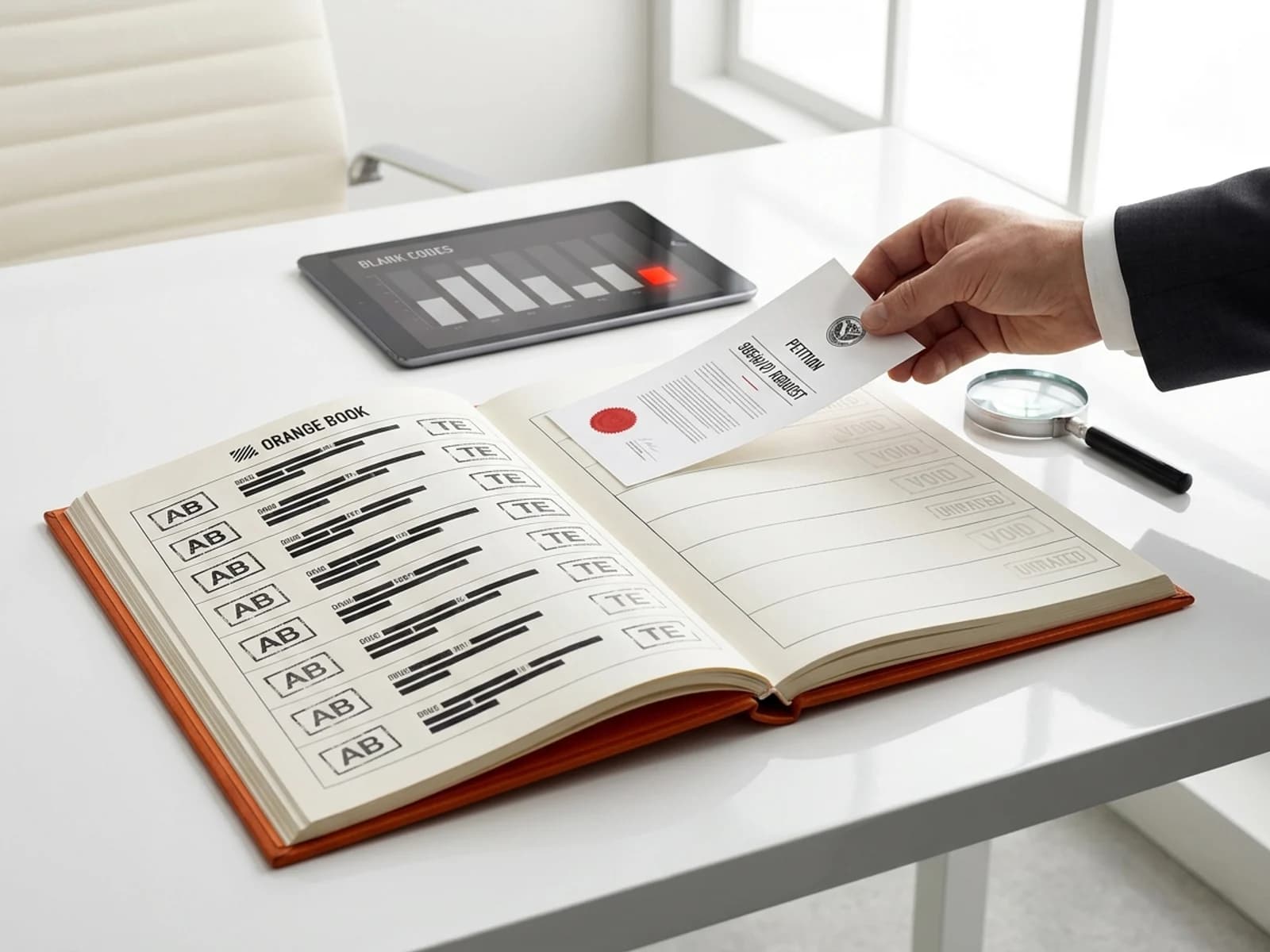
An abbreviated new drug application is the classic generic pathway. The applicant generally shows that the generic has the same active ingredient, dosage form, route, strength, and conditions of use as the reference listed drug, with bioequivalence where required. The Orange Book then becomes central because it identifies reference listed drugs and therapeutic-equivalence evaluations.
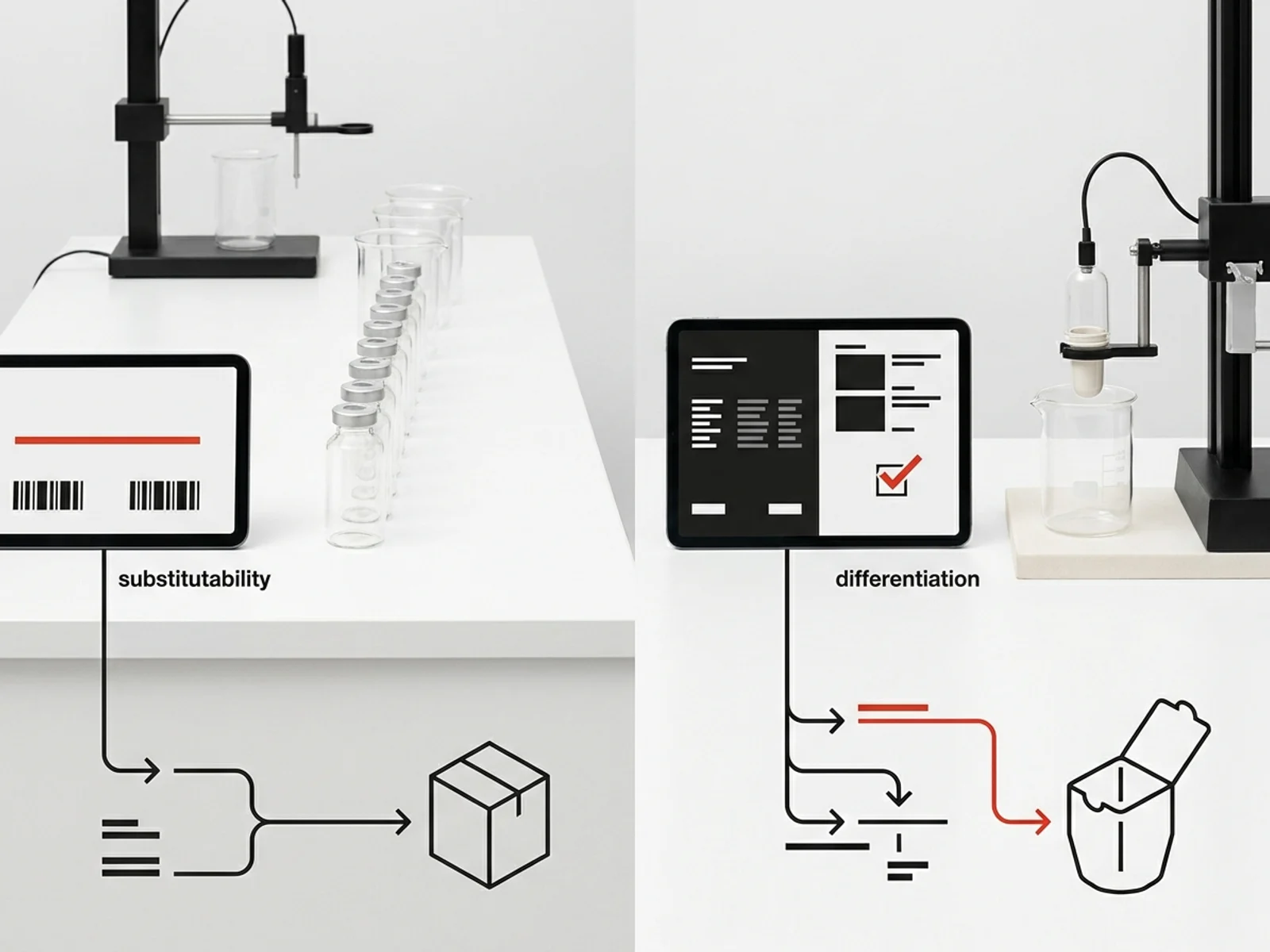
Commercially, the ANDA path is about substitutability and price erosion. If the product receives an AB therapeutic-equivalence rating, state pharmacy substitution and payer generic policies can drive rapid switching. The brand's remaining defense often depends on patents, exclusivity, authorized generic strategy, contracting, device complexity, or patient/prescriber friction.
505(b)(2): the reliance-and-difference path
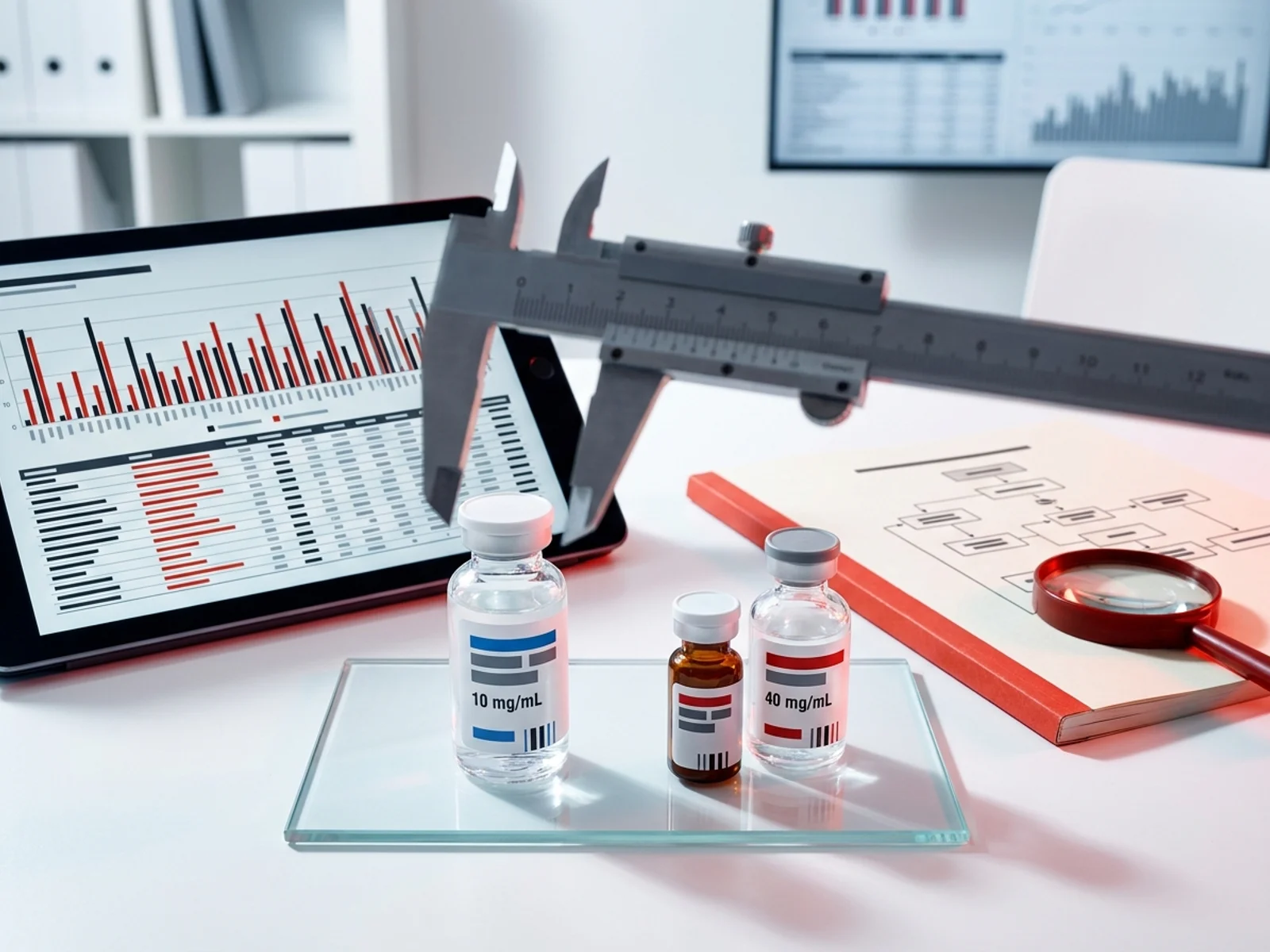
A 505(b)(2) application is not simply a generic. It can rely on existing findings for a previously approved drug while adding data to support a change: new formulation, route, dosage form, strength, combination, or other difference. The commercial thesis may be convenience, adherence, differentiated administration, pediatric use, abuse deterrence, reduced pill burden, or a new label element.
That difference can create value, but it also creates a payer question. If a cheaper generic exists, why pay for the 505(b)(2) product? The answer needs to be tied to an outcome the payer recognizes: fewer administrations, safer use, better adherence, avoided monitoring, or a population not well served by the older product.
Orange Book questions differ by pathway
For ANDA planning, the Orange Book read focuses on reference product, patents, exclusivity, and therapeutic-equivalence codes. For 505(b)(2), the Orange Book still matters, but the read is broader: listed patents, exclusivity risk, potential Paragraph IV issues, and whether the product can avoid being framed as a high-price version of something generic.
The launch team should ask:
Is there a reference listed drug?
Are there AB-rated generics?
What patents and exclusivities are listed?
Is the product substitution-eligible or differentiation-dependent?
Will payers classify it as a new product, a reformulation, or a line extension?
Payer positioning is the dividing line
An ANDA product wins by being therapeutically equivalent, available, and cheaper. A 505(b)(2) product wins only if the difference is meaningful enough to survive payer management. That might be easy when the product solves a real administration problem. It is harder when the product is a minor formulation change with limited clinical or operational value.
Payers may require step therapy through generic alternatives, prior authorization, or documentation that the differentiated feature is necessary. The launch message should anticipate that rather than framing every difference as value.
The commercial checklist
Use ANDA language when the business depends on generic substitution and price erosion. Use 505(b)(2) language when the business depends on differentiated use, reliance strategy, and payer recognition of a clinically or operationally meaningful change.
If the team cannot explain why a payer should prefer or reimburse the difference, the 505(b)(2) pathway may be regulatory convenience without commercial power.
Sources
FDA, Abbreviated New Drug Application pathway: https://www.fda.gov/drugs/types-applications/abbreviated-new-drug-application-anda
FDA, 505(b)(2) Applications: https://www.fda.gov/drugs/cder-small-business-industry-assistance-sbia/505b2-applications
FDA Orange Book: https://www.accessdata.fda.gov/scripts/cder/ob/index.cfm
FDA Drugs@FDA database: https://www.accessdata.fda.gov/scripts/cder/daf/