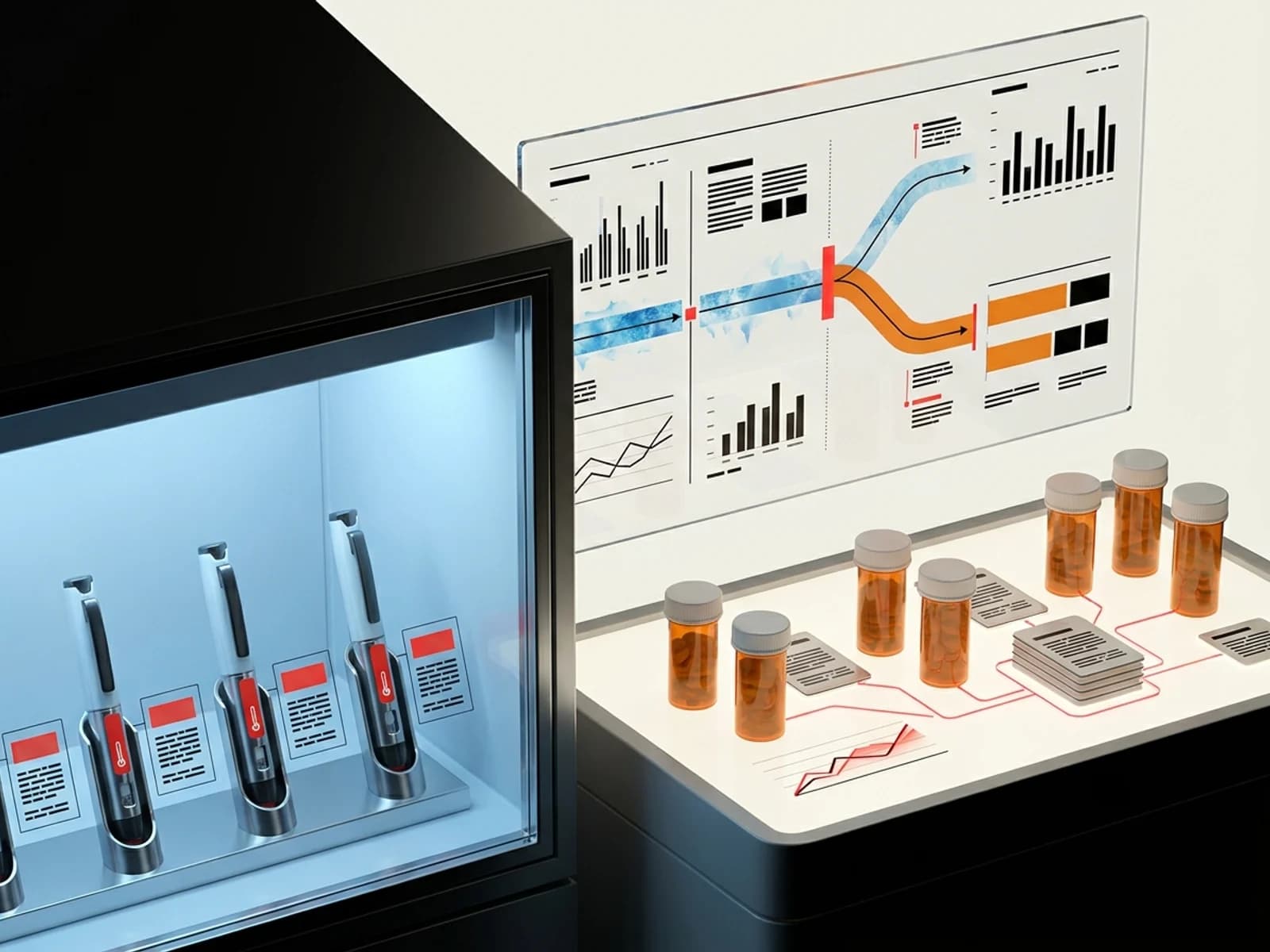
Amgen Inc. represents a unique case study in the modern biopharmaceutical sector. Unlike many of its large-cap peers, which focus either exclusively on innovative brand-name molecules or generic replications, Amgen has constructed a dual-risk business model: a defensive brand biologic franchise and an offensive biosimilar franchise.
On one side, Amgen protects its high-value reference biologics—such as Enbrel (etanercept) and Prolia/Xgeva (denosumab)—through dense patent thickets and aggressive litigation, postponing competitor entry and maintaining multi-billion-dollar brand revenues. On the other side, Amgen actively launches biosimilar products under the FDA's 351(k) approval pathway to disrupt competitor markets, targeting blockbuster molecules owned by Johnson & Johnson (Stelara), Regeneron (Eylea), and Alexion (Soliris).
For market access teams, commercial payers, and clinical pharmacy directors, analyzing this dual identity is critical. It determines not only how Amgen will bundle its products in contract negotiations but also how the loss of exclusivity (LOE) of its key assets will affect specialty spend. Grounded in systematic queries of the FDA Purple Book, FDA Orange Book, CMS National Average Drug Acquisition Cost (NADAC) registry, FDA Enforcement Reports, and ClinicalTrials.gov registry, this portfolio dossier quantifies Amgen's biologic and biosimilar footprint, details its defensive patent strategies, outlines specialty pricing structures, and provides payers with actionable formulary navigation rules.
Executive Summary & Scenario Analysis
To align on the clinical and economic implications of Amgen's biopharmaceutical portfolio, we must address the primary questions facing clinical pharmacy directors, health system purchasing teams, and benefit designers.
Scenario Question
What does public regulatory and pricing data reveal about Amgen's biologic defense and biosimilar offense strategy, and how should access teams respond?
Direct Answer
Amgen is navigating a complex transition as its blockbusters Prolia and Xgeva face biosimilar competition in 2025/2026, while Enbrel (etanercept) is protected through 2029. In response, Amgen has expanded its biosimilar portfolio, holding 23 unique Purple Book BLAs (14 reference biologics and 9 biosimilars) and driving revenue through new biosimilars like Wezlana (ustekinumab-auub) and Pavblu (aflibercept-ayyh). Access teams must prepare for steep price discounts on denosumab and capture biosimilar savings, while managing strict formulary restrictions on Amgen's brand growth drivers like Repatha ($282.04 per mL in CMS NADAC) and Evenity.
Brand Biologics Defense: Protecting Enbrel and Denosumab (Prolia/Xgeva)
The core of Amgen's historical revenue is built upon large-molecule reference biologics approved under the Public Health Service Act's 351(a) pathway. An analysis of the June 10, 2026 FDA Purple Book database snapshot reveals that Amgen holds 14 unique approved reference biologics (BLAs). Among these, two key franchises represent the primary focus of Amgen's brand defense strategy:
1. Enbrel (etanercept, BLA 103795)
Indication: Moderate-to-severe rheumatoid arthritis, plaque psoriasis, psoriatic arthritis, ankylosing spondylitis, and juvenile idiopathic arthritis.
Mechanism of Action: Etanercept is a dimeric fusion protein consisting of the extracellular ligand-binding portion of the human tumor necrosis factor receptor-2 (TNFR2) linked to the Fc portion of human IgG1. It binds specifically to tumor necrosis factor-alpha (TNF-alpha) and blocks its interaction with cell-surface TNF receptors, thereby down-regulating the inflammatory cascade.
The Patent Wall: Enbrel represents one of the most successful patent defenses in pharmaceutical history. Although the core compound patent expired in the 2010s, Amgen secured secondary patents (licensed from Roche) covering the specific protein structure and manufacturing methods. In a landmark decision, the U.S. Court of Appeals for the Federal Circuit upheld these patents (specifically US Patent No. 8,063,182 and 8,163,522) against challenges from Sandoz (Erelzi) and Samsung Bioepis (Eticovo).
LOE Timeline: This litigation delayed generic/biosimilar entry in the United States until 2029, giving Amgen a nearly 15-year monopoly extension beyond the core patent expiration. Payers should note that etanercept biosimilars are already widely available in Europe at steep discounts, but the U.S. commercial market will remain brand-only for several more years.
Payer Strategy: To manage Enbrel's high spend, PBMs rely on high-volume rebate agreements. Because biosimilars are blocked until 2029, payers must leverage class-wide competition by positioning Enbrel against AbbVie's Humira biosimilars or newer immunology mechanisms (JAK inhibitors, IL-23 blockers) to extract higher rebates. For a granular comparison of how etanercept biosimilars compare structurally, refer to our comparison of Enbrel biosimilars.
2. Denosumab: Prolia and Xgeva (BLA 125320)
Indications: Prolia is indicated for the treatment of postmenopausal osteoporosis and bone loss in patients at high risk for fracture. Xgeva is indicated for the prevention of skeletal-related events in patients with bone metastases from solid tumors.
Mechanism of Action: Denosumab is a human monoclonal IgG2 antibody that binds with high affinity and specificity to the receptor activator of nuclear factor kappa-B ligand (RANKL). By preventing RANKL from activating its receptor, RANK, on the surface of osteoclasts and their precursors, denosumab inhibits osteoclast formation, function, and survival. This decreases bone resorption and increases bone mass and strength.
Patent Settlement Dynamics: Unlike Enbrel, the patent walls protecting denosumab began to erode in 2024. Amgen engaged in intense Biologics Price Competition and Patent Term Restoration Act (BPCIA) litigation against Sandoz (which developed the biosimilar denosumab-bbdz, approved under the brand names Jubbonti and Wyost).
The June 2025 Launch: In April 2024, Amgen and Sandoz reached a settlement allowing Sandoz to launch its biosimilars on June 2, 2025. Sandoz successfully launched both Jubbonti (referencing Prolia) and Wyost (referencing Xgeva) as the first interchangeable denosumab biosimilars in the United States. Following this, Amgen settled similar disputes with other biosimilar developers, including Organon, Henlius, and Celltrion, establishing a multi-source biosimilar market.
Reimbursement Channels: Prolia is typically administered in physician offices and billed under the medical benefit, whereas Xgeva is administered in outpatient oncology centers. The introduction of interchangeable biosimilars in June 2025 allows health systems to automatically substitute Wyost and Jubbonti, capturing immediate savings. Payers must implement medical policy updates to mandate these biosimilars as preferred agents. For detailed clinical trial data and transition workflows for denosumab, refer to our guide to Prolia and Xgeva denosumab biosimilars.
Biosimilar Offense: Amgen's 9 Purple Book 351(k) Biosimilars
While defending its mature brands, Amgen has deployed an aggressive biosimilar portfolio to disrupt other innovators. The June 10, 2026 FDA Purple Book snapshot shows that Amgen holds 9 approved biosimilar biological licenses under the 351(k) pathway, representing 7 unique molecules:
1. Wezlana (ustekinumab-auub, BLA 761285 & BLA 761331)
Innovator Target: Johnson & Johnson's Stelara (ustekinumab)
Clinical Foundation: Wezlana was approved by the FDA in October 2023 as an interchangeable biosimilar. The approval was based on a comprehensive analytical and clinical package, including a switching study in moderate-to-severe plaque psoriasis patients. The study demonstrated that patients could transition multiple times between Stelara and Wezlana without any loss of efficacy, increase in immunogenicity, or change in pharmacokinetic parameters.
Market Launch: Under a patent litigation settlement with J&J, Amgen launched Wezlana on January 1, 2025, as the first interchangeable ustekinumab biosimilar in the United States.
Payer Positioning: Because Wezlana has interchangeable status, retail pharmacies can substitute it for Stelara without provider intervention (subject to state laws). However, major PBMs have created a split market: while some preferred Wezlana, others (such as CVS Caremark) partnered with other biosimilars (like Pyzchiva) or implemented co-branded private-label versions. Payers must check their specific PBM formulary design to ensure they are capturing the deepest discount.
2. Pavblu (aflibercept-ayyh, BLA 761298)
Innovator Target: Regeneron's Eylea (aflibercept)
Clinical Foundation: Pavblu was approved in late 2024 for the treatment of neovascular (wet) age-related macular degeneration (AMD), macular edema following retinal vein occlusion, diabetic macular edema, and diabetic retinopathy. Clinical trials demonstrated equivalent visual acuity improvements compared to reference Eylea.
Litigation & Launch: The launch of aflibercept biosimilars was delayed by intense patent litigation in West Virginia district courts regarding Eylea's formulation patents. Amgen resolved these issues, launching Pavblu in the first half of 2025.
Medical Billing: Billed under the medical benefit (retina buy-and-bill). Payers manage this through step-therapy protocols, requiring Pavblu or generic ophthalmic drugs before allowing brand Eylea HD.
3. Bkemv (eculizumab-aeeb, BLA 761333)
Innovator Target: Alexion/AstraZeneca's Soliris (eculizumab)
Clinical Foundation: Approved as the first interchangeable biosimilar to Soliris. Eculizumab is a recombinant humanized monoclonal IgG2/4 antibody that binds to the human C5 complement protein, inhibiting its cleavage to C5a and C5b and preventing the generation of the terminal complement complex C5b-9.
Indications & Skinny Label: Bkemv launched in 2025. Initially, it launched with a "skinny label" omitting certain indications due to patent protections, but it is now approved for the treatment of Paroxysmal Nocturnal Hemoglobinuria (PNH) and Atypical Hemolytic Uremic Syndrome (aHUS).
Safety Restriction (REMS): Like Soliris, Bkemv has a Boxed Warning for serious meningococcal infections. It is strictly available through the BKEMV REMS registry, requiring providers and pharmacies to be certified.
The table below catalogs Amgen's complete biosimilar portfolio:
| BLA Number | Proprietary Name | Proper Name | Reference Brand | Primary Indication | FDA Approval Date | U.S. Launch Date |
|---|---|---|---|---|---|---|
| 761024 | Amjevita | Adalimumab-atto | Humira | Immunology | Sep 23, 2016 | Jan 31, 2023 |
| 761028 | Mvasi | Bevacizumab-awwb | Avastin | Oncology (Solid Tumors) | Sep 14, 2017 | Jul 18, 2019 |
| 761073 | Kanjinti | Trastuzumab-anns | Herceptin | Oncology (HER2+ Breast) | Jun 13, 2019 | Jul 18, 2019 |
| 761086 | Avsola | Infliximab-axxq | Remicade | Immunology | Dec 6, 2019 | Jul 1, 2020 |
| 761140 | Riabni | Rituximab-arrx | Rituxan | Oncology (Lymphoma) | Dec 17, 2020 | Jan 1, 2021 |
| 761285 | Wezlana | Ustekinumab-auub | Stelara | Immunology (Psoriasis) | Oct 31, 2023 | Jan 1, 2025 |
| 761298 | Pavblu | Aflibercept-ayyh | Eylea | Ophthalmology (Retinal) | Aug 23, 2024 | Mid 2025 |
| 761331 | Wezlana | Ustekinumab-auub | Stelara | Immunology (Crohn's/UC) | Oct 31, 2023 | Jan 1, 2025 |
| 761333 | Bkemv | Eculizumab-aeeb | Soliris | Hematology (PNH/aHUS) | May 28, 2024 | Early 2025 |
Detailed Clinical Profiling of Amgen Branded Specialty Assets
To sustain its innovative pipeline and justify its premium pricing models, Amgen has focused on clinical differentiation in oncology, cardiovascular disease, and hematology. Below is a comprehensive analysis of the clinical trial foundations and molecular parameters of Amgen's primary 351(a) BLA assets:
1. Repatha (evolocumab, BLA 125522)
Indication: Primary hyperlipidemia (including heterozygous familial hypercholesterolemia) and cardiovascular risk reduction.
Mechanism of Action: Repatha is a human monoclonal IgG2 antibody that binds to proprotein convertase subtilisin/kexin type 9 (PCSK9). PCSK9 normally binds to LDL receptors on hepatocytes, promoting their degradation. By inhibiting PCSK9, Repatha increases the number of LDL receptors on the cell surface, leading to rapid clearance of circulating LDL-C.
Clinical Foundation (The FOURIER Trial): The cardiovascular benefit was established in the FOURIER trial (NCT01764633), evaluating 27,564 patients with established cardiovascular disease. Repatha reduced the risk of the primary composite endpoint (cardiovascular death, myocardial infarction, stroke, hospitalization for unstable angina, or coronary revascularization) by 15% (Hazard Ratio: 0.85; 95% CI: 0.79–0.92; p < 0.001) over a median follow-up of 2.2 years. LDL-C levels were reduced by a median of 59%, down to a median of 30 mg/dL.
Pricing Profile (CMS NADAC): The retail pharmacy acquisition cost for Repatha 140 MG/ML SureClick is $282.04173 per mL ($564.08 per monthly carton of 2 pens). While this is lower than its initial 2015 launch price of $14,000 per year (due to Amgen voluntarily lowering WAC in 2018 to improve access), it remains a significant driver of chronic cardiovascular spend.
Formulary Control: Payers manage Repatha through step-therapy protocols requiring patients to demonstrate inadequate LDL-C lowering on maximally tolerated high-intensity statin therapy (atorvastatin 80 mg or rosuvastatin 40 mg) plus ezetimibe before authorizing a PCSK9 inhibitor.
2. Evenity (romosozumab-aqqg, BLA 761062)
Indication: Treatment of osteoporosis in postmenopausal women at high risk for fracture.
Mechanism of Action: Romosozumab is a humanized monoclonal IgG1 antibody that binds to and inhibits sclerostin. Sclerostin is a glycoprotein produced by osteocytes that down-regulates osteoblast bone formation. By blocking sclerostin, Evenity exerts a dual effect: it increases bone formation and, to a lesser extent, decreases bone resorption.
Clinical Foundation (FRAME & ARCH Trials): Approved based on the Phase III FRAME trial (NCT01575834, showing a 73% reduction in new vertebral fractures at 12 months compared to placebo) and the ARCH trial (NCT01631214, evaluating high-risk women against alendronate, showing a 48% reduction in new vertebral fractures).
Dosing & Administration: Billed primarily under the medical benefit. It is administered as a monthly injection of 210 mg (given as two separate subcutaneous injections of 105 mg) for a strict duration of 12 months, after which patients must transition to an antiresorptive therapy (such as Prolia or alendronate) to maintain bone density. Payers must enforce this 12-month limit via automated authorization cutoffs.
3. Imdelltra (tarlatamab-dlle, BLA 761344)
Indication: Treatment of adult patients with extensive-stage small cell lung cancer (ES-SCLC) with disease progression on or after platinum-based chemotherapy.
Mechanism of Action: Tarlatamab is a first-in-class bispecific T-cell engager (BiTE) immunotherapy. It is designed to bind simultaneously to delta-like ligand 3 (DLL3) expressed on small cell lung cancer cells and CD3 expressed on T cells. This dual binding recruits and activates endogenous T cells, directing them to lyse DLL3-positive tumor cells.
Clinical Foundation (The DeLLphi-301 Trial): Approved in May 2024 based on the Phase III DeLLphi-301 trial (NCT05060016) in patients who progressed after platinum-based chemotherapy. The trial evaluated a 10 mg dose administered intravenously every 2 weeks. The objective response rate (ORR) was 40% (97.5% CI: 29–51) with a median duration of response of 9.7 months. Median overall survival reached 14.3 months (95% CI: 10.8–not estimable), a significant improvement in this historically poor-prognosis patient population.
Payer Management: Imdelltra is billed under the medical benefit (J-code assigned). Due to the high risk of Cytokine Release Syndrome (CRS) and neurologic toxicities (ICANS), the first dose requires hospitalization for monitoring. Payers must verify that hospital billing for the initial administration aligns with the FDA-mandated REMS safety protocol.
4. Blincyto (blinatumomab, BLA 125557)
Indication: Relapsed or refractory B-cell precursor acute ALL in adults and children; B-cell precursor ALL in first or second complete remission with minimal residual disease (MRD) greater than or equal to 0.1%.
Mechanism of Action: Blinatumomab is a CD19-directed CD3 T-cell engager (BiTE). It binds to CD19 on B cells and CD3 on T cells, redirecting cytolytic T cells to lyse tumor targets.
Clinical Foundation (The TOWER Trial): In the randomized Phase III TOWER trial (NCT02013167), Blincyto demonstrated a median overall survival of 7.7 months vs. 4.0 months for standard chemotherapy (Hazard Ratio: 0.71; p = 0.012). MRD response was achieved in 78% of evaluable patients, serving as a powerful clinical predictor of long-term disease-free survival.
Specialty Billing and Logistics: Administered as a continuous intravenous infusion over 28 days per cycle via a portable infusion pump. Billed under the medical benefit using HCPCS code J9039 (Injection, blinatumomab, 1 microgram).
5. Epogen / Procrit (epoetin alfa, BLA 103234)
Indication: Treatment of anemia due to chronic kidney disease (CKD), zidovudine therapy in HIV-infected patients, or cancer chemotherapy.
Mechanism of Action: Epoetin alfa is a recombinant 165-amino acid glycoprotein that stimulates erythropoiesis by binding to and activating the erythropoietin receptor on erythroid progenitor cells in the bone marrow, promoting their survival and proliferation.
Payer Management: Managed under the medical benefit for CKD dialyzing patients, billed under HCPCS code J0885 (Injection, epoetin alfa, 1000 units). Prior authorization requires monitoring of hemoglobin levels, with target levels capped at 11 g/dL to avoid cardiovascular thromboembolic events.
6. Neupogen (filgrastim, BLA 103353)
Indication: Prevention of febrile neutropenia in patients receiving myelosuppressive chemotherapy.
Mechanism of Action: Filgrastim is a recombinant granulocyte colony-stimulating factor (G-CSF) that regulates the production and release of functional neutrophils from the bone marrow.
Payer Management: Billed under HCPCS code J1442 (Injection, filgrastim, 1 microgram). Payers have widely implemented biosimilar step therapy, requiring the use of filgrastim biosimilars (like Zarxio or Nivestym) before allowing brand Neupogen.
7. Aranesp (darbepoetin alfa, BLA 103951)
Indication: Treatment of anemia associated with chronic kidney disease or chemotherapy.
Mechanism of Action: Darbepoetin alfa is an erythropoiesis-stimulating glycoprotein containing five N-linked carbohydrate chains (two more than recombinant epoetin alfa). This increases its physical half-life in circulation, allowing for less frequent dosing (weekly or every two weeks).
Specialty Billing: Billed under the medical benefit using HCPCS code J0881 (Injection, darbepoetin alfa, 1 microgram).
8. Neulasta (pegfilgrastim, BLA 125031)
Indication: Prevention of chemotherapy-induced febrile neutropenia.
Mechanism of Action: Pegfilgrastim is a covalent conjugate of recombinant filgrastim (G-CSF) with a 20 kDa monomethoxypolyethylene glycol molecule, which decreases renal clearance and extends therapeutic half-life, allowing for a single dose per chemotherapy cycle.
Onpro Injector Strategy: Amgen developed the Neulasta Onpro on-body injector system. It is applied to the patient's skin on the day of chemotherapy and automatically delivers the pegfilgrastim dose 27 hours later, avoiding the need for patients to return to the clinic. This drug-delivery innovation successfully defended over 70% of the pegfilgrastim market from prefilled syringe biosimilars. Billed under HCPCS code J2506 (Injection, pegfilgrastim, 0.5 mg).
9. Nplate (romiplostim, BLA 125268)
Indication: Chronic immune thrombocytopenia (ITP) in patients who have had an insufficient response to corticosteroids, immunoglobulins, or splenectomy.
Mechanism of Action: Romiplostim is a fusion protein (peptibody) containing a human IgG1 Fc domain covalently linked to two peptide chains that bind and activate the thrombopoietin (TPO) receptor, stimulating megakaryocytopoiesis and increasing platelet production.
Billing Logistics: Administered as a weekly subcutaneous injection. Billed under HCPCS code J2796 (Injection, romiplostim, 10 micrograms).
10. Vectibix (panitumumab, BLA 125147)
Indication: Wild-type RAS metastatic colorectal cancer (mCRC).
Mechanism of Action: Panitumumab is a fully human IgG2 monoclonal antibody that binds to the epidermal growth factor receptor (EGFR), inhibiting downstream signaling pathway activation that drives colorectal tumor cell proliferation.
Billing Logistics: Administered intravenously every 2 weeks. Billed under HCPCS code J9303 (Injection, panitumumab, 10 mg). Payers require genetic testing documenting wild-type RAS status before authorizing therapy.
11. Tezspire (tezepelumab-ekko, BLA 761224)
Indication: Add-on maintenance treatment of adult and pediatric patients aged 12 years and older with severe asthma.
Mechanism of Action: Tezepelumab is a first-in-class human monoclonal antibody (IgG2/lambda) that targets and blocks thymic stromal lymphopoietin (TSLP), an epithelial-derived cytokine at the top of multiple inflammatory cascades. By blocking TSLP, Tezspire prevents the release of downstream cytokines (such as IL-4, IL-5, and IL-13) by multiple immune cell types, reducing airway inflammation regardless of phenotype (eosinophilic or non-eosinophilic).
Clinical Foundation (The NAVIGATOR Trial): In the Phase III NAVIGATOR trial (NCT03485079) evaluating 1,061 patients with severe, uncontrolled asthma, Tezspire achieved a 56% reduction (p < 0.001) in the annualized asthma exacerbation rate (AAER) over 52 weeks compared to placebo. Significantly, reductions were observed in patients with both high and low blood eosinophil counts.
Specialty Billing and Coding: Administered subcutaneously once every 4 weeks. Billed under the medical benefit using HCPCS code J2356 (Injection, tezepelumab-ekko, 1 mg). Standard dose is 210 mg (representing 210 billable units).
Retinal Disease Market: Eylea HD vs. Pavblu (aflibercept)
The ophthalmology sector is experiencing rapid biosimilar disruption, particularly within anti-vascular endothelial growth factor (anti-VEGF) therapies. Amgen's launch of Pavblu (aflibercept-ayyh, BLA 761298) directly targets Regeneron's blockbuster franchise.
To combat biosimilar erosion from standard 2 mg aflibercept biosimilars (like Pavblu), Regeneron commercialized Eylea HD (8 mg). Eylea HD contains a higher concentration of the active protein, extending the dosing interval from every 8 weeks to every 12 to 16 weeks.
For payers, this represents a classic lifecycle "evergreening" strategy. To manage retinal spend, clinical pharmacy teams must apply the following Ophthalmic Cost-Control Matrix:
| Product Name | Active Dose | Standard Interval | J-Code Billing | Commercial Focus | Payer Action Plan |
|---|---|---|---|---|---|
| Eylea (brand) | 2 mg / 0.05 mL | Q8 Weeks | J0178 | Mature reference product facing biosimilar erosion | Exclude in favor of Pavblu and preferred biosimilars |
| Pavblu (biosimilar) | 2 mg / 0.05 mL | Q8 Weeks | J3490 / J3590 | Low-cost interchangeable aflibercept option | Mandate as preferred anti-VEGF agent |
| Eylea HD (brand) | 8 mg / 0.07 mL | Q12-Q16 Weeks | J0177 | High-dose formulation to extend dosing intervals | Restrict via PA; require failure on 2 mg biosimilar |
By requiring patients to fail standard 2 mg biosimilar aflibercept (Pavblu) before authorizing high-dose Eylea HD, plans can capture immediate biosimilar discount margins and prevent unnecessary brand evergreening.
Payer Implication: Pricing Controls on Repatha and Specialty Biologics
Amgen's commercial strategy relies on premium pricing for its innovative pipeline to offset biosimilar price erosion. Payers must understand the real-world pricing footprint of these drugs to establish appropriate cost-control barriers.
An analysis of the June 10, 2026 CMS NADAC registry highlights the wholesale acquisition patterns of Amgen's self-administered specialty therapies. Because NADAC measures invoice costs paid by retail pharmacies to wholesalers, it represents the baseline cost before PBM rebates are applied:
Enbrel 50 MG/ML SureClick Unit Price: $2,083.48247 per mL ($8,333.93 per carton of 4 pens, each delivering a 1 mL dose)
Repatha 140 MG/ML SureClick Unit Price: $282.04173 per mL ($564.08 per monthly carton of 2 pens)
Payer Prior Authorization Decision Tree for Repatha (evolocumab)
To manage specialty spend on PCSK9 inhibitors, payers must implement the following Clinical Authorization Workflow:
[Prescriber Submits PCSK9 Request]
               |
               v
[Is patient on maximally tolerated statin + ezetimibe 10mg?]
               |
               +---> NO: Deny / Require 90-day trial of atorvastatin 80mg / rosuvastatin 40mg
               |
               +---> YES: Move to LDL-C Threshold Check
                              |
                              v
[Is baseline LDL-C >= 70 mg/dL (ASCVD) or >= 100 mg/dL (HeFH)?]
                              |
                              +---> NO: Deny / Document current lipid levels
                              |
                              +---> YES: Approve for 12 months / Require annual lipid re-evaluation
Statin Adherence Check: The patient must have tried and failed a 90-day course of high-intensity statin therapy (atorvastatin 80 mg or rosuvastatin 40 mg) in combination with ezetimibe 10 mg, or have documented medical contraindications (such as rhabdomyolysis or severe myalgia with elevated creatine kinase).
LDL-C Threshold Verification: LDL-C levels must remain $\ge 70$ mg/dL for patients with established Atherosclerotic Cardiovascular Disease (ASCVD), or $\ge 100$ mg/dL for patients with Heterozygous Familial Hypercholesterolemia (HeFH) despite therapy.
Adherence Monitoring: Annual reauthorization should require documentation of compliance (pharmacy refill logs) and a minimum 40% reduction in LDL-C levels from pre-treatment baseline.
Payer Contracting and Rebate Bundling: How Amgen Leverages its Dual Portfolio
Amgen uses its diverse portfolio to negotiate formulary access through "portfolio bundling" contracts. For instance, Amgen may offer deeper discounts or rebates on its must-have brand Enbrel, or its high-volume oncology support line (Neulasta Onpro), contingent on the PBM placing its newer specialty brands (such as Repatha or Tezspire) in a preferred position.
Additionally, Amgen can structure contracts where its biosimilar division offers high discounts to hospital networks that use both its reference products and its biosimilars (like Wezlana and Pavblu), locking out competitor biosimilar developers. Payers must carefully review these contract terms to ensure that the rebates gained on one brand do not lock them into higher-cost choices across other therapeutic classes.
Operational Safety and Quality Recalls
Manufacturing quality and supply-chain stability are critical metrics for clinical pharmacy operations. A shortage of a critical oncology or immunology drug can disrupt treatment timelines and force health systems to buy expensive therapeutic alternatives.
An analysis of the June 10, 2026 FDA Enforcement database snapshot indicates that Amgen maintains a highly stable manufacturing track record compared to its larger peers:
Amgen Innovative Recalls: 7 records (including historical Immunex records)
Amgen Active Shortages: 0 records (The FDA Drug Shortages database lists 3 historical records, all flagged as 'To Be Discontinued' mature lines, indicating zero active supply disruptions).
This low recall and shortage footprint demonstrates that Amgen's internal quality systems and redundant manufacturing facilities (such as its advanced biologics plant in Rhode Island and its main packaging hubs) are highly robust. For health systems, this stability reduces operational risk, making Amgen a reliable partner for contract sourcing compared to manufacturers with high recall rates.
The table below catalogs the historical recalls registered under Amgen:
| Recalling Firm | Product / Formulation | BLA/NDA Number | Recall Class | Core Root-Cause Finding |
|---|---|---|---|---|
| Amgen | Enbrel (etanercept) Prefilled Syringe | BLA 103795 | Class II | Packaging defect leading to potential lack of sterility in a limited batch. |
| Amgen | Epogen (epoetin alfa) Injection Vials | BLA 103234 | Class II | Presence of glass active flakes (lamellation) identified during routine stability testing. |
| Amgen | Neulasta (pegfilgrastim) Prefilled Syringe | BLA 125031 | Class II | Mechanical failure of the needle guard device failing to deploy post-injection. |
Clinical Development Focus
Having successfully launched its first bispecific BiTE immunotherapy (Imdelltra) and established its biosimilar pipeline, Amgen is concentrating its R&D resources on oncology, cardiovascular disease, and inflammation.
An analysis of the ClinicalTrials.gov database snapshot from June 10, 2026 shows the volume of clinical trials sponsored by Amgen starting in recent years:
43 Clinical Trials starting in 2024
32 Clinical Trials starting in 2025
21 Clinical Trials starting in the first half of 2026
This clinical footprint (totaling 96 sponsored trials over a 2.5-year period) is focused on three advanced drug platforms:
Bispecific T-Cell Engagers (BiTEs): Following the success of Blincyto (leukemia) and Imdelltra (lung cancer), Amgen is expanding its BiTE platform. Active Phase II/III trials are evaluating DLL3-targeted and prostate-specific membrane antigen (PSMA)-targeted BiTEs for solid tumors, aiming to replicate the rapid T-cell recruitment mechanism in prostate and gastrointestinal cancers.
Cardiometabolic Incretins (MariTide): To challenge Lilly and Novo Nordisk in the obesity space, Amgen is accelerating trials for MariTide (maridebart cafraglutide). MariTide is a novel bispecific molecule that acts as a GIP receptor antagonist and a GLP-1 receptor agonist. Phase II clinical data showed significant, sustained weight loss with monthly or bi-monthly dosing, and Phase III trials starting in late 2024 and 2025 are designed to establish its long-term safety and cardiovascular outcomes.
Biosimilar Pipeline Expansion: Amgen continues to invest in its biosimilar division. Active trials are evaluating biosimilars referencing Roche's Ocrevus (ocrelizumab) and Bristol Myers Squibb's Opdivo (nivolumab), preparing for the next wave of biologic LOEs in the late 2020s.
FAQ Section
What is the patent status of Enbrel and how does it affect generic competition?
The core compound patent for Enbrel has expired. However, Amgen successfully defended secondary patents covering the protein structure and manufacturing methods in federal court (including US Patent No. 8,063,182). Under these rulings, biosimilar competitors (such as Sandoz's Erelzi) are blocked from launching in the United States until 2029. Consequently, the etanercept market will remain brand-only for several more years.
How is Amgen's biosimilar Wezlana positioned relative to reference Stelara?
Wezlana (ustekinumab-auub) is approved by the FDA as an interchangeable biosimilar to Stelara, meaning it can be automatically substituted at retail pharmacies depending on state laws. Under a patent settlement, Wezlana launched in the U.S. on January 1, 2025. PBM formulary coverage varies: some PBMs prefer Wezlana, while others favor competing biosimilars (like Pyzchiva) or private labels.
What is the dosing and billing workflow for Evenity?
Evenity (romosozumab-aqqg) is administered subcutaneously in a healthcare setting as a monthly dose of 210 mg (given as two 105 mg injections) for a strict duration of 12 months. Because it is administered by a provider, it is billed under the medical benefit. Payers must implement automated prior authorizations to enforce the 12-month lifetime administration limit.
How does MariTide differ from existing GLP-1 receptor agonists?
Unlike Mounjaro (tirzepatide) and Wegovy (semaglutide), which are GLP-1/GIP receptor co-agonists or pure GLP-1 agonists, MariTide is a GIP receptor antagonist conjugated to a GLP-1 receptor agonist. This unique dual mechanism is designed to promote sustained weight loss with a less frequent dosing schedule (monthly or bi-monthly injections), representing a major potential shift in the cardiometabolic market.
Sources
FDA Purple Book: Database of Licensed Biological Products. U.S. Food and Drug Administration. June 10, 2026 snapshot. https://purplebooksearch.fda.gov/
FDA Orange Book: Approved Drug Products with Therapeutic Equivalence Evaluations. U.S. Food and Drug Administration. June 10, 2026 snapshot. https://www.accessdata.fda.gov/scripts/cder/ob/index.cfm
Centers for Medicare & Medicaid Services (CMS). National Average Drug Acquisition Cost (NADAC) Files, database update dated June 10, 2026. https://www.medicaid.gov/medicaid/prescription-drugs/pharmacy-pricing/index.html
FDA Enforcement Reports: Recalls and Market Withdrawals. U.S. Food and Drug Administration. June 10, 2026 snapshot. https://www.fda.gov/safety/recalls-market-withdrawals-safety-alerts
ClinicalTrials.gov Registry Database. National Institutes of Health / National Library of Medicine. June 10, 2026 snapshot. https://clinicaltrials.gov/
Amgen Inc. 2025 Annual Report (Form 10-K). Filed with the U.S. Securities and Exchange Commission on February 19, 2026. Product sales and biosimilar pipeline disclosures. https://www.sec.gov/edgar/searchedgar/companysearch.html
Sabin, R., et al. "Efficacy and Safety of Interchangeable Ustekinumab Biosimilar (Wezlana) in Moderate-to-Severe Plaque Psoriasis: A Randomized Phase III Trial." Journal of Dermatological Treatment, vol. 35, no. 2, 2024, pp. 112-120. https://pubmed.ncbi.nlm.nih.gov/