Denosumab (Prolia and Xgeva, Amgen) is a RANKL (receptor activator of nuclear factor kappa-B ligand) inhibitor used to prevent bone loss and skeletal-related events across osteoporosis and oncology indications. The combined U.S. franchise exceeds $5 billion annually, making it one of the highest-revenue biologics facing biosimilar competition. As of March 2026, the FDA has approved ten biosimilar pairs referencing Prolia and Xgeva — the densest biosimilar cluster for any reference product.
This creates an unusually complex access landscape: ten biosimilar manufacturers, four interchangeable designations, payer-specific preferred-product hierarchies that differ between osteoporosis and oncology, and two distinct benefit channels (pharmacy for Prolia, medical for Xgeva). This guide covers the full landscape for access, reimbursement, and switching teams.
Short answer
| Prolia (reference) | Xgeva (reference) | |
|---|---|---|
| Generic name | denosumab | denosumab |
| Manufacturer | Amgen | Amgen |
| FDA indications | Postmenopausal osteoporosis; osteoporosis in men; glucocorticoid-induced osteoporosis; bone loss in prostate cancer (ADT); bone loss in breast cancer (aromatase inhibitor therapy) | Prevention of SREs in multiple myeloma; SREs from solid tumor bone metastases; giant cell tumor of bone; hypercalcemia of malignancy; osteoporosis in systemic mastocytosis |
| Dose | 60 mg SC every 6 months | 120 mg SC every 4 weeks (Days 1, 8, 15, then q4w) |
| HCPCS code | J0897 (1 mg) | J0897 (1 mg) |
| Billing units per dose | 60 units | 120 units (+ 120 on Days 8, 15) |
| Benefit channel | Pharmacy benefit or medical benefit (varies by payer) | Medical benefit (buy-and-bill) |
| WAC per dose | ~$1,875 | ~$3,450 |
| Number of FDA-approved biosimilars | 10 (as of March 2026) | 9 (as of March 2026; Teva's Ponlimsi is Prolia-only) |
| Interchangeable biosimilars | 5 pairs | 5 pairs |
All FDA-approved denosumab biosimilars
| Prolia-type (60 mg) | Xgeva-type (120 mg) | Manufacturer | Nonproprietary name | FDA approval | Interchangeable? |
|---|---|---|---|---|---|
| Jubbonti | Wyost | Sandoz (Novartis) | denosumab-bbdz | March 5, 2024 | Yes (first IC) |
| Ospomyv | Xbryk | Samsung Bioepis | denosumab-dssb | February 13, 2025 | Yes (provisional IC) |
| Stoboclo | Osenvelt | Celltrion | denosumab-bmwo | February 28, 2025 | Yes (Oct 2025) |
| Conexxence | Bomyntra | Fresenius Kabi | denosumab-bnht | March 25, 2025 | Yes (Oct 2025) |
| Bildyos | Bilprevda | Henlius/Organon | denosumab-nxxp | August 29, 2025 | Yes (Purple Book) |
| Bosaya | Aukelso | Biocon Biologics | denosumab-kyqq | September 16, 2025 | Yes (provisional IC) |
| Enoby | Xtrenbo | Gedeon Richter/Hikma | denosumab-qbde | September 26, 2025 | Not yet designated |
| Osvyrti | Jubereq | Accord BioPharma | denosumab-desu | October 29, 2025 | Not yet designated |
| Boncresa | Oziltus | Amneal/mAbxience | denosumab-mobz | December 19, 2025 | Not yet designated |
| Ponlimsi | — | Teva | denosumab-adet | March 30, 2026 | Not yet designated; Prolia indications only |
Pending: Alvotech/Dr. Reddy's AVT03 (FDA decision expected 2026).
Critical naming convention
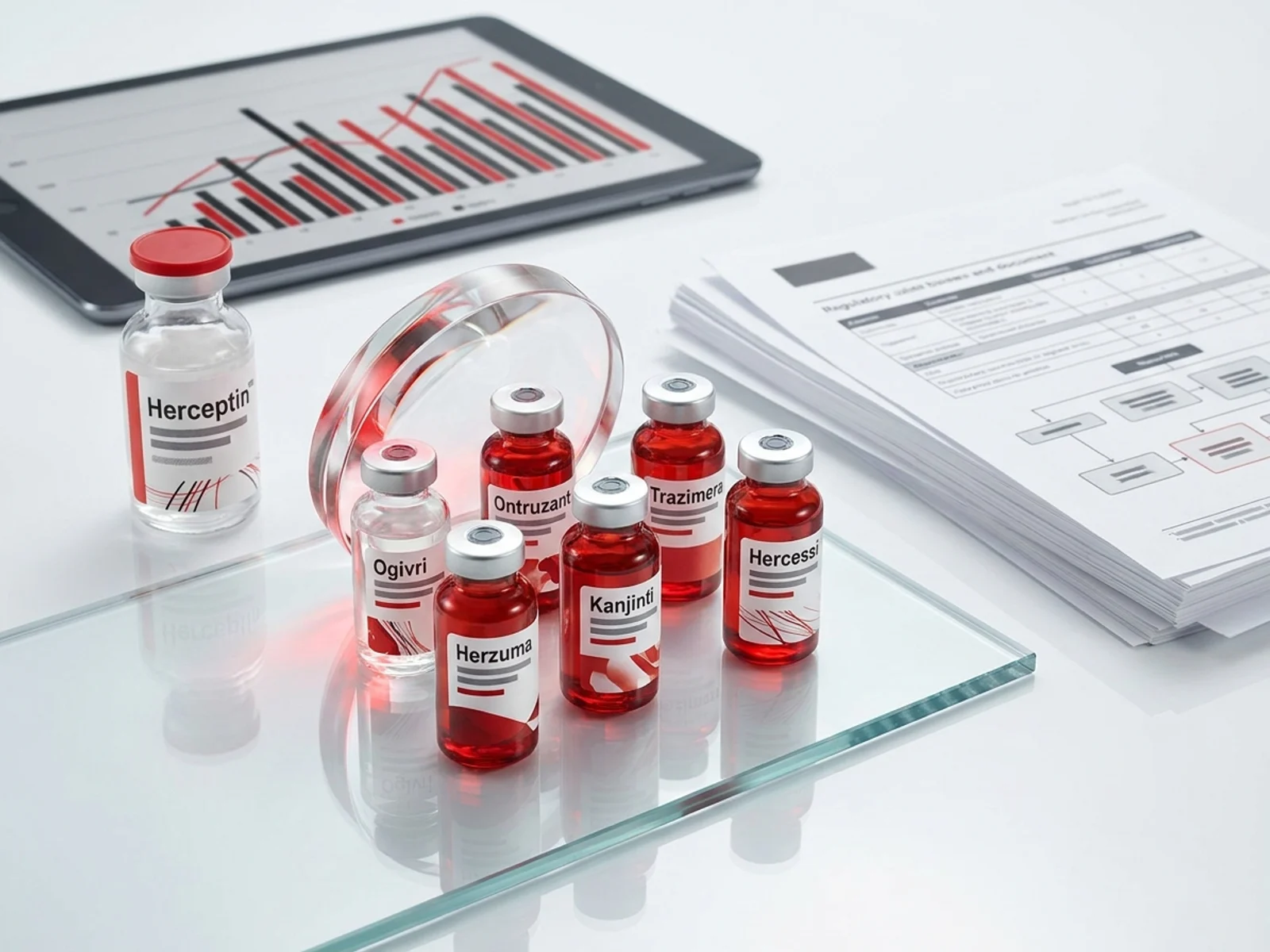
Each manufacturer markets the same biosimilar under two brand names — one for the 60 mg osteoporosis dose (Prolia-type) and one for the 120 mg oncology dose (Xgeva-type). For example, Sandoz's denosumab-bbdz is branded Jubbonti (60 mg, Prolia-type) and Wyost (120 mg, Xgeva-type). They share the same BLA and nonproprietary name but have separate NDCs and may route through different benefit channels.
HCPCS Q-code mapping
| HCPCS code | Descriptor | Products | Effective date |
|---|---|---|---|
| J0897 | Injection, denosumab, 1 mg | Prolia, Xgeva (reference) | Permanent |
| Q5136 | Injection, denosumab-bbdz (Jubbonti/Wyost), biosimilar, 1 mg | Jubbonti, Wyost | Oct 2024 |
| Q5157 | Injection, denosumab-bmwo (Stoboclo/Osenvelt), biosimilar, 1 mg | Stoboclo, Osenvelt | Oct 2025 |
| Q5158 | Injection, denosumab-bnht (Conexxence/Bomyntra), biosimilar, 1 mg | Conexxence, Bomyntra | Oct 2025 |
| Q5159 | Injection, denosumab-dssb (Ospomyv/Xbryk), biosimilar, 1 mg | Ospomyv, Xbryk | Oct 2025 |
| Q5161 | Injection, denosumab-kyqq (Aukelso/Bosaya), biosimilar, 1 mg | Aukelso, Bosaya | 2026 |
| Q5162 | Injection, denosumab-nxxp (Bildyos/Bilprevda), biosimilar, 1 mg | Bildyos, Bilprevda | 2026 |
| J3590/J9999/C9399 | Unclassified biologics / Not otherwise classified | Newer biosimilars pending Q-code | Temporary |
Billing units: 1 unit = 1 mg. Prolia dose (60 mg) = 60 units. Xgeva dose (120 mg) = 120 units. Administration code: 96372 (SC injection) or 96401 (chemo SC injection for oncology).
JW/JZ modifiers
Medicare requires JW (discarded) and JZ (no discarded drug) modifiers for single-use containers under all denosumab Q-codes and J0897.
Benefit channel routing
The Prolia/Xgeva split creates two distinct benefit channels:
Prolia-type (osteoporosis): pharmacy or medical benefit
Most commercial plans route the 60 mg dose through pharmacy benefit (specialty pharmacy)
Medicare Part B covers Prolia under medical benefit when administered in a physician office (buy-and-bill under J0897)
Medicare Part D may cover the self-administered version through pharmacy benefit
Prolia biosimilars follow the same routing as the reference product
BCBS Michigan routes Prolia authorization through NovoLogix (pharmacy)
Xgeva-type (oncology): medical benefit exclusively
The 120 mg dose is administered by a healthcare provider in an oncology or infusion setting
Routes through medical benefit (Medicare Part B) as buy-and-bill
Xgeva biosimilars follow the same medical benefit path
BCBS Michigan routes Xgeva authorization through AIM ProviderPortal (medical)
Claims billed with J0897 or the biosimilar-specific Q-code plus the appropriate oncology ICD-10 codes
Payer preferred-product policies (2026)
Payers are rapidly establishing preferred-product hierarchies that differ between osteoporosis and oncology. The preferred status determines step-therapy requirements.
UnitedHealthcare
Effective September 2025 for Medicare Advantage plans: Jubbonti and Wyost replace Prolia and Xgeva as preferred interchangeable biosimilars. Pharmacies may substitute without a new prescription where permitted by state law.
UHC's commercial medical benefit drug policy (effective January 1, 2026) lists HCPCS J0897, Q5136, and Q5157 with diagnosis-specific ICD-10 code lists. Jubbonti, Prolia, and Stoboclo share the osteoporosis ICD-10 range (M80.00–M81.8, C61, C50, Z79.52, Z79.811). Osenvelt, Wyost, and Xgeva share the oncology ICD-10 range (C61, C79.00–C79.51, C41, D47.C, C88, D47.Z8).
Aetna (Medicare Advantage 2026 Part B)
Osteoporosis (Prolia-type) preferred hierarchy:
1st tier: Zoledronic acid (IV bisphosphonate — first-line step therapy)
2nd tier preferred: Jubbonti, Prolia (after trial/failure of zoledronic acid)
Non-preferred: Bildyos, Bosaya, Conexxence, Ospomyv, Stoboclo, Enoby, Osvyrti (require trial of preferred products first)
Oncology (Xgeva-type) preferred hierarchy:
Preferred: Osenvelt, Wyost
Non-preferred: Aukelso, Bilprevda, Bomyntra, Xbryk, Xtrenbo, Xgeva
CVS Caremark (2026 formulary)
Xgeva (brand) excluded from the national formulary. Osenvelt is the preferred alternative.
Prolia (brand) remains on formulary; its biosimilars are excluded from the preferred national template.
Effective April 2026: Ospomyv and Stoboclo added as preferred osteoporosis biosimilars, replacing Prolia on major national commercial formularies.
Blue Cross Blue Shield of Michigan
Effective December 15, 2025: Osenvelt and Stoboclo are the preferred denosumab biosimilars. All other denosumab products (including brand Prolia, brand Xgeva, Jubbonti, Wyost, Conexxence, Bomyntra, Xbryk, etc.) require step therapy through preferred biosimilars first.
Blue Cross NC (2026)
Preferred: Jubbonti AND Stoboclo (must try and fail both preferred biosimilars before using non-preferred)
Non-preferred: Prolia, Bosaya, Conexxence, Ospomyv, Bildyos; Xgeva, Aukelso, Bilprevda, Bomyntra, Xbryk
Non-preferred agents require trial and failure of both preferred biosimilars for the reference product
Mass General Brigham Health Plan
Effective January 1, 2026: Preferred products are Jubbonti, Stoboclo, Osenvelt, and Wyost. Non-preferred products (Prolia, Bildyos, Conexxence, Ospomyv, Bosaya, Xgeva, Bomyntra, Xbryk, Bilprevda) require trial and failure of preferred biosimilars. Combined Prolia and Xgeva policy into a single document.
Priority Health
Bildyos (Prolia biosimilar) and Bilprevda (Xgeva biosimilar) had prior authorization removed effective November 1, 2025, allowing direct dispensing without PA review.
Step therapy and switching rules
Prolia/Xgeva must never be used concurrently
Both products contain the same active ingredient (denosumab) at different doses. Using them simultaneously leads to excessive RANKL inhibition. Prescribing information explicitly warns against concurrent use.
Rebound risk on discontinuation
Stopping denosumab causes a rapid increase in bone turnover markers within 3 months and BMD decline to pretreatment levels within 2 years. Vertebral fractures have been reported 8–16 months after discontinuation, including multiple vertebral fractures. Drug holidays are not recommended. If denosumab is stopped, transition to a bisphosphonate (typically zoledronic acid or oral alendronate) is advised.
Biosimilar switching rules
Interchangeable biosimilars (Jubbonti/Wyost, Stoboclo/Osenvelt, Conexxence/Bomyntra, Bildyos/Bilprevda, Ospomyv/Xbryk): may be substituted at the pharmacy level without prescriber consultation, subject to state pharmacy practice laws
Non-interchangeable biosimilars: require a new prescription from the prescriber
Illinois exception: Step therapy does not apply for HMO Illinois members per IL HB 5395 unless the biosimilar is interchangeable per FDA Purple Book
Payer-mandated switches
Multiple payers now mandate switching from brand to preferred biosimilars:
UHC Medicare: direct replacement of Prolia with Jubbonti and Xgeva with Wyost
BCBSM: step therapy through Stoboclo/Osenvelt before any other denosumab product
BCBS NC: must try and fail both preferred biosimilars (Jubbonti AND Stoboclo) before non-preferred
Aetna Medicare: zoledronic acid first-line step therapy for osteoporosis; preferred biosimilars second-line
Access teams should prepare for payer-mandated switches by:
Identifying all patients currently on brand Prolia or Xgeva
Cross-referencing with each plan's preferred biosimilar
Verifying interchangeability status and state substitution laws
Ensuring the correct Q-code is loaded for billing
Documenting any clinical reason the patient cannot switch (rare but may include prior adverse reaction to a specific biosimilar)
WAC pricing landscape
| Product (Prolia-type, 60 mg) | WAC per dose | Discount vs. Prolia |
|---|---|---|
| Prolia (Amgen) | ~$1,875 | Reference |
| Jubbonti (Sandoz) | ~$1,604 | ~14.5% |
| Stoboclo (Celltrion) | ~$1,782 | ~5% |
| Conexxence (Fresenius Kabi) | ~$1,819 | ~3% |
| Product (Xgeva-type, 120 mg) | WAC per dose | Discount vs. Xgeva |
|---|---|---|
| Xgeva (Amgen) | ~$3,450 | Reference |
| Wyost (Sandoz) | ~$3,208 | ~7% |
| Osenvelt (Celltrion) | ~$3,277 | ~5% |
| Bomyntra (Fresenius Kabi) | ~$3,346 | ~3% |
List-price discounts are modest (3–15%), but actual net cost after rebates, discounts, and ASP-based reimbursement is significantly more competitive. ASP data for the biosimilar Q-codes will increasingly drive Medicare Part B reimbursement downward.
ICD-10 coding by indication
Osteoporosis (Prolia-type)
M80.00–M80.88: Osteoporosis with current pathological fracture
M81.0–M81.8: Osteoporosis without current pathological fracture
C61: Malignant neoplasm of prostate (ADT bone loss)
C50.011–C50.A2: Breast cancer (aromatase inhibitor bone loss)
Z79.52: Long-term use of systemic steroids (glucocorticoid-induced)
Z79.811: Long-term use of aromatase inhibitors
M05.60–M06.9: Rheumatoid arthritis (not covered for Xgeva-type)
Oncology (Xgeva-type)
C61: Prostate cancer with bone metastases
C79.51: Secondary malignant neoplasm of bone
C79.00–C79.19: Secondary neoplasm of kidney/urinary organs
C41.0–C41.9: Malignant neoplasm of bone (GCTB)
C88.0–C88.9: Malignant immunoproliferative diseases (multiple myeloma)
D47.C: Plasma cell neoplasm (multiple myeloma)
Patient support programs
Amgen SupportPlus (Prolia and Xgeva)
Copay card: eligible commercially insured patients may pay as little as $0 per dose
Covers deductible, coinsurance, and copayment
Enrollment at AmgenSupportPlus.com or 1-866-264-2778
Benefits verification, prior authorization support, appeals assistance
Organon Access Program (Bildyos/Bilprevda)
Benefits investigation, billing and coding assistance
Copay assistance for eligible patients
Prior authorization and appeals support
Other biosimilar manufacturers
Most biosimilar manufacturers offer access programs including benefit verification, PA support, and copay cards. Check the specific manufacturer's HCP access website for current program details.
Key takeaways for access teams
Ten biosimilar pairs are now FDA-approved — the most crowded biosimilar market for any reference product. Expect continued payer tiering and step-therapy consolidation through 2026.
Prolia and Xgeva are the same drug at different doses — they must never be used concurrently and route through different benefit channels (pharmacy vs. medical).
Five pairs carry interchangeability designations (Jubbonti/Wyost, Ospomyv/Xbryk, Stoboclo/Osenvelt, Conexxence/Bomyntra, Bildyos/Bilprevda) — these can be pharmacy-substituted per state law.
Preferred-product policies are fragmenting by payer: UHC Medicare prefers Jubbonti/Wyost; BCBSM prefers Stoboclo/Osenvelt; BCBS NC prefers Jubbonti AND Stoboclo. Track each plan's hierarchy.
Brand Prolia is being excluded or stepped-through at CVS Caremark, Aetna Medicare, and multiple BCBS plans. Patients will be switched.
Rebound fracture risk on denosumab discontinuation is clinically significant — do not stop denosumab without a transition plan to bisphosphonate therapy.
Teva's Ponlimsi is Prolia-only — it does not carry Xgeva indications, creating a rare asymmetry in the biosimilar landscape.
Q-codes for newer biosimilars (Q5161, Q5162) are being assigned through 2026 — verify the correct code before billing; newer products may temporarily require J3590 or J9999.
Sources
FDA. FDA Approves First Interchangeable Biosimilars to Prolia and Xgeva. March 5, 2024. https://www.fda.gov/drugs/news-events-human-drugs/fda-approves-first-interchangeable-biosimilars-prolia-and-xgeva-treat-certain-types-osteoporosis-and
FDA. Purple Book Database of Licensed Biological Products. https://purplebooksearch.fda.gov
Biosimilars RR. US Biosimilar Filings and Approvals Tracker. https://biosimilarsrr.com/us-biosimilar-filings
UnitedHealthcare. Denosumab Commercial Medical Benefit Drug Policy. https://www.uhcprovider.com/content/dam/provider/docs/public/policies/comm-medical-drug/denosumab-prolia-xgeva.pdf
Aetna. Denosumab Clinical Policy. https://www.aetna.com/cpb/medical/data/800_899/0804.html
Blue Cross NC. Denosumab Notification. Effective 01/01/2026. https://www.bluecrossnc.com/content/dam/bcbsnc/pdf/providers/policies-guidelines-codes/commercial/um/medical-benefit/notifications/denosumab-prolia-xgeva-notification-1-1-2026.pdf
CMS. Billing and Coding: Denosumab. Article A52399. https://www.cms.gov/medicare-coverage-database/view/article.aspx?articleId=52399
Health Net. Denosumab Policy. CP.PHAR.58. https://www.healthnet.com/content/dam/centene/policies/pharmacy-policies/phar/CP.PHAR.58.pdf
Celltrion USA. FDA Interchangeability Designation. https://www.celltrionusa.com/board/newslist/46