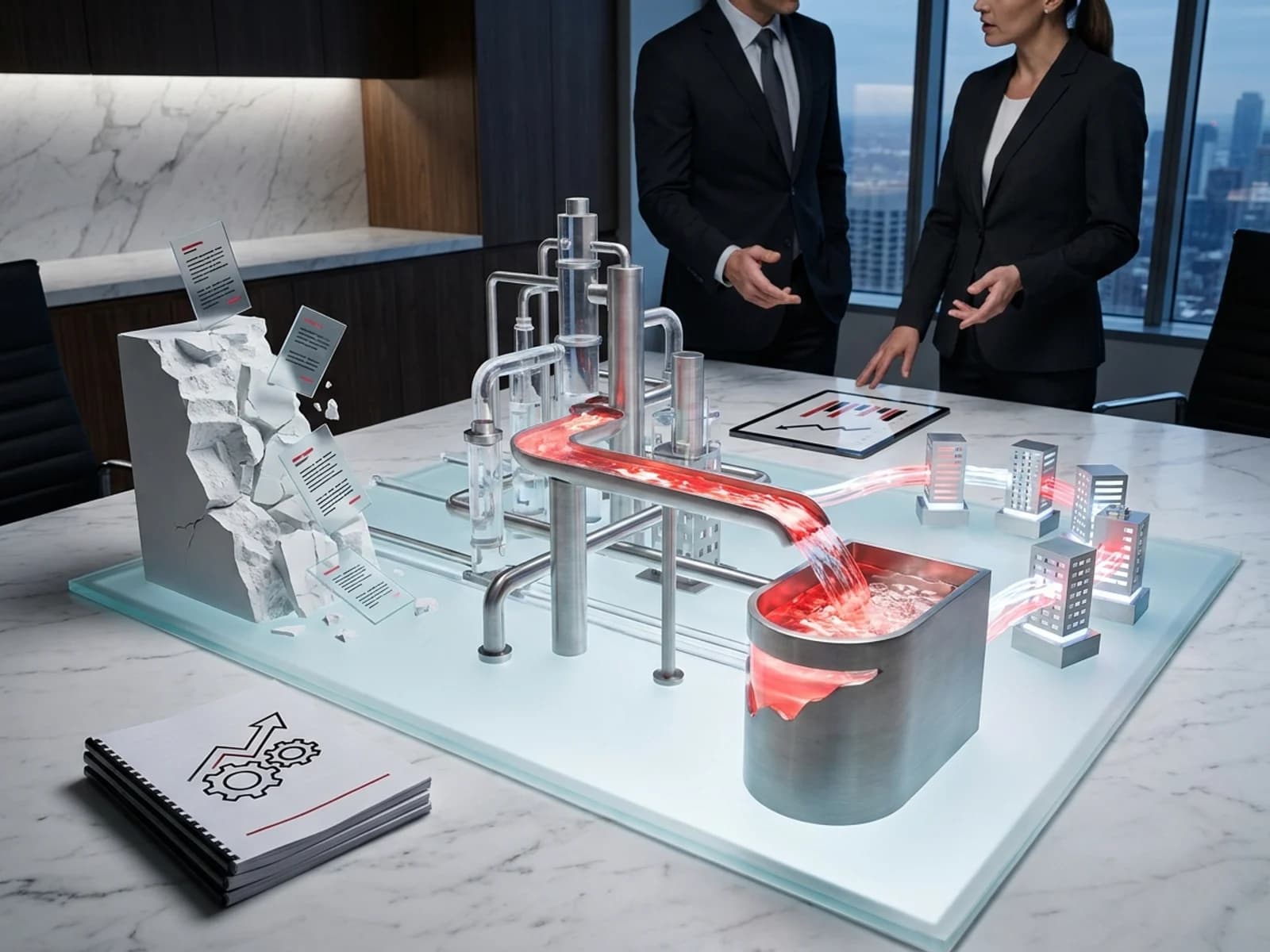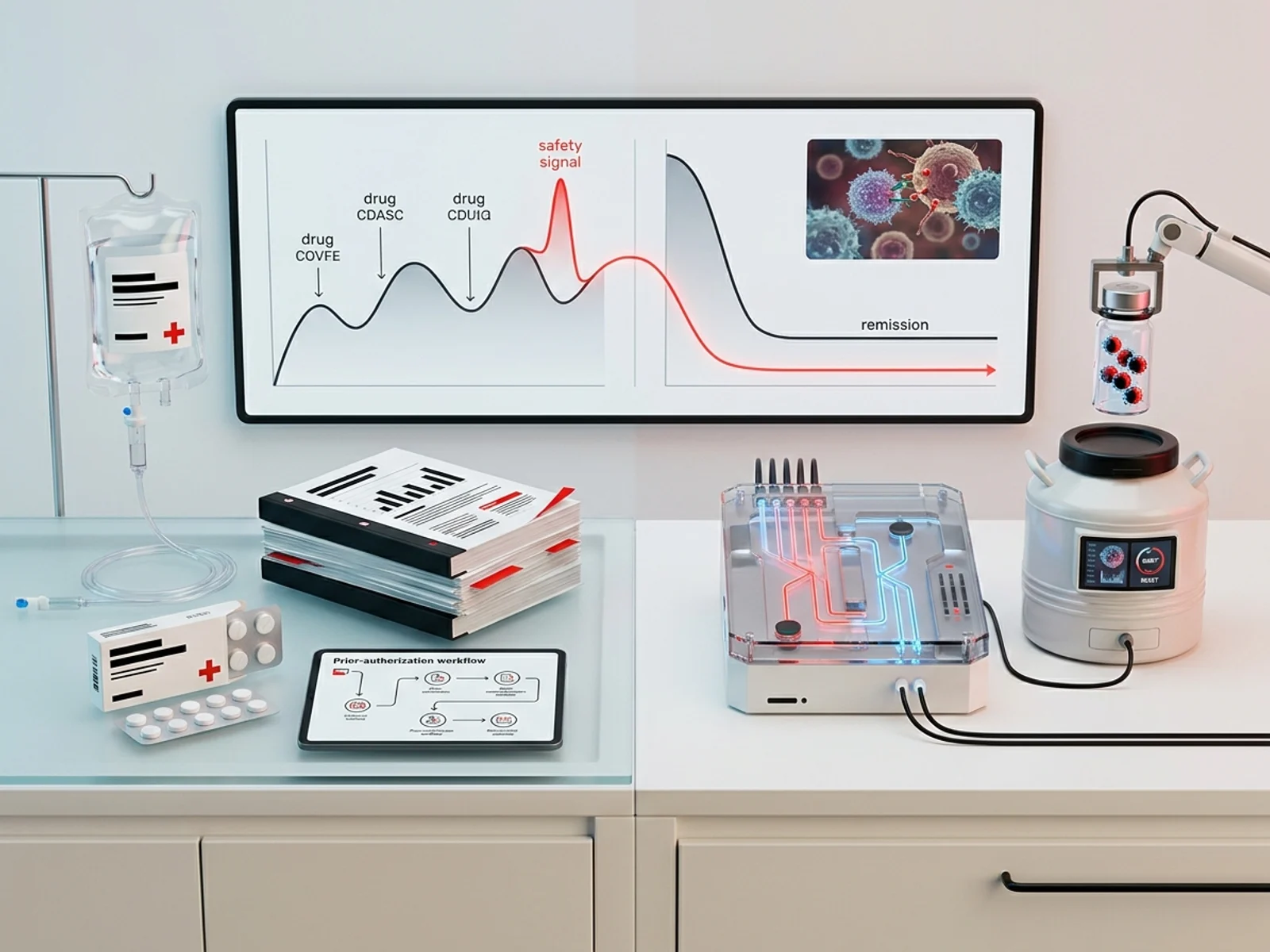
On June 22, 2026, AbbVie and Apogee Therapeutics announced a definitive agreement under which AbbVie will acquire Apogee for approximately $10.9 billion in an all-cash transaction. Under the terms of the agreement, AbbVie will purchase all outstanding shares of Apogee at $135.11 per share, representing a roughly 49% premium to the company's closing stock price on June 18, 2026. The transaction, which has been approved by the boards of directors of both companies, is expected to close in the third quarter of 2026, subject to Apogee shareholder approval, regulatory clearances, and other customary closing conditions.
For AbbVie, this acquisition represents its largest immunology deal since its spin-off from Abbott Laboratories. It is a strategic move designed to defend and expand its dominant position in the global immunology market. By acquiring Apogee, AbbVie gains access to zumilokibart (APG777), a subcutaneous, half-life-extended monoclonal antibody targeting interleukin-13 (IL-13) that is currently preparing to enter Phase 3 clinical trials for atopic dermatitis (AD) and asthma.
In this analysis, we examine the deal terms, the antibody engineering behind zumilokibart's extended half-life, the clinical timeline, the Blackstone financing history, and how this asset fits into AbbVie's broader immunology portfolio as it faces the eventual maturity of Skyrizi and Rinvoq.
What is the strategic rationale behind the $10.9B valuation?
A valuation of $10.9 billion for a company whose lead asset is just entering Phase 3 trials is a major bet on a single clinical profile. AbbVie is paying a high premium not for current commercial revenues, but for a therapeutic platform that offers a significant dosing convenience advantage in a crowded market.
The global market for moderate-to-severe atopic dermatitis and asthma is dominated by Sanofi and Regeneron’s blockbuster Dupixent (dupilumab), which generated €15.7 billion in global sales in 2025 (approximately $17 billion). Dupixent is a monoclonal antibody that inhibits both interleukin-4 (IL-4) and interleukin-13 (IL-13) signaling by binding to the IL-4 receptor alpha (IL-4Rα) subunit. While Dupixent has established a strong efficacy profile, it requires subcutaneous administration every two weeks (Q2W) for most adult patients.
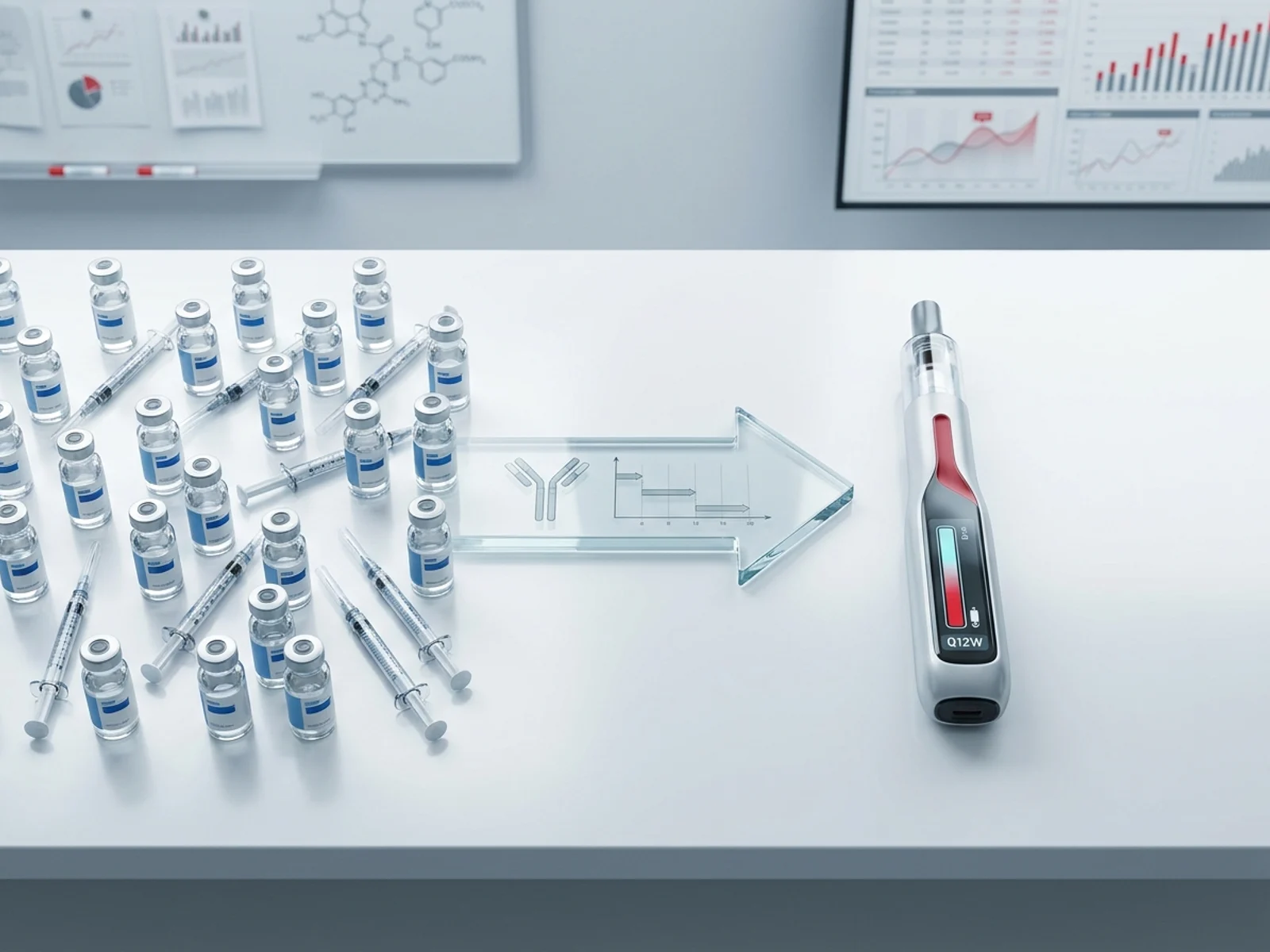
Apogee’s zumilokibart (APG777) targets IL-13 directly, which is a key driver of type 2 inflammation in the skin and airways. Unlike dupilumab, zumilokibart was specifically engineered using half-life-extension technology. This allows the antibody to remain active in the body significantly longer, enabling a quarterly (every 12 weeks) or even biannual (every 24 weeks) maintenance dosing schedule.
AbbVie’s strategic rationale relies on this dosing interval. In immunology, convenience is a major commercial differentiator. If zumilokibart can demonstrate clinical efficacy comparable to Dupixent while reducing the injection burden from 26 injections per year to just 2 to 4 injections per year, it can capture a substantial share of the market. This convenience is highly attractive to payers, providers, and patients, offering a compelling alternative to established therapies.
To contextualize the competitive pressure on Sanofi's lead asset, see our analysis on the Sanofi portfolio dossier: Dupixent, Lantus cliff, Altuviiio, and Qfitlia.
Tracing the Antibody Engineering of Zumilokibart (APG777)
To understand how zumilokibart achieves its extended dosing interval, we must look at the structural biology of the antibody. Standard monoclonal antibodies (IgG1) have a serum half-life of approximately 18 to 21 days. This half-life is regulated by the neonatal Fc receptor (FcRn), which binds to the Fc region of the antibody in acidic endosomes, recycling it back into the bloodstream and preventing cellular degradation.
Zumilokibart was engineered with specific amino acid substitutions in its Fc domain—specifically the YTE mutation (M252Y/S254T/T256E). These mutations increase the binding affinity of the antibody to FcRn at an acidic pH (6.0) while maintaining low affinity at a physiological pH (7.4). This modification enhances the recycling efficiency of the antibody, extending its serum half-life:
Standard IgG1 Half-Life: 18–21 days.
Zumilokibart (APG777) Half-Life: Approximately 70 to 90 days in clinical evaluations.
This extended half-life allows the drug to maintain therapeutic concentrations in the skin and lung tissues for several months. In Phase 1 healthy volunteer studies, a single dose of APG777 demonstrated sustained inhibition of IL-13-induced biomarkers for up to 24 weeks. This pharmacokinetic profile provides the foundation for the quarterly and biannual dosing regimens that AbbVie will evaluate in Phase 3 trials.
How does Zumilokibart compare to existing atopic dermatitis biologics?
To help clinical and commercial teams evaluate where zumilokibart fits in the competitive landscape, the table below compares the clinical target, dosing frequency, and clinical trial results (EASI-75 at Week 16) for leading moderate-to-severe atopic dermatitis therapies:
| Drug Name (Generic) | Manufacturer | Therapeutic Target | Dosing Frequency (Maintenance) | Week 16 EASI-75 Response (%) | Payer & Access Routing |
|---|---|---|---|---|---|
| Zumilokibart (APG777) | AbbVie (Apogee) | IL-13 ligand | Every 12 or 24 weeks (subcutaneous) | ~67% (66.9%, Phase 2 APEX) | Proposed buy-and-bill or specialty pharmacy routing |
| Dupixent (dupilumab) | Sanofi / Regeneron | IL-4Rα (IL-4 & IL-13) | Every 2 weeks (subcutaneous) | ~65–69% (Pivotal Phase 3) | Specialty Pharmacy, highly restricted prior authorization |
| Adbry (tralokinumab) | LEO Pharma | IL-13 ligand | Every 2 weeks (subcutaneous) | ~56% (Pivotal Phase 3) | Specialty Pharmacy, step therapy after Dupixent |
| Ebglyss (lebrikizumab) | Eli Lilly | IL-13 ligand | Every 4 weeks (subcutaneous) | ~52–58% (Pivotal Phase 3) | Specialty Pharmacy, positioned as monthly alternative |
| Rinvoq (upadacitinib) | AbbVie | JAK1 (oral small molecule) | Daily (oral) | ~70–80% (Pivotal Phase 3) | Specialty Pharmacy, black box safety warning |
Data Source: Published clinical trial readouts. EASI-75 rates represent cross-trial comparisons and should be interpreted with clinical caution.
This table shows that while oral JAK inhibitors like Rinvoq achieve the highest absolute skin clearance rates, they carry significant safety warnings. Biologics targeting the IL-4/IL-13 pathway offer a cleaner safety profile. Within this class, zumilokibart's potential for quarterly or biannual dosing represents a major convenience and compliance advantage over Dupixent's Q2W regimen and Ebglyss's monthly regimen, without compromising clinical efficacy.
AbbVie's Immunology Portfolio and the Post-Humira Cliff
To understand why AbbVie is investing so heavily in early-stage immunology assets, we must examine the company’s current revenue structure. AbbVie built its pharmaceutical franchise on Humira (adalimumab), which was the world's best-selling drug, peaking at over $21 billion in annual sales. Following the loss of US patent exclusivity in 2023, Humira experienced rapid biosimilar erosion.
AbbVie successfully navigated this transition by launching two next-generation immunology blockbusters:
Skyrizi (risankizumab): An IL-23 inhibitor approved for plaque psoriasis, Crohn's disease, and psoriatic arthritis.
Rinvoq (upadacitinib): An oral JAK inhibitor approved for rheumatoid arthritis, atopic dermatitis, ulcerative colitis, and Crohn's disease.
According to AbbVie's financial reports, the company's FY25 immunology revenue reached approximately $30.4 billion, broken down as follows:
Skyrizi: $17.562 billion (up significantly, driven by expansion into inflammatory bowel disease).
Rinvoq: $8.304 billion (growing rapidly in atopic dermatitis and rheumatology).
Humira: $4.540 billion (reflecting ongoing biosimilar erosion).
While Skyrizi and Rinvoq are expected to grow into the early 2030s, AbbVie faces a long-term portfolio challenge:
JAK Inhibitor Safety Class Labels: Rinvoq, as a JAK inhibitor, carries FDA class-wide black box warnings for major adverse cardiovascular events (MACE), thrombosis, malignancy, and serious infections. While highly effective for atopic dermatitis, these safety warnings limit its use to patients who have failed or cannot tolerate biologic therapies (like Dupixent).
IL-23 Scope Limits: Skyrizi is a dominant asset in psoriasis and inflammatory bowel disease, but it does not have a clinical mechanism suited for type 2 airway inflammatory diseases like asthma or eosinophilic esophagitis (EoE).
The IL-13 Gap: AbbVie lacks a biologic targeting the IL-4/IL-13 pathway, leaving it unable to compete directly with Dupixent in its core indications.
Zumilokibart fills this gap. It gives AbbVie a high-potential biologic asset that can compete directly in the atopic dermatitis, asthma, and EoE markets. By offering a quarterly or biannual dosing profile, AbbVie can position zumilokibart as the preferred first-line biologic ahead of Dupixent, while reserving Rinvoq as an oral option for refractory patients.
For an in-depth review of how AbbVie's current assets are positioned, read our comparison on Skyrizi vs. Stelara: label access and payer coverage and Rinvoq vs. Humira: label access and payer coverage.
Clinical Status and Key Milestones for the Apogee Pipeline
AbbVie's $10.9 billion acquisition includes both the lead zumilokibart asset and several combination pipeline programs developed by Apogee. The table below outlines the clinical assets, targets, trial phases, and upcoming milestones:
| Program / Asset | Therapeutic Target | Target Indications | Current Phase | Key Clinical Milestones |
|---|---|---|---|---|
| Zumilokibart (APG777) | IL-13 Monoclonal Antibody | Atopic Dermatitis, Asthma, Eosinophilic Esophagitis | Preparing for Phase 3 | Phase 3 initiation in H2 2026; primary efficacy readout expected in 2028; commercial launch target 2029. |
| APGE279 | Zumilokibart + APG990 (IL-4Rα) | Moderate-to-Severe Atopic Dermatitis | Phase 1b (Head-to-head vs. Dupixent) | Interim safety and biomarker data from the head-to-head cohort expected in H2 2026. |
| APG273 | Zumilokibart + APG333 (Anti-TSLP) | Severe Asthma | Pre-clinical / Phase 1 | Investigational New Drug (IND) filing and Phase 1 trial initiation planned for 2027. |
Clinical Data Support: The APEX Phase 2 Trial
The clinical potential of zumilokibart is supported by data from the APEX Phase 2 clinical trial in moderate-to-severe atopic dermatitis. In this study, patients receiving zumilokibart demonstrated high rates of skin clearance and itch reduction:
Approximately two-thirds (66.9%) of patients achieved an EASI-75 response (a 75% reduction in the Eczema Area and Severity Index) by Week 16 — the highest placebo-adjusted EASI-75 of any biologic at the time of readout.
A significant proportion of patients achieved clear or almost clear skin (IGA 0/1) with a rapid onset of action.
The safety profile was comparable to placebo, with no reports of conjunctivitis (a common side effect associated with Dupixent).
The Combo Play: APGE279 Head-to-Head vs. Dupixent
A key program in the transaction is APGE279, which combines zumilokibart with Apogee's proprietary anti-IL-4Rα antibody, APG990. This program is currently evaluating a combination approach in a Phase 1b study, which includes a direct head-to-head cohort comparing APGE279 against dupilumab (Dupixent).
Interim biomarker and safety readouts from this study are scheduled for the second half of 2026. If this combination shows superior skin clearance or itch reduction compared to dupilumab, it will give AbbVie a second-generation therapy to target patients who do not fully respond to single-agent biologics.
Severe Asthma and Eosinophilic Esophagitis (EoE) Treatment Landscapes
Severe asthma and Eosinophilic Esophagitis (EoE) represent massive clinical opportunities that are highly aligned with zumilokibart's biological mechanism. Type 2 helper T (Th2) cells release IL-13 and IL-4, which drive eosinophilic infiltration, airway hyperresponsiveness, and tissue remodeling in both the bronchi and the esophagus.
In severe asthma, monoclonal antibodies targeting interleukin-5 (such as GlaxoSmithKline's Nucala or AstraZeneca's Fasenra) or thymic stromal lymphopoietin (TSLP, such as Amgen and AstraZeneca's Tezspire) have established strong clinical niches. However, Tezspire and other biologics typically require monthly subcutaneous injections. By utilizing APG273 (combining zumilokibart with an anti-TSLP antibody, APG333), AbbVie is targeting an upstream alarmin block combined with a downstream cytokine block.
TSLP is a sentinel cytokine released by epithelial cells in response to environmental triggers, acting as an initiator of the inflammatory cascade. Inhibiting TSLP acts as an "upstream gatekeeper" that prevents the activation of dendritic cells and T cells, while inhibiting IL-13 blocks the "downstream effector" that directly causes smooth muscle contraction, mucus hypersecretion, and tissue fibrosis. Dual blockade with APG273 represents a synergistic approach designed to halt severe airway remodeling in refractory patients.
For Eosinophilic Esophagitis, a chronic, immune-mediated disease characterized by esophageal dysfunction and dysphagia, Dupixent is currently the only FDA-approved biologic. Patients with EoE face significant swallowing difficulties, food impactions, and strictures that require repeated esophageal dilations. Dupixent's dosing for EoE is weekly, which represents a heavy injection burden. If zumilokibart can demonstrate comparable tissue remodeling reversal and symptomatic relief in EoE with a quarterly or biannual dosing profile, it could establish itself as the preferred biologic in gastroenterology clinics.
The Strategic Logic of the Blackstone Royalty Deal for AbbVie
The timing of AbbVie's acquisition is connected to Apogee's corporate financing history. In May 2026, just one month before the acquisition announcement, Apogee Therapeutics entered into a $1.3 billion strategic funding agreement with Blackstone Life Sciences.
Under the terms of that agreement:
Blackstone provided up to $800 million in non-dilutive royalty financing to fund the Phase 3 development of zumilokibart and the clinical advancement of its combination pipeline.
Blackstone committed up to an additional $500 million in senior corporate debt.
In exchange for the royalty tranche, Blackstone secured single-digit tiered royalties on future global sales of zumilokibart and associated combination products.
This transaction strengthened Apogee’s balance sheet, providing the company with the capital required to run multiple large-scale Phase 3 trials independently. For AbbVie, purchasing Apogee for $10.9 billion required absorbing this Blackstone royalty agreement.
While a single-digit royalty reduces AbbVie's future gross margins on the product, it significantly mitigates the development risk. The Phase 3 trials—which are highly expensive and complex—are already fully funded. AbbVie can leverage Blackstone's capital to complete the clinical program without increasing its own research and development (R&D) expense guidance in the near term. This structure represents a calculated risk sharing arrangement that appeals to corporate shareholders.
Market Access and Payer Strategy: The Dosing Interval Advantage
To succeed commercially, zumilokibart must secure favorable formulary positioning from major Pharmacy Benefit Managers (PBMs) and commercial payers. PBMs manage specialty drug spend by enforcing prior authorization (PA) criteria and step therapy protocols.
1. The Convenience and Compliance Argument
Payer policies are heavily influenced by patient adherence metrics. Biologics requiring frequent self-injection (such as Dupixent’s Q2W regimen) suffer from adherence decay over time. Patients frequently miss doses due to injection fatigue, travel, or administrative delays in specialty pharmacy refills.
By offering a quarterly (Q12W) or biannual (Q24W) dosing schedule, zumilokibart addresses these adherence issues. A patient requiring only four injections per year is far more likely to remain compliant. For payers, improved compliance can lead to better long-term disease control, reducing emergency room visits and secondary healthcare costs associated with severe asthma or eczema flares.
2. Prior Authorization and Renewal Triage
Prior authorization criteria for atopic dermatitis biologics typically require providers to document a patient's baseline severity (e.g., EASI score, body surface area involvement) and confirm the failure of topical corticosteroids. Reauthorization is usually required every 6 to 12 months, demanding documentation of clinical improvement.
A quarterly dosing regimen aligns with this clinical review cycle. Refill approvals can be synchronized with a patient's clinical evaluations, simplifying administrative workflows for specialty pharmacies and clinics. Quality teams looking to optimize these workflows can read our guide on step therapy exception evidence for specialty drugs.
3. Buy-and-Bill vs. Specialty Pharmacy Routing
Most subcutaneous biologics are distributed through the specialty pharmacy channel and self-administered by the patient at home. However, an antibody that is dosed only twice a year can transition to the buy-and-bill channel, where the drug is administered by a healthcare provider in the clinic.
This transition offers several clinical and financial advantages:
Guaranteed Adherence: Clinical administration ensures 100% adherence tracking, as the dose is logged in the electronic health record (EHR).
Provider Incentives: Clinicians can bill for the administration procedure, creating an incentive to prescribe the quarterly biologic over self-administered options.
Specialty Pharmacy Hub Bypass: Buy-and-bill routing avoids the delivery delays and refill friction common in specialty pharmacy hubs. For details on resolving these issues, see our guide on specialty pharmacy hub handoff failures.
Furthermore, buy-and-bill routing allows providers to secure reimbursement under a medical J-code rather than a pharmacy benefit. This medical-benefit carve-out can bypass traditional pharmacy-benefit restrictions, providing an alternative access pathway for patients whose employers exclude coverage for weight-loss or dermatological specialty drugs.
Frequently Asked Questions
What are the final terms of AbbVie's acquisition of Apogee?
AbbVie is acquiring Apogee Therapeutics for $135.11 per share in cash, representing a total transaction value of approximately $10.9 billion. The price represents a 49% premium over Apogee's closing price on June 18, 2026. The transaction is expected to close in the third quarter of 2026.
What is zumilokibart (APG777) and how does it work?
Zumilokibart (formerly APG777) is a subcutaneous monoclonal antibody that targets interleukin-13 (IL-13), a cytokine that drives type 2 inflammation. It is engineered with YTE half-life-extension mutations, which extend its serum half-life to 70–90 days, enabling quarterly or biannual dosing.
How does zumilokibart compare to Dupixent?
Dupixent (dupilumab) targets the IL-4Rα receptor, inhibiting both IL-4 and IL-13, and requires injections every two weeks. Zumilokibart specifically targets IL-13 and is designed for maintenance dosing every 12 or 24 weeks. This offers a significant convenience advantage while maintaining a similar safety and efficacy profile.
What was the Blackstone Life Sciences deal with Apogee?
In May 2026, Apogee secured a $1.3 billion strategic financing agreement with Blackstone Life Sciences. The non-dilutive package comprised up to $800 million in royalty financing and up to $500 million in senior corporate debt to fund zumilokibart's Phase 3 development, in exchange for single-digit tiered royalties on future global sales. AbbVie will assume this royalty obligation upon closing the acquisition.
When will zumilokibart launch in the US?
Zumilokibart is scheduled to enter Phase 3 clinical trials for atopic dermatitis in the second half of 2026. Efficacy data readouts are expected in 2028, with a target FDA approval and commercial launch timeline of 2029.
What role does interleukin-13 (IL-13) play in atopic dermatitis and asthma compared to other cytokines?
Interleukin-13 (IL-13) is a central mediator of type 2 helper T (Th2) cell-mediated inflammation. In atopic dermatitis, IL-13 drives epidermal barrier dysfunction, downregulates key structural proteins like filaggrin, and stimulates the release of pruritogenic factors that cause intense itching. In asthma, IL-13 acts on airway epithelial cells to induce goblet cell hyperplasia and mucus hypersecretion, while also stimulating bronchial smooth muscle hyperreactivity and subepithelial fibrosis. Unlike other cytokines like IL-17 or IL-23, which drive neutrophil-mediated or autoimmune responses, IL-13 is specifically linked to allergic eosinophilic pathologies, making it a highly targeted pathway for atopic diseases.
Sources
PRNewswire. AbbVie to Acquire Apogee Therapeutics, Deepening Immunology Portfolio (June 22, 2026). Joint Press Release
Apogee Therapeutics, Inc. AbbVie to Acquire Apogee Therapeutics (Apogee Investor Relations). Apogee IR Release
BioPharm International. AbbVie to Acquire Apogee Therapeutics for $10.9 Billion, Gaining IL-13 Antibody Zumilokibart. BioPharm International Article
Pharmaceutical Technology. AbbVie deepens immunology legacy in $10.9bn Apogee buyout. Pharmaceutical Technology Article
Yahoo Finance / GuruFocus. AbbVie's $10.9 Billion Apogee Deal Joins a $200 Billion Pharma Spree. Yahoo Finance Coverage
AbbVie Inc. FY25 Financial Results & Q4 Earnings Presentation (February 2026). AbbVie Investor Relations
Blackstone Group. Blackstone Life Sciences Announces $1.3 Billion Strategic Financing Collaboration with Apogee Therapeutics (May 27, 2026). Blackstone Press Release
Dermatology Times. APG777 Phase 2 APEX Trial Results in Moderate-to-Severe Atopic Dermatitis. Dermatology Times Article
U.S. National Institutes of Health (NIH). ClinicalTrials.gov - A Study to Evaluate the Safety, Tolerability, and Pharmacokinetics of APG777 in Healthy Participants and Participants with Moderate-to-Severe Atopic Dermatitis (NCT06395948). ClinicalTrials.gov NCT06395948
U.S. National Institutes of Health (NIH). ClinicalTrials.gov - A Study to Evaluate the Safety of APG777 Co-administered with APG990 and Compared to Dupilumab in Participants with Moderate-to-Severe Atopic Dermatitis (NCT07027527). ClinicalTrials.gov NCT07027527