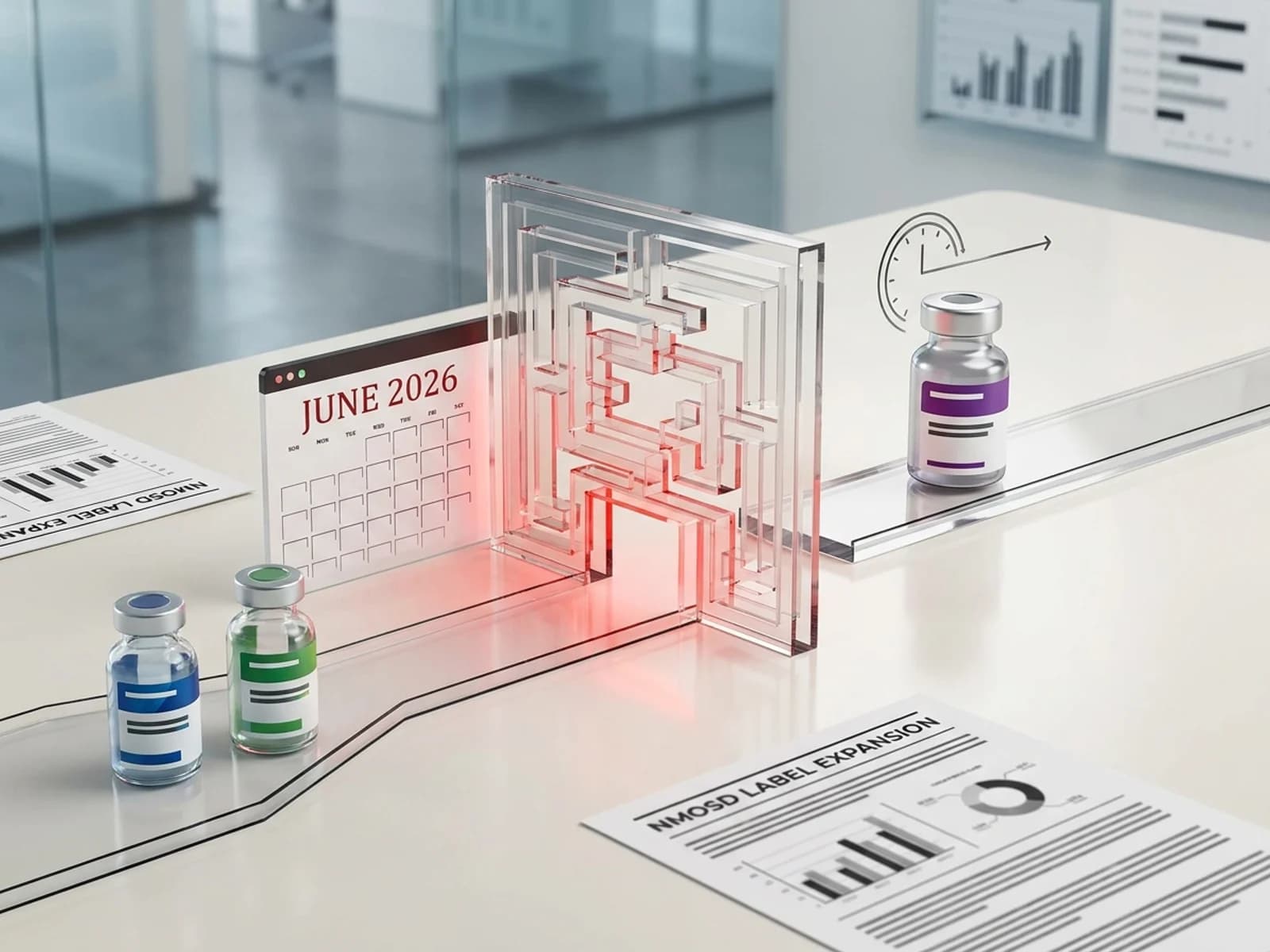
The biopharma industry is about to witness a critical patent and regulatory milestone in the complement-inhibitor space. On June 27, 2026, the seven-year orphan drug exclusivity for Alexion’s (AstraZeneca) blockbuster biological product Soliris (eculizumab, BLA 125166) in neuromyelitis optica spectrum disorder (NMOSD) is scheduled to expire.
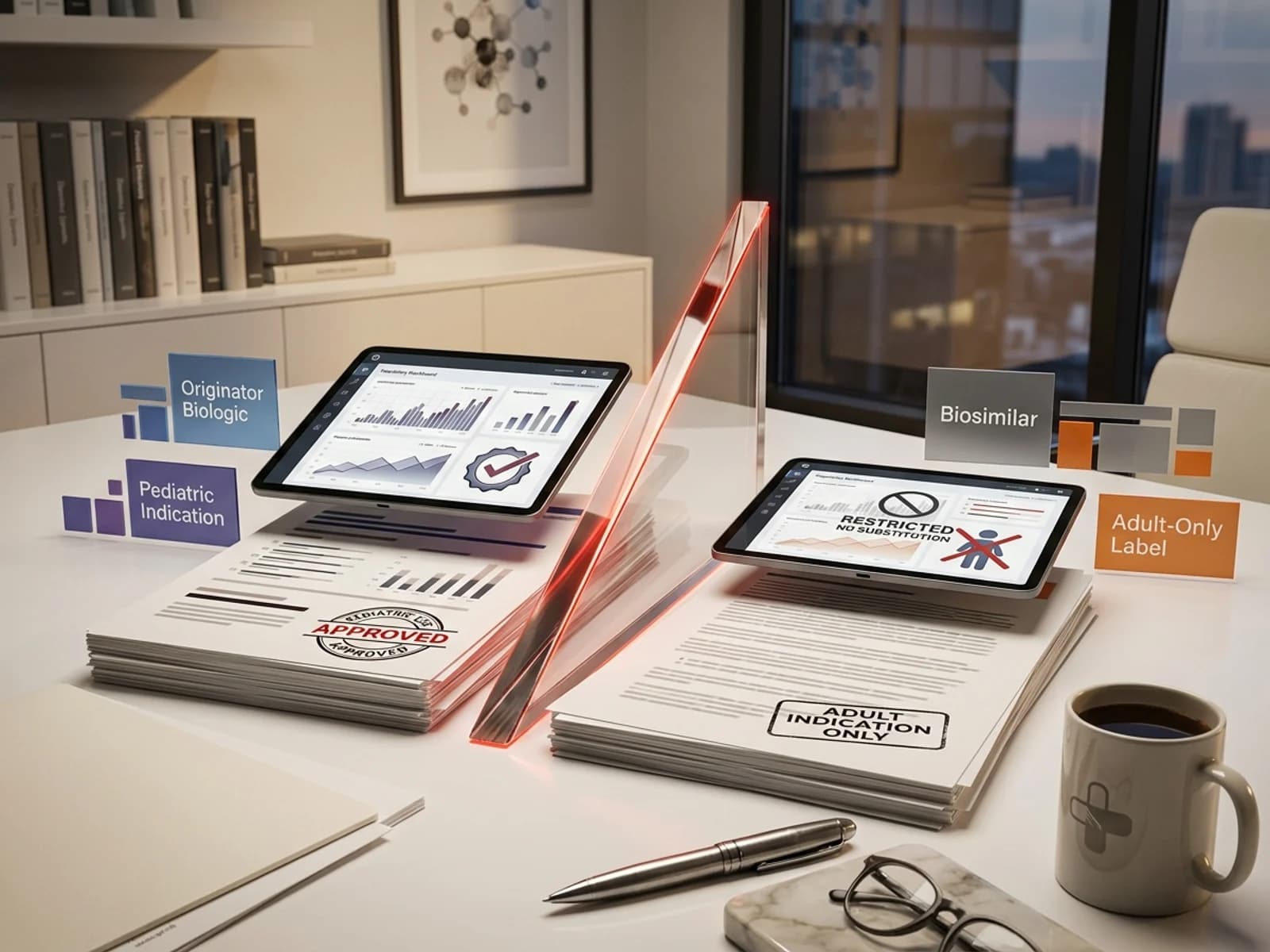
This exclusivity has served as a regulatory firewall, preventing FDA-approved eculizumab biosimilars from adding NMOSD to their labels. As this barrier falls, biosimilar developers are poised to expand their labels, testing the commercial viability of "skinny label" biosimilar entries in high-cost rare disease markets.
Short Answer
On June 27, 2026, Soliris’s orphan drug exclusivity for anti-AQP4 antibody-positive NMOSD expires. Since their respective launches in early 2025, eculizumab biosimilars—Amgen's interchangeable Bkemv (eculizumab-aeeb, BLA 761333) and Samsung Bioepis/Teva's Epysqli (eculizumab-aagh, BLA 761340)—have operated under "skinny labels" that carved out NMOSD, restricting their approved indications to paroxysmal nocturnal hemoglobinuria (PNH), atypical hemolytic uremic syndrome (aHUS), and generalized myasthenia gravis (gMG).
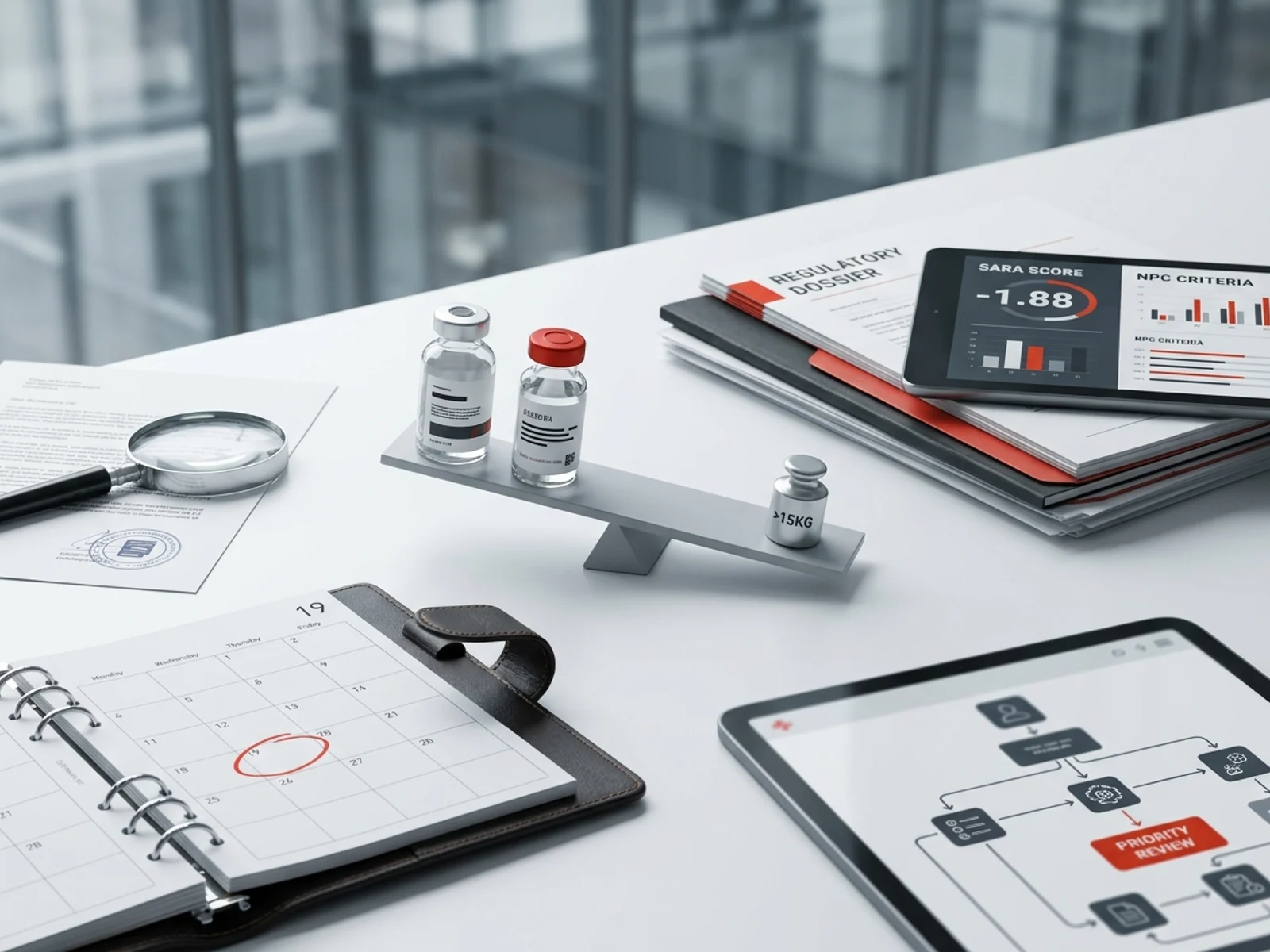
The expiration of the NMOSD exclusivity allows Amgen and Samsung Bioepis to submit labeling supplements to the FDA to add NMOSD. However, biosimilar uptake in this class faces two major structural hurdles: first, the strict safety requirements of the ULTOMIRIS and SOLIRIS REMS program, and second, Alexion's highly successful defensive lifecycle switch of over 60% of patients from Soliris to Ultomiris (ravulizumab), a longer-acting complement inhibitor with orphan exclusivities extending into the 2030s.
Who This Is For
This strategic analysis is written for market access directors, specialty pharmacy contract negotiators, formulary decision-makers, and biosimilar lifecycle planners.
Eculizumab Regulatory and Pricing Profile
A comparison of the eculizumab products currently approved and licensed in the United States illustrates the pricing discounts introduced by biosimilars:
| Product Name | Proper Name (BLA Number) | BLA Type | Initial FDA Approval | NMOSD Indication Status | WAC Price Per Vial (300 mg) | Launch Date |
|---|---|---|---|---|---|---|
| Soliris | eculizumab (BLA 125166) | Reference Product (351(a)) | March 16, 2007 | Approved (Exclusivity ends June 27, 2026) | $6,523 | March 2007 |
| Bkemv | eculizumab-aeeb (BLA 761333) | Interchangeable Biosimilar (351(k)) | May 28, 2024 | Carved Out (Section viii) | $5,870.70 (10% discount) | March 2025 |
| Epysqli | eculizumab-aagh (BLA 761340) | Biosimilar (351(k)) | July 19, 2024 | Carved Out (Section viii) | $4,566.00 (30% discount) | April 2025 |
Skinny Labels and the Section viii Carve-Out
Under Section 505(j)(5)(G) of the FD&C Act and corresponding BPCIA provisions, biosimilar sponsors can utilize a "Section viii statement" or labeling carve-out to omit indications protected by patent or orphan drug exclusivity.
When Amgen’s Bkemv was approved in May 2024, it initially carved out generalized myasthenia gravis (gMG) and NMOSD because both indications were protected by active Soliris orphan exclusivity. Once Soliris’s gMG exclusivity expired in October 2024, Amgen updated its label to include gMG.
NMOSD has remained the final carved-out indication. Because NMOSD represents a highly active clinical prescriber base and a substantial segment of eculizumab volume, the June 27, 2026 expiration is the catalyst for Amgen and Samsung Bioepis to supplement their labels, enabling active promotion and pharmacy-level substitution for NMOSD patients.
The Dual Barriers to Biosimilar Uptake
While label expansion is a regulatory victory, commercial success is constrained by two major hurdles:
1. The REMS Infrastructure Constraint
Eculizumab carries a Boxed Warning due to an increased risk of serious, life-threatening meningococcal infections. To mitigate this risk, the FDA mandates a Risk Evaluation and Mitigation Strategy (REMS):
Prescribers must undergo certification, counseling patients on vaccination requirements and distributing Patient Safety Cards.
Pharmacies dispensing eculizumab must be certified and verify that the prescriber is certified and that the patient has documented, active meningococcal vaccination (or prophylactic antibiotics).
Rather than maintaining separate structures, the FDA approved a shared ULTOMIRIS and SOLIRIS REMS (which includes Bkemv and Epysqli). While a shared REMS program simplifies the administrative burden for clinicians, the restricted distribution loop limits dispensing to select specialty pharmacies, preventing rapid, broad-market biosimilar erosion.
2. Alexion's Lifecycle Switch to Ultomiris
Alexion’s defense of its complement franchise is one of the most successful lifecycle management strategies in biopharma history. Prior to biosimilar eculizumab entry, Alexion actively transitioned patients to Ultomiris (ravulizumab-cwvz, BLA 761108):
Dosing Frequency: Soliris requires intravenous infusions every 2 weeks for maintenance. Ultomiris utilizes an engineered Fc-variant of eculizumab that extends half-life, requiring infusions only every 8 weeks.
The Transition Curve: By the time Bkemv launched in March 2025, Alexion had already converted more than 60% of PNH and aHUS patients to Ultomiris.
Orphan Exclusivity Lock-In: Ultomiris has its own set of orphan drug exclusivities. Its NMOSD approval (granted March 2024) carries orphan exclusivity that runs roughly seven years into the early 2030s, and its gMG exclusivity extends to April 2029.
Payers evaluating formularies must compare the cost of a 10% or 30% discounted biosimilar eculizumab (administered 26 times a year) against the superior clinical convenience of ravulizumab (administered 6 times a year). For many clinics and patients, the reduced infusion burden of Ultomiris outweighs the price discount of generic eculizumab, leaving a smaller addressable market for Bkemv and Epysqli.
What to Monitor Next
Labeling Supplement Approvals: Watch for FDA approvals of Amgen's and Samsung Bioepis's labeling supplements adding NMOSD in the third quarter of 2026.
Payer Step-Therapy Policies: Access teams should monitor whether payers introduce step-edits requiring patients to "fail" Bkemv before accessing Ultomiris, or if they prefer Ultomiris as the first-line therapy due to rebates and clinical convenience.
Sources
FDA, Approved Licensed Biological Products with Biosimilarity and Interchangeability Evaluations (Purple Book). Soliris (BLA 125166), Bkemv (BLA 761333), Epysqli (BLA 761340) records. https://purplebooksearch.fda.gov/
FDA, Exclusivity List: Orphan Drug Exclusivity Expiration Dates, Center for Drug Evaluation and Research, June 2026. Soliris NMOSD exclusivity expiration: June 27, 2026. https://www.fda.gov/drugs/development-approval-process-drugs/orphan-drug-designation-database
Amgen, Bkemv (eculizumab-aeeb) Prescribing Information and REMS Program Details, revised March 2025. WAC pricing list. https://www.bkemv.com/
Centers for Medicare & Medicaid Services (CMS), REMS Database, "ULTOMIRIS and SOLIRIS REMS" requirements and prescriber enrollment criteria. https://www.fda.gov/drugs/postmarket-drug-safety-information-patients-and-providers/rems-approved-risk-evaluation-and-mitigation-strategies
Samsung Bioepis, "FDA Approves Epysqli (eculizumab-aagh) as Biosimilar to Soliris," July 2024. Teva launch pricing and 30% discount details. https://www.samsungbioepis.com/en/newsroom/newsroomDetail.do?idx=392
Disclaimer: This article provides independent regulatory and market access analysis for biopharma professionals and does not constitute clinical, medical, or legal advice.