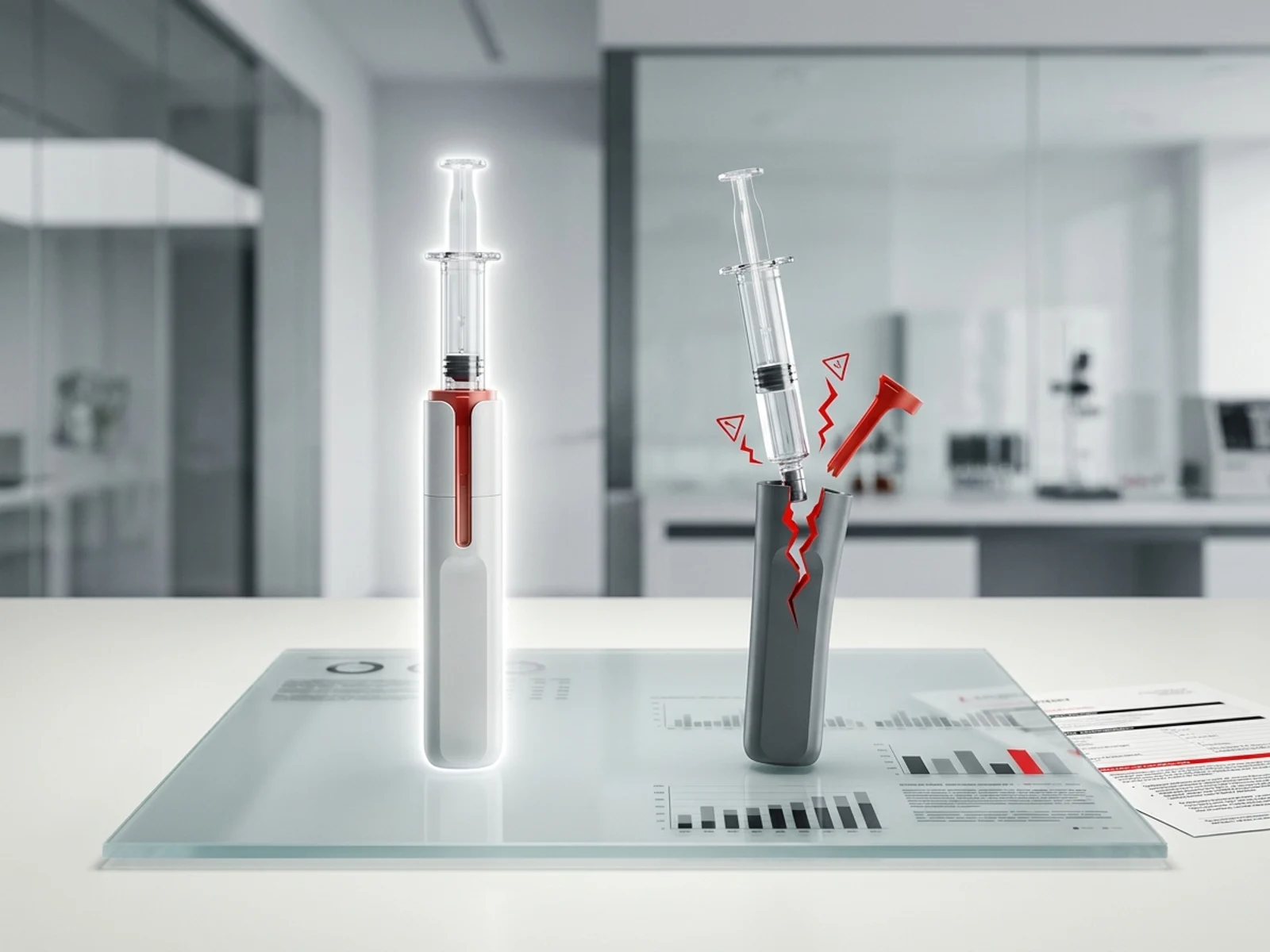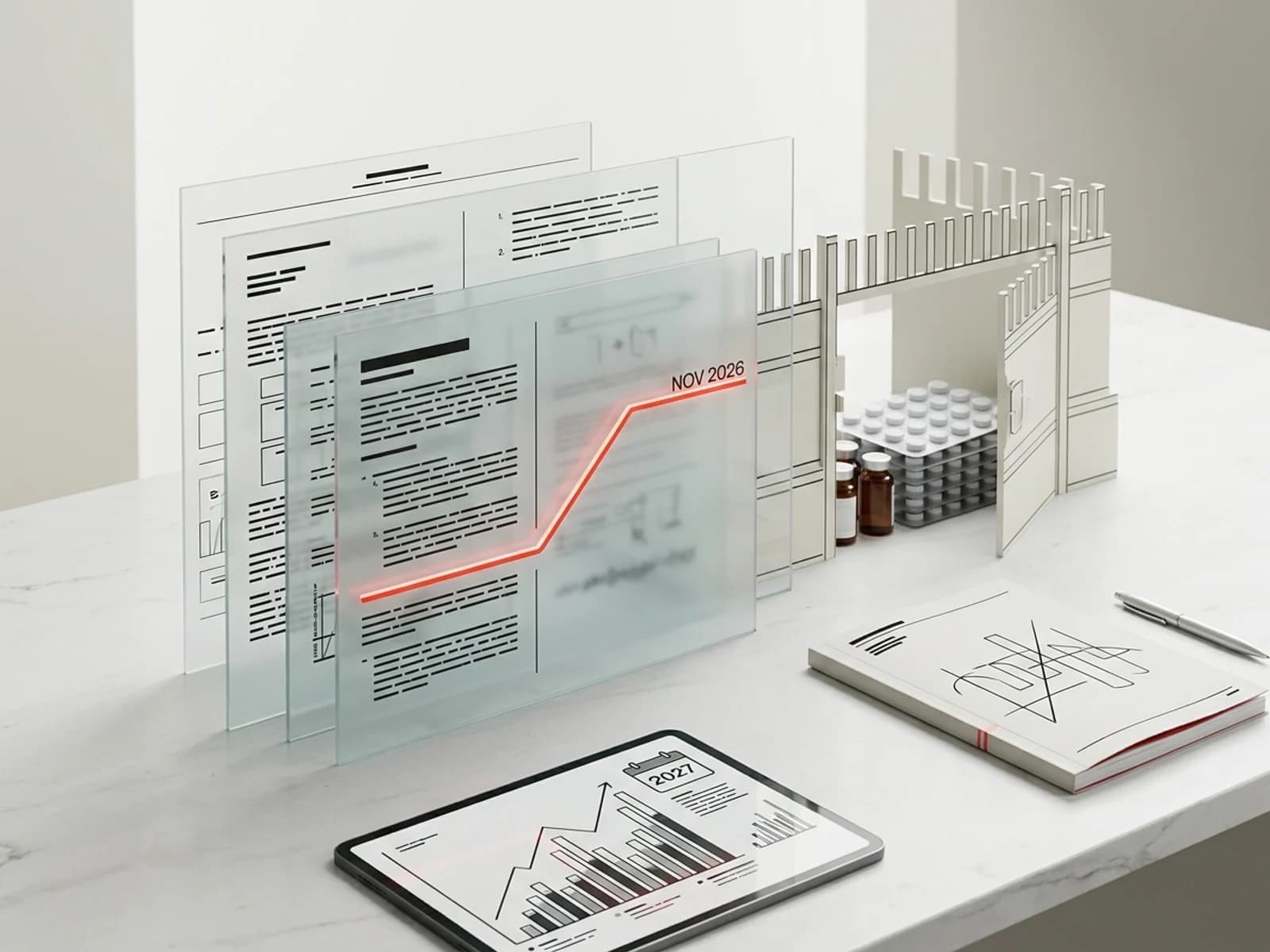
Generic and biosimilar regulatory, launch, and competitive-intelligence teams planning U.S. market entry have long viewed FDA Risk Evaluation and Mitigation Strategies (REMS) with Elements to Assure Safe Use (ETASU) as formidable barriers. For over a decade, branded manufacturers utilized these restricted-distribution programs to withhold drug samples from generic developers and delay the negotiation of Single Shared System (SSS) REMS, effectively shielding blockbusters from generic competition.
However, the passage of the Creating and Restoring Equal Access to Equivalent Samples (CREATES) Act in December 2019, followed by aggressive FDA and FTC enforcement, was intended to dismantle these safety-program moats. Today, generic and biosimilar developers must ask: which REMS-ETASU programs still function as effective competitive moats, what are the residual barriers to entry, and where do the new restricted-distribution commercial opportunities reside?
By cross-referencing the FDA REMS Public Dashboard, HHS Assistant Secretary for Planning and Evaluation (ASPE) reports, and structured product label data from openFDA, this analysis maps the post-CREATES REMS landscape. The data shows that while the legal sample-blockade moat has been broken, the physical and administrative infrastructure of ETASU REMS continues to act as a significant barrier—not to regulatory approval, but to post-launch commercial switching and biosimilar uptake.
The Statutory History and Evolution of FDA REMS
The FDA's authority to mandate safety programs was established by the Food and Drug Administration Amendments Act (FDAAA) of 2007, which amended the Federal Food, Drug, and Cosmetic Act (FD&C Act) by adding Section 505-1. Prior to 2007, the FDA relied on ad-hoc risk management plans or restricted distribution schemes (such as the STEPS program for thalidomide) but lacked a standardized statutory framework to enforce post-market safety controls.
Under Section 505-1, the FDA may require a REMS either at the time of initial approval or post-approval if the agency becomes aware of "new safety information." The decision to mandate a REMS is guided by six statutory criteria:
Estimated Size of the Population: The number of patients expected to use the drug.
Seriousness of the Disease: The clinical severity of the disease being treated.
Expected Benefit: The therapeutic efficacy and clinical necessity of the drug.
Expected Duration of Treatment: Whether the drug is administered as a short course or a lifelong chronic therapy.
Seriousness of Known/Potential Adverse Events: The severity, reversibility, and frequency of specific risks (e.g., severe neutropenia, teratogenicity, liver toxicity).
New Molecular Entity (NME) Status: Whether the drug substance is a completely new chemical or biological compound.
If these criteria indicate that a drug's benefits outweigh its risks only under specific restrictions, the FDA requires the sponsor to submit a REMS.
Elements to Assure Safe Use (ETASU) Explained
A REMS can include several safety components, ranging from a simple Medication Guide to a complex restricted-distribution system. The most restrictive programs are those requiring Elements to Assure Safe Use (ETASU) under Section 505-1(f)(3).
The statute defines six distinct ETASU elements that the FDA can apply to a drug:
Element A (Provider Training): Healthcare providers who prescribe the drug must have special training, experience, or certifications.
Element B (Practitioner Certification): Pharmacies, practitioners, or healthcare settings that dispense the drug must be certified, ensuring they have systems to verify safe-use conditions.
Element C (Restricted Settings): The drug may only be dispensed or administered in specific settings (e.g., hospitals, certified infusion centers, or through specialized mail-order pharmacies).
Element D (Safe-Use Evidence): The drug may only be dispensed with documentation of safe-use conditions, such as negative pregnancy tests or specific laboratory values.
Element E (Patient Monitoring): Each patient using the drug must be subject to ongoing monitoring (e.g., periodic liver function tests or white blood cell counts).
Element F (Patient Registries): Each patient using the drug must be enrolled in a centralized safety registry to track long-term adverse events and compliance.
Because ETASU REMS combine these elements, they establish a highly controlled, closed-loop distribution system. While clinically necessary to manage severe risks, these programs also create natural commercial moats for branded manufacturers, as any generic or biosimilar entrant must navigate this administrative infrastructure.
What CREATES Actually Changed: Separate-Comparable ETASU and Sample Access
The CREATES Act (codified at FD&C Act Sections 505-1 and 505-2) targeted the two primary loopholes brands used to delay generic competition: sample withholding and dilatory shared-system negotiations.
The statutory mechanics of the CREATES Act
Before CREATES, a generic developer needed physical samples of the branded product to perform bioequivalence testing for its ANDA. Branded sponsors of REMS drugs with restricted distribution refused to sell these samples, claiming that doing so would violate their FDA-mandated safety protocols.
The CREATES Act established a clear pathway to bypass this restriction:
The 31-Day Safe Harbor: If a branded manufacturer fails to provide samples of a restricted-distribution drug within 31 days of receiving a written request, the generic developer can file a civil action in federal district court.
Private Right of Action: The court can order the immediate delivery of the samples and award the generic developer injunctive relief, monetary damages, and attorney fees, with the brand's statutory damages cap lifted when it pursues claims in bad faith.
The Separate Comparable REMS Pathway: Under the statutory changes, the FDA was given explicit authority to permit ANDA and 351(k) biosimilar applicants to use a separate, comparable aspect of the ETASU safety program rather than forcing them into a Single Shared System (SSRS). This eliminated the brand's ability to stall generic launch by dragging out joint REMS negotiations indefinitely.
An early, definitive test of this separate pathway occurred in October 2020, when the FDA approved a separate, generic-only REMS for pomalidomide (Pomalyst generics), allowing generic sponsors to launch without waiting for a unified system.
ASPE 2025 Findings: The tactics have 'subsided'
The impact of these regulatory changes was quantified in the HHS ASPE Biosimilar Market Entry report published on August 18, 2025. The report concluded that branded tactics to delay biosimilar entry through sample obstruction and stalled SSRS negotiations have "subsided somewhat recently" due to the credible threat of litigation under the CREATES Act and the FDA's willingness to approve separate, comparable safety systems.
However, "subsided" does not mean the barrier has disappeared. It means the battleground has shifted from the regulatory approval phase (securing samples and ANDA approval) to the commercial distribution phase (getting the generic drug stocked, prescribed, and substituted).
Single Shared System vs. Separate Comparable REMS
When multiple generic sponsors enter a REMS-ETASU market, they must decide whether to negotiate a Single Shared System (SSRS) with the branded manufacturer or petition the FDA for a Separate Comparable REMS.
Comparison of REMS Program Structures
| Feature / Dimension | Single Shared System (SSRS) | Separate Comparable REMS |
|---|---|---|
| Administrative Burden | Shared across all participating sponsors | Executed entirely by the single entrant |
| Timeline to Approval | Often delayed (negotiation loop) | Faster (independent FDA review) |
| Negotiation Parties | Brand manufacturer + all generic filers | Generic entrant + FDA |
| Database Structure | Single, unified patient and prescriber registry | Duplicative, separate database |
| Payer/Clinical Preference | High (Single system reduces clinic confusion) | Low (Clinics must manage multiple registries) |
| Cost Sharing | Pro-rata cost sharing based on market share | Solely funded by the individual sponsor |
Under an SSRS, all generic competitors and the brand share a single portal, database, call center, and steering committee. This minimizes the administrative burden on doctors and pharmacies, who only have to register once.
However, negotiating an SSRS was historically used as a delay tactic by brands. Disagreements over governance, liability sharing, voting rights, confidentiality, and database hosting allowed brands to drag out negotiations for years. Under the CREATES Act, the FDA can immediately grant a waiver permitting a Separate Comparable REMS if SSRS negotiations are stalled, allowing the generic to launch independently.
Shared System REMS Negotiation Pitfalls and Cost-Sharing Realities
For generic sponsors who choose or are required to negotiate a Single Shared System (SSRS) with the brand, the process is a legal minefield. The FDA's draft guidance on Shared System REMS encourages industry collaboration, but in practice, negotiations are characterized by strategic friction.
Governance, cost-sharing, and liability stalemates
Several recurring negotiation traps allow branded manufacturers to delay joint REMS launches:
Governance and Voting Structures: Branded sponsors often demand voting structures based on historical volume, effectively giving them veto power over system changes, vendor selections, or budget approvals. Generic filers must push for equal voting rights or a tiered majority voting structure to prevent brand vetoes.
Cost-Sharing Formulas: Brands frequently demand that setup and maintenance costs be shared equally among all participants, regardless of market share. For a small generic sponsor with a projected 5% market share, paying 50% of a multi-million dollar registry's maintenance budget is economically ruinous. Generic sponsors must negotiate pro-rata cost-sharing based on actual unit volume, with a retrospective quarterly true-up mechanism.
Indemnification and Liability Caps: Branded manufacturers may require generic sponsors to sign broad indemnification agreements that hold the brand harmless for system outages, data breaches, or compliance failures. Sponsors must insist on bilateral indemnification with liability caps proportional to market share or fixed dollar limits.
IT Database Controls: The brand may insist on using its preferred database vendor, claiming that switching to a new system introduces safety risks. This allows the brand to control patient and physician data access, creating a commercial advantage.
If negotiations reach an impasse, the generic sponsor should document the timeline and file a formal request to the FDA for a Separate Comparable REMS waiver, citing the brand's dilatory behavior as an unreasonable barrier under the CREATES Act framework.
The FTC's Anti-Competitive Enforcement Shield
Because branded manufacturers have historically utilized REMS programs to delay competition, the Federal Trade Commission (FTC) has taken an active enforcement role, treating REMS sample withholding and dilatory joint negotiations as violations of the Sherman Antitrust Act.
In several high-profile cases (including Celgene's Revlimid and Actelion's bosentan and epoprostenol franchises), the FTC intervened or filed amicus briefs in support of generic challengers. The FTC argues that using safety programs to block competitor access to reference samples constitutes "exclusionary conduct" designed to maintain a monopoly.
The CREATES Act codified this anti-competitive shield, but the FTC continues to monitor brand conduct for more subtle delay tactics. These include:
Indemnification Shaming: Telling prescribers that using a generic or biosimilar with a separate comparable REMS is unsafe or increases physician liability.
Exclusive Contracting: Pressuring certified specialty pharmacies to sign exclusive distribution agreements that block them from stocking the generic alternative.
SSRS Negotiation Delay: Engaging in sham negotiations for a Single Shared System with no intention of reaching an agreement.
Generic and biosimilar sponsors should proactively document all communications with branded manufacturers during sample requests and SSS negotiations. If a brand engages in dilatory tactics, the generic sponsor can submit a complaint to the FTC's Bureau of Competition, triggering a regulatory investigation that can compel the brand to cooperate.
The Surviving ETASU Map: 71 Active REMS, 65 with ETASU
To understand the scope of the remaining safety-program barriers, we must examine the volume of active REMS programs. According to the FDA REMS Public Dashboard (with historical data corroborated by Springer Drug Safety 2026), there are 71 active REMS programs in the United States.
The dominance of ETASU programs
Of these 71 active programs, 65 (91.5%) require Elements to Assure Safe Use (ETASU). Under the FDA framework, ETASU represents the most restrictive level of safety management, extending beyond simple Medication Guides or communication plans.
ETASU requirements typically include:
Prescribers must be certified (undergo specific training and testing).
Pharmacies must be certified (agree to verify safety parameters before dispensing).
Healthcare settings must be certified to administer the drug.
The drug may only be dispensed to patients with documentation of safe-use conditions (e.g., negative pregnancy tests, blood count monitoring).
Patients must be enrolled in an active registry.
openFDA Label Scan: Enumerating the ETASU drug list
A case-insensitive scan of the openFDA structured product label database (export dated July 9, 2026) shows how widely these requirements are distributed across the U.S. pharmacopeia. Out of 260,334 label records, 1,426 records explicitly mention REMS or ETASU requirements, spanning 267 distinct drug names.
These 267 drugs represent the absolute boundaries of the restricted-distribution market. They concentrate in specific, high-risk drug classes:
Teratogens (Severe Birth Defect Risk): The IMiDs class (thalidomide, lenalidomide, pomalidomide) and oral retinoids (isotretinoin/iPLEDGE).
Complement Inhibitors (Meningococcal Infection Risk): Eculizumab, ravulizumab, and pegcetacoplan.
Endothelin Receptor Antagonists (PAH Class): Ambrisentan (Letairis), riociguat (Adempas), and bosentan.
Physician-Credentialing Orals: Mavacamten (Camzyos) for hypertrophic cardiomyopathy.
Long-Acting Opioids and Additives: Buprenorphine long-acting formulations (Brixadi, Butrans) and sublingual fentanyl.
Atypical Neuro-Psychiatric Agents: Vigabatrin (Sabril), esketamine (Spravato), and olanzapine (Zyprexa Relprevv).
Where the Moat Still Bites: Teratogens, Complement Inhibitors, and Biosimilar Switching
For entering generic and biosimilar sponsors, the post-CREATES barrier is no longer a legal block on filing an ANDA. Instead, the "moat" manifests as commercial switching friction, clinical workflow disruption, and restricted-distribution specialty pharmacy networks.
The complement-inhibitor biosimilar wave (eculizumab)
The complement inhibitor class represents the most active biosimilar battleground governed by a REMS. Soliris (eculizumab) and Ultomiris (ravulizumab) carry severe risks of meningococcal infections, requiring prescribers to verify meningococcal vaccinations before initiating therapy.
When Bkemv (eculizumab-aeeb, approved May 28, 2024 as the first interchangeable biosimilar referencing Soliris) and Epysqli (eculizumab-aagh, approved July 19, 2024) entered the market, the developers did not have to wait for a Single Shared System negotiated with the reference sponsor. Instead, each biosimilar launched under its own FDA-approved comparable REMS (the Bkemv REMS and the Epysqli REMS), an outcome the post-CREATES separate-comparable pathway was designed to enable.
Because the eculizumab REMS requires pharmacies to verify that every patient is vaccinated and enrolled in a registry, a physician cannot simply write a prescription and let the patient pick it up at a retail pharmacy. The patient must be transitioned within the specialty registry from Soliris to Bkemv or Epysqli. The clinical safety requirements dictate:
Patients must receive a meningococcal vaccine at least 2 weeks prior to starting eculizumab, or take prophylactic antibiotics if vaccination is delayed.
The pharmacy must upload this verification to the registry.
This administrative transition creates friction: specialty pharmacies must re-verify insurance, update registry records, and confirm vaccination status. For payers trying to implement mandatory biosimilar switching policies, this REMS registry transition acts as a "friction tax" that slows down biosimilar uptake.
Teratogen safety programs (lenalidomide & pomalidomide)
The REMS programs for lenalidomide (Revlimid) and pomalidomide (Pomalyst) require controlled distribution where only certified specialty pharmacies can ship the drug, and only after verifying that the patient has completed monthly pregnancy testing and surveys.
For a generic sponsor, establishing this infrastructure is exceptionally complex. Even if the FDA permits a separate generic REMS, the sponsor must contract with a network of certified specialty pharmacies, manage patient registries, and run compliance audits. The high cost of operating these safety registries offsets some of the manufacturing savings, protecting the brand's profit margins even after generic entry.
Physician-credentialing and restricted networks
For newer specialty drugs like Camzyos (mavacamten, indicated for obstructive hypertrophic cardiomyopathy), the REMS-ETASU requires prescribers to undergo training and monitor patient left ventricular ejection fraction via regular echocardiograms, with results uploaded to the registry.
This requirement restricts the prescribing base to certified cardiologists. For a generic developer looking to enter this space in the future, the restricted prescribing network limits the addressable market, as primary care physicians cannot easily prescribe the drug.
Specialty Pharmacy Network Operations under ETASU
The operational complexity of operating an ETASU REMS is centered at the specialty pharmacy level. Unlike retail pharmacies (e.g., Walgreens, CVS retail) which process prescriptions using standard pharmacy benefit verification software, specialty pharmacies must execute a multi-step clinical and safety verification workflow before any vial of a REMS drug can be dispensed:
Enrollment Verification: The pharmacy must receive a completed Patient Enrollment Form signed by both the patient and a certified prescriber. The pharmacy's internal staff must cross-check the prescriber's NPI (National Provider Identifier) against the FDA's list of certified REMS prescribers.
Safe-Use Verification (Element D): For drugs requiring lab verification (e.g., negative pregnancy tests for lenalidomide or absolute neutrophil counts for clozapine historically), the pharmacy must verify that the lab test was performed within the FDA-mandated safety window (often 7 to 10 days before dispensing) and that the values fall within clinical safety limits.
Registry Authorization (Element F): The pharmacy must log into the central REMS portal (or send an automated API query) to obtain a unique authorization number (such as a "dispense authorization number" or DAN). If the registry does not return an active authorization code, the pharmacy cannot legally label or ship the drug.
VHP Temperature-Controlled Logistics: Many restricted-distribution specialty drugs are biologics or temperature-sensitive compounds (such as eculizumab, which requires refrigeration at 2°C to 8°C). The specialty pharmacy must pack the drug in validated insulated containers containing phase-change materials (PCM) or gel packs, equipped with temperature indicator strips to ensure the cold chain is maintained during transit.
Generic sponsors entering these markets must audit and contract with specialty pharmacies that have established, audited systems to execute this workflow without introducing clinical delays.
REMS-ETASU Audit and Monitoring Requirements for Specialty Distributors
Once an ETASU REMS program is operational, the sponsor is legally responsible for monitoring and auditing the network to ensure absolute compliance. The FDA mandates that sponsors establish an active audit framework to detect and correct deviations, reporting results annually to the agency in a formal REMS Assessment Report.
Sponsor audit obligations under Element F
The annual assessment requires the sponsor to execute three primary audit workflows:
Certified Pharmacy Audits: Sponsors must conduct on-site or virtual audits of a random sample of certified specialty pharmacies (typically 10% to 20% of the network annually). Auditors verify that the pharmacies have obtained valid dispense authorization numbers before shipping, that they have documented safe-use conditions (e.g., monthly pregnancy test confirmations), and that they have not shipped drugs to un-enrolled patients.
Certified Prescriber Audits: The sponsor must audit a random sample of certified prescribers, checking that the physicians are documenting patient counseling, executing required baseline diagnostics (e.g., baseline echocardiograms for mavacamten), and managing patients in accordance with the safety protocol.
Distributor and Wholesaler Audits: Distributors must prove that they have only shipped the restricted drug to certified pharmacies or healthcare settings. Any shipment to an un-certified retail pharmacy constitutes a major compliance failure, requiring immediate reporting to the FDA.
If an audit reveals a high rate of compliance deviations (e.g., pharmacies shipping drugs without valid laboratory documentation), the FDA can demand modifications to the REMS, suspend product distribution, or issue a warning letter to the sponsor. Generic entrants must build or outsource these auditing capabilities to protect their market authorization.
The Future of Digital REMS: EHR Integration and EHR Portal Interoperability
The administrative burden of operating ETASU REMS has prompted a regulatory push toward digitizing safety systems. Historically, prescribers and pharmacists had to log into separate, proprietary web portals or fax paper enrollment forms to separate registries, creating significant clinical workflow disruption.
FHIR APIs and EHR Integration
Under the FDA's Digital REMS initiative, the agency is encouraging sponsors to transition from isolated portals to interoperable systems integrated directly into Electronic Health Records (EHRs) using Fast Healthcare Interoperability Resources (FHIR) APIs.
The digital REMS workflow utilizes standard EHR integration protocols:
Automated Enrollment: When a doctor writes a prescription for a REMS drug within the EHR (e.g., Epic or Cerner), a FHIR-based Smart App automatically launches, pre-populating the REMS enrollment form with patient demographics and laboratory values from the clinical chart.
Real-Time Safe-Use Checks: The registry database queries the EHR via secure APIs to verify that the required safety tests (such as pregnancy tests or absolute neutrophil counts) have been performed and are negative/passing, returning a dispense authorization code directly to the pharmacy's dispensing software.
Interoperability Standards: By utilizing standard HL7 FHIR protocols, separate comparable REMS can query the same centralized physician credentialing database, preventing clinicians from having to enroll in multiple independent databases for the same active molecule.
Generic and biosimilar entrants who design their safety platforms to support FHIR-based EHR integration can position their products as the clinically preferred, low-friction alternatives for health systems, securing a significant competitive advantage over brands that rely on legacy paper-and-fax portals.
The Clozapine Ceiling and the Sunset Question
While branded manufacturers try to maintain REMS programs indefinitely to protect their distribution channels, the ultimate ceiling of the safety-moat strategy is regulatory termination. A REMS is a public safety program, not a private patent. When the FDA determines that the safety profile of a drug is well-established, or that the administrative burden of the REMS outweighs its clinical utility, the agency can terminate the program overnight.
The Clozapine REMS termination case
Clozapine, an atypical antipsychotic, represents the most significant recent example of safety-program sunsetting. Clozapine carries a severe risk of severe neutropenia (dangerously low white blood cell counts), and for decades, the FDA required a strict REMS program that mandated weekly or biweekly blood draws and a centralized registry of all patients, prescribers, and pharmacies.
The Clozapine REMS was notorious for administrative glitches, system outages, and clinical disruption. In February 2025, the FDA officially terminated the Clozapine REMS program for all clozapine products.
The impact of this termination was immediate:
The requirement for prescriber and pharmacy certification was removed.
The centralized patient registry was shut down.
Clinicians were no longer required to upload absolute neutrophil count (ANC) values to a central database before dispensing.
The Strategic Lesson: The termination of the clozapine REMS proved that a safety-program moat has a hard ceiling. Once the FDA removed the REMS, the restricted-distribution channel dissolved. Clozapine immediately reverted to a standard generic oral market, stripping the brand and early generic consortia of their proprietary distribution control. Generic sponsors must factor this sunset risk into their portfolio models; if they invest heavily in building a REMS infrastructure, they must ensure they can amortize that cost before the FDA sunsets the program.
Regulatory Checklist for Generic/Biosimilar REMS Launch
To launch a generic or biosimilar product successfully against an ETASU REMS reference drug, developers must execute a multi-phase regulatory and operational checklist:
[Phase 1: Pre-ANDA filing]
   │
   ├──► Step 1: Request RLD samples from brand under CREATES (31-day window)
   │
   └──► Step 2: If sample access is blocked, file federal civil action for injunctive relief
   │
[Phase 2: BLA/ANDA Review]
   │
   ├──► Step 3: Receive FDA notification to negotiate Single Shared System (SSRS) REMS
   │
   ├──► Step 4: Issue formal invitation to brand to begin SSRS negotiations
   │
   └──► Step 5: If brand stalls (typically >120 days), petition FDA for Separate Comparable REMS waiver
   │
[Phase 3: Pre-Launch Readiness]
   │
   ├──► Step 6: Design independent patient/prescriber registry database (if waiver granted)
   │
   ├──► Step 7: Audit and contract with certified specialty pharmacy network
   │
   └──► Step 8: Complete mock VHP (Vaporized Hydrogen Peroxide) audits of distribution hubs
   │
[Phase 4: Commercial Launch]
   │
   └──► Step 9: Establish payer-specific registry data integrations to support patient transition
Generic and biosimilar launch teams must maintain strict adherence to this timeline, as any delay in establishing the registry database or contracting with specialty pharmacies will delay launch even after the FDA grants final ANDA or 351(k) BLA approval.
FAQ
Can a brand still use a REMS to block a generic or biosimilar after CREATES?
No. The CREATES Act gives generic and biosimilar sponsors a federal private cause of action to obtain samples within 31 days under threat of damages, and permits the FDA to approve separate, comparable safety programs. A brand can no longer use a REMS to legally block an ANDA or BLA filing, but the physical distribution network and registry requirement still act as commercial barriers.
How many REMS programs still have ETASU, and which biologics are affected?
As of June 10, 2025, there are 71 active REMS programs, and 65 of them (91.5%) require Elements to Assure Safe Use (ETASU). Major biologics affected include complement inhibitors like Soliris (eculizumab) and Ultomiris (ravulizumab), where the REMS requirement for meningococcal vaccination adds switching friction for biosimilar alternatives.
Does a surviving REMS still slow biosimilar uptake even after the sample-access fix?
Yes. The REMS does not block BLA approval, but it slows commercial uptake. Because patients must be enrolled in a certified registry and transition through certified specialty pharmacies, switching a patient from a branded biologic to a biosimilar requires administrative registry updates. This registry transition creates clinical friction that slows down payer-mandated switching.
Sources
FDA Approved Risk Evaluation and Mitigation Strategies (REMS) Database: Live dashboard and database access, content current as of June 10, 2025. Source for active program counts (71 active, 65 with ETASU). FDA REMS Database
openFDA Drug Label Database: July 9, 2026 export edition. Used to scan structured product label records (260,334 total records) for mentions of REMS and ETASU requirements, enumerating 267 distinct drug names. openFDA Label Portal
HHS ASPE (Office of the Assistant Secretary for Planning and Evaluation): "US Biosimilar Market Entry Challenges and Facilitating Factors", published August 18, 2025. Source for ASPE findings that brand REMS sample-obstruction tactics have "subsided somewhat recently" after FDA and legislative action. HHS ASPE Report
Creating and Restoring Equal Access to Equivalent Samples Act (CREATES Act): Pub. L. 116-94 (December 2019). Statutory basis for the 31-day sample access requirement and private right of action. Congress.gov
Springer Drug Safety 2026: "US REMS with ETASU: A Longitudinal Analysis of REMS Modifications (2008–2022)". Reference for active program counts and longitudinal modification data. Springer Link
FDA Shared System REMS Guidance for Industry: FDA guidance on Single Shared System REMS development and separate comparable systems. FDA Guidance PDF
FDA Federal Register Notice: Clozapine REMS Termination announcement, effective February 2025. Federal Register Portal