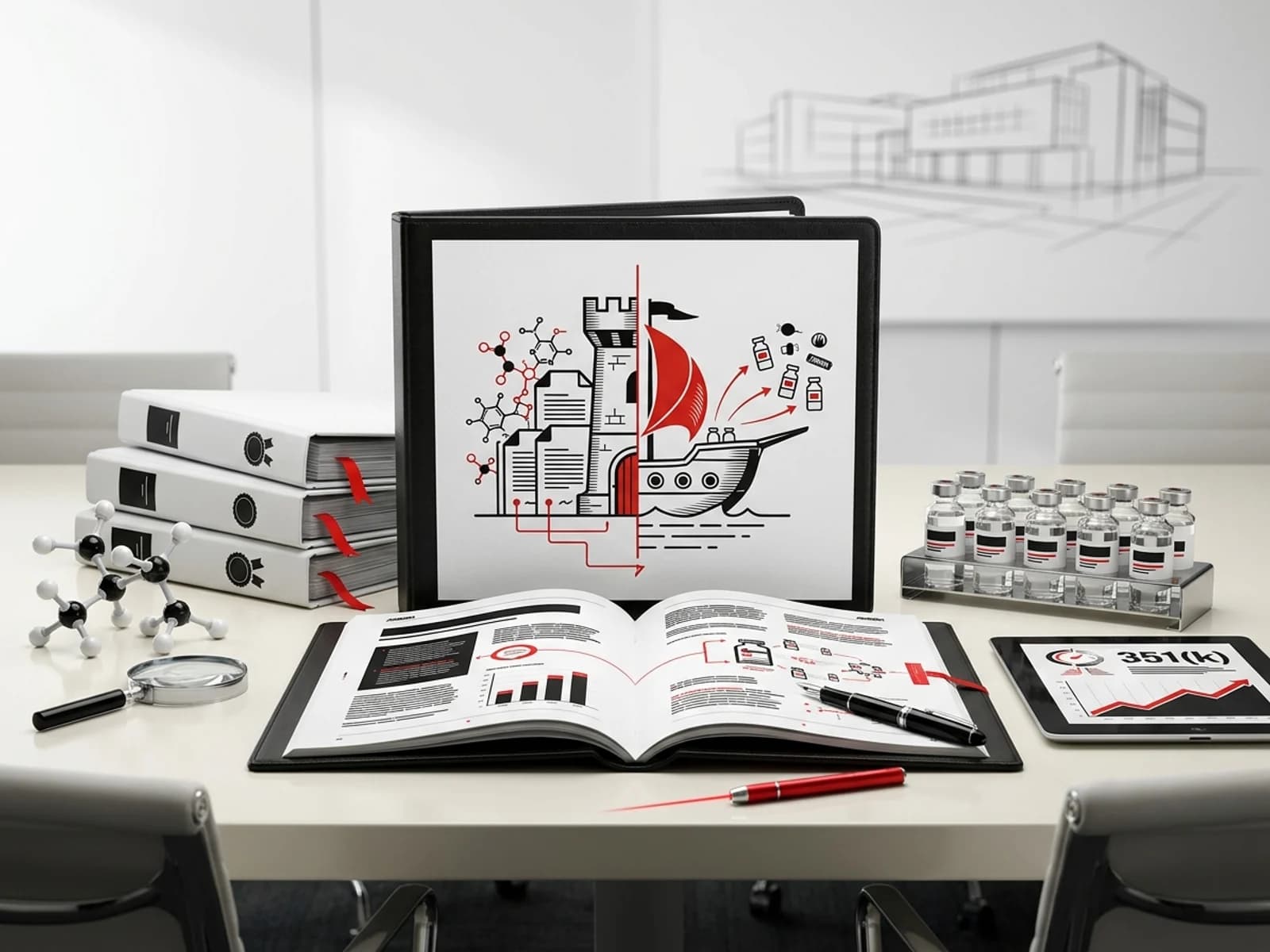
The FDA has licensed 229 biosimilar product entries under the 351(k) pathway, representing 85 distinct biosimilar applications. That number sounds like a mature market — until you look at how those products are distributed. All 85 biosimilar applications target just 20 reference biologics. One reference product, Humira (adalimumab), accounts for 53 product entries from 10 distinct biosimilar applications by itself. Five BLA holders control 56% of all licensed biosimilar product entries. And 538 of the 558 unique reference biologic names in the Purple Book — 96% — still have zero biosimilar competition.
This analysis is drawn from the FDA Purple Book database of licensed biological products, covering all BLA types, approval dates, licensure status, and interchangeability designations. The Purple Book lists each product separately — meaning a single biosimilar approved for multiple presentations (e.g., prefilled syringe and auto-injector) or multiple reference-product indications (e.g., Prolia and Xgeva) creates more than one entry. The 229 product entries correspond to 85 unique BLA applications.
The biosimilar market at a glance
| Metric | Value |
|---|---|
| Total Purple Book records | 2,175 |
| 351(a) reference product records | 1,944 |
| Licensed biosimilar product entries (351(k)) | 229 |
| Distinct biosimilar BLA applications | 85 |
| Interchangeable biosimilar product entries | 127 |
| Reference products with biosimilar competition | 20 of 558 |
| 351(a) products currently licensed | 1,732 |
| Biosimilars currently marketed (Rx status) | 217 |
| Biosimilars discontinued | 12 |
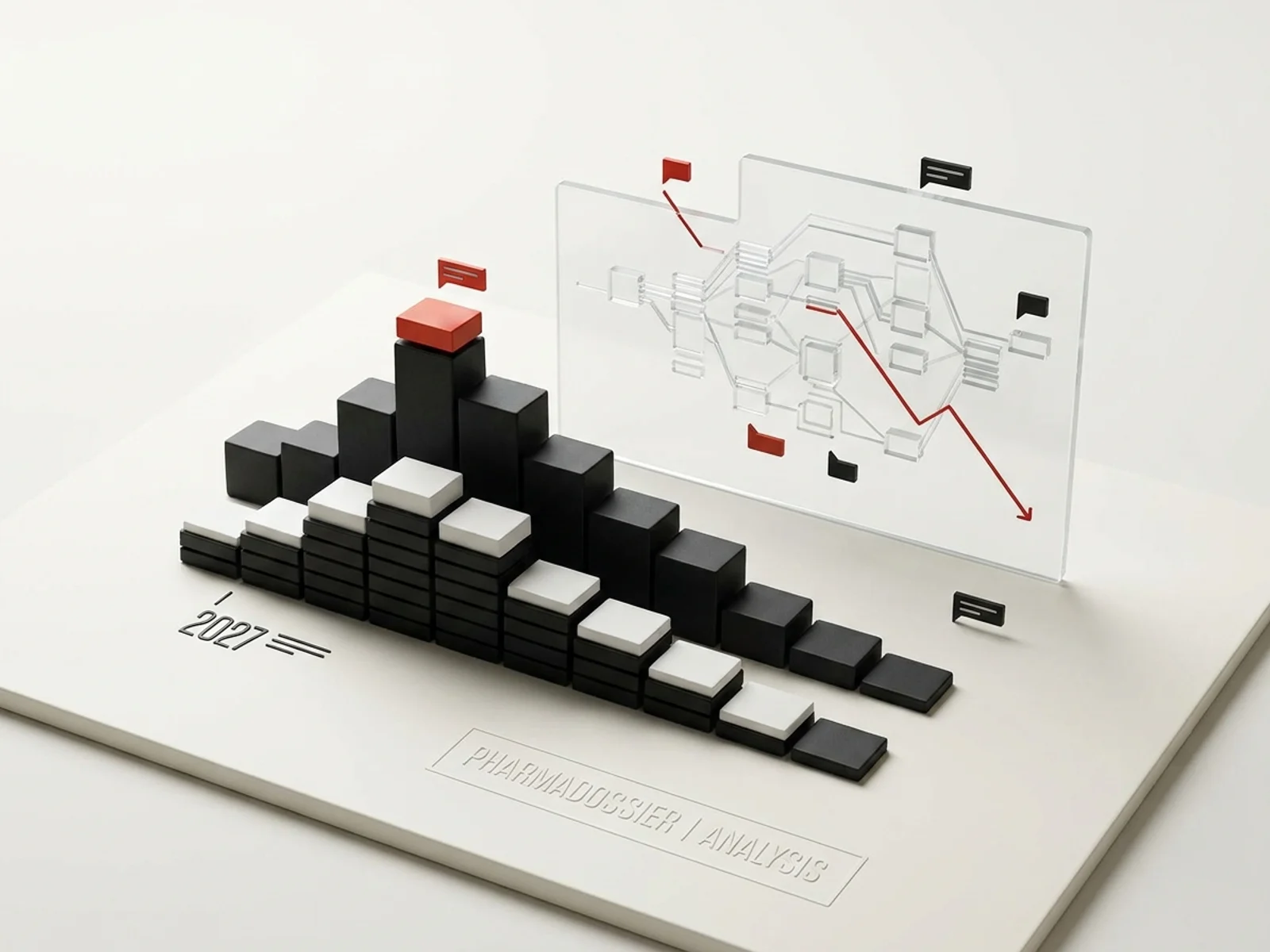
The 229 licensed biosimilars represent a twelvefold increase from the 19 approvals that existed at the end of 2019. The pace has accelerated sharply: 52 approvals in 2024 and 55 in 2025, compared with 5 in 2021.
Biosimilars per reference product: where competition concentrates
| Reference product | Licensed biosimilars | Interchangeable | Marketed (Rx) |
|---|---|---|---|
| Humira (adalimumab) | 53 | 48 | 53 |
| Stelara (ustekinumab) | 35 | 30 | 35 |
| Prolia/Xgeva (denosumab) | 22 | 22 | 22 |
| Actemra (tocilizumab) | 17 | 8 | 17 |
| Neupogen (filgrastim) | 14 | 0 | 14 |
| Eylea (aflibercept) | 12 | 2 | 12 |
| Avastin (bevacizumab) | 12 | 0 | 12 |
| Herceptin (trastuzumab) | 12 | 0 | 12 |
| Neulasta (pegfilgrastim) | 9 | 0 | 9 |
| Procrit (epoetin alfa) | 7 | 0 | 7 |
| Enbrel (etanercept) | 7 | 2 | 7 |
| Rituxan (rituximab) | 6 | 0 | 6 |
| Lucentis (ranibizumab) | 5 | 5 | 5 |
| Remicade (infliximab) | 4 | 0 | 4 |
| Novolog (insulin aspart) | 4 | 2 | 4 |
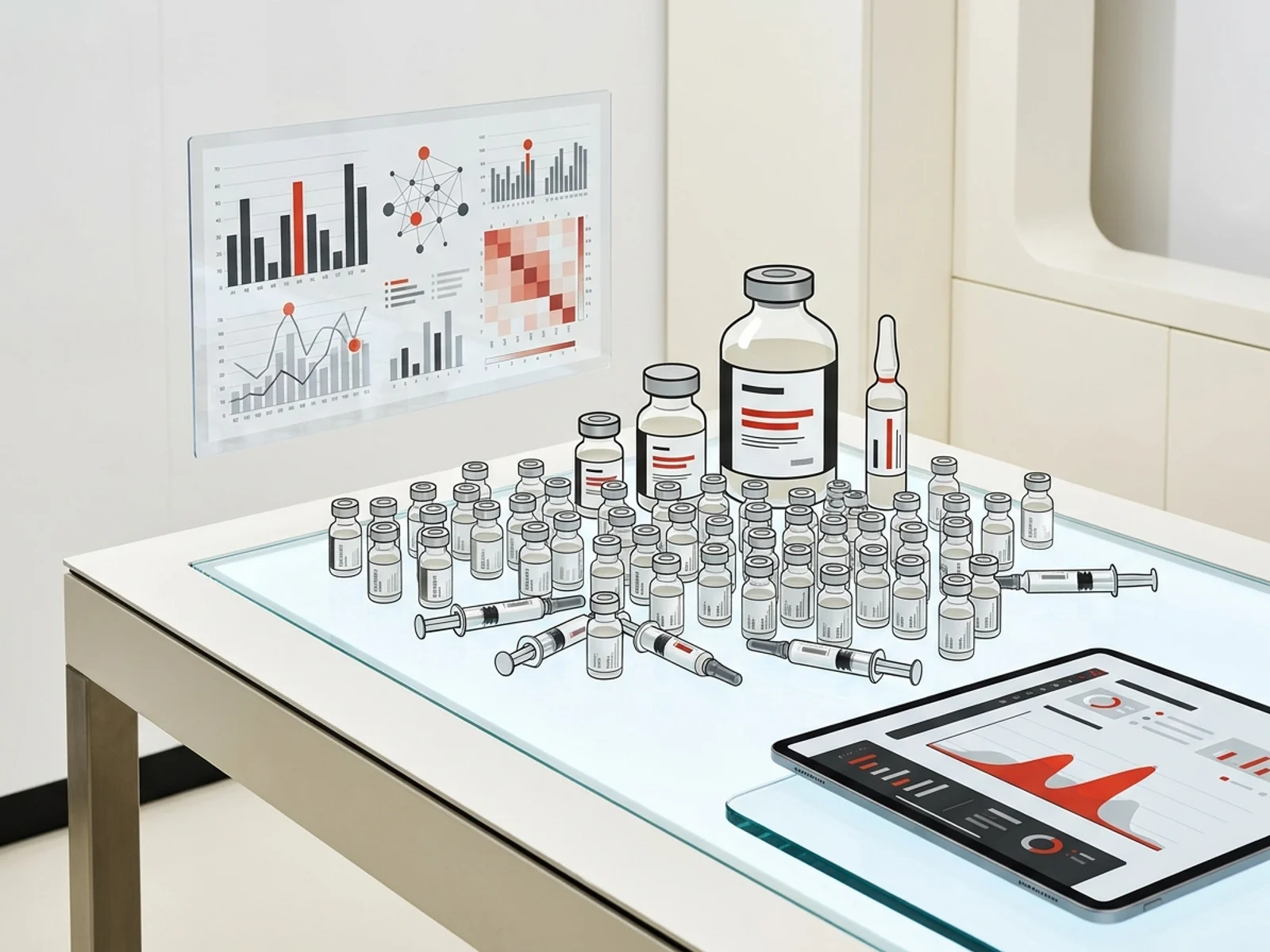
Three reference products — Humira, Stelara, and denosumab — together account for 110 of the 229 licensed biosimilar product entries (48%). The competitive density around these molecules is extraordinary. For Humira, 10 distinct biosimilar applications produce 53 product entries across multiple strengths and presentations, all competing for a market that was already eroding before the first biosimilar launched in 2023.
Interchangeability status is heavily skewed: Humira (48 of 53), Stelara (30 of 35), and denosumab (22 of 22) dominate the interchangeable category. In contrast, none of the filgrastim, bevacizumab, trastuzumab, pegfilgrastim, or rituximab biosimilars carry the interchangeable designation.
The interchangeability divide
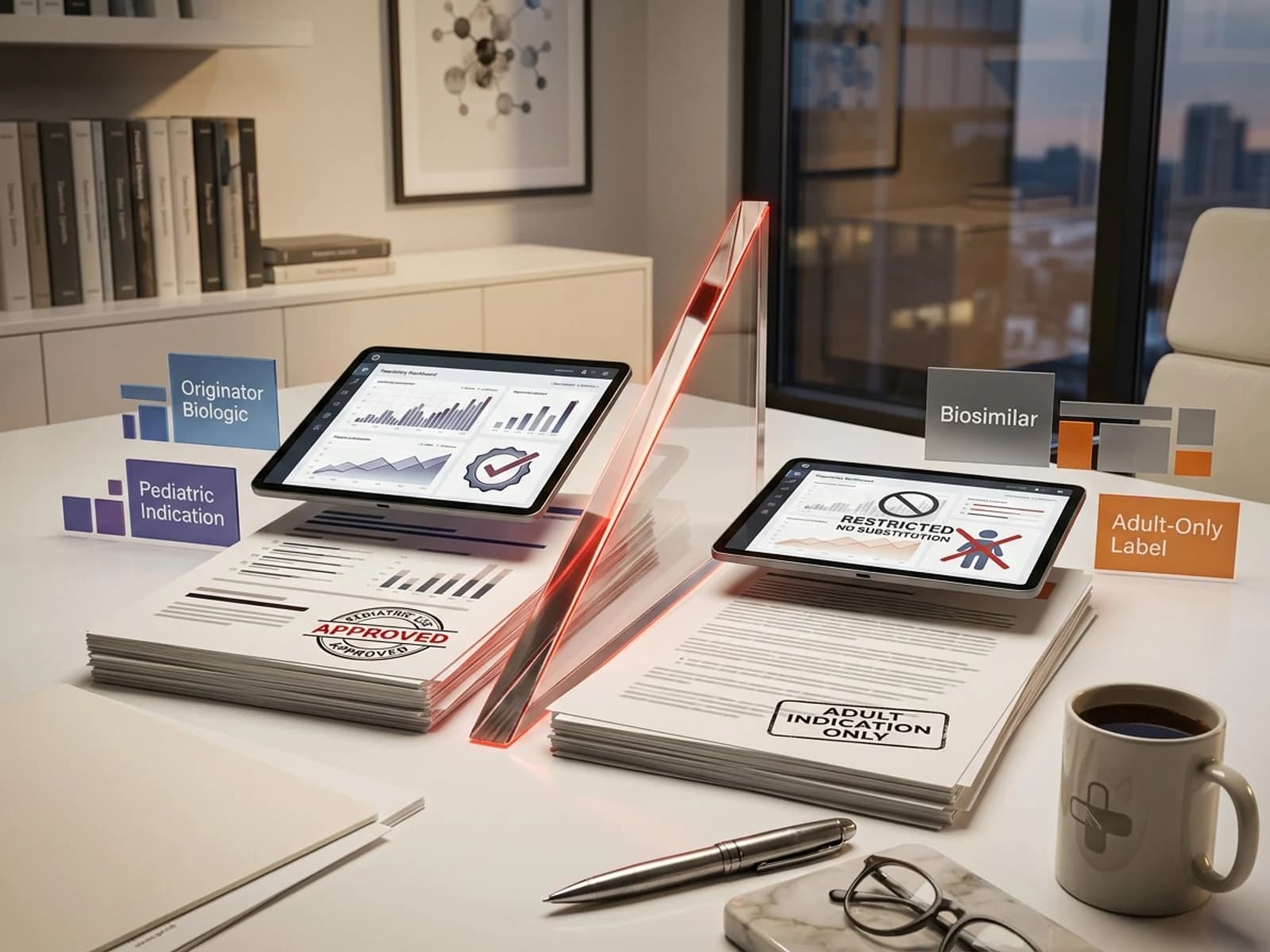
Of the 229 licensed biosimilar product entries, 127 (55%) are designated as interchangeable, corresponding to roughly 40 distinct interchangeable BLA applications. That majority is recent: until the FDA streamlined interchangeability requirements in 2024, the designation required dedicated switching studies, and many biosimilar sponsors chose not to pursue it.
The result is a two-tier market. Interchangeable biosimilars can be substituted at the pharmacy level without prescriber intervention in states that permit automatic substitution. Non-interchangeable biosimilars require a separate prescription. For payers and formulary committees, this distinction matters: the interchangeable products are structurally easier to drive toward lower-cost options.
Key gaps in interchangeability: filgrastim (Neupogen), bevacizumab (Avastin), trastuzumab (Herceptin), and pegfilgrastim (Neulasta) have no interchangeable biosimilars despite multiple licensed products. The oncology space — where these reference products are most used — remains a step behind the immunology space in pharmacy-level substitution.
BLA holder concentration: who makes the biosimilars
| BLA holder | Licensed biosimilars | Share |
|---|---|---|
| Celltrion | 32 | 14.0% |
| Sandoz | 28 | 12.2% |
| Amgen | 25 | 10.9% |
| Samsung Bioepis | 22 | 9.6% |
| Biocon Biologics | 21 | 9.2% |
| Fresenius Kabi | 16 | 7.0% |
| Hospira/Pfizer | 12 | 5.2% |
| Accord BioPharma | 10 | 4.4% |
| Alvotech | 9 | 3.9% |
| Pfizer | 7 | 3.1% |
The top five holders — Celltrion, Sandoz, Amgen, Samsung Bioepis, and Biocon — collectively hold 128 of 229 licensed biosimilars (55.9%). This is a remarkably concentrated market for products that are, by definition, competing on similarity.
Celltrion leads with 32 licensed biosimilars spanning adalimumab, infliximab, trastuzumab, rituximab, bevacizumab, ustekinumab, denosumab, and aflibercept. Its portfolio breadth is unmatched. Sandoz (28 products) holds the longest track record, having brought the first US biosimilar (Zarxio/filgrastim) to market in 2015.
Amgen occupies a unique dual position: it is both a reference-product sponsor (Prolia, Neulasta, Enbrel, Neupogen) and a major biosimilar manufacturer (25 licensed products). That vertical positioning gives it influence on both sides of the pricing equation.
Approval trend: the acceleration
| Year | Licensed biosimilar approvals | Cumulative |
|---|---|---|
| 2015 | 2 | 2 |
| 2016 | 7 | 9 |
| 2017 | 6 | 15 |
| 2018 | 17 | 32 |
| 2019 | 21 | 53 |
| 2020 | 10 | 63 |
| 2021 | 5 | 68 |
| 2022 | 20 | 88 |
| 2023 | 32 | 120 |
| 2024 | 52 | 172 |
| 2025 | 55 | 227 |
| 2026 (through June) | 2 | 229 |
Two structural changes drove the acceleration. First, the FDA's 2024 guidance change that removed the requirement for dedicated switching studies for interchangeability lowered development costs and timelines. Second, the expiration of Humira's patent estate in 2023 and Stelara's in 2024 opened the two largest biologics markets to biosimilar competition, attracting a wave of filings.
The 2024–2025 surge was dominated by denosumab (Prolia/Xgeva) biosimilars — eight were approved in 2025 alone — along with ustekinumab, tocilizumab, and the first aflibercept (Eylea) biosimilars.
What 96% of reference products still lack
Of the 558 unique reference biologic proper names in the Purple Book, only 20 (3.6%) have at least one licensed biosimilar. The remaining 538 products — spanning rare-disease enzyme therapies, monoclonal antibodies, cytokines, clotting factors, and vaccines — have no biosimilar competition at all.
The gap exists for structural reasons. Many reference biologics were approved under 351(a) after 2010 and are still within their 12-year data exclusivity window. Others serve small patient populations where the commercial case for biosimilar development is weak. And some — particularly cell and gene therapies — involve manufacturing processes that are sufficiently complex to deter would-be biosimilar entrants.
The next wave of biosimilar opportunity is visible but not yet in the Purple Book. Keytruda (pembrolizumab), Opdivo (nivolumab), and Eylea HD (aflibercept 8 mg) are all in the pipeline stage, with biosimilar candidates in Phase 3 or pending BLA review.
What this means for market access teams
1. The Humira and Stelara markets are oversaturated. With 53 and 35 licensed biosimilars respectively, these are no longer growth markets for biosimilar sponsors. Payers should expect aggressive pricing, formulary positioning battles, and PBM-driven consolidation. For manufacturers, the signal is clear: new entrants in these molecules are competing for share in a shrinking margin environment.
2. Interchangeability is becoming the default, not the exception. The FDA's streamlined pathway means that most new biosimilar filings will seek interchangeable status. Payers and health systems should plan formulary policies assuming pharmacy-level substitution as the norm, not the exception, for newly approved biosimilars.
3. Oncology biosimilar competition lags behind immunology. Bevacizumab, trastuzumab, rituximab, and pegfilgrastim all have licensed biosimilars but zero interchangeable ones. For oncology practices and buy-and-bill reimbursement, the substitution dynamics are different — and the payer leverage is weaker. Market-access teams should watch for interchangeable designations in oncology as the next inflection point.
4. The next competitive frontier is ophthalmology. Eylea (aflibercept) now has 12 licensed biosimilars, with Regeneron's formulation patents expiring starting June 2027. The retinal practice market — where buy-and-bill economics dominate — is about to undergo the same competitive restructuring that hit rheumatology with Humira biosimilars.
5. Biosimilar holder concentration creates supply-chain risk. If Celltrion, Sandoz, or Samsung Bioepis experiences a manufacturing disruption, the impact cascades across multiple reference-product markets simultaneously. Payers and health systems should evaluate single-source risk in their biosimilar formulary strategies.
Sources
FDA Purple Book database of licensed biological products, current edition; analysis by PharmaDossier, run date 2026-06-10. https://purplebooksearch.fda.gov/
FDA, "Biosimilar Product Information," FDA.gov. https://www.fda.gov/drugs/biosimilars/biosimilar-product-information
GaBI Online, "Biosimilars approved in the US." https://www.gabionline.net/biosimilars/general/biosimilars-approved-in-the-us
Fierce Pharma, "Inside the turning tides of the US biosimilar market." https://www.fiercepharma.com/pharma/us-biosimilar-landscape-marked-too-many-question-marks-shifting-policy-complex-market
Cencora, "US Biosimilar Landscape," July 2025. https://www.cencora.com/-/media/assets/corporate/global/campaign-pages/cencora-biosimilars-usmarketlandscape-jul25.pdf
IPD Analytics, "Biosimilars Boom: 2025's Fast Track Approvals Look to Reshape Healthcare." https://www.ipdanalytics.com/post/biosimilars-boom-2025-s-fast-track-approvals-look-to-reshape-healthcare
Fish & Richardson, "2025 Biologics & Biosimilars Landscape: IP, Policy & Market Trends." https://www.fr.com/insights/thought-leadership/blogs/biologics-and-biosimilars-landscape-2025-ip-policy-and-market-developments