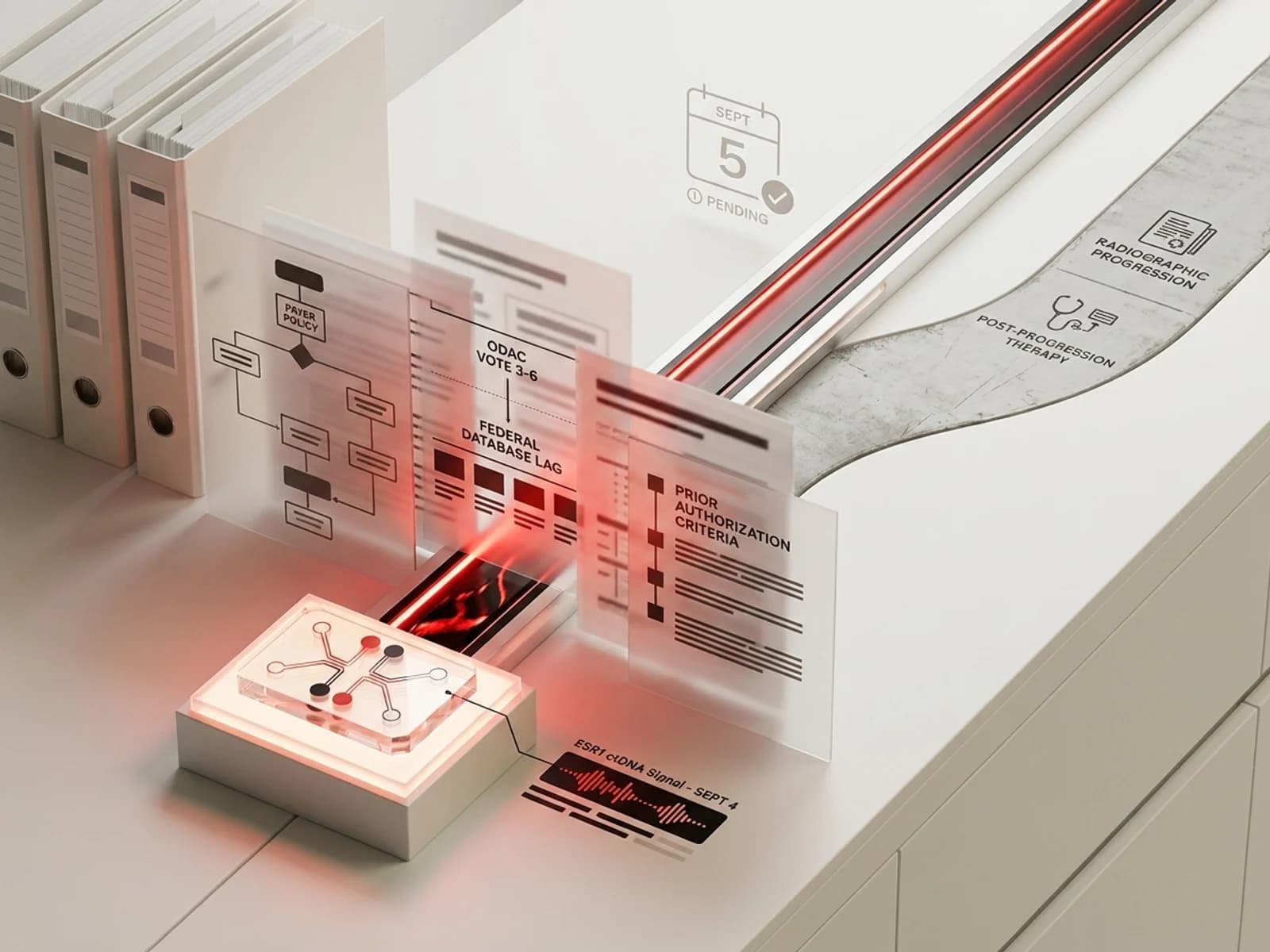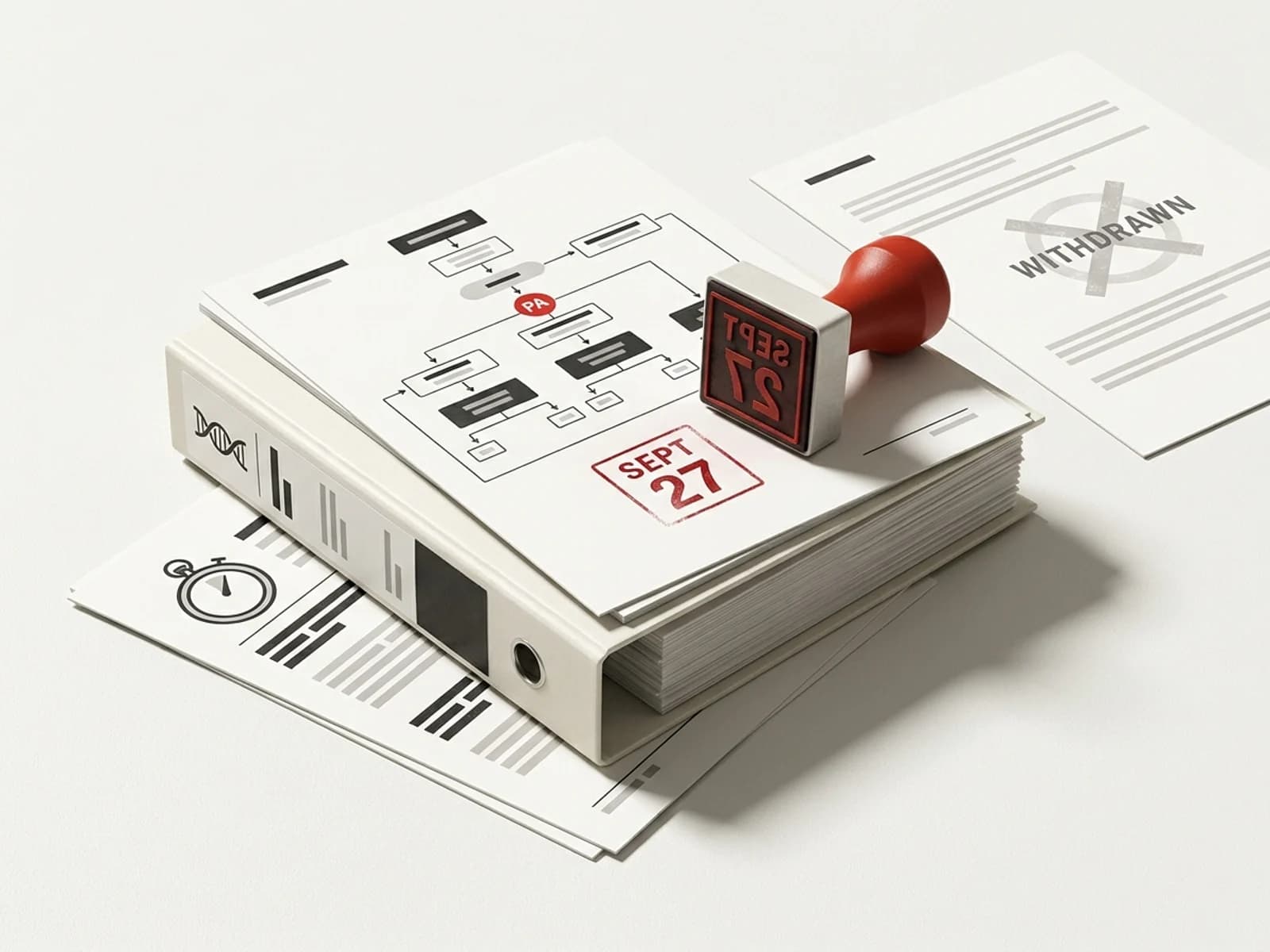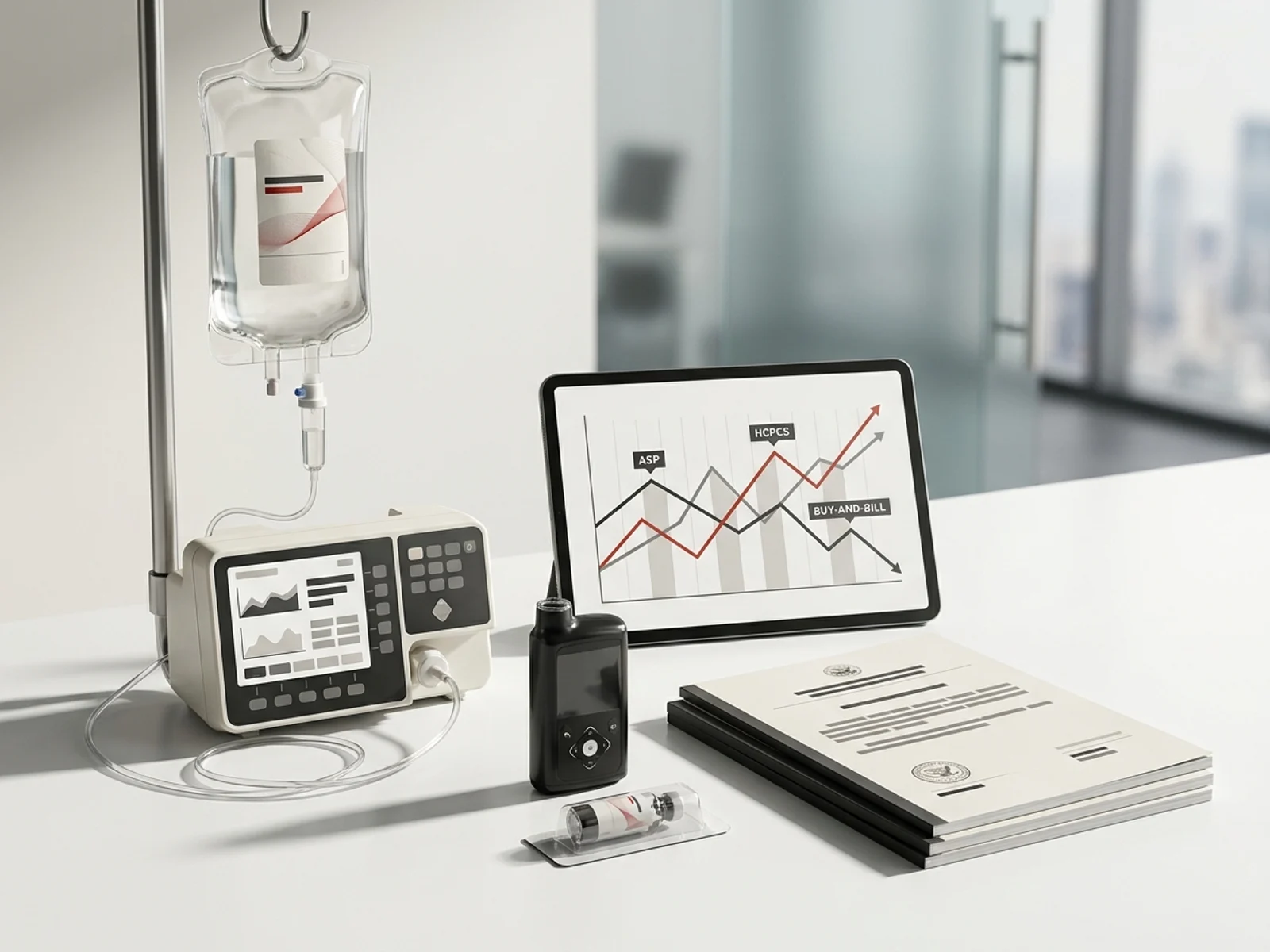
Approved on November 13, 2025, under BLA 761450, Poherdy (pertuzumab-dpzb, Henlius Biotech) is the first FDA-approved biosimilar to Perjeta (pertuzumab). Licensed as a 351(k) interchangeable biologic, it shares the reference product's 420 mg/14 mL (30 mg/mL) presentation. Poherdy is billed under the medical benefit (buy-and-bill) using HCPCS code J9306 (pertuzumab, 1 mg). Because it routes through provider-administered medical benefits rather than retail pharmacies, it records zero transactions in retail acquisition databases like NADAC.
Although Poherdy is an interchangeable biosimilar, its status as a provider-administered infusion means its commercial success will be determined by medical-benefit formulary tiering and payer rebate negotiation, not by automatic pharmacy-level substitution. Oncology therapeutics represent a unique commercial segment where state-level pharmacy substitution laws have minimal immediate impact, as these products are rarely dispensed via retail pharmacies. Instead, access is governed by hospital and clinic pharmacy and therapeutics (P&T) committees, buy-and-bill margins, and payer-negotiated rebates.
This article provides an in-depth analysis of Poherdy’s regulatory approval, the clinical and commercial significance of its interchangeable status, the billing codes and reimbursement frameworks that govern its administration, and the strategic positioning commercial and Medicare Advantage payers are expected to adopt.
FDA BLA Approval Details and Regulatory Context
The FDA approval of Henlius Biotech’s Poherdy (pertuzumab-dpzb) on November 13, 2025, marked a significant milestone in the expansion of biosimilars in the United States oncology market. The reference product, Genentech’s Perjeta (pertuzumab), was originally approved under BLA 125409 on June 8, 2012. Perjeta was granted a 12-year reference product exclusivity period under the Public Health Service Act, which expired on June 8, 2024. This expiration cleared the regulatory runway for the FDA to approve the first biosimilar competitors.
Poherdy was approved under Section 351(k) of the Public Health Service Act. To achieve this, the developer, Shanghai Henlius Biotech, Inc., in partnership with Organon, submitted a comprehensive analytical and clinical data package demonstrating that Poherdy is highly similar to Perjeta. The data package included structural and functional characterization, nonclinical studies, and comparative clinical trials. Following its U.S. approval, Poherdy also received marketing authorization from the European Commission in April 2026, establishing its global regulatory footprint.
Comparative Clinical Trial Evidence
The pivotal clinical evidence supporting the approval of Poherdy came from a randomized, double-blind, global Phase III study comparing the biosimilar candidate directly with reference Perjeta. The study was conducted in patients with HER2-positive metastatic breast cancer. Patients were randomized to receive either Poherdy or Perjeta in combination with trastuzumab and docetaxel (the standard first-line THP regimen).
The primary endpoint of the trial was the objective response rate (ORR) within a pre-defined equivalence margin. The study met its primary endpoint, demonstrating that the therapeutic efficacy of Poherdy was equivalent to that of Perjeta. Secondary endpoints, including progression-free survival (PFS), overall survival (OS), and safety profiles—specifically cardiac safety metrics such as left ventricular ejection fraction (LVEF) declines—were highly similar between the two groups. Immunogenicity assessments also showed no clinically meaningful differences in the rate or impact of anti-drug antibody (ADA) development.
Regulatory Exclusivity Reconciliations
Under the BPCIA, the first biosimilar approved as interchangeable for a reference product is eligible for a period of first interchangeable biosimilar exclusivity. During this exclusivity period, the FDA cannot approve another interchangeable biosimilar to the same reference product. For Poherdy, this exclusivity will begin upon its commercial launch, and its exact expiration date will be determined by commercial entry timelines.
The following table compares the regulatory parameters of Perjeta and Poherdy as recorded in the FDA Purple Book:
| Regulatory Parameter | Reference Product: Perjeta | Biosimilar: Poherdy |
|---|---|---|
| BLA Number | BLA 125409 | BLA 761450 |
| Licensure Pathway | Section 351(a) (Originator) | Section 351(k) (Biosimilar & Interchangeable) |
| Proper Name | pertuzumab | pertuzumab-dpzb |
| Applicant Name | Genentech, Inc. (Roche) | Shanghai Henlius Biotech, Inc. |
| U.S. Commercial Partner | N/A | Organon & Co. |
| First FDA Approval Date | June 8, 2012 | November 13, 2025 |
| Reference Exclusivity Expiration | June 8, 2024 (Expired) | N/A |
| Interchangeable Exclusivity | N/A | 1 Year (Starts at Launch - Date TBD) |
| Approved Strength | 420 mg / 14 mL (30 mg/mL) | 420 mg / 14 mL (30 mg/mL) |
| Formulation Presentation | Single-Dose Vial (Intravenous) | Single-Dose Vial (Intravenous) |
| Approved Indications | Metastatic Breast Cancer, Neoadjuvant Breast Cancer, Adjuvant Breast Cancer | Matches reference product (Full label extrapolation) |
Poherdy is currently listed as the only approved pertuzumab interchangeable biologic in Purple Book database analyses, highlighting its unique competitive position as the first-in-class biosimilar for pertuzumab.
Patent Settlement Details
Following BLA approval, the launch of a biosimilar is frequently delayed by patent disputes, commonly referred to as the "patent dance." Genentech filed patent infringement lawsuits against Organon and Henlius in the U.S. District Court for the District of New Jersey. The litigation focused on patents covering both the manufacturing methods and the therapeutic combination use of pertuzumab in cancer regimens.
On January 30, 2026, Genentech, Henlius, and Organon entered into a confidential settlement agreement. The court subsequently dismissed the lawsuit. Under the terms of the settlement, Organon and Henlius secured the license rights to commercialize Poherdy in the United States. While the specific commercial launch date remains confidential, this settlement eliminated the risk of an "at-risk" launch and cleared the path for commercial introduction in 2026.
The Concept of Interchangeability in Oncology
A common point of confusion among healthcare professionals and market-access teams is the clinical and legal meaning of the "interchangeable" designation. Under the Biologics Price Competition and Innovation Act (BPCIA), an interchangeable biologic is a biosimilar that has met additional regulatory standards set by the FDA:
Biosimilarity: The product is highly similar to the reference product with no clinically meaningful differences.
Same Clinical Result: The product can be expected to produce the same clinical result as the reference product in any given patient.
Switching Safety: For a product administered more than once to an individual, the safety and efficacy of switching back and forth between the biosimilar and the reference product are no greater than the risk of using the reference product continuously.
State-Level Substitution Laws
Under U.S. law, the FDA designates products as interchangeable, but individual state laws govern whether a pharmacist can substitute an interchangeable biologic without the intervention of the prescribing physician. In almost all states, pharmacists are permitted (or required) to substitute an interchangeable biologic for the reference brand, subject to certain conditions:
Notification: The pharmacist must notify the patient and/or the prescriber of the substitution within a specified timeframe (typically 24 to 72 hours).
Documentation: The specific product name and manufacturer must be recorded in an electronic pharmacy record accessible to the prescriber.
"Dispense as Written" (DAW): The prescriber can prevent substitution by writing "Brand Medically Necessary," "DAW," or similar language on the prescription.
However, oncology therapeutics like pertuzumab represent a segment where state-level pharmacy substitution laws have minimal immediate impact. This is because these products are provider-administered infusions and are not dispensed at retail pharmacy counters.
Institution-Level Substitution and P&T Committees
For buy-and-bill oncology products, substitution is managed at the institution level rather than the retail pharmacy counter. Hospital systems, regional oncology networks, and clinics utilize Pharmacy and Therapeutics (P&T) committees to manage their formularies:
Therapeutic Interchange Protocols: P&T committees review clinical data and cost structures to establish automatic therapeutic interchange protocols.
Operational Flow: If the P&T committee votes to add Poherdy to the formulary as the preferred pertuzumab product, the hospital pharmacy will automatically substitute Poherdy for all Perjeta orders written by hospital physicians.
EHR Hardcoding: EMR systems (e.g., Epic Beacon or Flatiron OncoEMR) are configured to direct the physician's order to the preferred formulary product. When a physician selects a standard chemotherapy/biotherapy protocol, the system automatically selects the preferred NDC.
Therefore, while the interchangeable status provides significant clinical reassurance to physicians and P&T committees, the operational mechanism of substitution relies on institution-level formulary decisions rather than retail-level pharmacist substitution.
The following table summarizes how interchangeable substitution laws compare across key states:
| State | Substitution Permitted | Prescriber Notification Requirement | Timeframe for Notification | Electronic Record Documentation |
|---|---|---|---|---|
| California | Yes | Yes (unless prescription is DAW) | 5 Business Days | Yes (must record NDC) |
| Texas | Yes | Yes | 3 Business Days | Yes |
| New York | Yes | Yes (and must notify patient) | 72 Hours | Yes |
| Florida | Yes | Yes | 5 Days | Yes |
| Illinois | Yes | Yes | 5 Days | Yes |
While these laws are technically in place, their practical application is limited to retail-dispensed biologics (such as insulin or adalimumab) and does not directly govern buy-and-bill oncology drugs like pertuzumab.
The Buy-and-Bill Economics and Pricing Paradox
The commercial landscape for oncology infusions is governed by the "buy-and-bill" model. Under this model, the provider acts as the purchaser, inventory manager, and biller for the drug:
[Manufacturer] -> [Specialty Distributor] -> [Oncology Clinic/Hospital] -> [Patient Infusion]
                                                       |
                                                       v
                                            [Submit Medical Claim]
                                            (HCPCS J9306 + NDC)
In this system, the provider’s financial health is tied to the margin between their acquisition cost (the price paid to the distributor) and the reimbursement rate (the payment received from the payer).
Reconciling the Zero Records in CMS NADAC
A key commercial detail is that the Centers for Medicare & Medicaid Services (CMS) National Average Drug Acquisition Cost (NADAC) database contains exactly zero records for Perjeta, Poherdy, or any pertuzumab NDC.
This pricing obscurity occurs because CMS compiles the NADAC database exclusively from monthly surveys of retail community pharmacies. The survey aims to capture retail acquisition costs for drugs billed under the pharmacy benefit (Part D or commercial pharmacy benefits). Because provider-administered infusions like pertuzumab are distributed through specialty distributors directly to clinics and hospitals and are billed under the medical benefit (Part B or commercial medical benefits), they never generate retail transaction records.
This pricing structure means that retail pharmacy price-comparison tools and pharmacy discount cards are irrelevant for pertuzumab. Instead, market access teams must look at the Average Sales Price (ASP) and Wholesale Acquisition Cost (WAC) to understand the financial incentives driving clinic behavior.
Average Sales Price (ASP) and the ASP Lag
Reimbursement for Medicare Part B outpatient drugs is calculated based on the manufacturer-reported Average Sales Price (ASP). Each quarter, manufacturers report the net sales price (inclusive of all discounts, rebates, and chargebacks) for each NDC to CMS. CMS then calculates the weighted average ASP for each HCPCS code.
Reimbursement Rate: For reference biologics like Perjeta, Medicare pays the provider ASP + 6%. To encourage the adoption of biosimilars, Congress modified this formula through the Inflation Reduction Act (IRA). For biosimilars, Medicare pays the provider ASP + 8% of the reference product's ASP (not the biosimilar’s ASP) for a specified period. This legislative incentive ensures that providers do not face a financial penalty for choosing a lower-priced biosimilar.
The ASP Lag Risk: The ASP methodology introduces a six-month lag. For example, the ASP published for the third quarter of a year is calculated from sales data reported during the first quarter. When a new biosimilar launches, it does not have a published ASP. During this initial lag period, payers reimburse providers based on the Wholesale Acquisition Cost (WAC)—typically WAC + 3% for the biosimilar.
Operational Impact: If a clinic purchases a biosimilar at launch, the WAC-based reimbursement may not fully cover their overhead if the manufacturer's net pricing is dropping faster than the WAC. Providers must carefully manage their clinic contracts and specialty distributor discounts during the first two quarters of launch to avoid "underwater" administrations.
The following table compares the pricing and distribution models of retail pharmacy drugs versus medical buy-and-bill drugs:
| Operational Parameter | Retail Pharmacy Model (e.g., Oral ADHD) | Medical Buy-and-Bill Model (e.g., Pertuzumab) |
|---|---|---|
| Billing Benefit | Pharmacy Benefit (Medicare Part D / Commercial) | Medical Benefit (Medicare Part B / Commercial) |
| Distribution Channel | Retail Wholesaler -> Community Pharmacy | Specialty Distributor -> Oncology Clinic/Hospital |
| Billing Code Type | National Drug Code (NDC) 11-digit | HCPCS Level II (e.g., J9306) + NDC |
| Pricing Baseline | WAC, AWP, NADAC | WAC, ASP (Average Sales Price) |
| NADAC Visibility | High (Surveyed monthly from retail pharmacies) | None (Zero records due to clinical distribution) |
| Reimbursement Basis | Maximum Allowed Cost (MAC) / Pharmacy Contract | ASP + 6% (or ASP + 8% for biosimilars) |
| Substitution Trigger | State-level automatic pharmacy substitution | Institution P&T / Physician EHR selection |
Payer Coverage Strategies and Combination Regimen Dynamics
Commercial insurers and Medicare Advantage organizations utilize utilization management tools to control specialty oncology drug spend. Because oncology regimens represent high clinical stakes, payers balance cost containment with guideline-based therapy.
Combination Regimen Context: The THP Backbone
In clinical practice, pertuzumab is rarely administered alone. It is almost always administered in combination with trastuzumab and chemotherapy (docetaxel or carboplatin), a regimen commonly referred to as the THP backbone.
The use of pertuzumab in combination breast cancer regimens represents the clinical baseline. When a payer evaluates formulary coverage for Poherdy, they must consider the financial impact on the entire combination:
Dual-Biosimilar Opportunities: Trastuzumab has multiple approved biosimilars (e.g., Kanjinti, Ogivri, Herzuma, Ontruzant, Trazimera). Payers have already established preferred trastuzumab biosimilars. The entry of Poherdy allows payers to mandate a "dual-biosimilar" regimen (biosimilar trastuzumab + biosimilar pertuzumab), maximizing their total savings.
The Phesgo Defense: Genentech anticipated the biosimilar entry for both Perjeta and Herceptin by developing Phesgo (pertuzumab, trastuzumab, and hyaluronidase-zzxf subcutaneous injection, BLA 761170), approved in June 2020. Phesgo is a single subcutaneous injection that replaces separate IV infusions of pertuzumab and trastuzumab.
Clinical Convenience vs. Cost: Phesgo reduces administration time from several hours to minutes. This clinical convenience has driven rapid adoption among community oncology practices. To protect their franchise, Genentech offers significant rebates on Phesgo, creating a "rebate wall." If a payer has a high rebate contract for Phesgo, they may place Phesgo on the preferred formulary tier and exclude or restrict Poherdy, even though Poherdy has a lower list price.
Payer Management Tools
Payers utilize several mechanisms to direct utilization toward preferred oncology products:
Step Therapy (Fails-First): Payers can require that a patient "fail" therapy on the preferred product (typically the biosimilar) before the plan will cover the non-preferred product (the brand). In oncology, "failure" is defined by clinical progression or intolerable side effects. Because biosimilars are clinically equivalent, step therapy usually functions as a mandate to start new patients on the biosimilar.
Prior Authorization (PA) Documentation: Payers require clinics to submit medical records confirming that the patient meets the clinical criteria for pertuzumab therapy. The PA portal will prompt the user to select the preferred biosimilar NDC. If the clinic selects the brand, the portal will require documentation of a specific clinical justification (e.g., a history of hypersensitivity to an excipient unique to the biosimilar).
Site of Care (SOC) Infusion Mandates: Payers may mandate that the infusion be administered in a non-hospital outpatient clinic or via home infusion rather than a hospital outpatient department, as hospital departments typically bill at significantly higher rates. This SOC policy operates alongside biosimilar preferences to control total costs.
Operational and Billing Playbook for Oncology Practices
For hospital billing teams, pharmacy directors, and clinic administrators, successfully integrating a new biosimilar like Poherdy requires updating multiple administrative layers. Failure to do so can result in delayed claims, denials, and inventory write-offs.
HCPCS Billing and Unit Conversions
The primary billing code for pertuzumab is HCPCS code J9306. Clinic billers must pay close attention to unit conversions:
Billing Unit Definition: HCPCS code J9306 is defined as 1 mg of pertuzumab.
Vial Strength: A single-dose vial of Poherdy contains 420 mg of pertuzumab in 14 mL of solution.
Claim Submission: When administering a standard 420 mg dose (the standard maintenance dose for breast cancer indications), the biller must enter 420 units on the claim form. Entering "1" unit (representing one vial) is a common billing error that results in underpayment by a factor of 420, representing a significant financial loss for the clinic.
Modifiers: Billers must append the appropriate modifier to code J9306 to identify the biosimilar. While Perjeta is billed under J9306 without a biosimilar modifier (or with a brand-specific modifier depending on the payer), Poherdy requires the designated biosimilar modifier (e.g.,
-dpzbsuffix related code) to ensure correct ASP-based processing.
NDC Format Conversions
Payers require the 11-digit National Drug Code (NDC) to be reported on all physician-administered drug claims. Manufacturers print NDCs on drug packaging, but they frequently use a 10-digit format. For example, a manufacturer may print a 10-digit NDC in a 5-4-1 format (e.g., 12345-6789-1).
To submit a clean medical claim, billing systems must convert this to the standard 11-digit 5-4-2 format. This is accomplished by inserting a leading zero in the appropriate section:
10-Digit Format:
12345-6789-1(5-4-1)11-Digit Format:
12345-0678-01(5-4-2) — the leading zero is inserted before the second segment and the third segment to match the payer's database.
Clinical IT teams must ensure that their electronic health record (EHR) systems and billing systems are hardcoded with the correct 11-digit conversion for Poherdy’s specific NDCs before clinical administration.
Wastage Documentation: JW and JZ Modifiers
Because Poherdy is packaged in a single-dose vial, any drug remaining in the vial after preparing the patient's dose cannot be stored or administered to another patient. It must be discarded. Under CMS guidelines, providers must report drug waste:
JW Modifier: The JW modifier is used to report drug waste from single-dose vials. The discarded drug must be billed on a separate line with the JW modifier, and the quantity must match the difference between the vial size and the administered dose.
JZ Modifier: The JZ modifier is used to confirm that no drug was wasted. Since the standard maintenance dose of pertuzumab is exactly 420 mg, and the vial contains exactly 420 mg, there is typically zero waste. Providers must append the JZ modifier to the primary J9306 billing line to certify that no wastage occurred.
Compliance Risks: CMS audits clinics for compliance with JW and JZ modifier reporting. Failing to append the JZ modifier when no waste occurred, or failing to document waste when a partial dose was administered, can lead to claim audits and clawbacks.
Detailed FAQ Section
Can Poherdy be pharmacy-substituted for Perjeta under state laws?
No. Although Poherdy is licensed as an interchangeable biosimilar by the FDA under the 351(k) pathway, state-level pharmacy substitution laws only apply to retail pharmacy operations where a pharmacist dispenses a drug directly to a patient. Because pertuzumab is a provider-administered IV infusion, it is distributed through specialty channels under the buy-and-bill model.
Instead of retail substitution, the clinical and commercial transition to Poherdy is managed through hospital and clinic formulary decisions made by Pharmacy and Therapeutics (P&T) committees. A P&T committee can establish a therapeutic interchange protocol that automatically substitutes Poherdy for Perjeta within their network, but this is an institutional process, not a retail pharmacy substitution.
What are the HCPCS billing modifiers and code requirements for Poherdy?
Poherdy is billed under the medical benefit using HCPCS code J9306 (Injection, pertuzumab, 1 mg). Because the billing unit is 1 mg, a standard 420 mg administration must be billed as 420 units.
To distinguish the biosimilar from reference Perjeta, billers must append the designated two-letter biosimilar modifier (corresponding to the -dpzb suffix) to the J9306 code on the claim form. In addition, claims must include the converted 11-digit NDC and utilize the JZ modifier to certify that no drug was wasted (since a standard maintenance dose utilizes the full 420 mg vial).
How does the Medicare Part B biosimilar payment incentive work under the Inflation Reduction Act?
To encourage providers to adopt lower-cost biosimilars, the Inflation Reduction Act (IRA) modified the Medicare Part B reimbursement formula. Under the standard formula, Medicare reimburses providers for outpatient drugs at a rate of ASP + 6% of the drug's own ASP. This creates a disincentive for providers to choose biosimilars, as a lower-priced biosimilar yields a lower absolute dollar margin than a higher-priced brand.
Under the IRA, Medicare reimburses biosimilars at a rate of ASP + 8% of the reference product's ASP (rather than the biosimilar's own ASP). This payment rate ensures that providers receive a higher absolute dollar margin for administering the biosimilar, offset by the lower acquisition cost, creating a financial incentive to transition to biosimilars.
What is the clinical significance of switching studies in Poherdy's development?
To secure the interchangeable designation from the FDA, the developers of Poherdy had to conduct switching studies. These studies evaluate the clinical impact of alternating between the reference product and the biosimilar:
Design: Patients are randomized to receive either continuous reference product or a switching regimen that alternates between the reference product and the biosimilar multiple times.
Endpoints: The studies measure pharmacokinetic (PK) parameters, efficacy, safety, and immunogenicity (specifically the rate of anti-drug antibody development).
Clinical Assurance: The switching studies for Poherdy demonstrated that alternating between Poherdy and Perjeta did not result in any increase in immunogenicity, safety events, or loss of efficacy compared to continuous Perjeta therapy. This provides clinical confidence to oncologists that transitioning patients currently on Perjeta to Poherdy is safe and effective.
How does Phesgo's subcutaneous formulation affect Poherdy's market uptake?
Phesgo (pertuzumab, trastuzumab, and hyaluronidase-zzxf) is a subcutaneous co-formulation developed by Genentech as a lifecycle management strategy to defend against biosimilar competition. Phesgo allows providers to administer both HER2-targeted therapies in a single subcutaneous injection in minutes, compared to several hours for separate IV infusions of Perjeta and Herceptin.
Phesgo’s clinical convenience has driven significant market share. Because Phesgo is a co-formulated product under a separate BLA, it is not subject to automatic substitution with individual IV biosimilars like Poherdy. For Poherdy to capture market share in clinics utilizing Phesgo, Organon must offer pricing discounts that make the combination of separate IV biosimilars (Poherdy + biosimilar trastuzumab) financially superior to Phesgo, offsetting the clinic's additional infusion chair time and labor costs.
Sources
U.S. Food and Drug Administration (FDA): Purple Book Database of Licensed Biological Products. BLA 761450 (Poherdy) and BLA 125409 (Perjeta) snapshots. Purple Book Search
Centers for Medicare & Medicaid Services (CMS): National Average Drug Acquisition Cost (NADAC) CSV extract, June 10, 2026. Medicaid.gov Prescribed Drugs
U.S. District Court for the District of New Jersey: Genentech, Inc. v. Shanghai Henlius Biotech, Inc. and Organon & Co., Joint Stipulation of Dismissal and Settlement, January 30, 2026.
Shanghai Henlius Biotech, Inc.: Press Release (with Organon): "Henlius and Organon Announce US FDA Approval of POHERDY (pertuzumab-dpzb)," November 17, 2025. Henlius Biotech News
Shanghai Henlius Biotech, Inc. / Organon: Press Release: "European Commission Approves POHERDY (pertuzumab), the First Approved Biosimilar to PERJETA in Europe," April 29, 2026. Henlius Biotech News
U.S. Food and Drug Administration (FDA): Perjeta (pertuzumab) prescribing information and approval package (BLA 125409), approved June 8, 2012. Drugs@FDA
Centers for Medicare & Medicaid Services (CMS): Medicare Part B Average Sales Price (ASP) Pricing Files, Q2 2026. CMS Part B Drugs