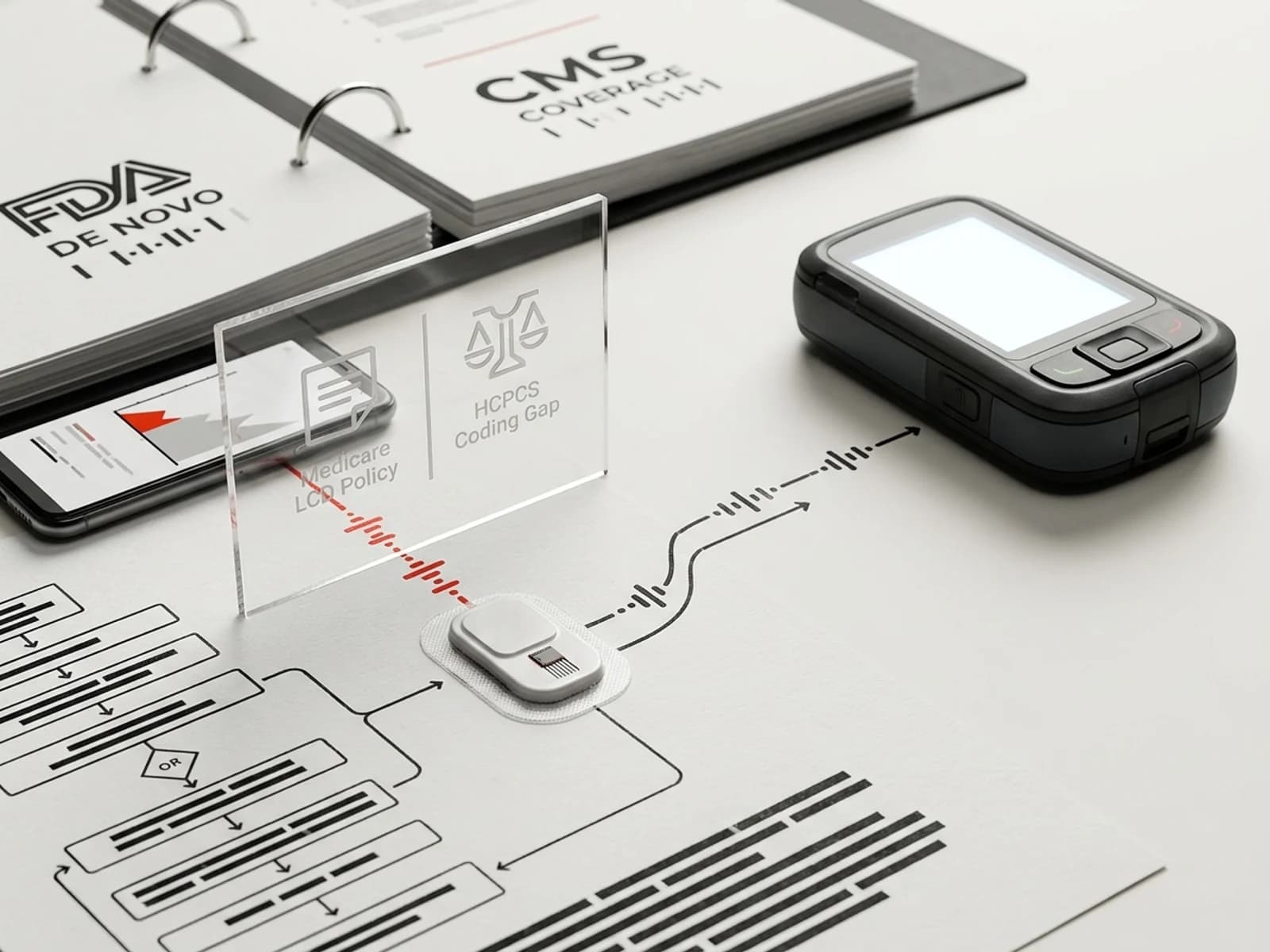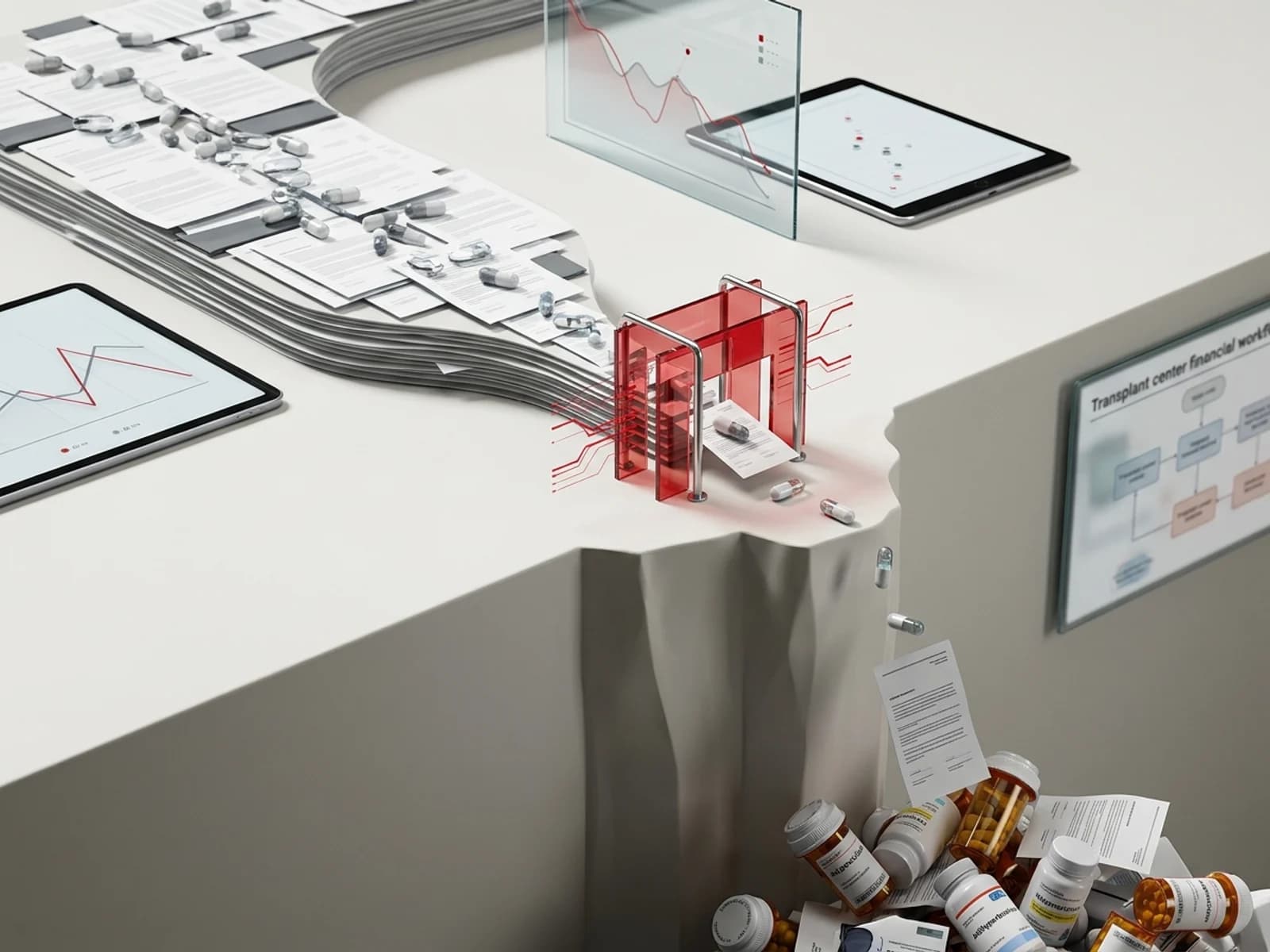
For kidney transplant recipients in the United States whose Medicare eligibility is predicated solely on End-Stage Renal Disease (ESRD), survival of the allograft depends on navigating one of the most abrupt benefit transitions in federal healthcare policy: the 36-month Medicare coverage cliff. Under Section 226A of the Social Security Act, Medicare entitlement for individuals qualifying solely due to permanent kidney failure terminates exactly 36 months following the month of a successful kidney transplant. With the termination of Medicare Part A and Part B, patients lose the primary payer mechanism that funded their life-sustaining immunosuppressive drug regimen.
To prevent graft failure and return to costly maintenance hemodialysis caused by coverage loss, Congress enacted Section 402 of the Consolidated Appropriations Act, 2021, establishing the Medicare Part B Immunosuppressive Drug Benefit—commonly known as Part B-ID—effective January 1, 2023.
Yet in 2026, the real-world performance of Part B-ID presents a striking paradox. According to the 2026 Medicare Trustees Report, enrollment in Part B-ID reached approximately 275 individuals in 2025—a dramatic shortfall against the roughly 2,000 enrollees that the 2023 Trustees Report had projected for its first operational year.
At the same time, the oral maintenance drugs that prevent organ rejection are overwhelmingly generic and inexpensive at the pharmacy invoice level. In CMS National Average Drug Acquisition Cost (NADAC) data (effective July 22, 2026), generic immediate-release tacrolimus 1 mg averages just $0.15 per capsule, generic mycophenolate mofetil 500 mg costs $0.27 per tablet, and generic prednisone 5 mg costs less than $0.04 per tablet. The monthly acquisition cost for a standard triple-therapy maintenance regimen is roughly $52.
                   [ Kidney Transplant Access & Coverage Architecture ]
                                            |
       ---------------------------------------------------------------------------
      |                             |                           |                 |
[ 1. Frontline Induction ]    [ 2. Oral Maintenance ]     [ 3. Benefit Engine ] [ 4. The 36-Mo Cliff ]
Thymoglobulin (BLA 103869)    Tacrolimus IR ($0.15/cap)   Months 1-36: Full     Month 37+: Part B-ID
Simulect (BLA 103764)         Mycophenolate ($0.27/tab)   Medicare Part B       ($121.60/mo premium,
Nulojix (BLA 125288)          Prednisone ($0.04/tab)      (80% paid / 20% coin) 20% coinsurance,
(All 351(a), 0 Biosimilars)   Envarsus XR (Patents 2028)                        Zero non-immuno Rx)
Why do kidney transplant patients still face allograft failure, medication non-adherence, and crushing financial toxicity when the underlying molecules are so cheap?
This dossier evaluates the kidney transplant immunosuppression access landscape in 2026. Drawing on official datasets from the Centers for Medicare & Medicaid Services (CMS), the 2026 Annual Report of the Boards of Trustees of the Federal Hospital Insurance and Federal Supplementary Medical Insurance Trust Funds, the FDA Orange Book, and the FDA Purple Book, we examine the mechanics of the Part B-ID benefit, quantify the acquisition costs of maintenance regimens, analyze narrow-therapeutic-index (NTI) pharmacy substitution barriers, and establish actionable financial coordination workflows for transplant centers.
What exactly ends 36 months after a kidney transplant, and for whom?
The 36-month coverage termination applies specifically to kidney transplant recipients whose Medicare entitlement is based solely on End-Stage Renal Disease (ESRD) under Section 226A of the Social Security Act.
It does not apply to individuals who qualify for Medicare based on age (65 or older) or long-term disability under Title II of the Social Security Act (Social Security Disability Insurance, or SSDI). For age- or disability-qualified beneficiaries, full Medicare Part A, Part B, and Part D coverage continues indefinitely regardless of transplant status.
| Beneficiary Category | Basis of Medicare Entitlement | Coverage Status at Month 36 Post-Transplant | Immunosuppressive Drug Coverage Pathway |
|---|---|---|---|
| ESRD-Only Beneficiary | Permanent kidney failure requiring dialysis or transplant (under age 65, non-disabled) | Terminates completely at end of 36th month following transplant | Must transition to Employer Group Health Plan, Medicaid, ACA Marketplace, or Part B-ID |
| Age-Qualified Beneficiary | Age 65 or older | Continues indefinitely | Standard Medicare Part B (80% / 20% coinsurance) |
| Disability-Qualified Beneficiary | SSDI entitlement (e.g., dual entitlement or non-renal disability) | Continues indefinitely (subject to standard disability continuing reviews) | Standard Medicare Part B |
For ESRD-only beneficiaries, the termination at month 36 strips away the entire Medicare package:
Medicare Part A: Hospital inpatient, skilled nursing, and hospice coverage terminate.
Medicare Part B: Outpatient medical care, physician visits, routine lab monitoring, and outpatient immunosuppressive drug coverage terminate.
Medicare Part D: If the beneficiary had a standalone Part D Prescription Drug Plan (PDP) or Medicare Advantage plan, enrollment is canceled due to loss of underlying Part A/B entitlement.
Historically, before 2023, an ESRD-only recipient who reached month 36 without securing employer-sponsored health insurance or qualifying for state Medicaid experienced a complete insurance void. Because immunosuppressive drugs are required for the life of the transplanted organ, uninsured patients frequently rationed doses, leading to acute cellular or antibody-mediated rejection, irreversible graft failure, and an involuntary return to Medicare-funded chronic dialysis—at an annual per-patient cost to the Medicare program that is many multiples of a year of generic maintenance immunosuppression.
What does the Part B immunosuppressive drug benefit cost in 2026?
The Part B-ID benefit (established under Section 402 of the Consolidated Appropriations Act, 2021 and codified at 42 U.S.C. § 1395o-1) is a specialized, limited-purpose Medicare enrollment category.
The financial parameters governing Part B-ID in calendar year 2026 are established by statutory formulas tied to the actuarial value of immunosuppressive drug coverage:
| Financial Metric | 2026 Parameter Value | Regulatory / Statutory Basis | Comparison Benchmark |
|---|---|---|---|
| Standard Monthly Premium | $121.60 / month | 15% of twice the aged actuarial rate per the 2026 Medicare Trustees Report | Standard Full Part B Premium: $202.90 / month |
| Annual Part B Deductible | $283.00 / year | Standard Part B deductible under 42 CFR § 410.160 | Standard Part B Deductible: $283.00 / year |
| Coinsurance Rate | 20% of Medicare Allowed Amount | Standard Part B 80/20 cost-sharing under Section 1833(a) | Full Part B cost-sharing rules apply |
| Income-Related Monthly Adjustment (IRMAA) | Applies to high-income beneficiaries | Statutory IRMAA brackets based on modified adjusted gross income (MAGI) | Additional monthly surcharge ($81.10 to $486.50) |
A common misconception among health-policy analysts is that the Part B-ID premium equals 15% of the standard Part B premium. It does not. By statute, the Part B-ID premium is calculated as 15% of twice the full actuarial rate for aged Part B enrollees (which represents 100% of the per-capita cost of Part B benefits for aged beneficiaries, before the standard 75% federal general-revenue subsidy). In 2026, this formula yields a monthly premium of $121.60, representing a 40% discount relative to the full Part B premium of $202.90.
Low-income Part B-ID enrollees may qualify for state assistance through the Medicare Savings Programs (specifically the Qualified Medicare Beneficiary [QMB], Specified Low-Income Medicare Beneficiary [SLMB], or Qualified Individual [QI] programs), where state Medicaid programs pay the $121.60 premium and, under QMB, the $283 deductible and 20% coinsurance.
What does Part B-ID not cover, and why does that matter for a transplant regimen?
The most critical operational limitation of Part B-ID is its strict statutory scope: it covers FDA-approved immunosuppressive drugs and nothing else.
Under 42 U.S.C. § 1395x(s)(2)(J), Part B-ID is restricted to "prescription drugs used in immunosuppressive therapy that have been approved for marketing by the Food and Drug Administration and that are furnished to an individual who receives an organ transplant."
                    [ Part B-ID Coverage Scope vs Regimen Requirements ]
                                              |
       --------------------------------------------------------------------------------
      |                                                                                |
[ Covered Under Part B-ID (80% / 20%) ]                    [ NOT Covered Under Part B-ID (100% OOP) ]
- Calcineurin Inhibitors (Tacrolimus, Cyclosporine)        - Antivirals (Valganciclovir, Acyclovir)
- Antimetabolites (Mycophenolate Mofetil, Azathioprine)    - Antibacterials (Sulfamethoxazole / Trimethoprim)
- mTOR Inhibitors (Sirolimus, Everolimus)                  - Antifungals (Nystatin, Fluconazole, Voriconazole)
- Corticosteroids (Prednisone, Methylprednisolone)         - Antihypertensives (Amlodipine, Labetalol, ARBs)
- Belatacept (Nulojix IV Infusion)                         - Statins, PPIs, Insulin, Phosphate Binders
                                                           - Physician Visits, TDM Blood Labs, Biopsies
The Clinical Regimen Beyond Immunosuppression
A post-transplant pharmacotherapy regimen extends far beyond anti-rejection molecules:
Opportunistic Infection Prophylaxis: Patients require oral valganciclovir (Valcyte) for cytomegalovirus (CMV) prevention and sulfamethoxazole/trimethoprim (Bactrim SS) for Pneumocystis jirovecii pneumonia (PJP) prophylaxis. Neither drug is covered by Part B-ID.
Cardiovascular & Metabolic Comorbidities: Calcineurin inhibitors induce post-transplant hypertension, dyslipidemia, and new-onset diabetes after transplantation (NODAT). Antihypertensive agents (such as dihydropyridine calcium channel blockers), statins, and insulin/GLP-1 therapies are entirely excluded from Part B-ID.
Medical Care & Diagnostic Monitoring: Part B-ID does not cover physician office visits, nephrology consultations, protocol allograft biopsies, or essential Therapeutic Drug Monitoring (TDM) blood draws to measure tacrolimus or cyclosporine trough levels.
Furthermore, statutory eligibility rules strictly prohibit enrollment in Part B-ID if the patient has access to other comprehensive health coverage:
An individual is ineligible for Part B-ID if they are enrolled in, or eligible for, coverage under an Employer Group Health Plan, a qualified Individual ACA Marketplace plan, comprehensive state Medicaid, TRICARE, or the Veterans Health Administration (VA).
Enrollees must sign an annual attestation confirming that they maintain no other coverage for immunosuppressive drugs.
If an uninsured patient enrolls in Part B-ID, paying $121.60 monthly, they remain entirely uninsured for all non-immunosuppressive medical care, diagnostic lab monitoring, and primary physician visits.
Why do only a few hundred people use a benefit once projected for thousands?
When Congress passed the Part B-ID legislation, the 2023 Medicare Trustees Report estimated that approximately 2,000 beneficiaries would enroll in the benefit in 2023, scaling upward over time.
However, official data from the 2026 Medicare Trustees Report indicates that actual enrollment in Part B-ID stood at approximately 275 individuals in 2025.
                   [ Part B-ID Enrollment Projections vs Reality ]
                                          |
 2,500 enrollees |
                 |                                    [ 2023 Trustees Projection ]
 2,000           |  * - - - - - - - - - - - - - - - - (2,000 projected for 2023)
                 |
 1,500           |
                 |
 1,000           |
                 |
   500           |
                 |                                    [ Actual 2025 Enrollment ]
     0           |____________________________________ (Approx. 275 enrollees)
                       Projected 2023                       Actual 2025
This staggering utilization gap stems from five compounding structural, economic, and administrative barriers:
1. The Affordable Care Act (ACA) Marketplace Alternative
Since the implementation of the ACA exchanges, uninsured transplant patients can enroll in qualified health plans (QHPs) on state and federal marketplaces. For low- and middle-income individuals, enhanced premium tax credits make comprehensive Silver plans available for low monthly premiums. Unlike Part B-ID, an ACA marketplace plan covers the entire patient—including physician visits, hospitalizations, lab tests, and non-immunosuppressive medications—making it far more attractive than a standalone $121.60/month drug-only benefit.
2. Medicaid Expansion Penetration
In the 41 states (including DC) that have expanded Medicaid under the ACA, low-income kidney recipients earning up to 138% of the Federal Poverty Level (FPL) transition directly from ESRD Medicare to state Medicaid at month 36. Medicaid provides comprehensive healthcare coverage with zero premiums and nominal copayments, legally disqualifying them from Part B-ID.
3. Administrative Complexity & Social Security Enrollment
Part B-ID enrollment cannot be processed online through Medicare.gov or private health insurance exchanges. Beneficiaries must proactively contact the Social Security Administration (SSA) via telephone or in-person field office visits, complete manual attestation forms (Form CMS-10798), and verify lack of other coverage. Many patients discover the benefit only after their prescriptions are rejected at the pharmacy counter post-termination.
4. Flawed Benefit Economics for Low-Cost Generics
As detailed in the next section, a patient taking generic immediate-release tacrolimus, mycophenolate mofetil, and prednisone incurs a total monthly retail drug acquisition cost of roughly $52. Paying a mandatory $121.60 monthly Part B-ID premium, plus satisfying a $283 annual deductible, plus paying 20% coinsurance represents a net financial loss compared to paying out-of-pocket cash prices using discount pharmacy programs (such as GoodRx or Mark Cuban Cost Plus Drugs).
5. Lack of Part B-ID Knowledge Across Retail Pharmacies
Because fewer than 300 patients nationwide utilize the program, retail pharmacy billing systems and pharmacy technicians frequently miscode Part B-ID claims, submit them to commercial Part D processors, or experience system rejections, leading frustrated patients to abandon enrollment.
For independent charitable foundation assistance mechanisms that assist patients across coverage transitions, see our analysis of pharma copay foundations by the numbers.
What does a standard maintenance regimen cost at pharmacy acquisition price today?
To evaluate the true economic burden of post-transplant care, we analyzed the CMS National Average Drug Acquisition Cost (NADAC) dataset (effective July 22, 2026).
We applied strict dosage-form filtering to capture oral solid formulations (capsules and tablets) while excluding topical ointments (such as Protopic) and ophthalmic emulsions (such as Restasis), which distort ingredient-level pricing:
| Active Ingredient & Formulation | Typical Transplant Strength | CMS NADAC Unit Price (July 2026) | Surveyed NDCs | Standard Daily Dosing | Approximate 30-Day Acquisition Cost |
|---|---|---|---|---|---|
| Tacrolimus (Immediate-Release Cap) | 1 mg | $0.15126 – $0.16131 / cap | 17 NDCs | 2 mg BID (4 caps/day) | $18.15 – $19.36 |
| Tacrolimus (Immediate-Release Cap) | 0.5 mg | $0.12956 – $0.14654 / cap | 17 NDCs | Dose titration | $7.77 – $8.79 (2 caps/day) |
| Tacrolimus (Immediate-Release Cap) | 5 mg | $0.66468 – $0.67458 / cap | 16 NDCs | High-dose maintenance | $39.88 – $40.47 (2 caps/day) |
| Mycophenolate Mofetil (Oral Tab) | 500 mg | $0.27247 – $0.27378 / tab | 27 NDCs | 1000 mg BID (4 tabs/day) | $32.70 – $32.85 |
| Mycophenolate Mofetil (Oral Cap) | 250 mg | $0.13857 – $0.14122 / cap | 29 NDCs | Titration / Low dose | $16.63 – $16.95 (4 caps/day) |
| Prednisone (Oral Tab) | 5 mg | $0.03583 – $0.03767 / tab | 26 NDCs | 5 mg daily (1 tab/day) | $1.07 – $1.13 |
| Azathioprine (Oral Tab) | 50 mg | $0.12824 / tab | 9 NDCs | 100 mg daily (2 tabs/day) | $7.69 |
| Sirolimus (Rapamune Generic Tab) | 1 mg | $0.87498 / tab | 11 NDCs | 2 mg daily (2 tabs/day) | $52.50 |
| Cyclosporine Modified (Oral Cap) | 100 mg | $1.23139 – $1.25364 / cap | 9 NDCs | 100 mg BID (2 caps/day) | $73.88 – $75.22 |
| Cyclosporine Non-Modified (Oral Cap) | 100 mg | $7.59891 / cap | 3 NDCs | 100 mg BID (2 caps/day) | $455.93 |
| Everolimus (Zortress Generic Tab) | 0.75 mg | $4.98705 / tab | 9 NDCs | 0.75 mg BID (2 tabs/day) | $299.22 |
               [ 30-Day Regimen Pharmacy Acquisition Cost Comparison ]
                                          |
 $500 |
      |                                                      [ $455.93 ]
 $400 |                                                      Non-Modified
      |                                                      Cyclosporine
 $300 |                                  [ $299.22 ]         (Sandimmune)
      |                                  Everolimus
 $200 |                                  (Zortress)
      |
 $100 |
      |   [ $52.00 ]     [ $39.50 ]     [ $74.50 ]
   $0 |___Standard_______Standard_______Modified_____________
          Tacrolimus/    Azathioprine/  Cyclosporine
          MMF/Pred       MMF/Pred       (Neoral)
The $52/Month Standard Triple Therapy
A standard post-transplant maintenance regimen of generic immediate-release tacrolimus (4 mg daily) + generic mycophenolate mofetil (2,000 mg daily) + generic prednisone (5 mg daily) incurs a total combined pharmacy acquisition cost of approximately $51.92 to $53.34 per month.
If the patient substitutes azathioprine for mycophenolate, the 30-day regimen acquisition cost drops to $26.91.
These empirical figures confirm that for patients maintained on conventional immediate-release generic oral solids, the drug molecules themselves are exceptionally affordable. Financial toxicity is driven by benefit design gaps, coinsurance structures, non-covered ancillary medications, and specialized branded formulations.
Which tacrolimus products can a pharmacy substitute, and which ones can it not?
While immediate-release generic tacrolimus is inexpensive, the tacrolimus franchise is clinically and pharmacokinetically heterogeneous.
Tacrolimus is a Narrow Therapeutic Index (NTI) drug. Minor variations in drug absorption or systemic exposure can push a patient toward acute rejection on the underexposure side, or toward calcineurin inhibitor nephrotoxicity, neurotoxicity, and post-transplant diabetes on the overexposure side.
An analysis of the July 2026 FDA Orange Book reveals how regulatory therapeutic equivalence ratings govern pharmacy substitution across the six innovator tacrolimus applications:
| Application Number | Brand Name | Sponsor | Dosage Form & Schedule | Orange Book TE Code | Therapeutic Interchangeability Rule |
|---|---|---|---|---|---|
| NDA 050708 | Prograf | Astellas Pharma | Capsule, Oral (Twice Daily: BID) | RLD / AB | Substitutable with 13 capsule ANDAs (11 actively marketed) |
| NDA 050709 | Prograf | Astellas Pharma | Injectable, IV Infusion | RLD / AP | Inpatient hospital use only |
| NDA 210115 | Prograf Granules | Astellas Pharma | Oral Suspension Packet (BID) | RLD / None | Pediatric formulation; no generic ANDA |
| NDA 204096 | Astagraf XL | Astellas Pharma | Capsule, Extended Release (Once Daily: QD) | AB | Not substitutable with IR Prograf or Envarsus XR |
| NDA 206406 | Envarsus XR | Veloxis / Chiesi | Tablet, Extended Release (Once Daily: QD) | None (Blank) | Not substitutable with any other tacrolimus product |
| NDA 050777 | Protopic | Leo Pharma | Ointment, Topical | None | Dermatologic; excluded from transplant use |
                       [ Tacrolimus Product Substitution Boundaries ]
                                              |
       --------------------------------------------------------------------------------
      |                                        |                                       |
[ 1. Prograf & Generics (BID) ]      [ 2. Astagraf XL (QD) ]                 [ 3. Envarsus XR (QD) ]
NDA 050708 (Capsule, BID)            NDA 204096 (Capsule, QD)                NDA 206406 (Tablet, QD)
- TE Code: AB                        - TE Code: AB                           - TE Code: NONE (Blank)
- 13 Capsule ANDAs (11 active)       - 0 Listed Live Patents                 - 10 Live Patents (to Aug 2028)
- Fully substitutable at retail      - CANNOT be substituted for IR          - MeltDose Extended Release
                                     - CANNOT be substituted for Envarsus    - CANNOT be substituted at retail
1. Astagraf XL vs Envarsus XR: The Extended-Release Divide
Both Astagraf XL and Envarsus XR are administered once daily in the morning, but they utilize entirely different drug delivery technologies and cannot be substituted for one another at the pharmacy counter:
Astagraf XL (NDA 204096): Formulated with ethylcellulose to prolong release in the gastrointestinal tract. While it carries an AB rating within its own application class, it lists zero unexpired Orange Book patents. At CMS NADAC, branded Astagraf XL costs $5.65947 per 1 mg capsule and $27.77218 per 5 mg capsule.
Envarsus XR (NDA 206406): Employs proprietary MeltDose technology to create a solid molecular dispersion of tacrolimus, significantly improving bioavailability, flattening peak-to-trough fluctuations, and shifting absorption to the distal small intestine and colon.
In the Orange Book, Envarsus XR lists 45 patent rows resolving to 10 distinct patents, all of which remain live through May 30, 2028 (8 patents) and August 30, 2028 (2 patents). Envarsus XR carries a blank TE code, meaning the FDA does not recognize it as therapeutically equivalent to any other drug. It generates zero rows in NADAC, consistent with distribution through a limited specialty channel rather than retail.
2. The Clinical Hazard of Unauthorized Formulation Switching
The Envarsus XR label requires a different total daily dose than immediate-release tacrolimus because of its higher systemic bioavailability, and conversion between the two is a prescriber-managed process conducted with therapeutic drug monitoring. A milligram-for-milligram "substitution" at the pharmacy counter does not exist for these products precisely because the dose relationships are not one-to-one.
For pharmacovigilance context on calcineurin inhibitors — keeping in mind that FAERS-style report counts are passive surveillance data that do not establish incidence or causation — see our report on calcineurin inhibitor adverse events by the numbers and the carcinogenic labeling impact under IARC Group 1 tacrolimus labelling and formulary impact. For dispensing controls on narrow-therapeutic-index specialty agents, see split-fill specialty pharmacy programs.
Why is non-modified cyclosporine six times the price of the modified formulation?
A striking anomaly in CMS NADAC data is the pricing structure of cyclosporine oral capsules:
Cyclosporine Modified 100 mg capsule: $1.23139 to $1.25364 per unit (9 NDCs).
Cyclosporine Non-Modified 100 mg capsule: $7.59891 per unit (3 NDCs)—a 6.1-fold price premium.
This pricing disparity is rooted in the regulatory history and formulation science of cyclosporine.
                     [ Cyclosporine Equivalence & Pricing Dichotomy ]
                                            |
       ---------------------------------------------------------------------------
      |                                                                           |
[ Non-Modified Cyclosporine ]                               [ Modified Cyclosporine (Microemulsion) ]
Sandimmune (NDA 050625)                                     Neoral (NDA 050715)
- Orange Book TE Code: AB2 / BX                             - Orange Book TE Code: AB1
- Hydrophobic, bile-dependent absorption                    - Microemulsion, bile-independent absorption
- Unpredictable bioavailability (10% to 60%)                - Consistent, linear bioavailability
- Low commercial volume -> $7.60/cap                        - Established clinical choice -> $1.23/cap
The Formulation Breakthrough: Sandimmune vs Neoral
Original Non-Modified Cyclosporine (Sandimmune, NDA 050625): Approved in 1983, Sandimmune contains un-emulsified cyclosporine dissolved in an oil-and-ethanol vehicle. Its gastrointestinal absorption is lipophilic and heavily bile-dependent, resulting in erratic, highly unpredictable bioavailability ranging from 10% to 60% across patients and food states.
Modified Cyclosporine (Neoral, NDA 050715): Approved in 1995, Neoral introduced a self-emulsifying microemulsion pre-concentrate that spontaneously forms a microemulsion upon contact with aqueous gastrointestinal fluids. Its absorption is bile-independent, providing consistent, linear, and substantially increased systemic bioavailability (AUC increase of 30% to 50%).
Orange Book Therapeutic Equivalence Separation
Because the bioavailability of Neoral is markedly superior to Sandimmune, the FDA Orange Book separates the two products into distinct equivalence codes:
Generic formulations of Neoral are coded AB1.
Generic formulations of Sandimmune are coded AB2 or BX (insufficient data to demonstrate therapeutic equivalence).
Pharmacies are legally prohibited from substituting modified cyclosporine for non-modified cyclosporine (or vice versa) without a new prescription and clinical dose titration.
Because virtually all kidney transplant programs transitioned patients to modified cyclosporine or tacrolimus decades ago, the remaining market for non-modified Sandimmune represents a tiny, highly contracted legacy volume. With only three NDC-listed generic capsule suppliers producing non-modified product in low volumes, manufacturing overhead is amortized across few units, driving the NADAC price to $7.60 per capsule.
The Biological Layer: Zero Biosimilars for Induction & Rescue
In the biologic space, kidney transplantation remains completely unpenetrated by biosimilars. In the July 2026 FDA Purple Book:
Basiliximab (Simulect, BLA 103764): IL-2 receptor antagonist (anti-CD25) for induction; 351(a) reference product, 0 biosimilars.
Anti-thymocyte Globulin (Thymoglobulin, BLA 103869): Polyclonal rabbit ATG for induction/acute rejection; 351(a), 0 biosimilars.
Lymphocyte Immune Globulin (Atgam, BLA 103676): Polyclonal equine ATG; 351(a), 0 biosimilars.
Belatacept (Nulojix, BLA 125288): Selective T-cell co-stimulation blocker; 351(a), 0 biosimilars.
For upstream therapeutic access in kidney disease that delays ESRD onset, see our analysis of the IgA nephropathy access landscape.
What should a transplant centre change in its financial-coordination workflow before month 30?
To eliminate coverage lapses, prevent graft failure, and protect vulnerable patients from the 36-month Medicare cliff, transplant centers must establish structured financial coordination protocols starting at least 12 months before entitlement expires:
                  [ 36-Month Medicare Cliff Financial Navigation Protocol ]
                                             |
  ---------------------------------------------------------------------------------------
 |                          |                            |                               |
[ Month 24 Protocol ]      [ Month 30 Audit ]           [ Month 33 Execution ]          [ Month 36 Verification ]
Screen all post-transplant Audit patient insurance      Execute ACA Marketplace QHP     Confirm active pharmacy
charts to identify ESRD-   pathway: verify employer     enrollment (Loss of Coverage    billing routes; establish
only Medicare entitlement  health plan eligibility,     Special Enrollment Period) or   patient copay / discount
recipients.                Medicaid, or Marketplace.    submit Form CMS-10798 for B-ID. backup protocols.
1. Month 24: Systematic Cohort Identification
Integrate electronic health record (EHR) screening to flag all kidney recipients whose Medicare entitlement is based solely on ESRD (identifiable via Medicare Beneficiary Identifier [MBI] entitlement codes). Establish a dedicated financial counselor tracking dashboard.
2. Month 30: Multi-Payer Feasibility Triage
Conduct a comprehensive insurance evaluation across three priority tiers:
Tier 1 (Employer Sponsored Coverage): Assess whether the patient or a spouse has access to an employer group health plan. Coordinate special enrollment period (SEP) timing.
Tier 2 (Medicaid / Marketplace QHP): If the patient resides in a Medicaid expansion state and earns up to 138% of the federal poverty level, prepare state Medicaid transition paperwork. If income is above 138% FPL, prepare an ACA Marketplace application utilizing the qualifying life event (loss of minimum essential coverage) to trigger a 60-day SEP. Select Silver plans with low maximum out-of-pocket caps and comprehensive drug formularies.
Tier 3 (Part B-ID Application): If the patient is completely ineligible for employer insurance, Medicaid, or ACA marketplace plans, initiate Form CMS-10798 (Application for Enrollment in the Medicare Part B Immunosuppressive Drug Benefit) through the Social Security Administration.
3. Month 33: Regimen Simplification & Pharmacy Verification
Review the patient's maintenance regimen:
If the patient is maintained on brand-name Envarsus XR or Astagraf XL and lacks comprehensive coverage, evaluate whether clinical conversion to generic immediate-release tacrolimus is appropriate, executing inpatient or close outpatient therapeutic drug monitoring.
Verify that the dispensing specialty or retail pharmacy has active Part B-ID billing credentials.
4. Month 36+: Safety-Net Coinsurance & PAP Deployment
For patients enrolling in Part B-ID:
Submit applications to independent 501(c)(3) patient assistance foundations (such as the HealthWell Foundation or Patient Access Network Foundation) to secure grant funding covering the $121.60 monthly Part B-ID premium and 20% coinsurance.
Establish cash-price generic backup accounts at low-cost pharmacy programs for non-covered prophylactic medications (valganciclovir, Bactrim, and antihypertensives).
Frequently Asked Questions
Does Medicare pay for anti-rejection drugs after a kidney transplant?
Yes, but coverage duration depends on how the beneficiary qualifies for Medicare. If Medicare entitlement is based on age (65+) or permanent disability (SSDI), Part B covers 80% of immunosuppressive drug costs indefinitely. If Medicare entitlement is based solely on End-Stage Renal Disease (ESRD), full Medicare coverage terminates exactly 36 months after the transplant month. After 36 months, ESRD-only patients who lack other insurance can enroll in the specialized Medicare Part B Immunosuppressive Drug Benefit (Part B-ID).
How much is the Medicare Part B immunosuppressive drug premium in 2026?
In calendar year 2026, the standard Part B-ID monthly premium is $121.60 per month (compared to $202.90 per month for standard full Part B). Enrollees are also responsible for the standard annual Part B deductible of $283.00 and a 20% coinsurance on the Medicare-approved amount for each prescription.
Who is not eligible for the Part B immunosuppressive drug benefit?
Under federal law, an individual is strictly ineligible for Part B-ID if they are enrolled in, or eligible for, coverage under an Employer Group Health Plan, a qualified individual health plan on the ACA Marketplace, comprehensive state Medicaid, TRICARE, or the Veterans Health Administration (VA). Part B-ID is strictly a safety-net benefit for individuals with no other healthcare coverage.
Does Part B-ID cover antibiotics or other transplant medications?
No. By statute (42 U.S.C. § 1395x(s)(2)(J)), Part B-ID covers FDA-approved immunosuppressive drugs and nothing else. It does not cover infection prophylaxis medications (such as valganciclovir for CMV or Bactrim for PJP), antihypertensives, cholesterol medications, insulin, doctor visits, hospitalizations, or blood laboratory monitoring.
How much does generic tacrolimus cost?
According to CMS NADAC data (July 2026), generic immediate-release tacrolimus 1 mg capsules cost an average of $0.15126 to $0.16131 per capsule at pharmacy acquisition price. For a standard post-transplant dosage of 2 mg twice daily (4 capsules per day), the 30-day pharmacy acquisition cost is approximately $18.15 to $19.36.
Are Envarsus XR, Astagraf XL, and immediate-release tacrolimus interchangeable at the pharmacy?
No. In the FDA Orange Book, immediate-release tacrolimus capsules (Prograf generics, NDA 050708) and once-daily Astagraf XL (NDA 204096) carry AB ratings within their specific drug categories, but they are not interchangeable with each other. Envarsus XR (NDA 206406) is a once-daily MeltDose tablet with a blank TE code, indicating it is not therapeutically equivalent to any other tacrolimus product. Pharmacies cannot substitute between these formulations without a specific physician prescription and therapeutic drug monitoring.
Sources
Boards of Trustees of the Federal Hospital Insurance and Federal Supplementary Medical Insurance Trust Funds. 2026 Annual Report (immunosuppressive drug coverage enrolment, approximately 275 enrollees in 2025). CMS Office of the Actuary, 2026 Trustees Report.
Centers for Medicare & Medicaid Services (CMS). 2026 Medicare Parts A and B Premiums and Deductibles (released November 14, 2025). CMS Newsroom Fact Sheet.
Centers for Medicare & Medicaid Services (CMS). Medicare Part B Immunosuppressive Drug Benefit (provider page: coverage scope, exclusions, and cost sharing). CMS.gov Part B-ID Provider Page.
Centers for Medicare & Medicaid Services (CMS). Medicare Part B Immunosuppressive Drug Benefit (beneficiary enrollment page: effective date January 1, 2023, SSA enrollment, Form CMS-10798). CMS.gov Part B-ID Enrollment Page.
Centers for Medicare & Medicaid Services (CMS). National Average Drug Acquisition Cost (NADAC) Methodology and Pricing Files (Effective July 22, 2026). Medicaid.gov Pharmacy Pricing.
Social Security Administration (SSA). POMS HI 00805.400: Medicare Part B Immunosuppressive Drug Benefit (enrollment, termination, and re-enrollment procedures). SSA Program Operations Manual System.
U.S. Food and Drug Administration (FDA). Approved Drug Products with Therapeutic Equivalence Evaluations (Orange Book). FDA Orange Book Database.
U.S. Food and Drug Administration (FDA). Purple Book Database of Licensed Biological Products. FDA Purple Book Database.
United States Code. 42 U.S.C. § 1395o-1 and 42 U.S.C. § 1395x(s)(2)(J): Special rules for individuals eligible for immunosuppressive drug coverage. GovInfo / U.S. Code.