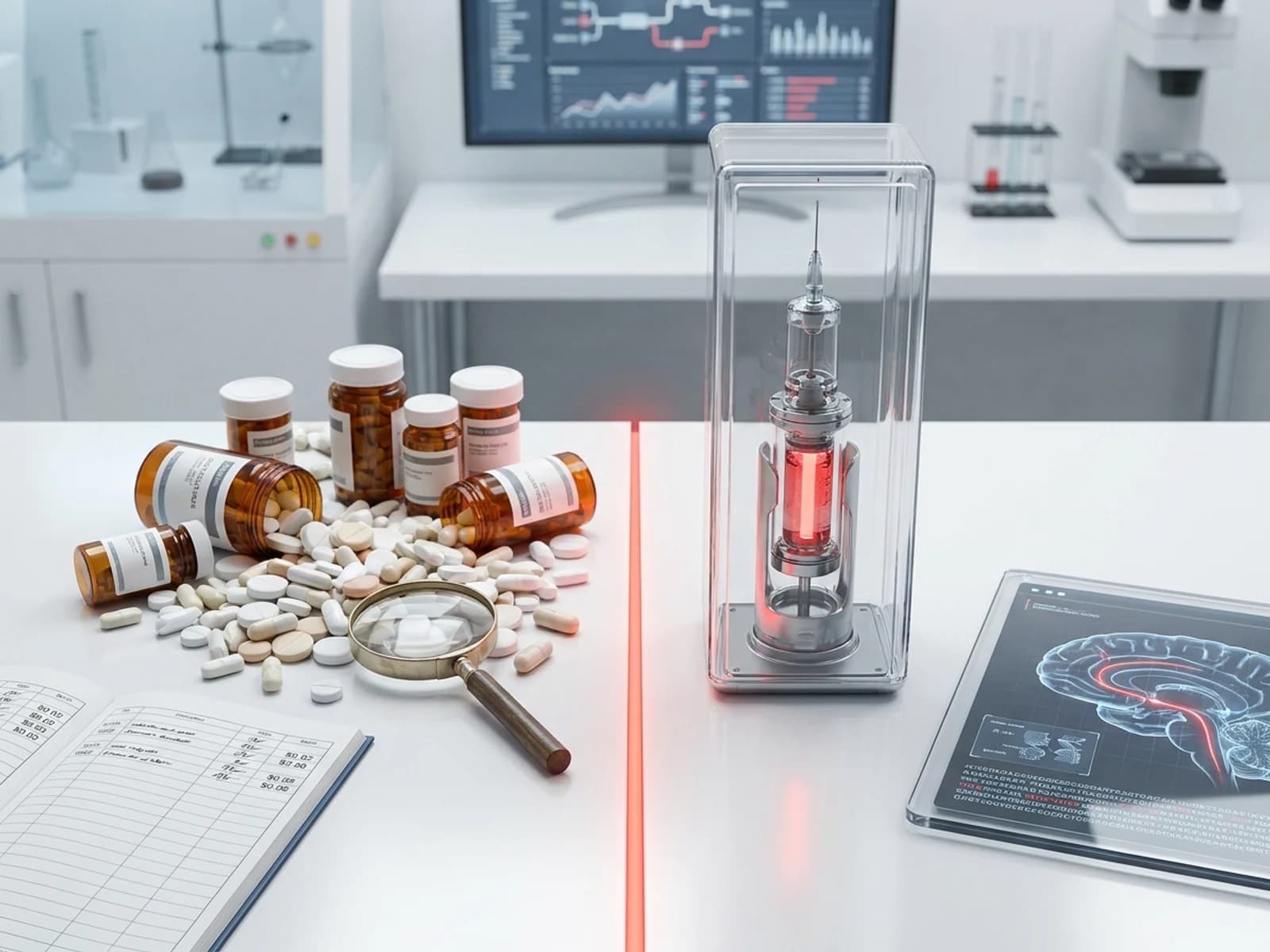
The pharmacologic management and commercial reimbursement structure for epilepsy and seizure disorders in 2026 is defined by a profound economic dichotomy. On one side of the market lies a vast, mature foundation of generic antiseizure medications (ASMs) that cost pennies per unit—with National Average Drug Acquisition Cost (NADAC) records documenting oral generic therapies available for $0.02 to $0.08 per dose. On the other side stands a high-cost, tightly managed specialty pharmacy tier of branded therapies approved for drug-resistant focal seizures and rare developmental and epileptic encephalopathies (DEEs) such as Dravet syndrome, Lennox-Gastaut syndrome (LGS), and CDKL5 deficiency disorder (CDD)—where every major agent remains 100% brand-only with zero generic competitors in the FDA Orange Book.
Now, epilepsy access is entering a historic inflection point: the emergence of disease-modifying precision genetic therapies. Led by Stoke Therapeutics' zorevunersen (STK-001)—an antisense oligonucleotide in the Phase 3 EMPEROR trial that targets the underlying genetic etiology of Dravet syndrome by upregulating wild-type NaV1.1 sodium channels—the market is shifting from symptom-suppressing anticonvulsants toward targeted genetic modifiers that carry orphan drug economics and intratumoral/intrathecal administration workflows.
                    2026 Epilepsy & Seizure Access Architecture
                                         │
        ┌────────────────────────────────┼────────────────────────────────┐
        │                                │                                │
  [Tier 1: Deep Generic Backbone]  [Tier 2: Brand-Only Specialty ASMs] [Tier 3: Genetic Disease Modifiers]
  • Levetiracetam (~$0.03/mL)      • Epidiolex (Cannabidiol - 2018) • Zorevunersen (STK-001 ASO - Ph 3)
  • Lamotrigine (~$0.028/tab)      • Fintepla (Fenfluramine - 2020) • Bexicaserin (5-HT2C - Ph 3)
  • Topiramate (~$0.025/tab)       • Xcopri (Cenobamate - 2020)     • ETX101 (AAV9 Gene Reg - Ph 1/2)
  • Gabapentin (~$0.021/cap)       • Diacomit (Stiripentol - 2018)  • ION337 (SCN1A ASO - Ph 1/2)
  • Divalproex (~$0.03–$0.13)      • Ztalmy (Ganaxolone - 2022)     • NRTX-1001 (Interneuron Cell)
  • Lacosamide (~$0.084/mL)        • 0 Generic ANDAs in Orange Book • Intrathecal specialty access
Why do generic ASMs cost pennies while branded genetic-epilepsy drugs sit on the specialty tier?
Epilepsy affects approximately 3.4 million individuals in the United States, representing one of the most common chronic neurological conditions. Approximately 65% to 70% of patients achieve seizure freedom through first- or second-line generic antiseizure medications. Because these foundational molecules lost patent exclusivity over the past two decades, intense multi-source generic competition has driven retail acquisition costs down to negligible levels.
Realized Generic ASM Pricing (NADAC Analysis)
Analysis of CMS National Average Drug Acquisition Cost (NADAC) data reveals the extraordinary cost efficiency of first- and second-generation generic ASMs across retail community pharmacies:
| Generic Active Ingredient | Brand Reference (Original NDA) | FDA Therapeutic Class | Representative NADAC Acquisition Unit Price | Approx. 30-Day Acquisition Cost (typical maintenance dose) |
|---|---|---|---|---|
| Levetiracetam | Keppra (NDA 021035) | SV2A modulator | $0.0301 / mL ($100\text{ mg/mL}$ oral solution) $0.0751 / tab ($500\text{ mg}$) | ~$9 to $18 / month |
| Lamotrigine | Lamictal (NDA 020241) | Voltage-gated $\text{Na}^+$ channel blocker | $0.0276 / tab ($25\text{ mg}$) $0.0441 / tab ($100\text{ mg}$) $0.0802 / tab ($200\text{ mg}$) | ~$1.30 to $2.40 / month |
| Topiramate | Topamax (NDA 020505) | $\text{Na}^+$ blocker / GABA enhancer / AMPA | $0.0254 / tab ($25\text{ mg}$) $0.0336 / tab ($50\text{ mg}$) $0.0556 / tab ($100\text{ mg}$) | ~$1.70 to $3.35 / month |
| Gabapentin | Neurontin (NDA 020235) | $\alpha_2\delta$ calcium channel subunit | $0.0208 / cap ($100\text{ mg}$) $0.0308 / cap ($300\text{ mg}$) $0.0396 / cap ($400\text{ mg}$) | ~$2.80 to $5.00 / month |
| Pregabalin | Lyrica (NDA 021446) | $\alpha_2\delta$ calcium channel subunit | $0.0409 / cap ($25\text{ mg}$) $0.0459 / cap ($50\text{ mg}$) $0.0489 / cap ($150\text{ mg}$) | ~$2.90 to $3.00 / month |
| Divalproex Sodium | Depakote (NDA 018723) | Multi-target GABA / HDAC | $0.0541 / tab (DR $125\text{ mg}$) $0.0851 / tab (DR $250\text{ mg}$) $0.1298 / tab (ER $250\text{ mg}$) | ~$5.10 to $15.60 / month |
| Lacosamide | Vimpat (NDA 022253) | Slow $\text{Na}^+$ channel inactivation | $0.0837 / mL ($10\text{ mg/mL}$ oral solution) $0.1046 / tab ($50\text{ mg}$) $0.1651 / tab ($100\text{ mg}$) | ~$10 to $16 / month |
| Oxcarbazepine | Trileptal (NDA 021014) | Voltage-gated $\text{Na}^+$ channel blocker | $0.1036 / tab ($150\text{ mg}$) $0.1635 / tab ($300\text{ mg}$) | ~$9.80 to $19.60 / month |
| Zonisamide | Zonegran (NDA 020789) | $\text{Na}^+$ / T-type $\text{Ca}^{2+}$ blocker | $0.0572 / cap ($25\text{ mg}$) $0.0948 / cap ($50\text{ mg}$) $0.1052 / cap ($100\text{ mg}$) | ~$3.20 to $6.30 / month |
All unit prices reflect CMS NADAC generic acquisition costs (effective mid-2026) and represent the floor to typical maintenance strengths; 30-day acquisition cost assumes a standard adult maintenance regimen and excludes pharmacy dispensing fees and patient cost-sharing.
Similar to the deep generic wakefulness foundation analyzed in our narcolepsy and idiopathic hypersomnia access landscape, generic ASMs occupy Tier 1 or Tier 2 on virtually every commercial and Medicare Part D formulary, requiring minimal ($0 to $10) copayments and zero prior authorization hurdles.
The Drug-Resistant Reality and the Specialty Tier
Despite the availability of over 30 generic molecules, approximately 30% to 35% of all epilepsy patients suffer from pharmacoresistant (drug-resistant) epilepsy, defined by the International League Against Epilepsy (ILAE) as the failure of adequate trials of two tolerated, appropriately chosen and used ASM schedules.
In catastrophic pediatric epilepsies (Dravet syndrome, Lennox-Gastaut syndrome, tuberous sclerosis complex, CDKL5 deficiency), traditional sodium channel blockers can be ineffective or actively contraindicated (e.g., lamotrigine and carbamazepine exacerbate seizures in Dravet syndrome harboring $SCN1A$ loss-of-function mutations). This has driven the development of mechanistically specialized molecules that bypass retail channels and dispense exclusively through specialty pharmacies at list prices exceeding $30,000 to $100,000 per year.
Which newer ASMs are still brand-only and how are they accessed?
A cross-sectional audit of the FDA Orange Book database confirms that every major second-line and rare-epilepsy ASM approved over the last decade remains entirely brand-only with zero FDA-approved Abbreviated New Drug Application (ANDA) generic entrants.
                   Branded Specialty Epilepsy Antiseizure Roster
                                         │
        ┌────────────────────────────────┼────────────────────────────────┐
        │                                │                                │
  [Epidiolex (Cannabidiol)]        [Fintepla (Fenfluramine)]        [Xcopri (Cenobamate)]
  • Jazz Pharmaceuticals           • UCB S.A.                       • SK Life Science
  • NDA 210365 (09/28/2018)        • NDA 212102 (06/25/2020)        • NDA 212839 (03/10/2020)
  • Labeled: Dravet, LGS, TSC      • Labeled: Dravet & LGS          • Labeled: Focal-onset seizures
  • 0 Generic ANDAs in OB          • 0 Generic ANDAs in OB          • 0 Generic ANDAs in OB
• Specialty Pharmacy / PA • REMS: Echo Monitoring • Schedule V (CV) / Step Therapy| Brand Name & Active Ingredient | NDA Number & FDA Approval Date | Manufacturer / Sponsor | FDA-Approved Indications | Orange Book ANDA Count | Special Access, Distribution & Safety Controls |
|---|---|---|---|---|---|
| Epidiolex (cannabidiol) | NDA 210365 Approved: Sep 28, 2018 | Jazz Pharmaceuticals | Seizures associated with Lennox-Gastaut syndrome (LGS), Dravet syndrome (DS), or Tuberous Sclerosis Complex (TSC) in patients $\ge 1\text{ yr}$ | 0 ANDAs (Brand-Only) | Plant-derived purified CBD oral solution ($100\text{ mg/mL}$). Descheduled from Schedule V to unscheduled/non-controlled in 2020. Requires liver function monitoring (ALT/AST). |
| Fintepla (fenfluramine) | NDA 212102 Approved: Jun 25, 2020 | UCB S.A. | Seizures associated with Dravet syndrome (DS) and Lennox-Gastaut syndrome (LGS) in patients $\ge 2\text{ yrs}$ | 0 ANDAs (Brand-Only) | Low-dose oral solution ($2.2\text{ mg/mL}$). Schedule IV (CIV). Mandatory REMS Program: Requires baseline and echocardiographic monitoring every 6 months to assess for valvular heart disease and pulmonary arterial hypertension. |
| Xcopri (cenobamate) | NDA 212839 Approved: Mar 10, 2020 | SK Life Science | Treatment of focal-onset seizures in adult patients | 0 ANDAs (Brand-Only) | Schedule V (CV). Dual mechanism (positive allosteric GABA-A modulator + $\text{Na}^+$ channel blocker). Exceptional seizure-freedom rates (~20% in refractory trials). Requires slow bi-weekly titration to avoid DRESS syndrome. |
| Diacomit (stiripentol) | NDA 206709 Approved: Aug 20, 2018 | Biocodex Inc. | Seizures associated with Dravet syndrome in patients $\ge 6\text{ months}$ taking clobazam | 0 ANDAs (Brand-Only) | Oral capsules ($250\text{ mg}, 500\text{ mg}$) and powder for suspension. Acts via allosteric GABA-A enhancement and potent CYP2C19/CYP3A4 inhibition, dramatically boosting clobazam active metabolite levels. |
| Ztalmy (ganaxolone) | NDA 215904 Approved: Jun 1, 2022 | Marinus Pharmaceuticals | Seizures associated with CDKL5 deficiency disorder (CDD) in patients $\ge 2\text{ yrs}$ | 0 ANDAs (Brand-Only) | Synthetic neuroactive steroid ($50\text{ mg/mL}$ oral suspension) acting on synaptic and extrasynaptic GABA-A receptors. Schedule V (CV). Dedicated orphan distribution via specialty pharmacy. |
Access Gateways & Channel Mechanics
Because these agents are absent from standard retail pharmacy NADAC files, they flow exclusively through centralized specialty pharmacies (e.g., Accredo, CVS Specialty, PantherRx, Biologics by McKesson). Payers enforce strict utilization management:
Diagnosis & Genetic Confirmation: Prior authorization requires documentation of clinical diagnosis confirmed by a board-certified neurologist or genetic testing demonstrating pathogenic mutations ($SCN1A$ in Dravet syndrome, $CDKL5$ in CDD, or $TSC1/TSC2$ in Tuberous Sclerosis).
Mandated Prior Steps: Payers require prior trial and failure of at least two formulary generic ASMs (e.g., clobazam, valproate, levetiracetam, or topiramate) before approving Epidiolex or Fintepla.
Cardiovascular Safety Documentation for Fintepla: Under the Fintepla REMS, prescribers must verify enrollment and submit documentation of baseline echocardiograms confirming the absence of aortic/mitral regurgitation or pulmonary hypertension before specialty pharmacies can dispense.
For a broader perspective on controlled-substance specialty tier dynamics, review our neurology access analysis in non-stimulant ADHD medication access and Parkinson's disease treatment access.
What is zorevunersen (STK-001), and is it the first disease-modifying epilepsy therapy?
The frontier of epileptology is transitioning from symptomatic seizure suppression to disease modification. While existing ASMs modulate ion channels or neurotransmitter receptors to raise seizure thresholds, they do not correct the underlying neurodevelopmental decline, cognitive regression, autistic features, or elevated risk of Sudden Unexpected Death in Epilepsy (SUDEP).
                 Zorevunersen (STK-001) TANGO Mechanism of Action
                                         │
        ┌────────────────────────────────┴────────────────────────────────┐
        │                                                                 │
  [Standard Dravet Disease State]                                   [STK-001 Intervention]
  • Heterozygous SCN1A loss-of-function                             • Antisense oligonucleotide (ASO)
  • 50% loss of NaV1.1 sodium channels                              • Binds non-productive SCN1A pre-mRNA
  • Hypoexcitable GABAergic interneurons                            • Prevents nonsense-mediated decay (NMD)
  • Cortical disinhibition -> Severe seizures                       • Restores wild-type NaV1.1 to physiological levels
  • Cognitive regression & high SUDEP risk                          • Modifies disease course & rescues cognition
Targeted Augmentation of Nuclear Gene Output (TANGO)
Developed by Stoke Therapeutics, zorevunersen (STK-001) is a first-in-class, splice-modulating antisense oligonucleotide (ASO) designed to upregulate endogenous protein expression from the healthy, wild-type allele in haploinsufficient genetic diseases:
Genetic Pathophysiology: Over 85% of Dravet syndrome cases are caused by heterozygous loss-of-function mutations in the $SCN1A$ gene, which encodes the $\alpha$-subunit of the voltage-gated sodium channel NaV1.1. NaV1.1 is predominantly expressed on parvalbumin-positive GABAergic inhibitory interneurons. When NaV1.1 levels drop by 50%, inhibitory interneurons cannot sustain high-frequency firing, leading to runaway cortical excitation, intractable convulsive seizures, and profound neurodevelopmental delay.
Molecular Mechanism: STK-001 binds specifically to non-productive, poison-exon-containing pre-mRNA transcripts of $SCN1A$ that would otherwise undergo nonsense-mediated decay (NMD). By blocking non-productive alternative splicing, STK-001 redirects pre-mRNA processing toward productive full-length mRNA, thereby doubling the output of functional NaV1.1 sodium channels from the single normal wild-type gene copy.
Landmark Clinical Data: MONARCH, ADMIRAL, and SWALLOWTAIL
In Phase 1/2 open-label dose-escalation and long-term extension studies in children and adolescents with Dravet syndrome, zorevunersen demonstrated unprecedented clinical efficacy:
                   STK-001 Clinical Efficacy Readouts (Dravet)
                                       │
        ┌──────────────────────────────┼──────────────────────────────┐
        │                              │                              │
[Single 70 mg Dose]            [Multi-Dose 70 mg (2–3 doses)]  [Open-Label Extension]
 • 43% reduction at 3 mo         • 85% reduction at 3 mo        • 30–45 mg Q4 months
 • 57% reduction at 6 mo         • 74% reduction at 6 mo         • Sustained through ~3 years
   Median Convulsive Seizure       Median Convulsive Seizure       + Cognition/behavior gains
         Reduction                      Reduction
Single 70 mg Intrathecal Dose: Produced a 43% median reduction in convulsive seizure frequency at 3 months and a 57% median reduction at 6 months post-dose.
Multiple 70 mg Doses (2 to 3 doses): Generated a median 85% reduction in convulsive seizure frequency at 3 months and a 74% median reduction at 6 months after the last dose; more than 80% of these patients achieved at least a 50% seizure reduction. Open-label extension dosing (30–45 mg every four months) sustained reductions out to three years of follow-up.
Non-Seizure Neurodevelopmental Gains: Unlike traditional ASMs that worsen lethargy and executive dysfunction, patients receiving STK-001 demonstrated statistically significant, clinically meaningful improvements across communication, socialization, behavior, and motor domains on the Vineland Adaptive Behavior Scales (VABS-III).
Safety & Administration: Administered via lumbar puncture (intrathecal bolus). The most frequent adverse events were transient cerebrospinal fluid (CSF) protein elevations and post-lumbar puncture headache, without evidence of neurotoxicity.
Regulatory Status & Registrational Phase 3 (EMPEROR)
Zorevunersen holds FDA Orphan Drug Designation, Rare Pediatric Disease Designation, and Breakthrough Therapy Designation (and EMA orphan designation). Stoke Therapeutics initiated the global, randomized, double-blind, sham-controlled Phase 3 EMPEROR trial (NCT06872125) in August 2025. EMPEROR enrolls children and adolescents ages 2 to younger than 18 with Dravet syndrome and a confirmed loss-of-function $SCN1A$ variant; participants are randomized 1:1 to intrathecal zorevunersen or sham, using a loading regimen of two 70 mg doses followed by two 45 mg maintenance doses over a 52-week treatment period. The primary endpoint is percent change from baseline in major motor seizure frequency at week 28, with cognition and behavior (Vineland-3) as key secondary endpoints. A rolling NDA submission is planned to begin in early 2027, with registrational filing anticipated later in 2027.
How do payers prior-authorize and step-therapy branded genetic-epilepsy agents?
Commercial health plans, state Medicaid agencies, and Medicare Part D plans manage the branded rare-epilepsy portfolio through rigorous prior authorization (PA) and step-therapy algorithms designed to verify disease specificity and prevent off-label spillage into general focal or generalized epilepsies.
                      Payer Prior-Authorization Algorithm
                                       │
1. Diagnosis Verification ──────► 2. Generic Step Requirement ──────► 3. Safety / REMS Gate
   • Dravet / LGS / TSC / CDD       • Must trial/fail >= 2 generic      • Baseline Echo (Fintepla)
   • Genetic confirmation or          ASMs (e.g., clobazam,               • LFTs (Epidiolex)
     ICD-10 (G40.811, G40.812)        valproate, levetiracetam)           • Slow titration (Xcopri)
                                                                            │
                                                                            ▼
                                                                 [Specialty Dispense]
                                                                 • 30-day initial fill
                                                                 • Reauth at 6–12 months
(>=50% seizure drop)| Therapeutic Agent | Formulary Tier & Category | Required ICD-10 Diagnosis Codes | Mandatory Prior Trial & Step Requirements | Reauthorization Criteria (Renewal at 6–12 Months) |
|---|---|---|---|---|
| Epidiolex (cannabidiol) | Tier 4 / Tier 5 (Specialty Pharmacy) | • G40.811 (Dravet syndrome) • G40.812 (Lennox-Gastaut) • Q85.1 (Tuberous sclerosis) | Documented failure of, intolerance to, or clinical contraindication to $\ge 2$ standard generic ASMs (e.g., clobazam, valproate, topiramate, lamotrigine). Prescribed by or in consultation with a neurologist. | Documented clinical benefit demonstrated by a $\ge 50%$ reduction in convulsive / drop seizure frequency from baseline or reduction in seizure severity/duration. |
| Fintepla (fenfluramine) | Tier 5 (Specialty Pharmacy / REMS) | • G40.811 (Dravet syndrome) • G40.812 (Lennox-Gastaut) | Step through clobazam and either valproate or topiramate; active prescriber and patient enrollment in the Fintepla REMS program; baseline echocardiogram confirming no valvulopathy. | Follow-up echocardiogram completed within past 6 months showing no valvular heart disease or pulmonary hypertension; documented reduction in convulsive seizure frequency. |
| Xcopri (cenobamate) | Tier 3 (Preferred) or Tier 4 (Specialty / Retail) | • G40.109 / G40.209 (Focal-onset seizures) | Trial and failure of $\ge 2$ formulary generic sodium channel or broad-spectrum ASMs (e.g., levetiracetam, lamotrigine, lacosamide, oxcarbazepine). | Chart documentation verifying reduced focal seizure frequency or achievement of seizure freedom; compliance with titration schedule. |
| Diacomit (stiripentol) | Tier 5 (Specialty Pharmacy) | • G40.811 (Dravet syndrome) | Patient must be concurrently prescribed and taking clobazam (mandatory FDA-labeled co-therapy); age $\ge 6\text{ months}$. | Continued co-prescription with clobazam and documented reduction in prolonged convulsive seizures. |
What rescue therapies are available for acute seizure clusters?
A vital component of comprehensive epilepsy access is outpatient rescue medication for acute repetitive seizures (seizure clusters), which carry severe risks of progressing to status epilepticus, neuronal injury, and emergency department hospitalization.
Historically, rectal diazepam gel (Diastat AcuDial, approved 1997) was the sole outpatient rescue therapy. However, rectal administration carries major social stigma, caregiver administration barriers in public or school settings, and inconsistent rectal mucosal absorption in seizing patients. Over the past five years, two needle-free, non-invasive intranasal rescue formulations have largely replaced rectal diazepam as the preferred first-line outpatient rescue options:
                    Outpatient Seizure Rescue Formulations
                                       │
        ┌──────────────────────────────┴──────────────────────────────┐
        │                                                             │
  [Nayzilam (Midazolam Nasal Spray)]                            [Valtoco (Diazepam Nasal Spray)]
  • UCB S.A. (NDA 211328, May 2019)                             • Neurelis Inc. (NDA 211635, Jan 2020)
  • Single-dose nasal spray ($5.0\text{ mg}$)                   • Intranasal solution with Intravail transmucosal enhancer
  • Labeled: Seizure clusters in patients $\ge 12\text{ yrs}$   • Labeled: Seizure clusters in patients $\ge 6\text{ yrs}$
  • Fast absorption: $T_{\max} \approx 17.3\text{ minutes}$     • Strengths: $5\text{ mg}, 10\text{ mg}, 15\text{ mg}, 20\text{ mg}$ weight-based
• Schedule IV (CIV) • Schedule IV (CIV)| Rescue Medication & Active Ingredient | NDA Number & Sponsor | FDA Approval Date | Labeled Age & Weight Dosing | Pharmacokinetic Profile ($T_{\max}$) | Formulation Technology & Access Dynamics |
|---|---|---|---|---|---|
| Nayzilam (midazolam nasal spray) | NDA 211328 UCB S.A. | May 20, 2019 | Patients $\ge 12\text{ years}$ of age. Fixed single dose of $5.0\text{ mg}$ (one spray into one nostril); second $5\text{ mg}$ spray into opposite nostril if seizure does not stop after 10 min. | Rapid mucosal absorption: $T_{\max} \approx 17.3\text{ minutes}$ | Single-dose pre-primed blister spray device. Covered on Tier 3 / Tier 4 commercial pharmacy benefit with quantity limits (typically 2 packs / 4 doses per 30 days). |
| Valtoco (diazepam nasal spray) | NDA 211635 Neurelis Inc. | Jan 10, 2020 | Patients $\ge 6\text{ years}$ of age. Weight-based dosing: • $5\text{ mg}$ ($14\text{–}27\text{ kg}$) • $10\text{ mg}$ ($28\text{–}50\text{ kg}$) • $15\text{ mg}$ ($51\text{–}75\text{ kg}$) • $20\text{ mg}$ ($>75\text{ kg}$) | Reliable absorption: $T_{\max} \approx 1.5\text{ hours}$ (therapeutic levels within minutes) | Formulated with Intravail® (dodecyl maltoside) transmucosal absorption enhancer and vitamin E. Allows non-invasive, discrete administration by teachers, school nurses, and parents. |
Where does the genetic-epilepsy pipeline go next?
Beyond STK-001, the therapeutic pipeline for genetic and drug-resistant epilepsies contains multiple novel modalities spanning targeted small molecules, AAV gene regulation, antisense oligonucleotides, and cell therapies:
                    Genetic Epilepsy Clinical Pipeline
                                       │
        ┌──────────────────────────────┼──────────────────────────────┐
        │                              │                              │
  [Targeted Small Molecules]       [Gene Regulation / ASOs]       [Interneuron Cell Therapy]
  • Bexicaserin (LP352 - Ph 3)     • ETX101 (Encoded - Ph 1/2)    • NRTX-1001 (Neurona - Ph 1/2)
    5-HT2C superagonist for DEEs     AAV9 dCas9/TALE SCN1A reg      GABAergic pallial interneuron
  • Soticlestat (Takeda - Ph 3)    • ION337 (Ionis - Ph 1/2)        cell grafting for drug-resistant
    Cholesterol 24-hydroxylase       SCN1A-targeted ASO             mesial temporal lobe epilepsy
Bexicaserin (LP352 / Longboard Pharmaceuticals, now Lundbeck): An oral, centrally acting, highly selective 5-HT2C receptor superagonist now in a global Phase 3 program. In the Phase 1b/2a PACIFIC study, bexicaserin produced a 59.8% median reduction in countable motor seizures (versus 17.4% on placebo) across a broad cohort of developmental and epileptic encephalopathies (Dravet −74.6%, LGS −50.8%, DEE Other −65.5%), without the 5-HT2B receptor activation linked to fenfluramine valvular toxicity.
ETX101 (Encoded Therapeutics): An engineered adeno-associated virus serotype 9 (AAV9) gene regulation therapy in the Phase 1/2 ENDEAVOR / WAYFINDER trials. Rather than delivering a full-sized $SCN1A$ gene (which exceeds standard AAV packaging limits), ETX101 delivers an engineered transcription factor that selectively binds the endogenous $SCN1A$ promoter in GABAergic interneurons to drive long-term, potentially curative expression of NaV1.1 following a single intracisternal/intrathecal administration.
ION337 (Ionis Pharmaceuticals): A proprietary second-generation antisense oligonucleotide designed to upregulate NaV1.1 in Dravet syndrome, entering Phase 1/2 clinical evaluation to provide alternative ASO dosing kinetics.
NRTX-1001 (Neurona Therapeutics): An allogeneic, human pluripotent stem cell-derived GABAergic cortical interneuron cell therapy in Phase 1/2 evaluation for drug-resistant mesial temporal lobe epilepsy (MTLE). Administered via a single stereotactic micro-injection into the epileptogenic hippocampus, the grafted interneurons integrate into local neural circuits, secrete GABA, and establish long-term inhibitory tone to permanently suppress focal seizures.
Frequently Asked Questions
Is Epidiolex (cannabidiol) available as a generic in 2026?
No. Epidiolex (NDA 210365, Jazz Pharmaceuticals) remains brand-only with zero approved generic ANDAs in the FDA Orange Book. While cannabis-derived and synthetic CBD products are widely sold in non-prescription consumer channels, Epidiolex is the only FDA-regulated, highly purified pharmaceutical formulation with demonstrated bioavailability and clinical trial validation for Dravet syndrome, Lennox-Gastaut syndrome, and Tuberous Sclerosis Complex.
How much does Fintepla (fenfluramine) cost and what cardiac monitoring is required?
Fintepla carries an annual wholesale acquisition list cost ranging from approximately $85,000 to $120,000 per year, depending on patient weight and daily dose. Because fenfluramine was historically associated with cardiac valvulopathy and pulmonary hypertension when used at high doses in combination with phentermine ("fen-phen"), Fintepla is subject to a strict FDA Risk Evaluation and Mitigation Strategy (REMS). Prescribers must order and review an echocardiogram at baseline, every 6 months during treatment, and 3 to 6 months after discontinuation to verify the absence of valvular regurgitation or elevated pulmonary pressures.
Is Xcopri (cenobamate) covered for focal seizures, and is it generic?
Xcopri (NDA 212839, SK Life Science) is a branded, Schedule V controlled substance with zero approved generic ANDAs. It is covered on the specialty or non-preferred brand tiers of commercial and Medicare formularies for adult patients with focal-onset seizures, typically requiring prior trial of two generic ASMs. Clinicians must follow a mandatory bi-weekly slow dose-titration schedule ($12.5\text{ mg}$ to $200\text{–}400\text{ mg}$ daily) to minimize the risk of Drug Reaction with Eosinophilia and Systemic Symptoms (DRESS).
When could zorevunersen (STK-001) be FDA-approved for Dravet syndrome?
Stoke Therapeutics is currently conducting the global registrational Phase 3 EMPEROR trial (NCT06872125). If the trial successfully replicates the 43% to 85% seizure reductions and neurodevelopmental gains observed in the Phase 1/2 MONARCH and ADMIRAL studies, a Biologics License Application (BLA) submission is anticipated in late 2027, with potential FDA approval and commercial launch under Priority Review occurring in 2028.
Sources
Centers for Medicare & Medicaid Services (CMS): National Average Drug Acquisition Cost (NADAC) Pricing Files (2025–2026). Medicaid Pharmacy Pricing Data. Available at:
https://data.medicaid.gov/managed-care/Pharmacy/nadac-national-average-drug-acquisition-cost.U.S. FDA Center for Drug Evaluation and Research (CDER): Orange Book: Approved Drug Products with Therapeutic Equivalence Evaluations (NDA 210365 Epidiolex, NDA 212102 Fintepla, NDA 212839 Xcopri, NDA 206709 Diacomit, NDA 215904 Ztalmy). Available at:
https://www.accessdata.fda.gov/scripts/cder/ob/index.cfm.U.S. FDA Drugs@FDA: Approval Documentation and Prescribing Information for Nayzilam (NDA 211328, May 20, 2019) and Valtoco (NDA 211635, Jan 10, 2020). Available at:
https://www.accessdata.fda.gov/scripts/cder/daf/index.cfm.Stoke Therapeutics Inc.: Landmark Clinical Data and Phase 3 EMPEROR Trial Design for Zorevunersen (STK-001) in Dravet Syndrome. Investor Relations Press Releases (2024–2026). Available at:
https://investor.stoketherapeutics.com/news-releases/news-release-details/stoke-therapeutics-announces-landmark-new-data-support-potential.ClinicalTrials.gov: A Study of STK-001 in Children and Adolescents With Dravet Syndrome (EMPEROR). Identifier:
NCT06872125.Springer CNS Drugs: Novel Antiseizure Medications in the Development Pipeline: Promising Candidates and Recent Failures. CNS Drugs. 2024–2025. DOI:
10.1007/s10309-024-00724-2.Dravet Syndrome Foundation: Therapeutic Pipeline Tracker: Precision Genetics, AAV Gene Therapy, and Novel Antiseizure Candidates. Available at:
https://dravetfoundation.org/dsf-funded-research/treatment-pipeline.