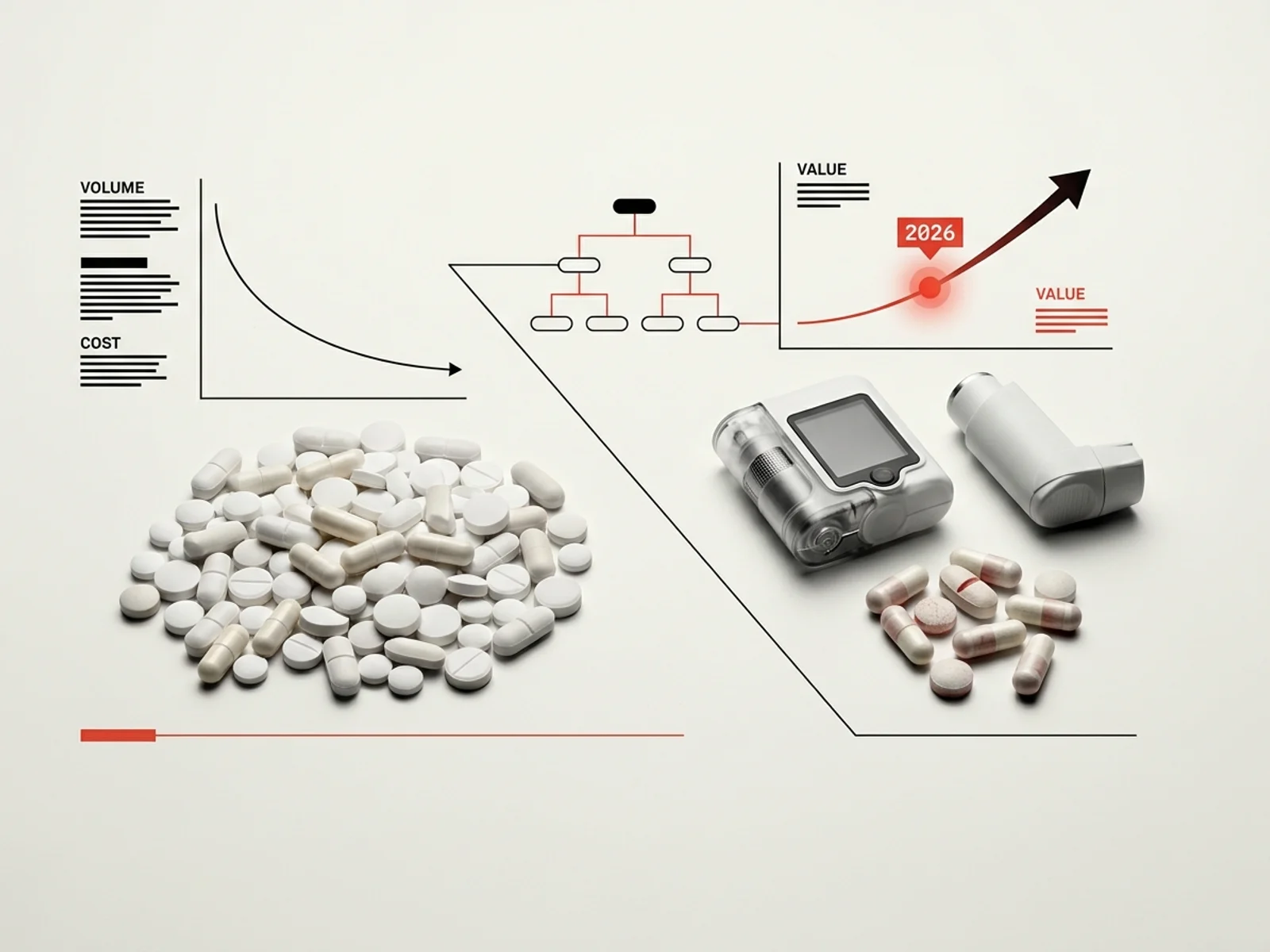
Pharmacotherapy for Parkinson's disease (PD) represents one of the starkest structural bifurcations in US healthcare reimbursement. On one side sits a foundational, highly effective oral armamentarium of generic dopaminergic agents that acquisition cost data shows can be purchased for pennies per tablet—carbidopa-levodopa immediate-release costs as little as $0.08 to $0.13 per unit, while generic pramipexole and ropinirole trade at $0.04 to $0.08. On the opposite side sits a brand-only, high-friction specialty tier featuring advanced delivery systems and novel adjunctive molecules—such as subcutaneous continuous infusions, inhaled rescue powders, and specialized extended-release formulations—that carry monthly wholesale costs reaching thousands of dollars and face aggressive prior authorization (PA) and step-therapy hurdles.
In 2026, Pharmacy and Therapeutics (P&T) committees, health plan medical directors, movement disorder specialists, and specialty pharmacy operators face an evolving clinical and formulary landscape. The imminent 2026 FDA regulatory decision for tavapadon—AbbVie and Cerevel Therapeutics' first-in-class selective dopamine D1/D5 receptor partial agonist (New Drug Application submitted September 26, 2025)—promises to introduce a novel mechanistic option to the oral treatment tier.
Understanding how Parkinson's drugs route through commercial and Medicare Part D formularies requires evaluating per-unit National Average Drug Acquisition Cost (NADAC) data, FDA Orange Book therapeutic equivalence ANDA depth, Medicare Inflation Reduction Act (IRA) benefit restructuring, and practical benefit design.
PARKINSON'S DISEASE PHARMACOTHERAPY SPECTRUM
| THERAPEUTIC TIER | MECHANISTIC CLASSES | ACQUISITION COST / ENTRY |
|---|---|---|
| Foundational Generic Oral Base (Tier 1 Preferred Generic) | Carbidopa-Levodopa IR Pramipexole IR / Ropinirole IR Selegiline / Amantadine / Entac. | NADAC: $0.08 - $0.13/tab NADAC: $0.04 - $0.08/tab NADAC: $0.15 - $0.80/unit |
| Mid-Tier / Single-Source Generics (Tier 2 / Tier 3 Non-Preferred) | Rasagiline / Pramipexole ER Ropinirole ER / Carbidopa-Lev ER | NADAC: $1.07 - $1.29/tab NADAC: $1.30 - $3.00/tab |
| Brand-Only Oral & Transdermal (Tier 3 / Tier 4 Specialty) | Rotigotine (Neupro patch) Opicapone (Ongentys COMTi) Istradefylline (Nourianz A2A) | Brand-only (0 ANDAs) Specialty PA / Tier 3/4 Brand-only (0 ANDAs) |
| Advanced Delivery & Rescue Brands (Specialty / Buy-and-Bill Medical) | VYALEV (foslevodopa SC infusion) Inbrija (inhaled levodopa) Gocovri (extended-release amant) | Specialty Pharmacy / Medical Benefit (Part B) NADAC-Absent Specialty |
| 2026 Pipeline Catalyst (Emerging Class) | Tavapadon (Selective D1/D5 PA) NDA Submitted Sep 26, 2025 | Pending FDA Action 2026 Target: Tier 2/3 Brand |
Direct Answer: Parkinson's Pharmacotherapy Access & Pricing Snapshot
Executive Summary & Direct Answer: Parkinson's disease treatment in the US is split into a cheap, deep-generic oral base and a high-cost, brand-only specialty layer. Per-unit acquisition data from CMS NADAC confirms foundational oral agents cost pennies: carbidopa-levodopa IR ($0.08–$0.13/tab, 103+ levodopa ANDAs), pramipexole IR ($0.04–$0.07/tab, 162 ANDAs), and ropinirole IR ($0.05–$0.08/tab, 130 ANDAs). Extended-release variants ($1.30–$3.00/tab) and rasagiline ($1.07–$1.29/tab) carry higher acquisition costs. Brand-only agents without generic competition—such as Neupro (rotigotine patch), Ongentys (opicapone), and Nourianz (istradefylline)—require explicit prior authorization. Advanced delivery systems like VYALEV (foslevodopa/foscarbidopa continuous SC infusion), Inbrija (inhaled levodopa), and Gocovri (amantadine ER) route through specialty pharmacy or Part B buy-and-bill with strict step-therapy requirements. The key 2026 catalyst is tavapadon (AbbVie/Cerevel), a selective D1/D5 receptor partial agonist under FDA NDA review, offering a novel oral mechanism designed to avoid D2/D3-mediated impulse control side effects.
Mechanistic Classification and NADAC Acquisition Cost Stratification
To evaluate the financial dynamics of Parkinson's care, we analyzed National Average Drug Acquisition Cost (NADAC) records alongside FDA Orange Book therapeutic equivalence filings across all primary drug classes.
                    PARKINSON'S DRUG CLASS & NADAC COST STRATA

  Oral Base (Pennies/Unit)       Mid-Tier / ER Generics        Brand-Only & Specialty
 ┌────────────────────────┐    ┌────────────────────────┐    ┌────────────────────────┐
 │ Carbidopa-Levodopa IR  │    │ Rasagiline (MAO-Bi)    │    │ Neupro (Rotigotine)    │
 │ $0.08 - $0.13 / tab    │    │ $1.07 - $1.29 / tab    │    │ Brand-Only (0 ANDAs)   │
 ├────────────────────────┤    ├────────────────────────┤    ├────────────────────────┤
 │ Pramipexole IR (D2/D3) │    │ Pramipexole ER         │    │ Ongentys (Opicapone)   │
 │ $0.04 - $0.07 / tab    │    │ $1.29 - $3.04 / tab    │    │ Brand-Only (0 ANDAs)   │
 ├────────────────────────┤    ├────────────────────────┤    ├────────────────────────┤
 │ Ropinirole IR (D2/D3)  │    │ Ropinirole ER          │    │ VYALEV / Inbrija       │
 │ $0.05 - $0.08 / tab    │    │ ~$2.27 / tab           │    │ Specialty / Part B     │
 └────────────────────────┘    └────────────────────────┘    └────────────────────────┘
1. Levodopa and Dopamine Precursor Formulations
Levodopa remains the primary first-line pharmacotherapy for symptomatic Parkinson's disease, converting to dopamine in the central nervous system via aromatic L-amino acid decarboxylase (AADC). It is combined with carbidopa, an AADC inhibitor that does not cross the blood-brain barrier, to prevent peripheral levodopa breakdown and severe nausea.
Immediate-Release (IR) Carbidopa-Levodopa (25/100 mg, 25/250 mg):
NADAC Per-Unit Cost: $0.07927 to $0.12792 per tablet.
Orange Book Generic Depth: Over 103 approved ANDAs for levodopa-containing formulations.
Formulary Position: Tier 1 Preferred Generic with unrestricted access, zero prior authorization, and 30-day/90-day mail-order retail copays typically ranging from $0 to $10.
Controlled-Release / Extended-Release Formulations:
Carbidopa-Levodopa ER (CR 50/200 mg): NADAC per-unit cost increases to $0.35 to $0.65 per tablet.
Rytary (Carbidopa-Levodopa ER Capsules): Multi-bead extended-release formulation designed to smooth plasma levodopa concentrations. Rytary remains branded or limited-generic, with retail costs exceeding $300–$500/month, placing it on Tier 3 or Tier 4 with required step-therapy failing generic IR carbidopa-levodopa.
2. Dopamine Agonists: Non-Ergot D2/D3 Agonists vs ER Pricing Gaps
Dopamine agonists directly stimulate post-synaptic dopamine receptors in the striatum. They are frequently used as initial monotherapy in younger patients to delay levodopa-induced dyskinesias or as adjunctive therapy in moderate disease.
DOPAMINE AGONIST COMPARISON & PRICING MATRIX
| AGENT | MECHANISM | NADAC COST PER UNIT | ORANGE BOOK | FORMULARY TIER |
|---|---|---|---|---|
| ANDA COUNT | STATUS | |||
| Pramipexole IR | Non-Ergot D2/D3 Ag. | $0.04125 - $0.07018 | 162 ANDAs | Tier 1 Preferred |
| Ropinirole IR | Non-Ergot D2/D3 Ag. | $0.04538 - $0.08425 | 130 ANDAs | Tier 1 Preferred |
| Pramipexole ER | Extended-Release D2 | $1.29000 - $3.04000 | Multi-Generic | Tier 2 / Tier 3 |
| Ropinirole ER | Extended-Release D2 | ~$2.27000 | Multi-Generic | Tier 2 / Tier 3 |
| Rotigotine (Neupro) | Transdermal Patch | Single-Source Brand | 0 ANDAs | Tier 3 / Tier 4 |
| Apomorphine (APOKYN) | Sublingual/Subcut. | Specialty Brand | Limited | Specialty PA |
Pramipexole IR (Mirapex): NADAC per-unit cost ranges from $0.04125 to $0.07018 per tablet, backed by 162 approved ANDAs.
Ropinirole IR (Requip): NADAC per-unit cost ranges from $0.04538 to $0.08425 per tablet, backed by 130 approved ANDAs.
The Extended-Release Premium: Transitioning a patient from immediate-release to once-daily extended-release pramipexole or ropinirole increases per-unit acquisition costs by 10-fold to 40-fold ($1.29 to $3.04/tablet). Consequently, P&T committees frequently enforce step-therapy rules requiring patients to demonstrate compliance or nocturnal wearing-off on generic IR formulations before approving ER coverage.
3. MAO-B and COMT Inhibitors: Enzymatic Protection
Enzymatic inhibitors extend the half-life and bio-availability of endogenous and exogenous levodopa by blocking central or peripheral degradation pathways.
MAO-B Inhibitors (Selegiline, Rasagiline, Safinamide):
Selegiline IR (5 mg): Deep generic (13 ANDAs) at roughly $0.69 to $0.80 per tablet in NADAC.
Rasagiline (Azilect 0.5/1 mg): Genericized but retains a moderate price floor, with NADAC acquisition cost trading at $1.07439 to $1.28553 per tablet across 24 approved ANDAs.
Xadago (safinamide): Third-generation reversible MAO-B inhibitor; although it carries a higher Tier 2/Tier 3 cost than the older MAO-B inhibitors, the Orange Book lists 8 approved safinamide ANDAs, so generic competition is now arriving rather than absent.
COMT Inhibitors (Entacapone, Tolcapone, Opicapone):
Entacapone (Comtan 200 mg): Genericized at $0.20 to $0.38 per tablet, frequently prescribed alongside carbidopa-levodopa.
Ongentys (opicapone 50 mg): Single-source once-daily peripheral COMT inhibitor with 0 approved ANDAs. Ongentys carries a wholesale acquisition cost (WAC) exceeding $600/month, resulting in placement on Tier 3 or Tier 4 specialty tiers with mandatory prior authorization.
4. NMDA Antagonists and Adenosine A2A Receptor Antagonists
Amantadine IR (100 mg): Multi-indication NMDA receptor antagonist used for mild parkinsonian symptoms and levodopa-induced dyskinesias. NADAC acquisition cost is $0.15590 per capsule (37 ANDAs).
Nourianz (istradefylline): Novel adenosine A2A receptor antagonist approved as an adjunctive treatment to carbidopa-levodopa in patients experiencing "off" episodes. With 0 approved ANDAs, Nourianz sits exclusively on Tier 4 specialty formularies requiring documentation of persistent motor fluctuations despite optimized dopaminergic therapy.
The Orange Book Generic Depth Divide: Deep Generics vs Brand-Only Protection
Analyzing the FDA Orange Book database reveals a striking contrast in market exclusivity across Parkinson's medications.
ORANGE BOOK ANDA DEPTH & EXCLUSIVITY MATRIX
| INGREDIENT | BRAND NAME | APPROVED ANDAs | MARKET STATUS & EXCLUSIVITY |
|---|---|---|---|
| Pramipexole | Mirapex | 162 ANDAs | Deep Generic / Hyper-Competitive |
| Ropinirole | Requip | 130 ANDAs | Deep Generic / Hyper-Competitive |
| Carbidopa | Lodosyn | 110 ANDAs | Deep Generic / Hyper-Competitive |
| Levodopa | Larodopa | 103 ANDAs | Deep Generic / Hyper-Competitive |
| Amantadine | Symmetrel | 37 ANDAs | Moderate Generic Depth |
| Rasagiline | Azilect | 24 ANDAs | Moderate Generic Depth |
| Selegiline | Eldepryl | 13 ANDAs | Moderate Generic Depth |
| Rotigotine | Neupro | 0 ANDAs | Brand-Only (Patent Protected) |
| Opicapone | Ongentys | 0 ANDAs | Brand-Only (NCE Exclusivity) |
| Istradefylline | Nourianz | 0 ANDAs | Brand-Only (NCE Exclusivity) |
| Foslevodopa/Foscarbid. | VYALEV | 0 ANDAs | Brand-Only (Combination BLA/NDA) |
This structural gap explains why commercial health plans and PBMs construct aggressive prior authorization gates around brand-only agents. While generic carbidopa-levodopa and pramipexole present negligible financial liability to plan sponsors, branded agents like Neupro, Ongentys, Nourianz, and Gocovri represent significant pharmacy benefit cost drivers.
As established across our therapeutic access research—including the multiple sclerosis DMT access landscape and heart failure access landscape—whenever a disease state possesses a cheap, highly effective generic baseline, payers enforce rigid step-therapy requiring failure of multiple preferred generic agents prior to authorizing brand-name coverage.
Inflation Reduction Act (IRA) Impact on Medicare Part D Parkinson's Coverage (2026)
The implementation of the Inflation Reduction Act (IRA) redesigned Medicare Part D benefit structures in 2025 and 2026, creating major financial shifts for senior Parkinson's patients prescribed high-cost specialty brands.
                  MEDICARE PART D IRA RESTRUCTURING (2026)

 [ Deductible Phase ] ──► [ Standard Benefit Phase ] ──► [ $2,000 Out-of-Pocket Cap ]
   Patient pays 100%        Plan pays 65-75%              100% Plan & Manufacturer Paid
   Up to ~$590              Patient pays 25%              Zero Patient Cost After Cap
The $2,000 Out-of-Pocket (OOP) Cap: Prior to IRA implementation, Medicare beneficiaries taking specialty Parkinson's drugs (such as Rytary, Ongentys, Nourianz, or Inbrija) faced unlimited 5% coinsurance in the catastrophic coverage phase, resulting in thousands of dollars in out-of-pocket costs annually. In 2026, annual out-of-pocket costs under Part D are strictly capped at $2,000 per beneficiary.
Medicare Prescription Payment Plan (MPPP): Beneficiaries can spread their out-of-pocket costs into equal monthly payments throughout the calendar year rather than facing a massive lump-sum payment during their first specialty prescription refill in January.
Plan Sponsor Risk Redistribution: Because Part D plan sponsors are responsible for 60% of drug costs in the catastrophic phase above $2,000 (with drug manufacturers providing a 20% discount and CMS providing 20% reinsurance), health plans have intensified prior authorization and step-therapy oversight on brand-only Parkinson's therapies to prevent patients from quickly breaching the $2,000 threshold.
Health Economics, Fall Prevention, and Total Cost of Care
From a health economics and outcomes research (HEOR) perspective, Parkinson's disease pharmacotherapy management extends far beyond drug acquisition costs. Uncontrolled motor fluctuations and severe "off" episodes lead directly to fall-related hip fractures, aspiration pneumonia from dysphagia, and emergency hospitalizations.
                  HEOR & TOTAL COST OF CARE MODEL

 [ Poorly Controlled "OFF" Time ] ──► [ Fall Event / Hip Fracture ] ──► [ ER & Inpatient Admission ]
  - Sub-optimal levodopa dosing       - $35,000+ Acute Inpatient Cost     - High Plan Liability
  - Delayed specialty access          - Post-acute SNF rehabilitation     - Nursing home placement
Inpatient Cost Offsets: A single fall resulting in a hip fracture and subsequent inpatient surgical stabilization carries an average Medicare episode-of-care cost exceeding $35,000–$45,000.
Specialty Brand ROI: Health plan medical directors increasingly evaluate advanced delivery systems (such as VYALEV or Gocovri) not solely on monthly drug acquisition cost, but on their ability to reduce fall frequency and delay nursing home placement, generating net-positive total cost-of-care savings for high-risk elderly cohorts.
Specialty Pharmacy Operational Workflow and Prior Authorization Documentation
For movement disorder clinic coordinators, specialty pharmacy patient navigators, and clinical pharmacists, securing coverage for branded Parkinson's agents requires navigating rigid documentation requirements:
Quantifying Daily "Off" Time: Payers mandate standardized documentation of daily "off" time using patient-kept motor diaries (such as the Hauser diary). Claims for Nourianz, Ongentys, or Inbrija typically require proof of at least 2.0 to 3.0 hours of daily "off" time despite compliant levodopa dosing.
Documenting Dyskinesia Severity: Coverage for Gocovri (amantadine ER) requires clinical chart notes demonstrating troublesome levodopa-induced dyskinesia causing functional impairment (UPDRS Part IV Score ≥ 2).
Prior Authorization Renewal Cycles: Most specialty Parkinson's PA approvals are granted for 12-month periods. Renewal re-authorization requires physician attestation of sustained clinical benefit (e.g., ≥30-minute reduction in daily "off" time or documented reduction in fall frequency).
Appeals and Exception Overrides: When an initial PA request for a branded agent is denied under step-therapy rules, movement disorder specialists must submit a peer-to-peer clinical appeal citing specific contraindications to generic dopamine agonists (such as preexisting impulse control disorders, severe orthostatic hypotension, or severe somnolence).
P&T Committee Formulary Review Template & Clinical Contracting Rules
When P&T committees meet to evaluate new Parkinson's drug submissions or renegotiate PBM rebate contracts, clinical reviewers leverage structured evaluation templates:
P&T FORMULARY REVIEW TEMPLATE FOR PARKINSON'S BRANDS
| DOMAIN | EVALUATION METRIC & FORMULARY BENCHMARK |
|---|---|
| Comparative Efficacy | Reduction in daily "OFF" time vs generic levodopa + entacapone baseline |
| Safety & Tolerability | Incidence of impulse control disorders, orthostasis, and somnolence |
| Net Price & Rebates | Post-rebate net price relative to generic ER formulations ($1.30-$3.04) |
| Budget Impact Model | Projected 3-year PMPM cost increase per 100,000 covered lives |
| Value-Based Threshold | Cost per quality-adjusted life year (QALY) gained (<$100,000/QALY) |
Contracting Rules for Novel Entrants
Net-Price Parity Targets: To secure preferred Tier 2 or Tier 3 status, manufacturers offering novel oral agents must provide net-price parity guarantees relative to established branded adjunctive options (such as Ongentys or Nourianz).
Indication-Based Rebate Escalation: Health plans negotiate escalating rebate tiers tied to market share expansion, ensuring that increased plan utilization is offset by higher per-unit manufacturer rebates.
Advanced Delivery Systems and Medical Benefit (Part B) Routing
For patients progressing to advanced Parkinson's disease characterized by severe motor fluctuations ("off" time) and troublesome dyskinesias unmanageable by oral dose fractionation, specialized delivery technologies offer therapeutic rescue. However, these systems depart entirely from traditional retail pharmacy fulfillment.
                    ADVANCED DELIVERY BENEFIT ROUTING

   [ ADVANCED PARKINSON'S DELIVERY SYSTEMS ]
                       │
         ┌─────────────┴─────────────┐
         ▼                           ▼
[ SPECIALTY PHARMACY (Part D) ]   [ MEDICAL BENEFIT (Part B) ]
 ├── Inbrija (Inhaled Levodopa)    ├── VYALEV (Continuous SC Infusion)
 ├── Gocovri (Amantadine ER)       └── Duopa (J-Tube Enteral Suspension)
 └── Kynmobi (Apomorphine Film)
1. VYALEV (Foslevodopa / Foscarbidopa Subcutaneous Infusion)
Approved by the FDA in October 2024, AbbVie's VYALEV represents a paradigm shift in motor fluctuation management. VYALEV delivers a continuous 24-hour subcutaneous infusion of foslevodopa and foscarbidopa—monophosphorylated prodrugs exhibiting significantly higher water solubility than native levodopa/carbidopa—via a wearable programmable pump.
Reimbursement & Benefit Design: VYALEV operates primarily through Medicare Part B buy-and-bill or Medicare Part D specialty pharmacy channels with dedicated Durable Medical Equipment (DME) coverage for the infusion pump apparatus.
P&T Prior Authorization Criteria:
Confirmed diagnosis of advanced Parkinson's disease with severe motor fluctuations.
Documentation of at least 2.5 to 4 hours of daily "off" time despite optimized oral therapy combining carbidopa-levodopa with at least two adjunctive drug classes (dopamine agonist, MAO-Bi, or COMTi).
Trial and failure or clinical contraindication to extended-release oral levodopa formulations.
2. Inbrija (Inhaled Levodopa Powder) and Gocovri (Amantadine ER)
Inbrija (Acorda Therapeutics): Dry-powder inhaler delivering levodopa directly through the pulmonary vasculature, bypassing gastric motility delays to treat acute "off" episodes within 10 to 20 minutes. Inbrija is routed through specialty pharmacies under strict quantity limits (e.g., maximum 4 to 6 inhalations per day).
Gocovri (Supernus Pharmaceuticals): High-dose extended-release amantadine capsule administered at bedtime, engineered to deliver peak plasma concentrations during waking hours to mitigate levodopa-induced dyskinesia. Payers mandate step-therapy requiring prior trial of generic immediate-release amantadine before approving Gocovri.
The 2026 Freshness Hook: Tavapadon (Selective D1/D5 Partial Agonist)
The most significant prospective change to the Parkinson's pharmacotherapy landscape in 2026 is the anticipated FDA approval of tavapadon, developed by Cerevel Therapeutics (acquired by AbbVie for $8.7 billion). AbbVie submitted the New Drug Application (NDA) for tavapadon on September 26, 2025, with an FDA decision expected during 2026. (AbbVie has not publicly confirmed a specific PDUFA action date; the timing estimate here reflects a standard 10-month review from the September 2025 submission.)
TAVAPADON (D1/D5) MECHANISTIC & CLINICAL SNAPSHOT
| FEATURE | DESCRIPTION & CLINICAL PROFILE |
|---|---|
| Molecule & Mechanism | First-in-class selective dopamine D1/D5 receptor partial agonist |
| Regulatory Status | NDA submitted September 26, 2025; FDA Decision expected 2026 |
| Sponsor | AbbVie / Cerevel Therapeutics |
| Clinical Program | Pivotal Phase 3 TEMPO Trials (TEMPO-1, TEMPO-2, TEMPO-3, TEMPO-4 OLE) |
| Primary Indications | Monotherapy in Early PD; Adjunctive to Levodopa in Advanced PD |
| Key Clinical Benefit | +1.10 h ON time / −0.94 h OFF time vs placebo at wk 26 (TEMPO-3, adj.) |
| Safety Differentiation | Reduced risk of D2/D3 impulse control disorders, somnolence, & orthostasis |
1. Biological Mechanism: Why D1/D5 Selectivity Matters
All currently approved oral dopamine agonists (pramipexole, ropinirole, rotigotine) act preferentially on D2 and D3 receptor subtypes located within the striatal indirect pathway and limbic structures. While effective for motor control, D2/D3 hyper-stimulation triggers severe behavioral and physiological adverse events:
Impulse Control Disorders (ICDs): Pathological gambling, hypersexuality, compulsive buying, and binge eating occur in up to 15–20% of patients on chronic D2/D3 agonist therapy.
Excessive Daytime Somnolence & Sudden Sleep Attacks: Severe sedation caused by D2/D3 activation poses driving and workplace safety risks.
Tavapadon activates the direct pathway by selectively targeting D1 and D5 receptor subtypes as a partial agonist. By balancing intrinsic activity at D1/D5 receptors, tavapadon achieves robust motor symptom control while avoiding excessive D2/D3 stimulation in limbic regions, significantly lowering the incidence of impulse control disorders and sudden sleep attacks in Phase 3 trials.
2. The Pivotal TEMPO Clinical Trial Program
Tavapadon's NDA filing is supported by comprehensive efficacy and safety data from the Phase 3 TEMPO program:
                            THE TEMPO CLINICAL PROGRAM

 ┌────────────────────────┐  ┌────────────────────────┐  ┌────────────────────────┐
 │        TEMPO-1         │  │        TEMPO-2         │  │        TEMPO-3         │
 │   Early PD Monother.   │  │   Early PD Monother.   │  │   Adjunctive to L-DOPA │
 │  Fixed-Dose Evaluation │  │    Flexible-Dosing     │  │  Advanced PD Cohorts   │
 └───────────┬────────────┘  └───────────┬────────────┘  └───────────┬────────────┘
             │                           │                           │
             └───────────────────────────┼───────────────────────────┘
                                         ▼
                             ┌────────────────────────┐
                             │        TEMPO-4         │
                             │  52-Week Open-Label    │
                             │   Safety Extension     │
                             └────────────────────────┘
TEMPO-1 (NCT04201093): Phase 3 fixed-dose trial evaluating tavapadon once-daily monotherapy in early Parkinson's disease. Results demonstrated statistically significant improvements in MDS-UPDRS Part II+III combined scores compared to placebo at 26 weeks.
TEMPO-2 (NCT04223193): Phase 3 flexible-dose monotherapy trial in early PD, confirming sustained motor improvement and favorable tolerability.
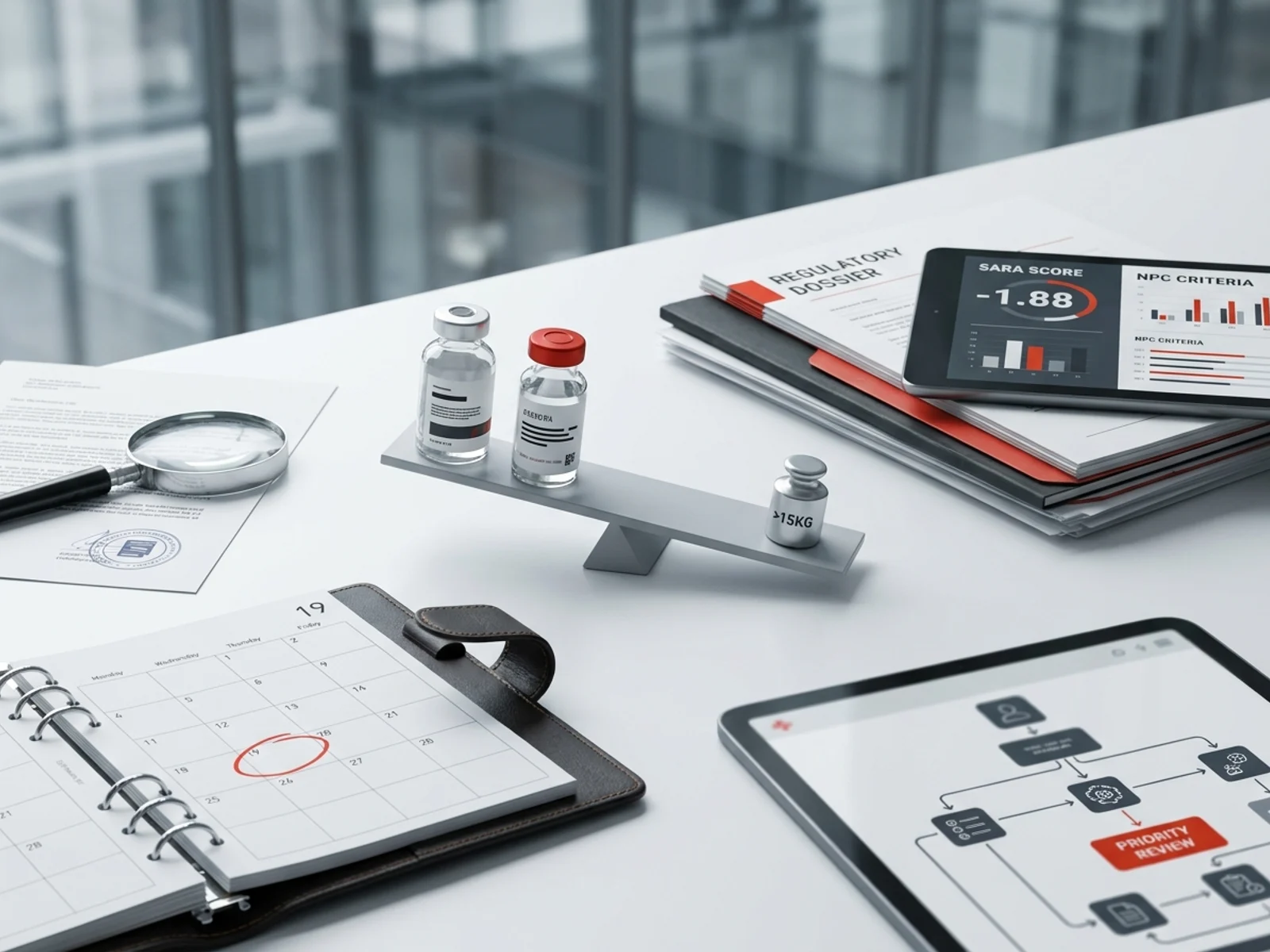
TEMPO-3 (NCT04542499): Pivotal adjunctive trial evaluating flexible-dose tavapadon added to levodopa in 507 patients experiencing motor fluctuations (published in JAMA Neurology, 2026). At week 26, tavapadon produced a treatment difference of +1.10 hours of "ON" time without troublesome dyskinesia versus placebo (1.70 hours gained with tavapadon vs 0.60 hours with placebo; 95% CI 0.60–1.70; P<.001) and −0.94 hours of daily "OFF" time versus placebo (−1.88 hours vs −0.93 hours; 95% CI −1.48 to −0.41; P<.001).
TEMPO-4 Open-Label Extension: Data presented at the 2026 American Academy of Neurology (AAN) Annual Meeting demonstrated that early initiation of tavapadon sustained motor symptom control and delayed the clinical requirement for levodopa dose escalation over 52 weeks.
3. Anticipated P&T Formulary Positioning for Tavapadon
Upon commercial launching in late 2026, AbbVie is expected to position tavapadon as a premium branded oral agent. P&T committees are structuring initial access policies around the following framework:
TAVAPADON (2026) P&T FORMULARY DECISION FRAMEWORK
| FORMULARY STEP | CLINICAL & ADMINISTRATIVE REQUIREMENT |
|---|---|
| Coverage Tier | Tier 3 Branded / Tier 4 Non-Preferred Specialty |
| Prior Auth Requirement | Confirmed diagnosis of early or advanced Parkinson's disease |
| Mandatory Step-Therapy | Step 1: Trial and failure of generic carbidopa-levodopa IR |
| Step 2: Trial and failure OR contraindication to generic pramipexole/ropin | |
| Exception Criteria | 1. Documented history of impulse control disorder on D2/D3 agonist |
| 2. Severe daytime somnolence / sudden sleep attacks on pramipexole | |
| 3. Uncontrolled dyskinesias exacerbated by levodopa dose escalation |
As observed in our non-stimulant ADHD access landscape and idiopathic pulmonary fibrosis access landscape, novel mechanisms offering superior safety profiles over generic incumbents can secure favorable Tier 2/Tier 3 positioning if sponsors provide competitive rebate structures and clear step-edit bypass pathways for high-risk patient subgroups.
P&T Decision Framework and PBM Formulary Management
To assist health plan medical directors, pharmacy benefit managers, and health system clinical specialists in managing Parkinson's benefit design, we present an evidence-based P&T decision algorithm:
                  P&T PARKINSON'S FORMULARY ALGORITHM

                 [ PATIENT DIAGNOSED WITH PARKINSON'S ]
                                   │
              ┌────────────────────┴────────────────────┐
              ▼                                         ▼
   [ EARLY / MILD DISEASE ]                  [ ADVANCED / FLUCTUATING ]
              │                                         │
 ┌────────────┴────────────┐               ┌────────────┴────────────┐
 ▼                         ▼               ▼                         ▼
Generic Carbidopa-Lev.   Generic D2/D3 Ag. Optimized Oral L-DOPA    Motor Fluctuations /
(NADAC $0.08/tab)        (Pramipexole $0.04) + COMTi / MAO-Bi        "OFF" Time Present
 Tier 1 Preferred         Tier 1 Preferred  (Entacapone/Rasagiline)          │
                                                Tier 1/2                 │
                                                                         ▼
                                                           ┌─────────────┴─────────────┐
                                                           ▼                           ▼
                                                     Refractory "OFF"            Severe Dyskinesia
                                                           │                           │
                                            ┌──────────────┴──────────────┐            ▼
                                            ▼                             ▼      Gocovri / Amant. ER
                                      Tavapadon (D1/D5)           VYALEV / Inbrija  Tier 3/4 PA Gate
                                      Tier 3 Brand / PA Gate      Specialty / Part B
Key Formulary Optimization Guidelines:
Protect Unrestricted Access to Tier 1 Generic Levodopa Base: Maintenance of zero-copay or low-copay ($0–$10) coverage for immediate-release carbidopa-levodopa, pramipexole, and ropinirole is essential to ensure long-term adherence and minimize preventable emergency department visits for acute parkinsonian crises.
Implement Rational Step-Edits for ER Agonists: Enforce automated step-therapy requiring trial of immediate-release pramipexole or ropinirole before authorizing extended-release formulations, capturing 90%+ cost savings without compromising clinical efficacy.
Establish Clear Clinical Bypass Criteria for Tavapadon: Grant prior authorization exemptions for tavapadon without requiring prior D2/D3 agonist failure in patients with active psychiatric co-morbidities, history of addiction, or occupation-critical daytime alertness requirements (e.g., commercial drivers).
Coordinate Dual-Benefit Coverage for Advanced Infusion Technologies: Ensure seamless authorization bridge protocols between pharmacy (Part D) and medical (Part B) benefit teams for VYALEV continuous subcutaneous infusions to eliminate coverage gaps during hospital-to-home transitions.
Frequently Asked Questions
Is carbidopa-levodopa still the primary treatment for Parkinson's disease, and is it generic?
Yes. Carbidopa-levodopa immediate-release remains the primary first-line pharmacotherapy for Parkinson's disease across all major clinical guidelines (including AAN and Movement Disorder Society). It is fully generic, with over 103 approved ANDAs in the FDA Orange Book, and per-unit acquisition cost data from CMS NADAC shows it costs between $0.08 and $0.13 per tablet.
What makes tavapadon different from existing dopamine agonists?
Existing oral dopamine agonists (pramipexole, ropinirole) act primarily on dopamine D2 and D3 receptors. While effective for motor symptoms, D2/D3 stimulation frequently causes impulse control disorders (pathological gambling, compulsive eating) and sudden sleep attacks. Tavapadon is a selective dopamine D1/D5 receptor partial agonist, activating the direct striatal pathway to control motor symptoms while avoiding excessive D2/D3 stimulation in limbic regions.
Why are rotigotine, opicapone, and istradefylline brand-only?
FDA Orange Book records confirm that rotigotine transdermal patches (Neupro), opicapone capsules (Ongentys), and istradefylline tablets (Nourianz) currently have zero (0) approved ANDAs in the United States. They remain protected by patent exclusivities and regulatory marketing exclusivity, placing them exclusively on Tier 3 or Tier 4 specialty formularies requiring prior authorization.
How is VYALEV administered, and how is it reimbursed?
VYALEV (foslevodopa and foscarbidopa) is administered as a continuous 24-hour subcutaneous infusion using a dedicated wearable pump system. Because it involves both a pharmaceutical biologic formulation and specialized durable medical equipment (DME), reimbursement routes through Medicare Part B (buy-and-bill / DME) or specialized Medicare Part D specialty pharmacy channels under strict prior authorization.
How does the 2026 Medicare Part D $2,000 out-of-pocket cap impact Parkinson's specialty drugs?
The IRA's $2,000 out-of-pocket cap eliminates catastrophic 5% coinsurance for Medicare beneficiaries taking specialty Parkinson's brands like Rytary, Ongentys, Nourianz, or Inbrija. However, because health plans assume 60% liability above $2,000, plan sponsors have implemented stricter prior authorization requirements to manage specialty utilization.
Sources
Centers for Medicare & Medicaid Services (CMS). "National Average Drug Acquisition Cost (NADAC) Weekly Files." U.S. Department of Health and Human Services. Available at: https://www.cms.gov/medicaid/pharmacy-benefits-tools/nadac
U.S. Food and Drug Administration (FDA). "Approved Drug Products with Therapeutic Equivalence Evaluations (Orange Book)." CDER, July 2026 Edition. Available at: https://www.accessdata.fda.gov/scripts/cder/ob/default.cfm
AbbVie Inc. & Cerevel Therapeutics. "AbbVie Submits New Drug Application to U.S. FDA for Tavapadon for the Treatment of Parkinson's Disease." Press Release, September 26, 2025. Available at: https://www.prnewswire.com/news-releases/abbvie-submits-new-drug-application-to-us-fda-for-tavapadon-for-the-treatment-of-parkinsons-disease-302567585.html
American Academy of Neurology (AAN). "Phase 3 TEMPO-4 Open-Label Extension Results: Sustained Efficacy and Safety of Tavapadon in Early Parkinson's Disease." AAN 78th Annual Meeting Abstracts, April 2026.
NeurologyLive. "Tavapadon as a Novel Partial D1/D5 Selective Dopamine Agonist in Parkinson's Disease: Mechanistic Rationale and Clinical Trial Review." Trade Analysis, February 2026.
U.S. Food and Drug Administration (FDA). "FDA Approves VYALEV (foslevodopa and foscarbidopa) for Advanced Parkinson's Disease." CDER Novel Approval Notification, October 2024. Available at: https://www.fda.gov/drugs/novel-drug-approvals-fda/novel-drug-approvals-2024
Movement Disorder Society (MDS). "Evidence-Based Medicine Update: Pharmacological Treatments for Motor Symptoms of Parkinson's Disease." Movement Disorders Journal, 2025/2026.