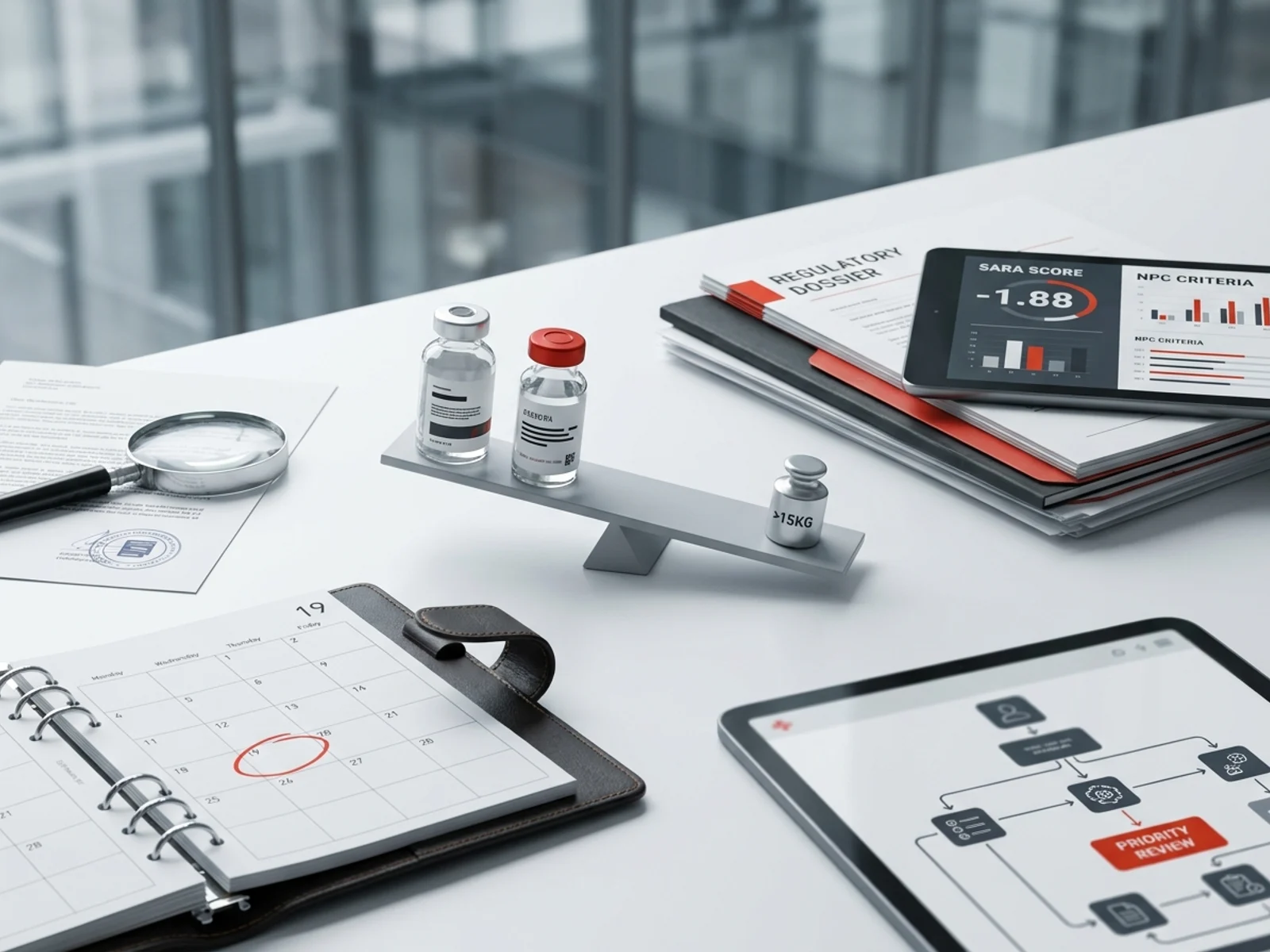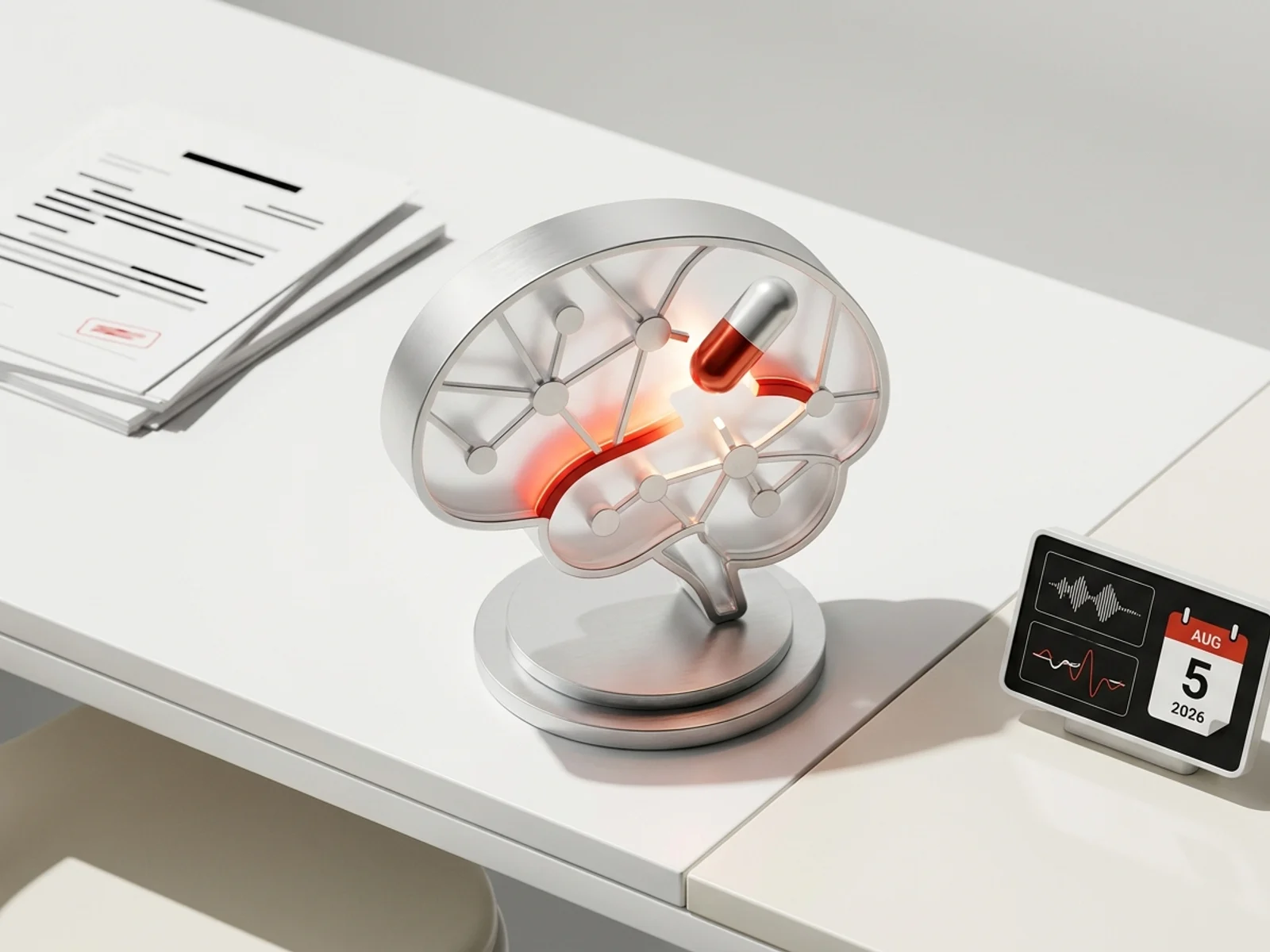
On August 5, 2026, the U.S. Food and Drug Administration (FDA) approved Orzeyful (oveporexton), developed by Takeda Pharmaceutical Company, for the treatment of Narcolepsy Type 1 (NT1) in adult patients.
Orzeyful represents a historic milestone in sleep medicine: it is the first-in-class oral orexin-2 receptor (OX2R) agonist ever approved by a major regulatory authority. While legacy treatments for narcolepsy—including wakefulness-promoting agents (modafinil, armodafinil, solriamfetol), histamine H3 receptor antagonists (pitolisant), and central nervous system depressants (sodium oxybates)—provide downstream symptomatic relief, Orzeyful is the first therapy engineered to directly target the primary disease pathology of Narcolepsy Type 1: the loss of endogenous orexin (hypocretin) signaling in the brain.
For sleep specialists, neurologists, P&T committees, and biopharma trade strategists, Orzeyful's approval establishes a new therapeutic class while introducing unique commercial and operational considerations surrounding Controlled Substances Act (CSA) scheduling and specialty distribution. This article provides a comprehensive clinical, regulatory, and trade evaluation of Orzeyful, backed by pivotal trial evidence, comparative mechanism dynamics, DEA scheduling requirements, and an audit of the global orexin receptor agonist pipeline.
What is Orzeyful (oveporexton) and how does an orexin-2 receptor agonist work?
Narcolepsy Type 1 (NT1) is a chronic, disabling neurological disorder affecting approximately 100,000 individuals in the United States. NT1 is caused by the selective, autoimmune-mediated destruction of approximately 70,000 orexin-producing neurons localized in the lateral hypothalamus.
Under normal physiological conditions, these neurons secrete two neuropeptides—orexin-A (hypocretin-1) and orexin-B (hypocretin-2)—which project to wake-promoting centers throughout the brainstem and basal forebrain. Orexin signaling stabilizes the neural flip-flop switch governing sleep-wake transitions. Without functional orexin signaling:
Sleep-wake boundaries become severely fragmented, causing sudden, uncontrollable daytime sleep attacks (excessive daytime sleepiness, EDS).
REM sleep intrudes inappropriately into wakefulness, causing cataplexy (sudden loss of voluntary muscle tone triggered by emotions such as laughter or surprise), sleep paralysis, and hypnagogic hallucinations.
                      [ Autoimmune Destruction ]
                                  |
                Loss of ~70,000 Hypothalamic Orexin Neurons
                                  |
          -------------------------------------------------
         |                                                 |
  Unstable Sleep-Wake Switch                     REM Sleep Intrusion into Wakefulness
  (Excessive Daytime Sleepiness)                 (Cataplexy & Sleep Paralysis)
Mechanism of Action: Selective OX2R Full Agonism
Orzeyful (oveporexton, formerly TAK-861) is a small-molecule, highly selective, orally bioavailable full agonist of the orexin-2 receptor (OX2R).
                                [ Orzeyful Ingestion ]
                                            |
                            Crosses Blood-Brain Barrier (BBB)
                                            |
                                [ Direct OX2R Activation ]
                                            |
       ---------------------------------------------------------------------------
      |                                    |                                      |
[ Tuberomammillary Nucleus ]     [ Locus Coeruleus ]                     [ Dorsal Raphe ]
(Histamine Release)              (Norepinephrine Release)                (Serotonin Release)
      |                                    |                                      |
       ---------------------------------------------------------------------------
                                            |
                         Stabilized Sustained Daytime Wakefulness
                        & Complete Suppression of Cataplexy Attacks
Unlike pre-synaptic replacement strategies, Orzeyful bypasses destroyed orexin neurons entirely. Upon oral administration, it crosses the blood-brain barrier and binds directly to post-synaptic OX2Rs located on downstream wake-promoting nuclei:
Histaminergic Tuberomammillary Nucleus (TMN): Stimulates sustained histamine output to maintain arousal throughout daytime hours.
Noradrenergic Locus Coeruleus (LC): Elevates norepinephrine tone to preserve daytime alertness and maintain muscle tone.
Serotonergic Dorsal Raphe Nucleus (DRN): Suppresses REM-on neurons in the brainstem, preventing cataplectic muscle collapse during emotional triggers.
By activating post-synaptic OX2Rs with nanomolar potency, Orzeyful functions as a true molecular replacement therapy, restoring normal wakefulness dynamics and abolishing cataplexy without requiring endogenous orexin peptide production.
Diagnostic Criteria and Patient Identification Workflow for Orzeyful
Clinical adoption of Orzeyful requires rigorous diagnostic confirmation of Narcolepsy Type 1 to distinguish candidate patients from those with Narcolepsy Type 2 (NT2), Idiopathic Hypersomnia (IH), or obstructive sleep apnea (OSA).
                       [ Diagnostic Confirmation Workflow ]
                                         |
     -------------------------------------------------------------------------
    |                                    |                                    |
[ Polysomnography (PSG) ]      [ Multiple Sleep Latency Test ]      [ Biomarker Testing ]
Exclude sleep apnea /           Mean sleep latency < 8 min;          Low CSF Orexin-A (< 110 pg/mL)
nocturnal pathology             ≥ 2 SOREMPs                          HLA-DQB1*06:02 positive
Key Diagnostic Parameters
Polysomnography (PSG): Overnight PSG must demonstrate adequate total sleep time ($\ge 6$ hours) while excluding primary obstructive sleep apnea or restless legs syndrome.
Multiple Sleep Latency Test (MSLT): Conducted immediately following overnight PSG. NT1 diagnosis requires a mean sleep latency of less than 8 minutes across 4 or 5 nap opportunities, accompanied by two or more Sleep-Onset REM Periods (SOREMPs).
Cerebrospinal Fluid (CSF) Orexin-A Quantification: In ambiguous cases or patients taking REM-suppressing medications, lumbar puncture with CSF orexin-A measurement provides definitive diagnostic proof. A CSF orexin-A level $\le 110 \text{ pg/mL}$ (or less than one-third of mean control values) confirms severe orexin deficiency specific to NT1.
Genetic Biomarker: Over 95% of NT1 patients carry the human leukocyte antigen (HLA) allele HLA-DQB1*06:02, reflecting the autoimmune predisposition to hypocretin neuronal loss.
What did the two pivotal Phase 3 trials show in narcolepsy type 1?
The FDA approval of Orzeyful was based on positive efficacy and safety data from two global, double-blind, randomized, placebo-controlled, 12-week Phase 3 trials conducted across 19 countries in 273 adults with Narcolepsy Type 1: FirstLight (TAK-861-3001, NCT06470828, n=168) and RadiantLight (TAK-861-3002, NCT06505031, n=105). Both trials met their primary and secondary endpoints at week 12.
Across both trials, patients were randomized to receive Orzeyful twice daily—administered upon waking and 5 hours later—at the approved 2 mg dose (or matching placebo).
| Clinical Endpoint (approved 2 mg twice-daily dose) | Baseline | Placebo (Week 12) | Orzeyful 2 mg BID (Week 12) | Significance |
|---|---|---|---|---|
| Maintenance of Wakefulness Test (MWT) — mean sleep latency | ~5.0 min | modest change | mean increase of roughly 17 min | Primary endpoint met; majority reached the normal range ($\ge 20$ min); $p < 0.001$ |
| Epworth Sleepiness Scale (ESS) — total score (0–24) | ~18.5 | smaller decrease | decrease of roughly 9–10 points | Close to 85% of 2/2 mg participants reached the normal range ($\le 10$); $p < 0.001$ |
| Weekly Cataplexy Rate | severe (few cataplexy-free days) | smaller reduction | reduced by $> 80%$ (median percent change from baseline) | Cataplexy-free days rose from ~0 to ~4–5 days/week; $p < 0.001$ |
| Attention, nighttime sleep, daily function, quality of life | impaired | — | significant improvement across secondary measures | All primary and secondary endpoints met at week 12; $p < 0.001$ |
                       [ Maintenance of Wakefulness Test (MWT) ]
  30 min (Normal Healthy Range)  =============================================
  ~22 min                       | [ ===== Orzeyful 2 mg (into normal range) ===== ]
  15 min                        |
  ~5 min (baseline)             | [ Placebo (modest change from baseline) ]
  0 min                         +---------------------------------------------
Key Efficacy Highlights
Objective Wakefulness Restored Toward Normal: On the Maintenance of Wakefulness Test (MWT)—the gold-standard objective measure of sustained wakefulness—Orzeyful 2 mg twice daily increased mean sleep latency from a severely impaired baseline (~5 minutes) by roughly 17 minutes at week 12, bringing the majority of treated participants into the normal healthy range ($\ge 20$ minutes).
Subjective Sleepiness Reduced to Near-Normal: On the Epworth Sleepiness Scale (ESS), where scores above 10 indicate excessive sleepiness, the 2/2 mg dose lowered mean scores from a severe baseline (~18–19) so that close to 85% of participants scored within the healthy range ($\le 10$).
Cataplexy Markedly Reduced: Orzeyful cut the weekly cataplexy rate by more than 80% (median percent change from baseline) versus placebo, increasing cataplexy-free days from essentially zero at baseline to roughly 4–5 days per week by week 12.
Broader Symptom and Quality-of-Life Gains: Secondary outcomes showed statistically significant improvements in attention, nighttime sleep, daily functioning, and quality-of-life measures versus placebo (all $p < 0.001$).
Resolving Hepatotoxicity: The Scaffold Transition from TAK-994 to TAK-861
A critical aspect of Orzeyful's clinical development was resolving the liver safety signal that halted first-generation orexin agonists. In 2021, Takeda terminated development of its precursor OX2R agonist, TAK-994, after Phase 2 trials (NCT04096560 and NCT04820842) revealed severe alanine aminotransferase (ALT) and aspartate aminotransferase (AST) elevations in multiple trial participants, raising concerns of drug-induced liver injury (DILI).
                      [ Orexin Agonist Scaffold Evolution ]
                                        |
      -------------------------------------------------------------------
     |                                                                   |
[ First-Gen: TAK-994 ]                                        [ Second-Gen: TAK-861 (Orzeyful) ]
- Phase 2 ALT/AST elevations (DILI signal)                    - Redesigned scaffold advanced to pivotal Phase 3
- Development terminated 2021                                  - Reported as generally well tolerated (n=273)
Resolving the Class-Defining Liver-Safety Problem
The first-generation orexin agonist TAK-994 was halted in 2021 after Phase 2 trials (NCT04096560 and NCT04820842) showed alanine aminotransferase (ALT) and aspartate aminotransferase (AST) elevations consistent with drug-induced liver injury (DILI) — an existential safety risk for a chronic-use neurology drug and the key reason an orexin agonist had never reached approval before.
Orzeyful (oveporexton, TAK-861) advanced through this barrier with a redesigned molecule:
No Highlighted Liver-Safety Signal in Phase 3: Across the two pivotal 12-week trials in 273 adults, Orzeyful was reported as generally well tolerated, and transaminase elevations were not flagged as a distinguishing safety concern — a decisive break from the TAK-994 hepatotoxicity that had stalled the class. Because earlier orexin agonists failed on liver safety, hepatic tolerability will nonetheless remain a focus of post-marketing surveillance as Orzeyful moves from controlled trials into real-world chronic use.
Manageable Tolerability Profile: The most frequent adverse events were sleep-related (insomnia) and urinary symptoms (pollakiuria / frequent urination and urinary urgency), consistent with peripheral orexin-2 receptor activity in bladder and renal tissue. Events were predominantly mild to moderate.
How does Orzeyful differ from modafinil, pitolisant (Wakix), and sodium oxybate (Xyrem/Xywav)?
To position Orzeyful within sleep medicine pathways, P&T committees and clinicians must evaluate how its mechanism, indications, efficacy, and regulatory controls compare to legacy options:
| Drug Name (Active Ingredient) | Primary Mechanism | Approved Indications | Cataplexy Efficacy | CSA Schedule | Administration & Dosing | Relative Acquisition Cost Baseline |
|---|---|---|---|---|---|---|
| Modafinil (Provigil) | DAT / NET inhibitor | NT1, NT2, OSA, SWSD | None (EDS only) | Schedule IV (CIV) | Oral QD (morning) | Low (low-cost generic; under $1/tab on NADAC) |
| Pitolisant (Wakix) | Histamine H3 antagonist | NT1 (EDS & Cataplexy), NT2 | Moderate reduction | Unscheduled (Non-controlled) | Oral QD (morning) | High (Specialty brand only; absent from NADAC) |
| Sodium Oxybate (Xyrem/Xywav) | $\text{GABA}_\text{B}$ / GHB agonist | NT1 (EDS & Cataplexy), NT2, IH (Xywav) | High reduction | Schedule III (CIII) / REMS Restricted | Liquid PO at bedtime + 2.5–4 hrs later | High (Specialty brand & generic REMS distribution) |
| Orzeyful (oveporexton) | OX2R Full Agonist | NT1 in adults | High / Near Elimination | Pending CSA Scheduling (CIV expected) | Oral BID (waking + 5h later) | High (Novel specialty biologic/small molecule) |
Clinical Advantages of OX2R Agonism
Targeted Monotherapy Potential: Existing protocols often require combination therapy—such as modafinil for daytime wakefulness paired with sodium oxybate or SSRIs/SNRIs for cataplexy. Orzeyful addresses both EDS and cataplexy robustly as a single agent.
Daytime Administration without Bedtime Awakening: Unlike sodium oxybates (Xyrem/Xywav/Lumryz), which require bedtime ingestion and mid-night awakening for a second dose (or specialized extended-release matrices), Orzeyful is taken twice during daytime hours (upon waking and 5 hours later), fitting normal diurnal routines.
Absence of Severe $\text{GABA}_\text{B}$ Central Depression: Sodium oxybates carry Black Box Warnings for central nervous system depression, respiratory depression, abuse potential, and strict REMS distribution. Orzeyful acts as a selective wake-promoting agonist rather than a CNS depressant.
Where Orzeyful fits in a narcolepsy type 1 pathway
Narcolepsy type 1 is a 24-hour disorder: the same orexin deficiency that fragments daytime wakefulness also destabilizes REM sleep at night. Historically, clinicians have managed NT1 as a set of separate symptoms, often combining a wakefulness agent for excessive daytime sleepiness with a second agent for cataplexy and fragmented sleep. Orzeyful reframes that logic because a single orexin-2 agonist addresses the full symptom cluster from the top down.
| NT1 Symptom Domain | Wakefulness agents (modafinil/armodafinil, solriamfetol) | Pitolisant (Wakix) | Sodium oxybate (Xyrem/Xywav/Lumryz) | Orzeyful (oveporexton) |
|---|---|---|---|---|
| Excessive daytime sleepiness | Yes (primary use) | Yes | Yes | Yes (primary endpoint, MWT) |
| Cataplexy | No | Yes (moderate) | Yes (high) | Yes (>80% weekly-rate reduction) |
| Nighttime sleep fragmentation | No | Limited | Yes | Yes (secondary improvement) |
| Sleep paralysis / hypnagogic hallucinations | No | Limited | Partial | Yes (improvement reported) |
| Root-cause (orexin-replacement) mechanism | No | No | No | Yes |
From multi-drug stacks to a single mechanistic anchor
A common real-world NT1 regimen stacks a daytime stimulant or wakefulness agent on top of a nocturnal sodium oxybate, and may add an antidepressant for residual cataplexy — three separate mechanisms, three copays, and three adverse-event profiles, with the oxybate component requiring midnight dosing and REMS enrollment. Orzeyful's pivotal data suggest a single oral agent taken twice during waking hours can move the core objective measure of wakefulness (Maintenance of Wakefulness Test) into the normal range while also suppressing cataplexy, which is exactly the combination NT1 patients have had to assemble piecemeal. The practical question for early adoption is therefore not whether Orzeyful is more potent than any one legacy drug on a single endpoint, but whether it can replace or shrink a multi-agent stack — and that substitution will be gated by payer step therapy and by comparative tolerability data that only post-marketing use will generate.
What Orzeyful will not (yet) do
The current label is deliberately narrow: adults with narcolepsy type 1. It does not cover narcolepsy type 2 or idiopathic hypersomnia, both of which involve intact orexin signaling and are therefore biologically different targets. Takeda has ongoing Phase 2/3 work in those populations, and the Centessa/Lilly rival program is explicitly pursuing narcolepsy type 2 and idiopathic hypersomnia, but until those readouts support supplemental approvals, access teams should expect — and payers will enforce — a strict NT1 diagnosis requirement.
When will Orzeyful be available and why is DEA scheduling required?
Although the FDA granted regulatory approval for Orzeyful on August 5, 2026, commercial distribution and patient dispensing cannot begin immediately.
  Aug 5, 2026                 Aug - Oct 2026                Nov 2026
------|---------------------------|----------------------------|------------>
FDA Approval Granted       DEA Controlled Substance      Federal Register Final Rule
(New Molecular Entity)     Scheduling Review             & Commercial U.S. Launch
Statutory Requirement for DEA Scheduling
Under the Controlled Substances Act (21 U.S.C. 811) and the Improving Regulatory Transparency for New Medical Therapies Act of 2016, any newly approved molecular entity that affects the central nervous system must undergo formal abuse potential evaluation and controlled substance scheduling by the Drug Enforcement Administration (DEA) before it can be commercially distributed.
8-Factor Analysis: The FDA submits a scientific and medical evaluation alongside a scheduling recommendation to the DEA.
Statutory 90-Day Window: The DEA is required to issue an interim final rule within 90 days of receiving the FDA recommendation.
Anticipated Schedule: Based on preclinical self-administration models and abuse-potential studies, Orzeyful is expected to be placed in Schedule IV (CIV), aligned with modafinil, armodafinil, and solriamfetol.
Launch Timeline: Takeda projects that commercial launch in the U.S. will occur in late Q3 or early Q4 2026, immediately following publication of the DEA's final scheduling decision in the Federal Register.
Payer Coverage, Specialty Pharmacy Channels, and Utilization Management
Following DEA scheduling, commercial health plans and pharmacy benefit managers (PBMs) will establish formal coverage guidelines under pharmacy benefit tiers.
Specialty Pharmacy Distribution
Because Orzeyful addresses a specialized orphan population and requires strict adherence tracking, Takeda will distribute the drug through a closed network of contracted specialty pharmacies (such as Accredo, Caremark Specialty, and Express Scripts Specialty):
Retail chain pharmacies will not maintain routine inventory of Orzeyful.
Prescriptions will be fulfilled via overnight home delivery following prior authorization clearance.
Takeda will offer dedicated patient support services (copay assistance cards, bridge supplies during PA appeals, and dedicated nurse navigators).
Prior Authorization (PA) Criteria & Step Therapy Logic
P&T committees are expected to institute strict prior authorization protocols to manage initial utilization:
                            [ Prior Authorization Gate ]
                                         |
     -------------------------------------------------------------------------
    |                                    |                                    |
[ Confirmed NT1 Diagnosis ]    [ Objective Sleep Testing ]          [ Reauthorization (6 Mo) ]
Documented cataplexy &         PSG excluding OSA; MSLT mean         Documented ESS reduction ≥ 4 pts;
hypocretin deficiency          latency < 8 min with ≥ 2 SOREMPs    MWT improvement or cataplexy drop
Diagnosis Restriction: Initial authorization will require documented diagnosis of Narcolepsy Type 1, confirmed by clinical history of cataplexy and documented PSG/MSLT findings or low CSF orexin-A levels. Off-label use in NT2, IH, or shift work sleep disorder will be blocked pending label expansion.
Step Therapy Requirements: Payers may require a trial of generic modafinil or armodafinil unless contraindicated or documented as ineffective, given the substantial acquisition cost difference between low-cost generic wakefulness agents (under $1 per tablet on NADAC) and novel specialty brands.
Reauthorization Benchmarks: Renewal at 6 and 12 months will require prescribing clinicians to attest to objective or subjective benefit, such as an ESS score reduction $\ge 4$ points or a significant drop in weekly cataplexy frequency.
What is the orexin agonist pipeline — Takeda vs Lilly/Centessa (cleminorexton)?
The approval of Orzeyful has validated OX2R agonism, igniting intense competitive development across the biopharma sector. An audit of global trial registries identifies 54 clinical studies actively investigating orexin receptor ligands across neurology, psychiatry, and anesthesiology.
                          [ Orexin Agonist Pipeline (2026) ]
                                          |
           ---------------------------------------------------------------
          |                                                               |
  [ Takeda Portfolio ]                                        [ Lilly / Centessa ]
  - Orzeyful (TAK-861, Approved NT1)                          - Cleminorexton (ORX750, Phase 2/3)
  - Danavorexton (TAK-925, IV OSA/Emergence)                  - ORX142 (Phase 1)
  - TAK-994 (Terminated - DILI)                               ($7.8B Acquisition - Mar 2026)
1. Takeda's Orexin Franchise
Orzeyful (TAK-861): Beyond the approved NT1 indication, Takeda is conducting Phase 2 trials in Narcolepsy Type 2 (NT2, NCT05687916) and a Phase 2/3 trial in Idiopathic Hypersomnia (IH, NCT05816382). However, because NT2 and IH involve intact orexin neurons with normal cerebrospinal fluid (CSF) orexin-A levels, higher OX2R agonist exposures may be required.
Danavorexton (TAK-925): An intravenous OX2R agonist evaluated in Phase 1/2 trials for acute emergence from anesthesia and severe obstructive sleep apnea (OSA, NCT05180890).
2. The Eli Lilly / Centessa Program (Cleminorexton)
On March 31, 2026, Eli Lilly announced a definitive agreement to acquire Centessa Pharmaceuticals in a transaction valued at up to roughly $7.8 billion — approximately $6.3 billion in upfront cash ($38.00 per share) plus non-transferable contingent value rights worth up to an additional $1.5 billion ($9.00 per share) tied to regulatory milestones. The deal was expected to close in the third quarter of 2026.
Cleminorexton (ORX750): Centessa's lead investigational oral OX2R full agonist. Cleminorexton demonstrated potent, highly selective OX2R activation in Phase 1 healthy volunteer studies without liver signal. It is currently enrolled in a Phase 2/3 pivotal trial (NCT07598708) evaluating both NT1 and NT2/IH cohorts.
ORX142: A next-generation oral orexin agonist undergoing Phase 1 safety and pharmacokinetic evaluation (NCT07082829).
3. Early-Stage & Academic Pipeline
Alkermes, Novartis, and Idorsia are advancing preclinical and Phase 1 selective OX2R agonists designed for once-daily dosing with expanded central therapeutic windows.
How the competitive orexin map stacks up (2026)
The table below summarizes the publicly registered orexin agonist programs that matter most for the sleep-medicine market Orzeyful is entering. The strategic fault line is indication scope: Takeda is defending the NT1 franchise it just opened while pushing into NT2 and idiopathic hypersomnia, whereas Lilly/Centessa is building cleminorexton explicitly as a pan-hypersomnia play across NT1, NT2, and idiopathic hypersomnia.
| Program (Sponsor) | Molecule / Route | Lead Indication | Most Advanced Registered Trial | Status |
|---|---|---|---|---|
| Takeda | Orzeyful / oveporexton (TAK-861), oral | NT1 (approved); NT2 and IH in development | NCT06470828 / NCT06505031 (pivotal NT1); NCT05816382 (IH) | Approved (NT1 adults) |
| Takeda | Danavorexton (TAK-925), IV | Emergence from anesthesia; severe OSA | NCT05180890 (OSA Phase 1/2) | Phase 1/2 |
| Takeda | TAK-994, oral | NT1/NT2 | Terminated 2021 (DILI) | Discontinued |
| Lilly / Centessa | Cleminorexton (formerly ORX750), oral | NT1, NT2, idiopathic hypersomnia | NCT07598708 (Phase 2/3); NCT06752668 (Phase 2) | Phase 2/3 |
| Lilly / Centessa | ORX142, oral | Broad hypersomnia | NCT07082829 (Phase 1) | Phase 1 |
The competitive implication is that Orzeyful's first-mover advantage in NT1 is real but time-limited. Cleminorexton's reported Phase 2a profile was characterized as potentially best-in-class across NT1, NT2, and idiopathic hypersomnia, and Lilly's commercial scale in diabetes and obesity gives it a payer-relationships and channel infrastructure Takeda does not match in primary care-adjacent specialty. For P&T committees, the near-term decision is simply whether to add the first disease-targeting NT1 therapy to formulary; the medium-term question is how a single-indication Orzeyful label competes if cleminorexton arrives with a broader hypersomnia label.
For broader context on sleep medicine access pathways and neuroscience deal structures, see our coverage of the Narcolepsy & Idiopathic Hypersomnia access landscape and our analysis of Lilly's neuroscience deal strategy.
Frequently Asked Questions (FAQ)
Is Orzeyful (oveporexton) approved for narcolepsy type 2 or idiopathic hypersomnia?
No. Orzeyful is currently FDA-approved strictly for Narcolepsy Type 1 (NT1) in adult patients. Clinical trials evaluating oveporexton in Narcolepsy Type 2 (NT2) and Idiopathic Hypersomnia (IH) are ongoing, but it does not currently hold FDA approval for those conditions.
Why does Orzeyful need DEA scheduling before launch?
Because Orzeyful acts directly on central nervous system pathways regulating sleep and arousal, federal law (21 U.S.C. 811) requires the DEA to evaluate its abuse potential and assign it to a Controlled Substances Act schedule before it can be legally manufactured, shipped, and dispensed in U.S. pharmacies.
Is Orzeyful the first orexin agonist ever approved?
Yes. Orzeyful is the world's first approved orexin-2 receptor (OX2R) agonist. Prior drugs acting on the orexin system—such as suvorexant (Belsomra), lemborexant (Dayvigo), and daridorexant (Quviviq)—are dual orexin receptor antagonists (DORAs) used to induce sleep in insomnia. Orzeyful is an agonist designed to promote wakefulness.
How is Orzeyful different from existing narcolepsy drugs like Wakix or Xyrem?
Unlike Wakix (histamine H3 antagonist) or Xyrem (GABA-B agonist), which adjust downstream neurotransmitters or induce nocturnal sleep, Orzeyful acts as a direct molecular replacement for missing orexin neuropeptides in NT1. In Phase 3 trials, it restored objective wakefulness toward normal (MWT mean sleep latency increased by roughly 17 minutes into the normal ≥20-minute range) and reduced weekly cataplexy attacks by $> 80%$ as a twice-daily oral therapy.
Sources
U.S. FDA Press Announcement (Aug 5, 2026): FDA Approves First-in-Class Therapy Targeting Underlying Orexin Deficiency in Narcolepsy Type 1. U.S. Food and Drug Administration. Available at:
https://www.fda.gov/news-events/press-announcements/fda-approves-first-drug-treat-full-range-narcolepsy-type-1-symptomsClinicalTrials.gov (NCT06470828 & NCT06505031): Pivotal Phase 3 Studies of TAK-861 (oveporexton) for the Treatment of Narcolepsy Type 1. Available at:
https://clinicaltrials.gov/study/NCT06470828U.S. FDA Drugs@FDA Database: Orzeyful (oveporexton) Approval Record & Labeling. Available at:
https://www.accessdata.fda.gov/scripts/cder/daf/Takeda Pharmaceutical Company Press Release (Aug 5, 2026): Takeda Announces U.S. FDA Approval of Orzeyful (oveporexton) as First-in-Class Orexin-2 Receptor Agonist for Narcolepsy Type 1. Available at:
https://www.takeda.com/newsroom/Takeda Pharmaceutical Company Press Release (Sep 8, 2025): Takeda Presents Orexin Data from Landmark Oveporexton (TAK-861) Phase 3 Program (FirstLight and RadiantLight) in Narcolepsy Type 1 at World Sleep 2025. Available at:
https://www.takeda.com/newsroom/newsreleases/Eli Lilly and Company Press Release (Mar 31, 2026): Lilly to Acquire Centessa Pharmaceuticals to Advance Treatments for Sleep-Wake Disorders ($38.00/share cash plus up to $9.00 CVR; up to ~$7.8B total). Available at:
https://investor.lilly.com/