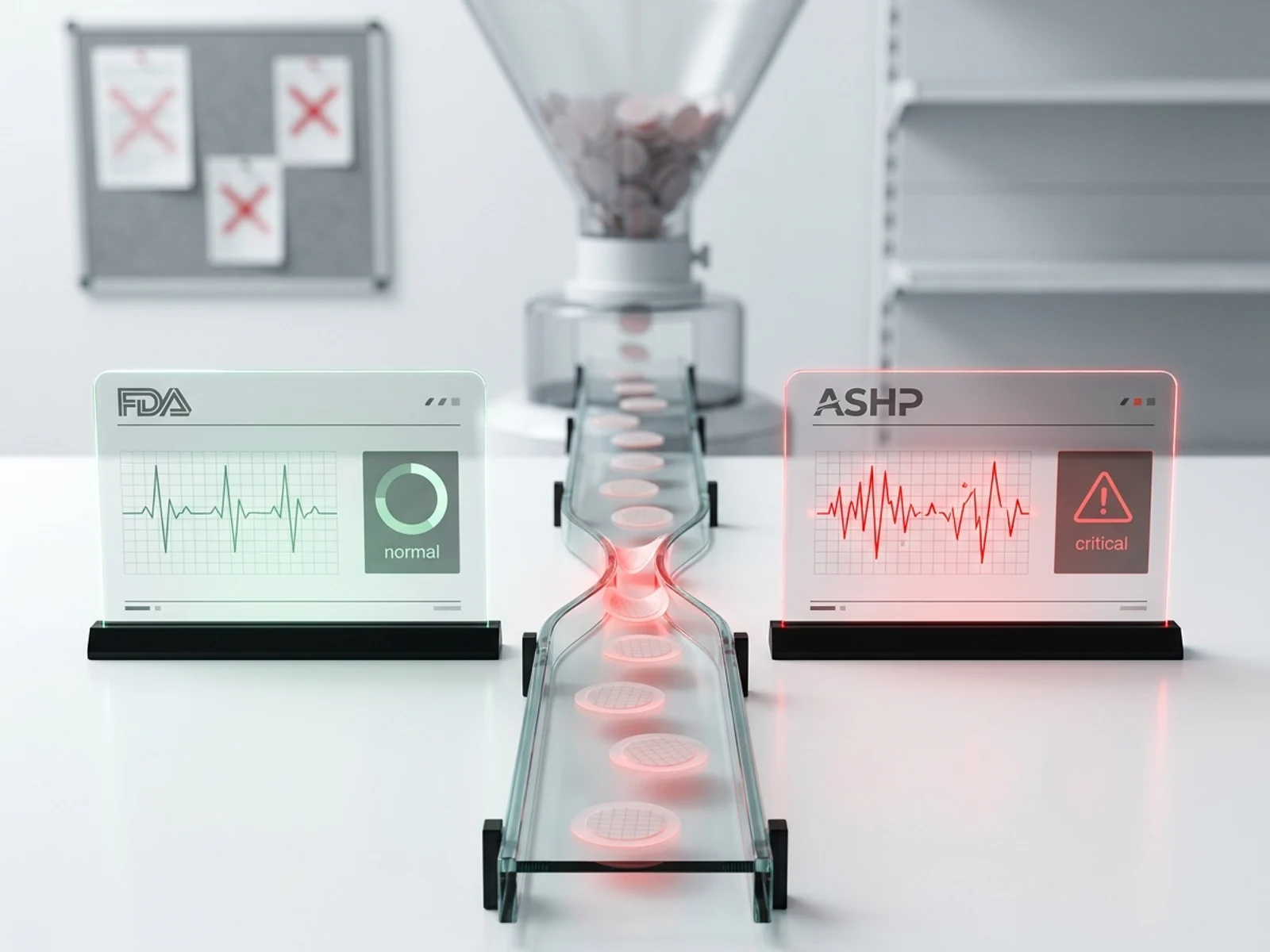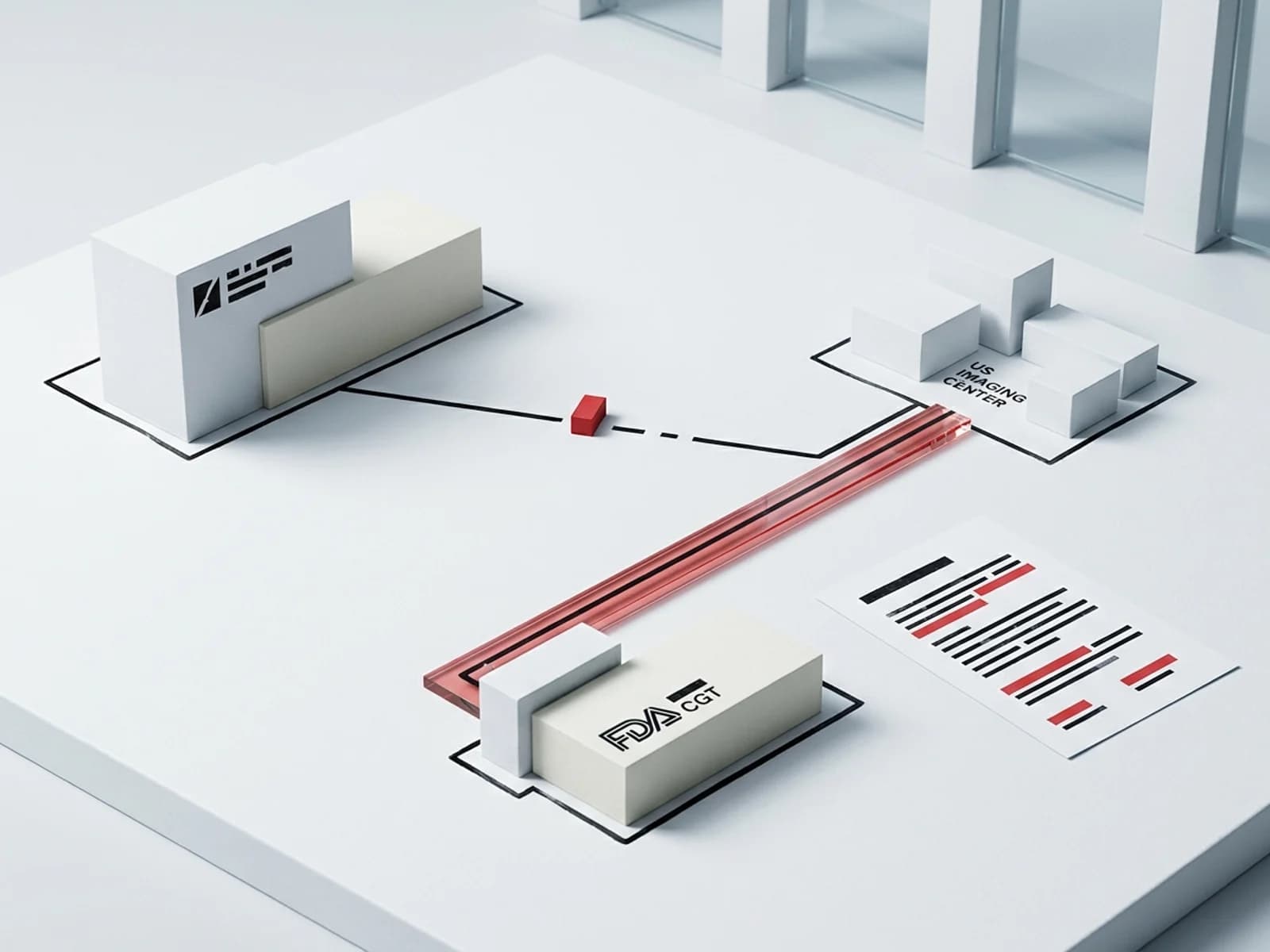
The supply chain of iodinated contrast media (ICM)—essential for computed tomography (CT) scans and angiograms—has long been concentrated among a few brand-name manufacturers. This vulnerability was exposed during the global iohexol supply crisis of 2022, when a COVID-19 lockdown at a major manufacturing facility in Shanghai, China, crippled U.S. imaging centers.
To prevent future supply failures and stimulate market competition, the FDA has utilized its Competitive Generic Therapy (CGT) pathway to accelerate alternative options. The approval of Amneal Pharmaceuticals’ generic iohexol injection (ANDA 217737) represents a milestone: the first approved generic version of GE Healthcare’s blockbuster contrast agent Omnipaque®.
Short Answer
On November 13, 2025, the FDA approved Amneal’s generic iohexol injection (300 mg Iodine/mL) under the Competitive Generic Therapy (CGT) pathway. As the first approved generic applicant, Amneal was granted 180 days of CGT marketing exclusivity, which is scheduled to expire on July 26, 2026 (reflecting a commercial launch on January 27, 2026, within the mandatory 75-day FDA launch window).
For healthcare providers and hospital systems, this generic entry diversifies the sterile injectable supply chain and provides significant cost savings. However, market access teams must account for different reimbursement dynamics: while contrast media costs are bundled under Ambulatory Payment Classifications (APCs) in hospital outpatient departments, they are separately reimbursable via HCPCS contrast codes (e.g., Q9967 for low-osmolar contrast at 300–399 mg iodine/mL) in physician offices, making private imaging clinics the primary targets for generic adoption.
Who This Is For
This market access analysis is designed for hospital supply chain officers, radiology billing directors, and generic pharmaceutical commercial planners.
Competitive Generic Therapy (CGT) Pathway and Exclusivity Rules
Established under the FDA Reauthorization Act (FDARA) of 2017 (GDUFA II), the CGT pathway incentives developers to target drug products that have "inadequate generic competition"—defined as having only one or no active generic approved under the Orange Book.
Under Section 505(j)(5)(B)(v) of the FD&C Act, the "first approved applicant" of a CGT product is eligible for 180 days of marketing exclusivity, provided they meet a strict execution rule:
The 75-Day Launch Window: The applicant must commercially launch the product within 75 days of receiving final approval.
Forfeiture Trap: If the generic sponsor fails to launch within this window, the 180-day exclusivity is forfeited, and the FDA can immediately approve subsequent ANDA filers.
Amneal's Execution: Amneal received approval on November 13, 2025, and initiated commercial shipment of generic iohexol on January 27, 2026 (Day 75), successfully securing its exclusivity through July 26, 2026.
Supply Chain Volatility: The Legacy of the 2022 Crisis
The commercial significance of generic iohexol cannot be overstated. In April 2022, GE Healthcare’s facility in Shanghai was locked down due to local COVID-19 containment policies. Because that single facility supplied a vast majority of the U.S. iohexol market:
Hospital systems faced immediate allocations, reducing contrast media supplies by up to 80%.
Radiologists were forced to defer elective CT scans, ration doses, or switch to alternative, often higher-cost contrast agents. These clinical substitutes include:
Ioversol (e.g., Guerbet's Optiray), an alternative low-osmolar monomeric agent.
Iopamidol (e.g., Bracco's Isovue), another common low-osmolar monomer.
Iodixanol (e.g., GE's Visipaque), an iso-osmolar dimeric agent that carries a higher cost profile but is preferred for high-risk patients.
The FDA was forced to temporarily authorize the importation of foreign-labeled Omnipaque from GE Healthcare's European facilities.
By establishing a domestic generic supply source, Amneal's approval provides a critical buffer against manufacturing disruptions. Amneal's launch targets the $652 million U.S. iohexol market, helping to stabilize inventory levels for imaging centers and reducing reliance on international sole-source facilities.
Reimbursement Split: Hospital Outpatient vs. Physician Clinic
Reimbursement for radiological contrast media depends heavily on the site of service, which shapes the commercial contracting strategy for generic manufacturers:
1. Hospital Outpatient Prospective Payment System (OPPS)
Under Medicare and most commercial payer rules, contrast media administered in a Hospital Outpatient Department (HOPD) is bundled:
Payers do not pay separately for the contrast media under HCPCS codes. Instead, the cost of the contrast media is packaged into the Ambulatory Payment Classification (APC) payment rate for the primary imaging procedure (e.g., CT scan of the abdomen with contrast).
Hospital Strategy: Because hospitals absorb the cost of contrast media within a fixed procedure payment, they are highly price-sensitive. Hospitals will rapidly switch to Amneal's generic iohexol to capture immediate procurement savings and protect their procedural margins.
2. Physician Office and Independent Diagnostic Testing Facilities (IDTFs)
In physician offices and freestanding imaging clinics, contrast media is often separately reimbursable:
Providers submit separate lines on claims using concentration-banded HCPCS contrast codes such as Q9967 (Low osmolar contrast material, 300–399 mg/mL iodine concentration, per mL), which covers Omnipaque/iohexol at 300 mg iodine/mL.
Reimbursement is typically based on Average Sales Price (ASP) plus a percentage markup.
Clinic Strategy: Freestanding clinics must balance the acquisition cost of generic iohexol against the ASP-based reimbursement rate. As the market ASP declines due to generic price erosion, clinics will require steep discounts from generic manufacturers to maintain their operating spreads.
Sources
FDA, Approved Drug Products with Therapeutic Equivalence Evaluations (Orange Book). ANDA 217737 (Iohexol Injection) and GE Healthcare Omnipaque (NDA 018956) patent/exclusivity entries, updated June 2026. https://www.accessdata.fda.gov/scripts/cder/ob/
FDA, Guidance for Industry: Competitive Generic Therapies, FDA Center for Drug Evaluation and Research, updated June 2020. Exclusivity rules under Section 505(j)(5)(B)(v). https://www.fda.gov/media/115223/download
Amneal Pharmaceuticals, Press Release: Amneal Receives U.S. FDA Approval for First Generic version of Omnipaque® (Iohexol Injection), November 13, 2025. Launch timing and market size details. https://investors.amneal.com/news/
Centers for Medicare & Medicaid Services (CMS), Hospital Outpatient Prospective Payment System (OPPS) Policy Manual, Chapter IV (Packaged Services and Ambulatory Payment Classifications). https://www.cms.gov/medicare/payment/prospective-payment-systems/hospital-outpatient/policy-manual-and-payment-files
American College of Radiology (ACR), Statement on Contrast Media Shortage and Clinical Mitigation Triage, updated for supply chain stabilization, early 2026. https://www.acr.org/Clinical-Resources/Contrast-Media-Shortage-Resources
Disclaimer: This article provides independent regulatory and market access analysis for biopharma professionals and does not constitute clinical, medical, or legal advice.