The April 2026 FDA approval of orforglipron (Foundayo) confirmed what payers had been anticipating since Phase 3 data read out: oral GLP-1 receptor agonists for weight management are real, commercially available, and routing through the pharmacy benefit from day one. Eli Lilly launched Foundayo with a $149-per-month self-pay price through LillyDirect, a $25 commercial copay card, and a $50 Medicare Part D bridge price starting July 2026.
CVS Caremark removed its new-to-market block on Foundayo effective June 1, 2026 for plans that have approved coverage. Express Scripts reported 94% prior authorization mandates for GLP-1 weight management drugs. Only 18% of CVS Caremark commercial formularies covered Wegovy as of early 2026, per IntuitionLabs market access data. Oral GLP-1s will not automatically receive broader coverage simply because they are pills.
This article is a launch-readiness checklist for payer teams — medical directors, pharmacy directors, formulary managers, and PBM account leads — preparing for oral GLP-1 pharmacy-benefit management before and immediately after approval.
Why oral GLP-1s create different payer challenges than injectables
Pharmacy benefit routing from day one
Injectable GLP-1s like Wegovy and Zepbound route through the pharmacy benefit but often face additional controls: limited distribution networks, specialty pharmacy mandates, and medical necessity documentation tied to BMI thresholds and comorbidity evidence. Oral GLP-1s enter the same channel but present distinct management considerations:
No cold-chain logistics: Orforglipron is a small-molecule, nonpeptide GLP-1 receptor agonist that does not require refrigeration. This eliminates the specialty pharmacy cold-chain bottleneck that has constrained injectable GLP-1 distribution. Lilly is shipping Foundayo through Amazon Pharmacy, GoodRx, Ro, and standard retail pharmacies.
No fasting or water restrictions: Unlike oral semaglutide (Rybelsus), which requires strict fasting and delayed food intake to ensure absorption, orforglipron can be taken at any time of day without food or water restrictions. This simplifies the clinical criteria but also removes a natural utilization barrier.
Broader prescriber base: Oral formulations attract primary-care prescribing. The Pharmacy Times report on the APhA 2026 meeting highlighted that pharmacists flagged orforglipron as particularly relevant because its convenience profile could broaden access for patients who are injection-averse. More prescribers mean more utilization management volume.
Market sizing and budget exposure
CVS Caremark's 2026 GLP-1 Insights Report projected that despite achieving approximately 15% reduction in per-prescription net costs from 2025 to 2026, overall category spend would still rise approximately 10% for clients maintaining current benefit designs, driven by higher utilization and expanded eligibility. With 30-40% of U.S. adults meeting obesity criteria by BMI and millions more overweight with cardiometabolic risk factors, oral GLP-1s expand the addressable population beyond the injection-tolerant segment.
The Innovative Rx Strategies 2026 trends report projected that GLP-1 medications would become the top pharmacy spend category by 2027-2028, potentially exceeding specialty drugs. Annual costs run $12,000-$16,000+ per patient with long-term or lifelong use.
Pre-launch checklist for payer teams
1. Formulary positioning and tier design
Before an oral GLP-1 reaches market, payer teams should decide:
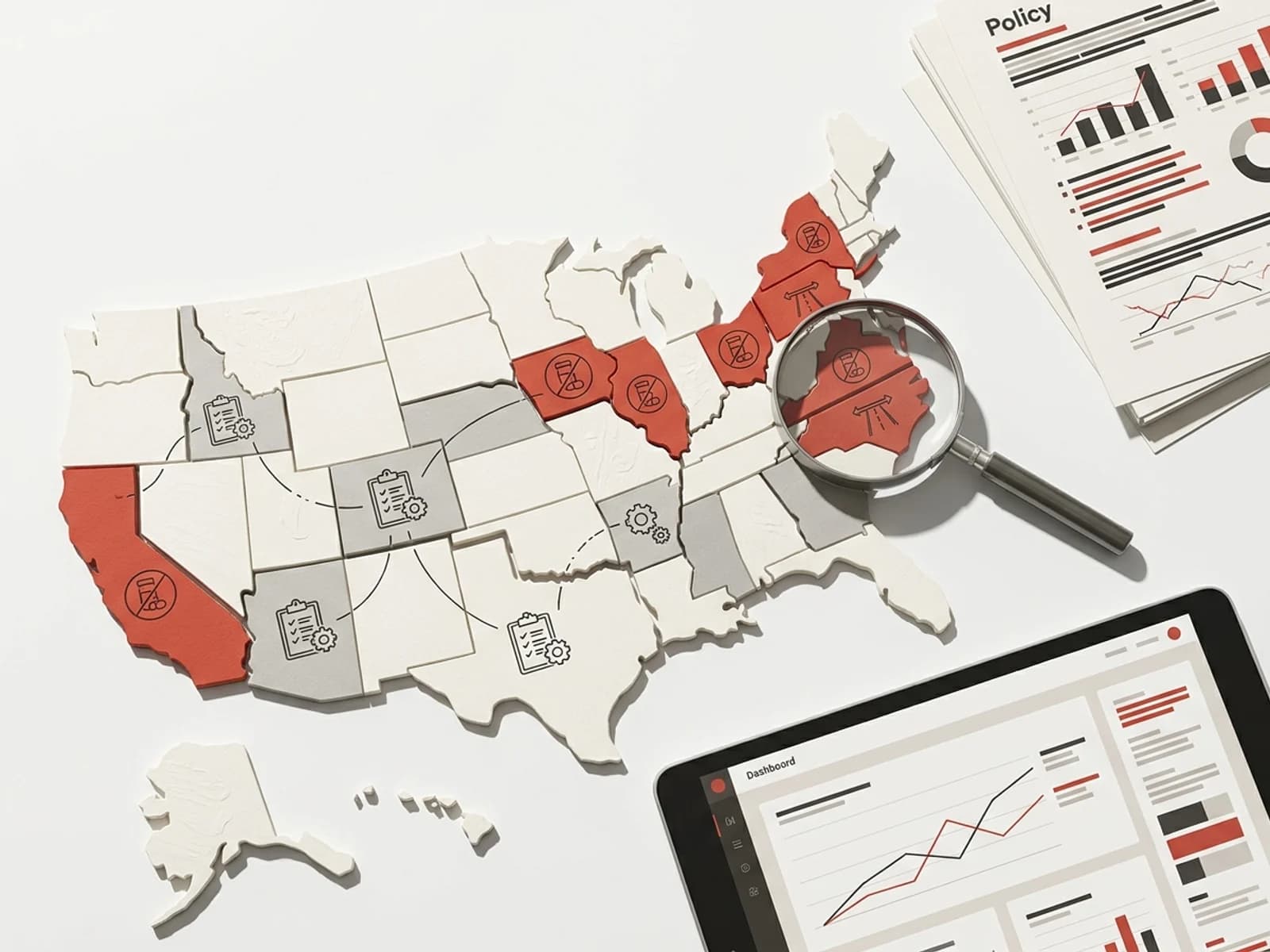
Will the oral GLP-1 be covered for weight management at all? Premera's 2026 formulary newsletter explained that GLP-1s for weight management are only covered when an employer group has elected this benefit. If a group does not elect weight-loss drug coverage, GLP-1s for obesity are not covered.
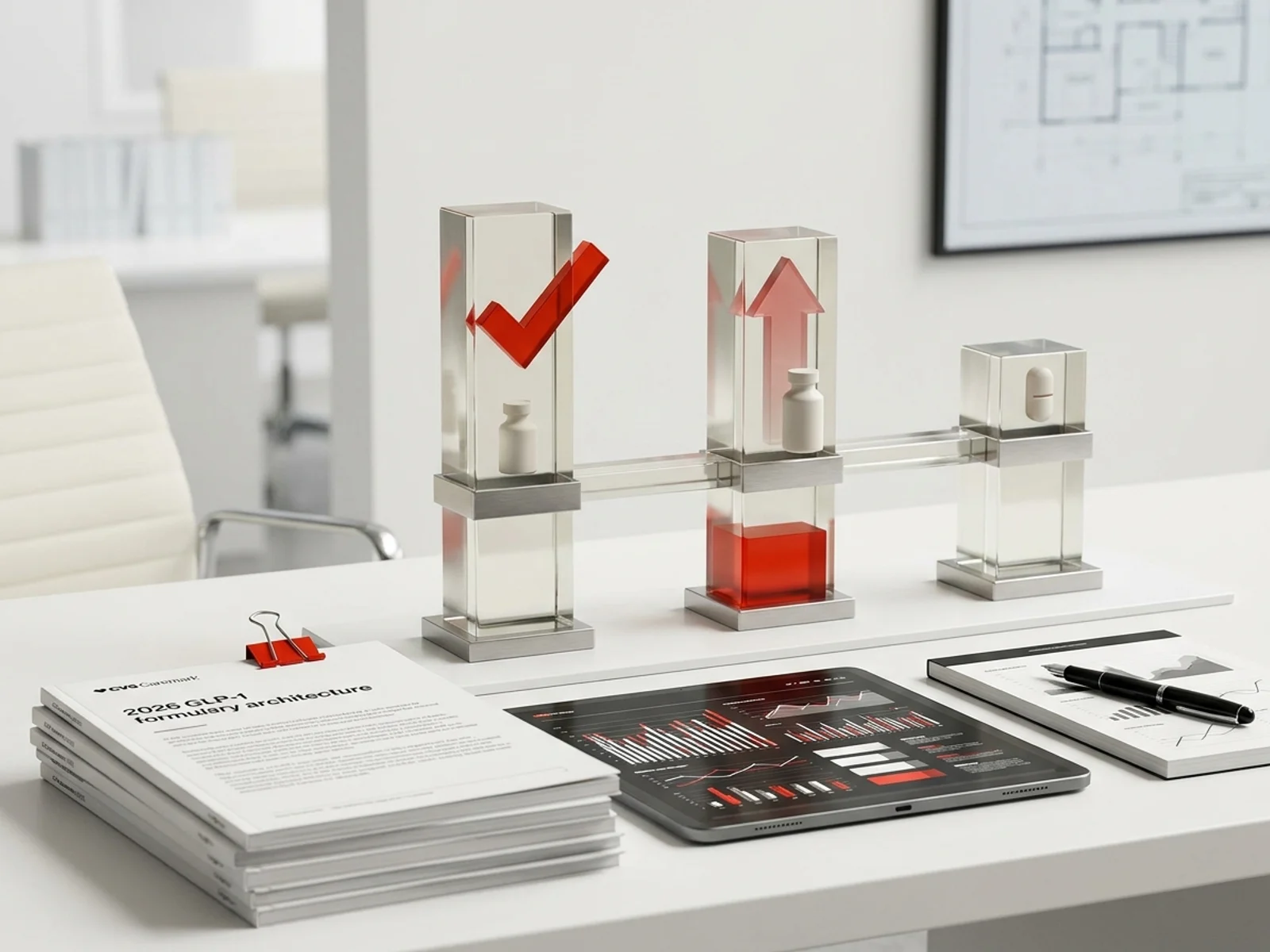
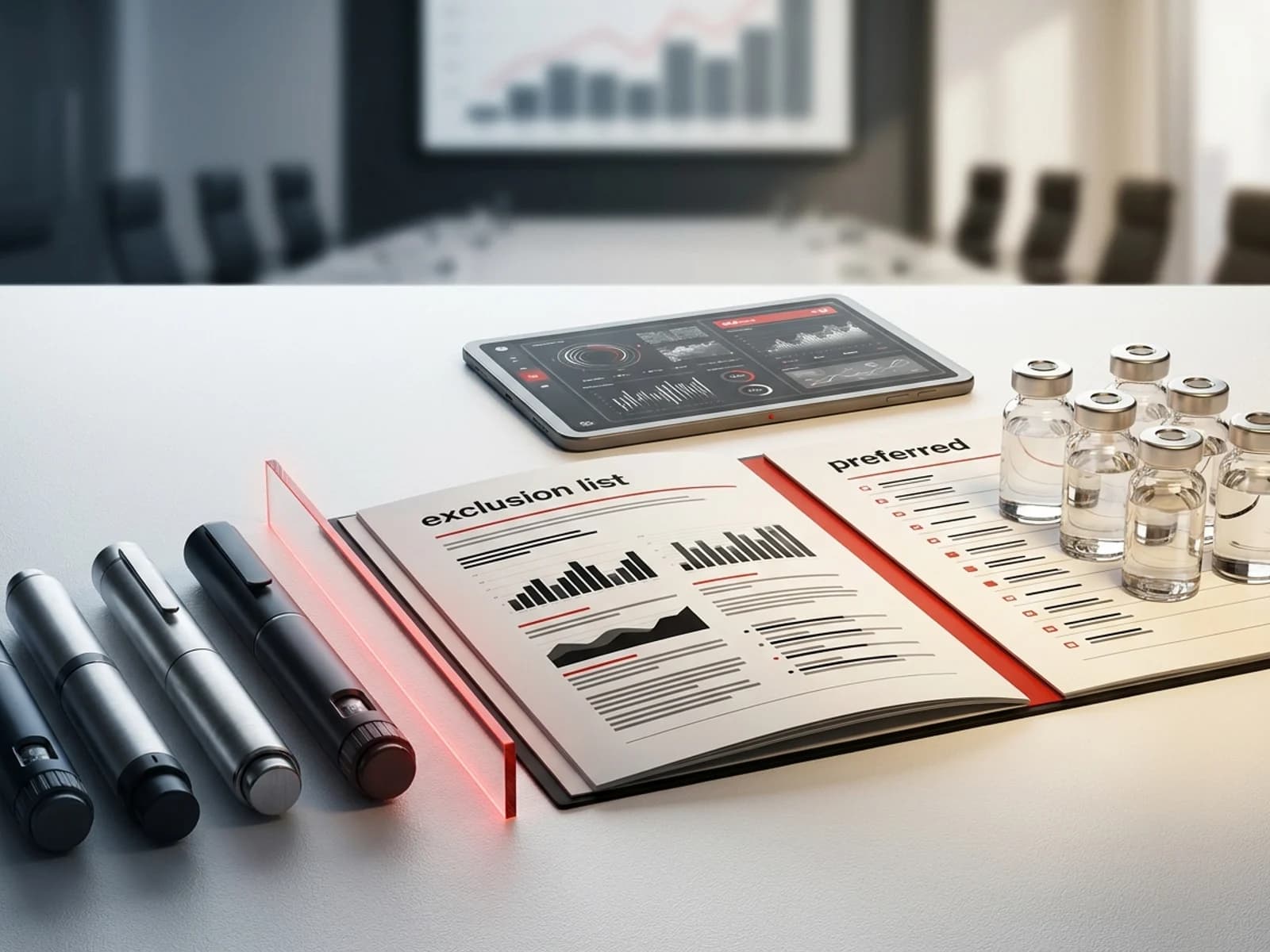
If covered, where will the oral formulation sit relative to injectables? Options include preferred status (lower copay, encouraging oral use), parity with injectables, or non-preferred status (requiring step therapy through an injectable first).
Will the plan require step therapy through an injectable GLP-1 before covering the oral? Some payers may require documented failure or intolerance of an injectable before approving an oral, similar to step therapy requirements already in place for injectable GLP-1s.
How will dose titration be managed? Orforglipron requires a titration schedule across six dosage strengths (0.8 mg through 17.2 mg) to mitigate gastrointestinal side effects. Plans need quantity limits aligned with the titration schedule.
2. Prior authorization criteria design
All major PBMs require prior authorization for GLP-1 weight management drugs. The Highmark medical assistance bulletin on GLP-1 prior authorization, effective March 2026, illustrates the documentation requirements that oral GLP-1s will inherit:
BMI documentation: Current BMI with supporting clinical records
Comorbidity evidence: Weight-related conditions such as hypertension, dyslipidemia, obstructive sleep apnea, or prediabetes
Prior weight management attempts: Documented history of lifestyle modification, behavioral interventions, or pharmacotherapy
Continuation criteria: Evidence of positive clinical response, typically at least 5% weight loss from baseline, at renewal
Payer teams should prepare PA criteria templates that cover oral GLP-1s specifically, accounting for:
Whether prior injectable GLP-1 trial is required before oral
Whether prior oral semaglutide trial (Rybelsus) counts as a step therapy prerequisite for diabetes patients
Continuation criteria that differ from injectables (weight loss thresholds, gastrointestinal tolerability)
3. Specialty pharmacy and distribution channel planning
Oral GLP-1s will not be confined to limited-distribution specialty pharmacies. Lilly's launch strategy for Foundayo included:
LillyDirect: Direct-to-consumer ordering with prescriptions accepted immediately and shipping beginning April 6, 2026
Amazon Pharmacy: Same-day delivery for eligible prescriptions
Retail pharmacy: Broad availability through U.S. retail pharmacies
Telehealth providers: Partnerships with Ro and other telehealth platforms
Payer teams should determine:
Mandated pharmacy network: Will the plan require patients to use a specific specialty pharmacy, or allow retail fulfillment?
Accumulator and maximizer applicability: Will copay assistance for oral GLP-1s be subject to copay accumulator or maximizer programs? The Triage Cancer 2026 Quick Guide noted that as of 2026, more than 25 states have passed laws that ban or limit copay accumulator programs, but these only apply to fully insured plans.
Copay card interaction: Lilly's $25-per-month commercial copay card has an annual maximum. Plans using accumulators will exhaust that maximum without advancing the patient's deductible.
4. Employer group communication and benefit election
Because GLP-1 weight management coverage is employer-elected in most commercial plans, payer teams must communicate with employer groups before launch:
Cost modeling: Provide budget impact projections for oral GLP-1 coverage, including utilization assumptions based on the expanded oral-eligible population.
Benefit design options: Present tier options (covered vs. excluded; preferred vs. parity vs. non-preferred), prior authorization requirements, and step therapy configurations.
Plan-year timing: Many employer groups make formulary decisions during Q3-Q4 for the following plan year. Oral GLP-1 approvals occurring mid-plan-year (like Foundayo in April 2026) may not be addressable until the next renewal cycle unless the PBM offers a mid-year formulary update.
5. Medicare Part D bridge planning
Lilly announced that eligible Medicare Part D beneficiaries may access Foundayo for $50 per month beginning as early as July 1, 2026, through the Medicare GLP-1 Bridge demonstration program, a short-term CMS demonstration running through December 31, 2027. Payer teams managing Part D formularies should:
Confirm whether their Part D plan is participating in the BALANCE Model bridge
Prepare formulary submissions for oral GLP-1s under the obesity indication, which historically was excluded from Part D coverage
Monitor CMS guidance on Part D coverage of weight management drugs, which has been evolving since the IRA restructured the benefit
Set up PA criteria appropriate for Medicare beneficiaries, who may have different comorbidity profiles than commercial patients
6. Pipeline surveillance for the next oral GLP-1
Orforglipron is the first-to-market oral GLP-1 for obesity, but it will not be the last:
Aleniglipron (Structure Therapeutics): Phase 2 ACCESS study met primary and key secondary endpoints; the company expects to advance to Phase 3 in the second half of 2026, as reported by Zacks Equity Research.
Ozempic 25 mg oral tablets (Novo Nordisk): Supplemental NDA filed for type 2 diabetes; FDA decision expected by end of 2026, per Prime Therapeutics' May 2026 pipeline update.
Orforglipron for T2DM: Lilly plans to submit orforglipron for type 2 diabetes treatment in Q2 2026 under the CNPV pilot program, with potential FDA approval in late 2026.
Payer teams should establish a pipeline monitoring process that tracks Phase 3 readouts, FDA filing dates, and expected approval timelines for each oral GLP-1 candidate, so formulary decisions are proactive rather than reactive.
Post-launch operational readiness
Claims adjudication and NDC setup
Oral GLP-1s will bill under NDC codes rather than J-codes. Payer claims systems must be configured to:
Recognize the new NDCs at each dosage strength
Apply quantity limits aligned with the titration schedule
Route claims through the correct benefit (pharmacy, not medical)
Flag claims for PA review when required
Monitoring early utilization patterns
In the first 90 days after launch, payer teams should track:
Prescriber mix: What percentage of prescriptions come from primary care versus endocrinology versus obesity medicine specialists?
Fill rates and abandonment: How many PA-approved prescriptions are actually filled? Are patients following through on the titration schedule?
Step therapy compliance: Are patients who were required to try an injectable first completing the step therapy requirement, or are they abandoning therapy?
Copay card utilization: What percentage of patients are using manufacturer copay assistance? How does this interact with accumulator and maximizer programs?
Weight outcomes: Early weight-loss data from pharmacy claims (fill continuation rates as a proxy for persistence) can inform formulary committee reviews.
Mid-year formulary adjustment readiness
CVS Caremark's removal of the new-to-market block on Foundayo effective June 1, 2026 illustrates how quickly formulary decisions can change after launch. Payer teams should have a process for evaluating post-launch evidence and adjusting formulary position within 6 months rather than waiting for the next plan year.
Sources
Eli Lilly and Company, "FDA Approves Lilly's Foundayo (orforglipron)." https://investor.lilly.com/news-releases/news-release-details/fda-approves-lillys-foundayotm-orforglipron-only-glp-1-pill
CVS Health, "CVS Caremark Delivers Affordability and Access to GLP-1 Weight Management Medications." https://www.cvshealth.com/news/company-news/cvs-caremark-delivers-affordability-and-access-to-glp-1-weight-management-medications-with-expanded-coverage-options.html
CVS Caremark, "2026 GLP-1 Outlook Insights Report." https://business.caremark.com/content/dam/enterprise/business-caremark/insights/pdfs/2026/2026_glp1_insights_report.pdf
Prime Therapeutics, "GLP-1 Pipeline Update: May 2026." https://www.primetherapeutics.com/glp-1-pipeline-update-may-2026
Pharmacy Times, "Oral GLP-1 Orforglipron Is Approved for Obesity." https://www.pharmacytimes.com/view/oral-glp-1-orforglipron-approved-for-obesity
IntuitionLabs, "GLP-1 Market Access: PBM Prior Auth and First-Fill Metrics." https://intuitionlabs.ai/articles/glp-1-pbm-market-access-prior-authorization-benchmarks
NFP, "2026 Outlook: Pharmacy Benefits." https://www.nfp.com/insights/2026-outlook-pharmacy-benefits
Optum Rx, "A Simpler GLP-1, Plus Big-Market Launches, Spring 2026 Notable New Drugs Report." https://business.optum.com/en/insights/notable-new-drugs-report-spring-2026.html
Premera Blue Cross, "2026 Formulary Newsletter." https://www.premera.com/documents/070855_022026.pdf
Triage Cancer, "Quick Guide to Co-pay Accumulators and Maximizers, 2026." https://triagecancer.org/wp-content/uploads/2026/03/2026-Quick-Guide-to-Co-pay-Accumulators-and-Maximizers-Alternative-Funding-Programs.pdf
Highmark, "Prior Authorization of GLP-1 Receptor Agonists — Pharmacy Services, March 2026." https://providers.highmark.com/content/dam/highmark/en/providerresourcecenter/wholecare/documents/pdfs/resource-centers/medical-assistance-bulletins/mab-prior-auth-GLP-1-receptor-agonists.pdf
Innovative Rx Strategies, "2026 Pharmacy Benefits: 5 Trends You Need to Know." https://innovativerxstrategies.com/2026-pharmacy-benefits-5-trends-you-need-to-know
Zacks Equity Research, "LLY Launches GLP-1 Pill, Expands Access Through Pharmacy Partnerships." https://finance.yahoo.com/sectors/healthcare/articles/lly-launches-glp-1-pill-160900917.html
FDA, "Novel Drug Approvals for 2026." https://www.fda.gov/drugs/novel-drug-approvals-fda
Federal Register, "Medicare and Medicaid Programs; Interoperability Standards and Prior Authorization (Proposed Rule, April 2026)." https://www.federalregister.gov/documents/2026/04/14/2026-07205/medicare-and-medicaid-programs-patient-protection-and-affordable-care-act-interoperability-standards