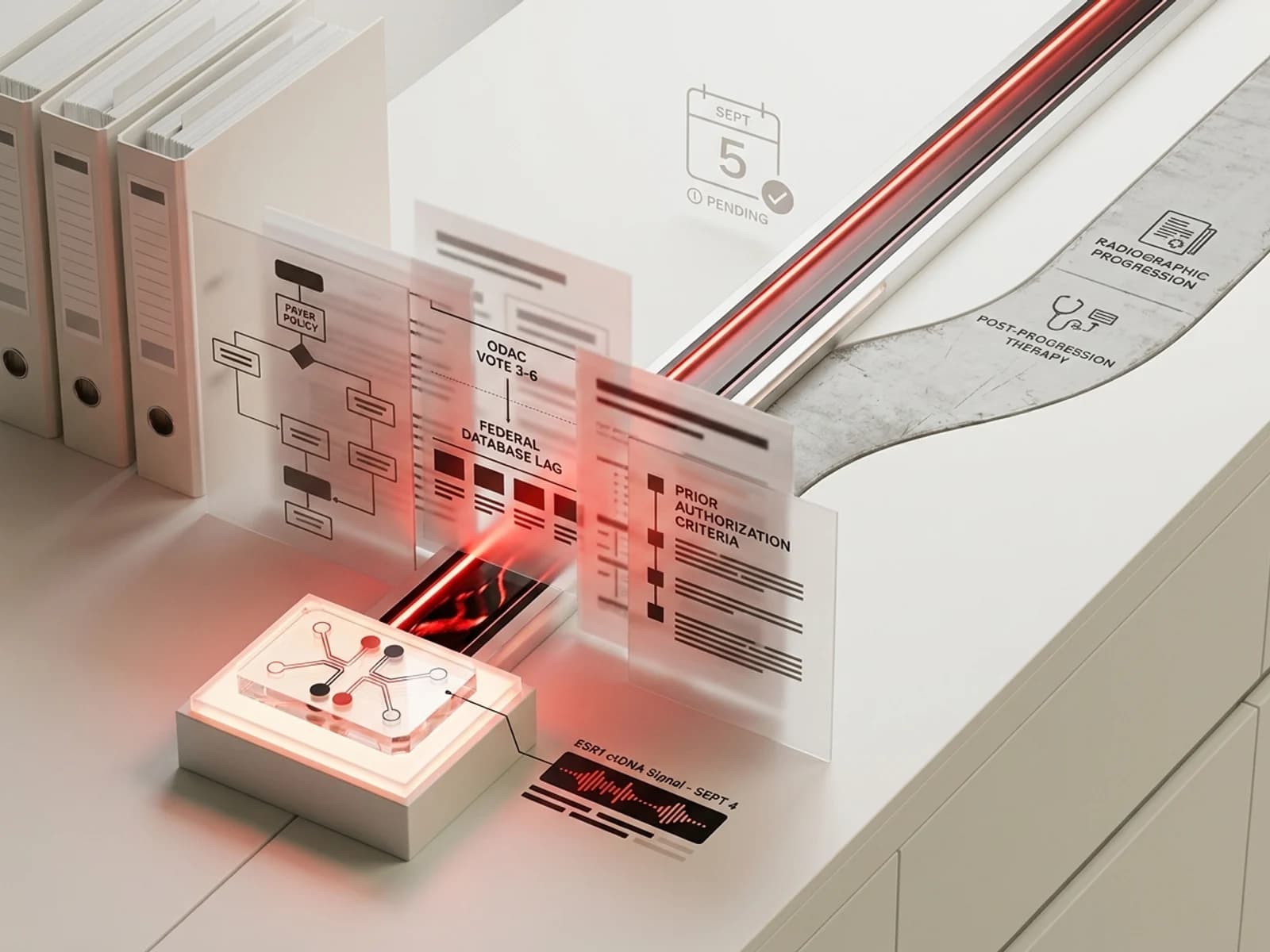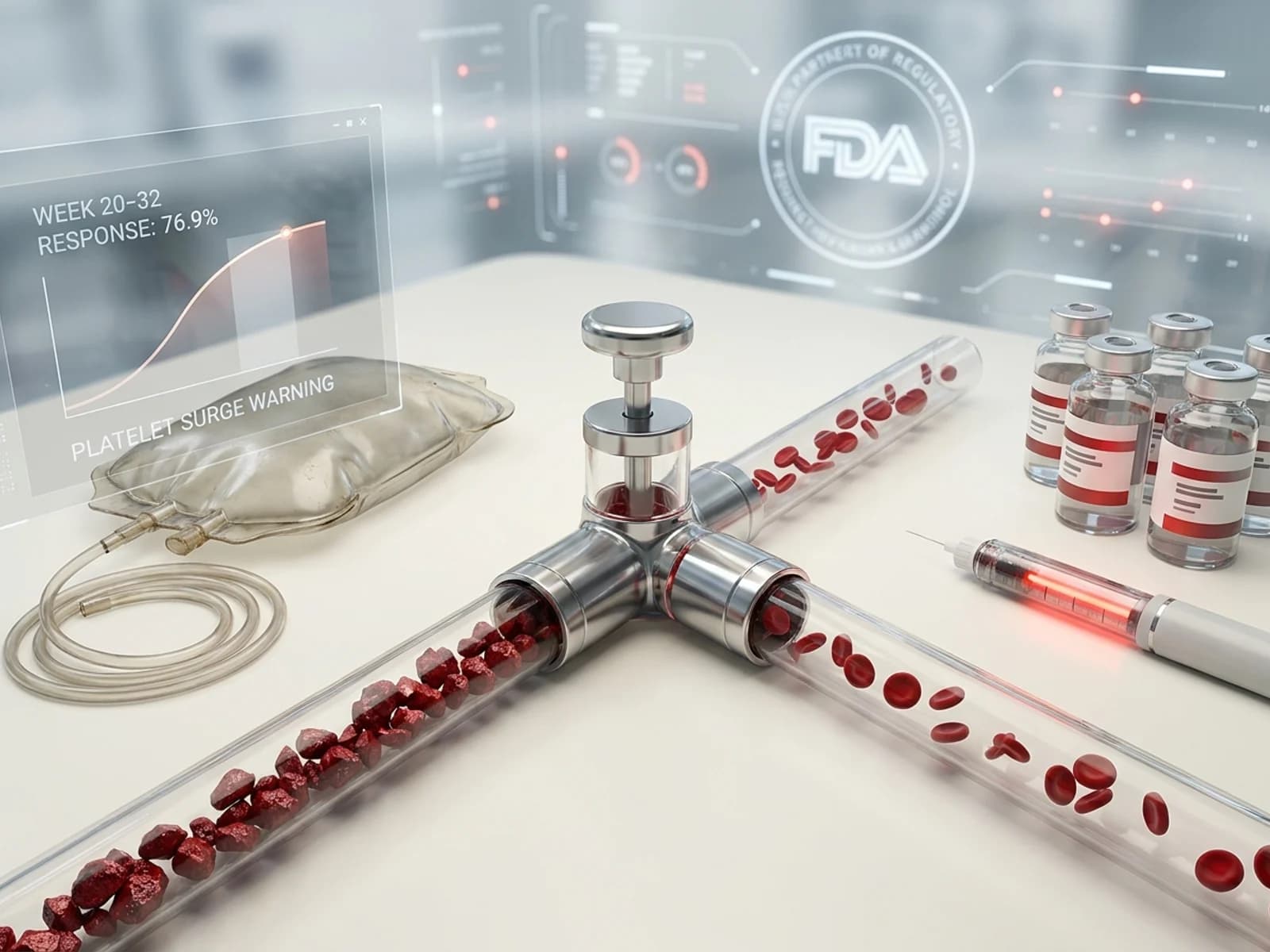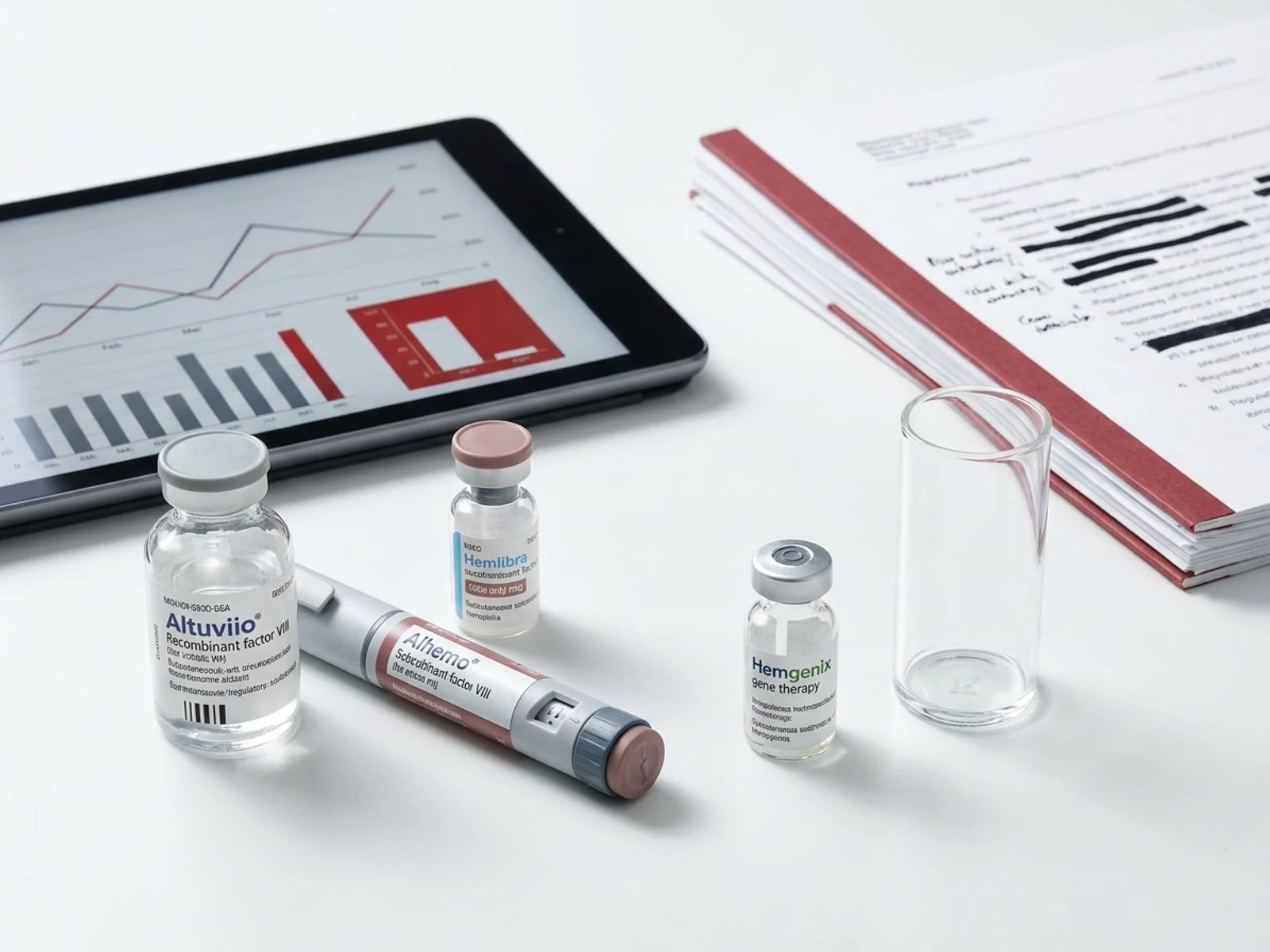
The market access and reimbursement dynamics of the hemophilia therapeutic space in 2026 are undergoing a profound recalibration. Historically characterized by expensive, life-long clotting factor replacement infusions, the hemophilia landscape has seen the introduction of subcutaneous bispecific antibodies, monthly small interfering RNA (siRNA) therapies, and one-and-done adeno-associated virus (AAV) gene therapies. However, the commercial reality of these innovations has diverged sharply from their clinical efficacy. While one-time gene therapies promised to cure the disease and eliminate the need for ongoing prophylaxis, the structural realities of the U.S. healthcare payment system, patient eligibility constraints, and provider reimbursement friction have erected high barriers. The most visible consequence of these barriers is the voluntary market exit of the first approved hemophilia A gene therapy, representing a milestone in the commercial history of cell and gene therapies (CGT).
This specialty access guide provides an in-depth analysis of the 2026 hemophilia A and B landscape. By examining the commercial withdrawal of BioMarin's Roctavian, the ongoing positioning of CSL Behring's Hemgenix, and the competitive dynamics between surviving prophylaxis options—including Sanofi’s once-weekly factor Altuviiio, Roche’s market-leading Hemlibra, and Novo Nordisk’s subcutaneous pen Alhemo—we map the clinical, billing, and prior-authorization criteria defining patient access.
Quick Answer
What is the scenario question? After BioMarin withdrew Roctavian (Feb 2026), what are the realistic 2026 prophylaxis options for a hemophilia A or B patient—and how do Altuviiio, Hemlibra, Alhemo, Hemgenix, and the now-withdrawn Roctavian compare on access, J-codes, and price?
Direct Answer: Following the voluntary commercial withdrawal of BioMarin’s Roctavian (valoctocogene roxaparvovec-rvox, BLA 125720) on February 23, 2026, there are no longer any hemophilia A gene therapies active on the U.S. market. Roctavian’s exit was driven by commercial and access failure (generating just $36 million in 2025 sales and leading to a $240 million Q4 write-down), rather than safety or clinical durability issues (which showed 81.3% of patients remained off prophylaxis at five years). Consequently, CSL Behring’s Hemgenix (etranacogene dezaparvovec-drlb, BLA 125772) stands as the sole on-market hemophilia gene therapy, restricted to Hemophilia B and posting stable growth to $92 million in CSL's FY2025. For the vast majority of patients requiring prophylaxis, the landscape is dominated by:
Altuviiio (efanesoctocog alfa, BLA 125771): A weekly intravenous factor VIII therapy (FY2025 sales €1.160 billion, billed under J7214) with a CMS Average Sales Price (ASP) of $1.973 per IU (equivalent to an annual cost of ~$380,000 for a 74kg patient, compared to its WAC of ~$900,000).
Hemlibra (emicizumab-kxwh, BLA 761083): A subcutaneous bispecific antibody (Genentech) holding an approximate 36% market share.
Alhemo (concizumab-mtci, Novo Nordisk): A daily subcutaneous pen approved for patients with and without inhibitors (expanded July 31, 2025), carrying a Wholesale Acquisition Cost (WAC) of $10,320 per 60mg pen.
Medicare provides no National Coverage Determination (NCD) for hemophilia gene therapies, and they are excluded from the CMS Cell and Gene Therapy (CGT) Access Model (which is limited to sickle cell disease). Coverage is managed case-by-case under the medical benefit with strict prior authorization requiring treatment at a certified Comprehensive Hemophilia Treatment Center (HTC).
| Prophylaxis / Treatment Option | Route & Dosing Frequency | BLA / NDA & Manufacturer | HCPCS Billing Code | Key Cost / Pricing Metrics (U.S.) | Payer Access & Prior Authorization Gates |
|---|---|---|---|---|---|
| Altuviiio (efanesoctocog alfa) | Intravenous (IV), Once Weekly | BLA 125771 (Sanofi/Bioverivativ) | J7214 (per FVIII IU) | CMS ASP: $1.973 / IU Introduction WAC: $4.733 / IU | Diagnosis of severe Hemophilia A (FVIII <1%). Requires HTC care coordination. Clotting factor furnishing fee of $0.265 / unit applies in CY2026. |
| Hemlibra (emicizumab-kxwh) | Subcutaneous (SC), Once Weekly, Bi-weekly, or Q4W | BLA 761083 (Genentech) | J7170 (per 0.5 mg) | Brand WAC: $115.80 / mg (Annual cost ~$450,000) | Hemophilia A with or without FVIII inhibitors. First-line prophylaxis established clinical option. |
| Alhemo (concizumab-mtci) | Subcutaneous (SC), Once Daily (Pen) | BLA 761315 (Novo Nordisk) | J3490 / J3590 (Miscellaneous) | Brand WAC: $10,320 per 60mg pen; $51,600 per 300mg pen | Hemophilia A or B (age 12+) without inhibitors. Requires daily adherence monitoring. |
| Hemgenix (etranacogene dezaparvovec) | Intravenous (IV), One-time Infusion | BLA 125772 (CSL Behring) | J1411 (per dose) | Brand WAC: $3.5 Million | Hemophilia B (FIX ≤2% or severe bleed history). Requires negative AAV5 antibody test, liver health check, and HTC infusion. |
| Roctavian (valoctocogene roxaparvovec) | Intravenous (IV), One-time Infusion | BLA 125720 (BioMarin) | J1412 (per dose) | Brand WAC: $2.9 Million | Withdrawn Feb 23, 2026; available only through end of May 2026 for pre-cleared patients. |
Who this is for
Payers and Pharmacy Benefit Managers (PBMs): Drafting medical policies, establishing prior authorization criteria for gene therapies vs. subcutaneous factor alternatives, and structuring outcomes-based risk-sharing agreements.
HTC Directors and Clinical Pharmacists: Managing billing workflows, coordinating Part B Average Sales Price (ASP) drug acquisition, and tracking clotting-factor furnishing fee claims.
Hematologists and Patient Coordinators: Navigating therapeutic transitions for patients seeking subcutaneous prophylaxis and evaluating AAV antibody eligibility.
Biopharma Executives and Policy Advisors: Studying the commercial barriers to gene-therapy commercialization, analyzing drug-pricing legislation, and monitoring cell and gene therapy (CGT) Medicaid models.
Methodology
The clinical trial outcomes, manufacturer press releases, and financial statements cited in this landscape report are sourced directly from BioMarin Pharmaceutical Inc., CSL Behring, Sanofi S.A., and Novo Nordisk A/S. Regulatory milestones, reference product exclusivity periods, and biological licensing parameters are compiled from the FDA Purple Book. Small-molecule and siRNA approvals are cross-referenced with the FDA Orange Book. Billing codes, Medicare Part B drug pricing files, and clotting-factor furnishing fee schedules are extracted from the CMS Average Sales Price (ASP) billing resources. Payer medical policies are compiled from representative commercial and Medicare Advantage plans (including Mass General Brigham, Point32Health, Johns Hopkins Medicine, and MVP Health Care).
For deeper corporate context, see the Sanofi portfolio dossier; for Medicaid value-based contracting, see Medicaid best-price and value-based drug contracts; and for accelerated approval timelines, see the accelerated-approval postmarketing-requirement tracker.
Why did BioMarin withdraw Roctavian, and what does it mean for hemophilia A gene therapy?
The voluntary commercial withdrawal of Roctavian (valoctocogene roxaparvovec-rvox) on February 23, 2026 stands as a defining event in the history of advanced therapeutics. BioMarin’s decision to remove the product from the U.S. and European markets represents a commercial, rather than clinical, failure:
The Commercial Deflation: Despite FDA approval in June 2023, Roctavian struggled to capture commercial volume, generating just $36 million in global sales in 2025 (up from $26 million in 2024). In Q4 2025, BioMarin took a $240 million restructuring and write-down charge, which included $119 million in write-offs for unsellable inventory and $118 million in asset impairments. To prevent ongoing operating losses, the company officially pulled the plug. Roctavian remained available in the U.S., Germany, and Italy only through the end of May 2026 to accommodate patients who had already initiated the pre-infusion screening process.
The Clinical Contrast: Roctavian’s failure was not due to a lack of efficacy. Long-term Phase III data presented at the International Society on Thrombosis and Haemostasis (ISTH) 2025 congress demonstrated that at five years post-infusion, 81.3% of treated patients remained completely off prophylaxis. The mean annualized bleeding rate (ABR) was 0.6 bleeds per year (representing a 92% reduction from baseline), and 77.8% of patients had zero treated bleeds in year five, with a mean factor VIII expression level of 24.0 IU/dL (one-stage assay).
The Structural Barriers: Roctavian's commercial failure is attributed to three structural access barriers:
Eligibility Restrictions: Pre-existing antibodies against the AAV5 vector excluded up to 30-40% of patients from treatment.
Reimbursement Friction: The $2.9 million WAC price required payers to navigate multi-year, outcomes-based contracts. Because commercial insurers in the U.S. experience high annual member turnover (frequently 15-20%), payers were hesitant to pay a massive upfront cost when the long-term savings might accrue to a competitor plan.
Alternative Prophylaxis Satisfaction: Most patients with severe Hemophilia A were highly satisfied with their existing subcutaneous prophylaxis (Hemlibra), which has a favorable safety profile and requires only weekly or monthly administration, reducing their willingness to undergo a complex gene-therapy infusion requiring long-term immunosuppressive monitoring (corticosteroids) to manage liver transaminase elevations.
How does Hemgenix (hemophilia B gene therapy) survive where Roctavian failed?
In contrast to Roctavian's exit, CSL Behring’s Hemgenix (etranacogene dezaparvovec-drlb, licensed under BLA 125772) continues to maintain its position as the sole active hemophilia gene therapy on the market:
Commercial Growth: Hemgenix generated $92 million in sales in CSL's fiscal year 2025 (ended June 30, 2025), representing a 189% increase compared to its launch phase. CSL reports that over 50 U.S. patients have been commercially dosed, demonstrating a more successful payer and clinic integration.
Durability Profile: Long-term data presented at the American Society of Hematology (ASH) 2025 meeting confirmed that Hemgenix delivers durable factor IX expression through five years post-dosing, with patients maintaining a mean factor IX level of over 36% of normal.
Why Hemophilia B is Different: The clinical and commercial dynamics of Hemophilia B are structurally different from Hemophilia A:
Poor Alternatives: Prior to Hemgenix, Hemophilia B patients relied on frequent intravenous infusions of recombinant factor IX (such as Alprolix or Idelvion). Unlike Hemophilia A patients who have access to the highly convenient subcutaneous Hemlibra, Hemophilia B patients had no subcutaneous non-factor options until the recent daily pen Alhemo. This made the prospect of a one-time curative infusion far more attractive.
Stable Factor Expression: Clinically, Hemgenix has delivered more stable and predictable factor expression levels than Roctavian, with lower rates of transaminase elevation and a reduced need for prolonged corticosteroid therapy post-infusion.
CSL's Established Infrastructure: CSL Behring possesses a deep, specialized hematology infrastructure and has actively partnered with HTCs to offer customized outcomes-based contracts, agreeing to rebate a portion of the $3.5 million cost if a patient requires a return to factor prophylaxis within the first four years.
Altuviiio vs Hemlibra vs Alhemo: which prophylaxis option fits which patient in 2026?
For the vast majority of hemophilia patients who choose not to undergo gene therapy, the commercial prophylaxis market is highly competitive, divided between weekly IV factor, subcutaneous bispecific antibodies, and daily subcutaneous pens:
Altuviiio (The Factor Standard): Developed by Sanofi and Bioverivativ (BLA 125771), Altuviiio represents the high-water mark of factor VIII replacement. In the pivotal XTEND-1 trial, once-weekly Altuviiio prophylaxis delivered a mean ABR of 0.70, with 77% of patients experiencing zero bleeds. Because it maintains high factor VIII levels (>40% of normal for the majority of the week), Altuviiio is preferred for physically active patients or those with existing joint disease who require maximum hemostatic protection.
Hemlibra (The Incumbent Leader): Roche's Hemlibra (emicizumab-kxwh, BLA 761083) remains the market leader, holding approximately 36% of the Hemophilia A prophylaxis market and treating over 19,000 patients globally. Billed under HCPCS code J7170, Hemlibra’s once-weekly, bi-weekly, or once-monthly subcutaneous injection schedule provides stable, baseline bleed protection. While Altuviiio delivers higher peak factor levels, Hemlibra is the preferred choice for pediatric patients and those requiring maximum administration convenience.
Alhemo (The Daily Subcutaneous Pen): Novo Nordisk’s Alhemo (concizumab-mtci) has emerged as a key competitor. Approved in December 2024 for Hemophilia A/B with inhibitors, and expanded on July 31, 2025 to patients without inhibitors (ages 12 and older), Alhemo is a subcutaneous anti-tissue factor pathway inhibitor (anti-TFPI) monoclonal antibody. Administered daily via a prefilled pen, Alhemo is the first subcutaneous prophylaxis option available for both Hemophilia A and Hemophilia B patients, representing a significant threat to factor IX products in the Hemophilia B market.
Qfitlia (The Pipeline siRNA): Sanofi is actively launching Qfitlia (fitusiran, NDA N219019), an investigational once-monthly subcutaneous siRNA targeting antithrombin. Qfitlia is designed to restore hemostasis across both Hemophilia A and B, presenting a direct threat to daily Alhemo and weekly Hemlibra due to its less frequent dosing schedule.
What HCPCS J-codes, ASP/WAC prices, and CMS coverage rules apply to hemophilia gene therapy and factor?
Understanding the financial management of hemophilia requires navigating Part B Average Sales Price (ASP) drug files, HCPCS billing codes, and CMS coverage determinations.
Billing and Reimbursement Codes
For medical billing, providers submit claims using product-specific HCPCS codes. In 2026, the relevant codes are:
J1411: "Injection, etranacogene dezaparvovec-drlb, per therapeutic dose" (Hemgenix).
J1412: "Injection, valoctocogene roxaparvovec-rvox, per therapeutic dose" (Roctavian - withdrawn but active for historic claims).
J7214: "Injection, factor VIII/von Willebrand factor complex, recombinant (altuviiio), per FVIII IU" (Altuviiio).
J7170: "Injection, emicizumab-kxwh, 0.5 mg" (Hemlibra).
CMS Coverage and the CGT Access Model
A common misconception is that hemophilia gene therapies are covered under the CMS Cell and Gene Therapy (CGT) Access Model:
The Sickle Cell Restriction: The CMS CGT Access Model (launched in January 2025 to negotiate multi-state outcomes-based contracts for Medicaid beneficiaries) is restricted to sickle cell disease therapies (Casgevy and Lyfgenia). Hemophilia gene therapies are not included in this program.
No National Coverage Determination (NCD): Medicare has issued no NCD or Local Coverage Determination (LCD) for Hemgenix or Roctavian. Consequently, Medicare Administrative Contractors (MACs) and commercial payers evaluate coverage on a case-by-case basis under the medical benefit.
Clotting Factor Furnishing Fee: Under Medicare Part B, outpatient clotting factor infusions are eligible for a specialized furnishing fee to cover the pharmacy’s cost of mixing and delivery. For CY2026, the CMS clotting factor furnishing fee is $0.265 per unit (up from $0.258 in CY2025).
Pricing Analysis: WAC vs. ASP
Payer pharmacy teams track the spread between list price (WAC) and actual retail pharmacy acquisition costs (ASP/NADAC). For specialty factor and subcutaneous products, this spread represents a key contracting variable:
Altuviiio Pricing: Altuviiio carries an introductory WAC of $4.733 per FVIII IU. However, in the CMS Average Sales Price file, its Part B ASP stands at $1.973 per IU. For a 74kg patient receiving a standard prophylactic dose of 50 IU/kg once weekly (3,700 IU per week, 192,400 IU per year), the annual cost calculated at WAC is approximately $910,000, while the cost calculated at ASP is approximately $379,600. Payne and HTC teams must utilize the ASP-based calculation when modeling medical benefit budgets.
Alhemo Pricing: Novo Nordisk introduced Alhemo with a flat-pricing structure based on pen strength. The WAC for a 60mg/1.5mL prefilled pen stands at $10,320, while a 150mg/1.5mL pen is $25,800, and a 300mg/3mL pen is $51,600. Because anti-TFPI therapies are specialty drugs, they are distributed exclusively through specialty pharmacies and are not reported in the CMS retail NADAC price files.
What payer prior-authorization criteria gate access?
To manage the high financial exposure of hemophilia therapies, payers implement highly restrictive prior authorization (PA) criteria.
Prior Authorization Criteria for Hemgenix (Gene Therapy)
Payers approve Hemgenix only for patients meeting the exact parameters of its clinical trials and FDA label:
Clinical Diagnosis: Documented diagnosis of moderate-to-severe or severe Hemophilia B (defined as endogenous Factor IX activity level ≤2%, or a history of severe or recurrent spontaneous bleeding).
Age Limit: Patient must be 18 years of age or older.
Adeno-Associated Virus 5 (AAV5) Status: Documented negative test for pre-existing AAV5 neutralizing antibody titers (titers must be <1:5 or as defined by the approved companion diagnostic).
Liver Health Assessment: Documented baseline liver health check showing:
No active Hepatitis B or C infection.
No history of cirrhosis, portal hypertension, or advanced liver fibrosis (defined as FibroScan score ≥9 kPa or liver biopsy showing stage F3/F4).
Baseline ALT, AST, and total bilirubin levels <2 times the upper limit of normal (ULN).
Site of Care: Infusion must occur at a certified Comprehensive Hemophilia Treatment Center (HTC) equipped to manage acute infusion reactions and long-term transaminase monitoring.
Prior Authorization Criteria for Altuviiio and Hemlibra (Prophylaxis)
Prophylaxis criteria focus on verifying clinical need and preventing waste:
Diagnosis Verification: Documented diagnosis of severe Hemophilia A (Factor VIII activity level <1%), or moderate Hemophilia A with a documented history of frequent bleeding episodes.
HTCs Care Coordination: Prescribed by or in consultation with a board-certified hematologist affiliated with a Comprehensive HTC.
Quantity Limits: Payers enforce strict quantity limits based on the patient's weight and the FDA-approved dosing frequency (weekly for Altuviiio; weekly, bi-weekly, or monthly for Hemlibra), requiring annual re-certification with documented reduction in bleeding frequency.
FAQ
Is any hemophilia A gene therapy still on the US market in 2026?
No. Following the voluntary commercial withdrawal of BioMarin’s Roctavian on February 23, 2026, there are no active hemophilia A gene therapies marketed in the United States. While several candidates remain in early clinical development, patient options for hemophilia A are currently restricted to factor and non-factor prophylaxis.
What is Altuviiio's HCPCS J-code and approximate annual cost?
Altuviiio is billed under HCPCS code J7214 ("Injection, factor VIII/von Willebrand factor complex, recombinant (altuviiio), per FVIII IU"). The approximate annual cost of Altuviiio prophylaxis for a 74kg patient dosed at 50 IU/kg weekly is ~$379,600 when calculated using the CMS Part B Average Sales Price (ASP) of $1.973 per IU, compared to an annual cost of ~$910,000 when calculated at the brand's list price (WAC) of $4.733 per IU.
Does Medicare cover hemophilia gene therapy under the Cell and Gene Therapy Access Model?
No. The CMS Cell and Gene Therapy (CGT) Access Model, launched by the Center for Medicare and Medicaid Innovation (CMMI) in January 2025, is restricted to gene therapies for sickle cell disease (specifically Casgevy and Lyfgenia). It does not include hemophilia A or B gene therapies. Medicare beneficiaries access Hemgenix via case-by-case medical benefit reviews.
Sources
BioMarin Roctavian Withdrawal Announcement: BioMarin Voluntarily Withdraws ROCTAVIAN from the Market, BioMarin Press Release, February 23, 2026. BioMarin News.
FDA Purple Book Biologic Registry: Database of Licensed Biological Products, U.S. Food and Drug Administration, Snapshot July 8, 2026. FDA Purple Book.
CMS Average Sales Price (ASP) Files: Medicare Part B Drug Average Sales Price Price Files, Centers for Medicare & Medicaid Services, April 2026. CMS Part B Pricing.
Novo Nordisk Alhemo Expanded FDA Approval: FDA Approves Alhemo (concizumab-mtci) for Hemophilia A or B Without Inhibitors, Novo Nordisk Press Release, July 31, 2025. Novo Nordisk News.
Sanofi Altuviiio Commercial Sales: Full-Year 2025 Financial Results, Sanofi Press Release, January 29, 2026. Sanofi Press.
BioMarin Q4 2025 Restructuring Charges: SEC Form 10-K for the Fiscal Year Ended December 31, 2025, BioMarin Pharmaceutical Inc., Filed February 2026.
CSL Behring Hemgenix Sales Growth: CSL Behring Q4/FY2025 Financial Results and Corporate Presentation, CSL Behring, August 2025.
Vermont Attorney General Drug Pricing Disclosures: 30-Day Notice of New Drug Introduction, Novo Nordisk Inc., Filed March 2025.
Altuviiio Cost-Effectiveness Studies: Cost-Effectiveness of Once-Weekly Efanesoctocog Alfa for Severe Hemophilia A Prophylaxis, National Center for Biotechnology Information, PMC12170149. PubMed Central.
MVP Health Care Medical Policy: Medicare Part B Hemophilia Gene Therapy, MVP Health Care Medical Policy, Effective January 2026. MVP Policy Document.