Eylea (aflibercept, Regeneron/Bayer) is a VEGF inhibitor administered by intravitreal injection for retinal vascular diseases including wet age-related macular degeneration (AMD), diabetic macular edema (DME), diabetic retinopathy (DR), macular edema following retinal vein occlusion (RVO), and retinopathy of prematurity (ROP). US biosimilar approvals began in May 2024, and six biosimilars are now FDA-approved. Two carry the interchangeable designation.
This reference-product dossier is for retina specialists, ophthalmology pharmacists, practice administrators, and payer professionals who need to track which aflibercept biosimilars are available or launching, how payers are covering them, and what substitution rules apply.
FDA-approved biosimilars
As of May 2026, six biosimilars referencing Eylea have been approved by the FDA:
| Biosimilar | Nonproprietary name | Manufacturer | FDA Approval | Interchangeable | US Launch |
|---|---|---|---|---|---|
| Yesafili | aflibercept-jbvf | Biocon Biologics / Viatris | May 2024 | Yes | H2 2026 (settled) |
| Opuviz | aflibercept-yszy | Samsung Bioepis / Biogen | May 2024 | Yes | Jan 2027 (settled) |
| Ahzantive | aflibercept-mrbb | Formycon / Klinge Biopharma | Jun 2024 | No | Q4 2026 (settled) |
| Enzeevu | aflibercept-abzv | Sandoz | Aug 2024 | Provisionally | Q4 2026 (settled) |
| Pavblu | aflibercept-ayyh | Amgen | Aug 2024 | No | Oct 2024 (launched) |
| Eydenzelt | aflibercept-boav | Celltrion | Oct 2025 | No | Dec 31, 2026 (settled) |
Interchangeability
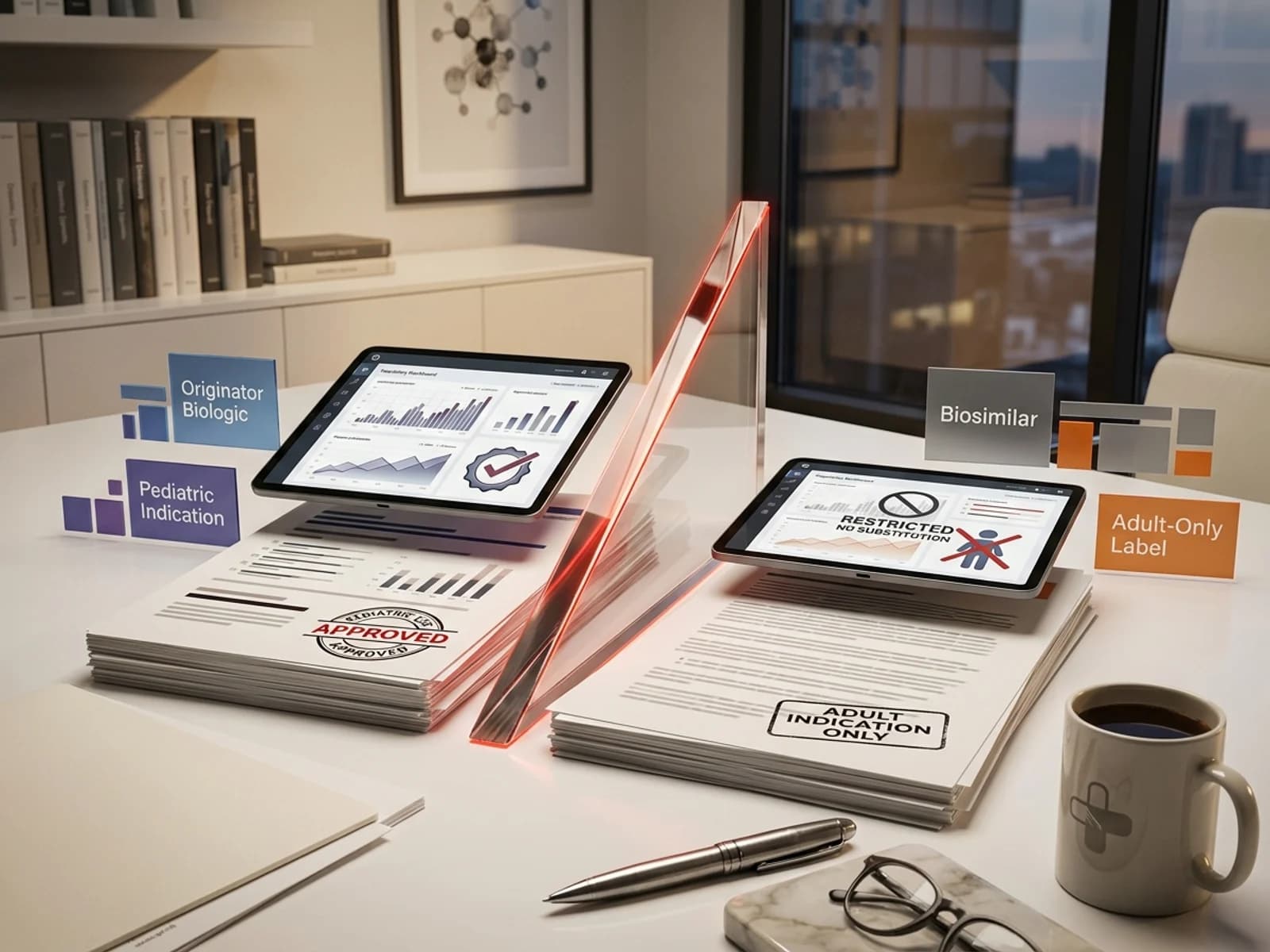
Two biosimilars — Yesafili and Opuviz — carry the FDA interchangeable designation, meaning they may be substituted for Eylea at the pharmacy level without prescriber intervention in states that permit it. Enzeevu received provisional interchangeable status.
The remaining three biosimilars — Ahzantive, Pavblu, and Eydenzelt — are approved as biosimilars but do not carry the interchangeable designation. They can be dispensed when a prescription is written specifically for the biosimilar but cannot be automatically substituted for Eylea by a pharmacist.
Indications
Yesafili, Opuviz, Ahzantive, Enzeevu, and Eydenzelt are approved for the same indications as Eylea 2 mg:
Neovascular (wet) age-related macular degeneration (AMD)
Macular edema following retinal vein occlusion (RVO)
Diabetic macular edema (DME)
Diabetic retinopathy (DR)
Pavblu was approved with a "skinny label" that includes AMD, macular edema following RVO, DME, and DR, but carves out retinopathy of prematurity (ROP).
None of the biosimilars are approved for Eylea HD (aflibercept 8 mg), which is a separate dosage strength with its own regulatory approvals.
Administration
All biosimilars are administered intravitreally as a 2 mg (0.05 mL of 40 mg/mL) injectable solution, matching the Eylea 2 mg dosing regimen.
Patent settlements and launch timelines
Regeneron has been involved in BPCIA patent litigation with each biosimilar manufacturer. Settlement dates define when each biosimilar may commercially launch in the United States:
Pavblu (Amgen): Launched October 2024, the first aflibercept biosimilar available in the US market. Regeneron subsequently filed additional infringement claims, but the product remains on market.
Yesafili (Biocon): Settlement reached April 2025, with a US launch date in the second half of 2026 or earlier under certain conditions.
Ahzantive (Formycon): Settlement reached September 2025, with a licensed entry date of Q4 2026.
Enzeevu (Sandoz): Settlement reached September 2025, with a licensed entry date of Q4 2026.
Eydenzelt (Celltrion): Settlement reached October 2025, with a licensed entry date of December 31, 2026.
Opuviz (Samsung Bioepis): Settlement reached February 2026, with a licensed entry date of January 2027.
HCPCS coding and billing
Aflibercept products are administered in physician offices and outpatient settings. HCPCS coding:
| Product | HCPCS Code | Description |
|---|---|---|
| Eylea 2 mg | J0178 | Injection, aflibercept, 1 mg |
| Eylea HD 8 mg | J0177 | Injection, aflibercept hd, 1 mg |
| Pavblu | Q5147 | Injection, aflibercept-ayyh (Pavblu), biosimilar, 1 mg |
Additional Q-codes are expected to be assigned for the remaining biosimilars as they approach US launch. Pavblu's Q5147 code became effective April 1, 2025.
Note: Eylea biosimilars are coded per 1 mg unit, not per injection. A standard 2 mg dose is billed as 2 units of the applicable code.
Payer and health system coverage
Commercial insurance
Coverage policies for ophthalmic VEGF inhibitors are evolving rapidly as biosimilars launch:
Blue Shield of California: Covers aflibercept (Eylea) and Pavblu under its medical benefit drug policy for nAMD, DME, DR, and ME following RVO. Prior authorization is required. Dosing is limited to 2 mg every 25 days.
UnitedHealthcare: Clinical policy covers ophthalmologic VEGF inhibitors including Eylea, Eylea HD, and Pavblu. Prior authorization applies.
FEP Blue: Covers Eylea and all six biosimilars (Yesafili, Opuviz, Ahzantive, Enzeevu, Pavblu, Eydenzelt) under its Ophthalmic VEGF Inhibitors policy, effective January 2026.
Molina Healthcare: Covers Eylea, Eylea HD, and Pavblu under its aflibercept coverage criteria (policy C5674-A), updated October 2025.
Medicare
Aflibercept injections are covered under Medicare Part B when administered in a clinical setting. Biosimilars are reimbursed at the biosimilar ASP plus 6%. As more biosimilars launch and compete, the ASP is expected to decline, reducing both provider reimbursement and patient coinsurance.
Site-of-care considerations
Intravitreal injections are overwhelmingly administered in physician offices (retina specialists) and outpatient ophthalmology clinics. Unlike infused oncology biologics, there is limited buy-and-bill spread management because the acquisition cost is directly tied to ASP reimbursement. The financial incentive to switch to biosimilars comes primarily from:
Lower patient coinsurance (20% of a lower ASP)
Payer step-therapy or preferred-product requirements
Health system cost-reduction targets
Price and market context
Eylea 2 mg had a wholesale acquisition cost (WAC) of approximately $1,942 per injection as of Q4 2025. Pavblu launched at a discount to branded Eylea. The Q4 2025 average sales price (ASP) for the aflibercept category reflects the beginning of price competition:
Lucentis (ranibizumab): ASP approximately $1,456 (reference product, already facing biosimilar competition from Byooviz and Cimerli)
Eylea (aflibercept): ASP approximately $1,707
Pavblu (aflibercept biosimilar): ASP data accumulating
As five additional biosimilars enter the market between H2 2026 and Q1 2027, price erosion is expected to accelerate. The global aflibercept biosimilar market was valued at approximately $2.8 billion in 2025 and is projected to reach $9.6 billion by 2034.
What changed recently
Pavblu launch (October 2024): Amgen became the first company to commercially launch an aflibercept biosimilar in the US, approximately two months after FDA approval. Regeneron subsequently filed additional patent infringement claims, but the product remains available.
Opuviz settlement (February 2026): Samsung Bioepis/Biogen settled with Regeneron, establishing a January 2027 US entry date for the second interchangeable biosimilar.
Eydenzelt approval (October 2025): Celltrion received FDA approval for the sixth aflibercept biosimilar, with a US launch date of December 31, 2026 per its patent settlement.
Pipeline entrants: Alvotech/Teva (AVT06) and Fresenius Kabi/Sam Chun Dang (SCD-411) have BLAs accepted by FDA, with approval decisions expected. These could add further competition in 2027+.
What to monitor next
Biosimilar launch wave (H2 2026 – Q1 2027): Five additional biosimilars (Yesafili, Ahzantive, Enzeevu, Eydenzelt, Opuviz) are scheduled to launch in quick succession. Monitor payer formulary positioning and whether any plans move to biosimilar-preferred or biosimilar-only policies.
ASP convergence and price erosion: With six competing biosimilars on the market by early 2027, track quarterly ASP data for evidence of price convergence and the rate of erosion relative to branded Eylea.
Eylea HD conversion: Regeneron has been actively promoting Eylea HD (8 mg), which offers longer dosing intervals. Monitor whether the availability of cheaper 2 mg biosimilars slows the conversion to Eylea HD or whether payers impose step-therapy requirements favoring 2 mg biosimilars first.
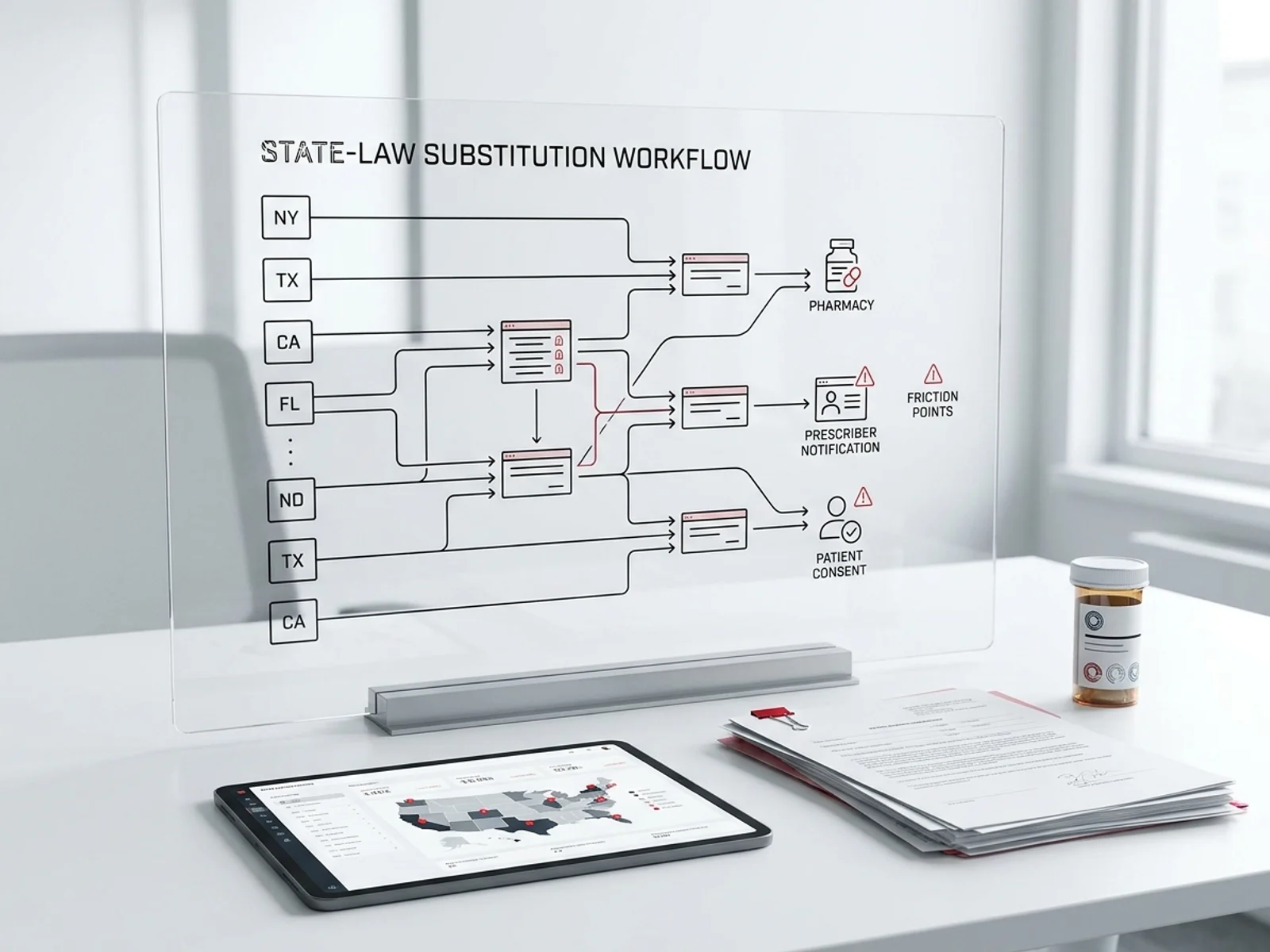
Interchangeability impact in ophthalmology: Unlike pharmacy-benefit drugs, ophthalmology injections are administered in-office by the treating physician. The interchangeable designation may have limited practical impact on substitution, since the physician selects and purchases the product. Track whether state substitution laws or payer mandates create any operational differences between interchangeable and non-interchangeable biosimilars.
New entrant approvals: The Alvotech/Teva and Fresenius Kabi/Sam Chun Dang aflibercept BLAs are pending. Additional approvals would further fragment the market and increase pricing pressure.
Sources
FDA — FDA Approves First Interchangeable Biosimilars to Eylea to Treat Macular Degeneration and Other Eye Conditions, May 2024. https://www.fda.gov/drugs/news-events-human-drugs/fda-approves-first-interchangeable-biosimilars-eylea-treat-macular-degeneration-and-other-eye
FDA Biosimilar Product Information. https://www.fda.gov/drugs/biosimilars/biosimilar-product-information
Fish & Richardson — 2025 Biologics & Biosimilars Landscape: IP, Policy & Market Trends. https://www.fr.com/insights/thought-leadership/blogs/biologics-and-biosimilars-landscape-2025-ip-policy-and-market-developments
Biocon Biologics — Yesafili US Settlement Announcement. https://www.prnewswire.com/news-releases/biocon-biologics-secures-market-entry-date-for-yesafili
Drugs.com — Does Eylea Have a Biosimilar? Updated February 2026. https://www.drugs.com/medical-answers/eylea-have-biosimilar-3577184
Venable BiologicsHQ — Eylea Product Page. https://biologicshq.com/product/eylea
Sandoz Biosimilar Market Report, Q4 2025. https://biologicshq.com/wp-content/uploads/2026/01/SB-Biosimilar-Market-Report-Q4-2025.pdf
FEP Blue — Ophthalmic VEGF Inhibitors Policy 5.90.026, effective January 2026.
Blue Shield of California — Aflibercept Commercial Medical Benefit Drug Policy, effective April 2025.