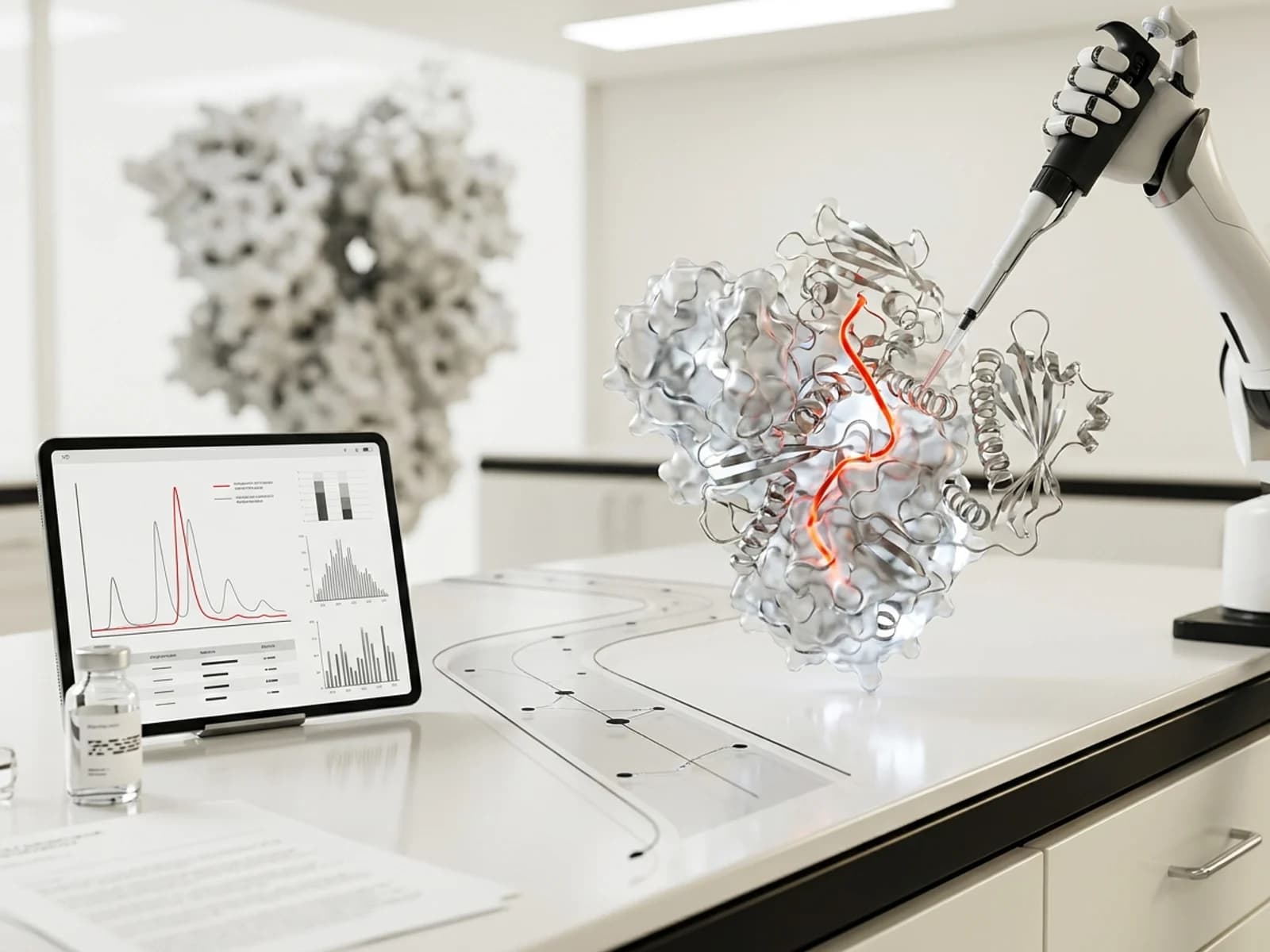
In January 2026, AEON Biopharma held a Biosimilar Biological Product Development (BPD) Type 2a meeting with the FDA to discuss analytical similarity for ABP-450 (prabotulinumtoxinA) injection — a proposed biosimilar to Botox (onabotulinumtoxinA). The FDA acknowledged the scientific challenges of characterizing a 900 kDa botulinum neurotoxin complex and provided constructive feedback supporting the company's analytical development approach. AEON plans to request a BPD Type 2b meeting in 2026 to advance the program.
The botulinum toxin market is estimated at over $7 billion globally in 2026, with AbbVie's Botox franchise commanding approximately 60% of the US neuromodulator market. Therapeutic indications — including chronic migraine, cervical dystonia, spasticity, overactive bladder, and blepharospasm — account for more than half of total botulinum toxin revenue. Yet this market has never seen a true biosimilar enter under the FDA's 351(k) pathway. That may be about to change.
This article maps the emerging biosimilar pathway for botulinum toxins, the competitive landscape of neurotoxin products, and the implications for pharmaceutical and regulatory teams tracking the next frontier of biosimilar competition. It is independent information and not investment or regulatory advice.
The botulinum toxin competitive landscape in 2026
Six botulinum toxin type A products are FDA-approved for aesthetic use in the United States. Several also hold therapeutic indications:
| Product | Nonproprietary name | Manufacturer | FDA aesthetic approval | Therapeutic indications | Median duration | Key differentiator |
|---|---|---|---|---|---|---|
| Botox / Botox Cosmetic | OnabotulinumtoxinA | AbbVie (Allergan) | 2002 | Chronic migraine, cervical dystonia, spasticity, overactive bladder, blepharospasm, hyperhidrosis, strabismus | 3–4 months | Gold standard; broadest label; ~60% US market share |
| Dysport | AbobotulinumtoxinA | Ipsen / Galderma | 2009 | Cervical dystonia, spasticity (pediatric lower limb, filed 2026) | 3–4 months | Faster onset (2–3 days); wider diffusion |
| Xeomin | IncobotulinumtoxinA | Merz Aesthetics | 2011 (aesthetic) | Cervical dystonia, blepharospasm | 3–4 months | "Naked toxin" — no accessory proteins; lower immunogenicity risk |
| Jeuveau | PrabotulinumtoxinA-xvfs | Evolus (Daewoong) | 2019 | Aesthetic only | 3–4 months | Aesthetic-only BLA; 20–30% lower price; produced by South Korea's Daewoong |
| Daxxify | DaxibotulinumtoxinA-lanm | Revance Therapeutics | 2022 (aesthetic); 2023 (cervical dystonia) | Cervical dystonia; aesthetic: glabellar lines (off-label use common for forehead lines and crow's feet) | 6 months (aesthetic) | Peptide-formulated; longer duration; no human/animal byproducts |
| Letybo | LetibotulinumtoxinA-wlbg | Hugel America | 2024 | Aesthetic only | 3–4 months | South Korea's #1 toxin; 1:1 dosing with Botox; price-competitive |
Botox remains dominant. The brand has been used for more than two decades in aesthetic medicine, with over 100 million vials distributed worldwide. But the competitive environment is intensifying. In 2023, cosmetic neuromodulator injections in the US reached 9,480,949 procedures, a 9% increase over the prior year, and the market is bifurcating into premium-duration products (Daxxify) and value-competitive entrants (Jeuveau, Letybo).
The 351(k) biosimilar pathway for botulinum toxin
Why a biosimilar approach matters
The existing neurotoxin competitors — Dysport, Xeomin, Jeuveau, Daxxify, Letybo — were each approved under separate BLA applications, not as biosimilars to Botox. This means each required its own full clinical development program, including independent efficacy and safety trials.
A biosimilar pathway under Section 351(k) of the Public Health Service Act would allow a sponsor to demonstrate that its product is "highly similar" to the reference product (Botox) with "no clinically meaningful differences," relying in part on analytical and functional characterization to reduce the scope of required clinical trials. If approved, a biosimilar could potentially receive approval for all 12 of Botox's currently approved therapeutic indications through extrapolation — a fundamentally different commercial proposition than launching one indication at a time.
AEON Biopharma's ABP-450 program
AEON Biopharma is developing ABP-450 (prabotulinumtoxinA) as a biosimilar to Botox under the 351(k) pathway. Key milestones:
| Milestone | Date | Outcome |
|---|---|---|
| Biosimilar Initial Advisory (BIA) meeting with FDA | Q3 2024 | FDA aligned on 351(k) pathway; constructive feedback on development approach |
| Commenced analytical studies | Q4 2024 | Comparative analytical assessment (CAA) studies initiated |
| BPD Type 2a meeting with FDA | January 21, 2026 | FDA reviewed analytical similarity strategy; acknowledged scientific challenges of 900 kDa neurotoxin complex; methodology deemed reasonable |
| Planned BPD Type 2b meeting | 2026 | Expected to discuss next development steps |
| Presented analytical comparability data at AHS | June 2026 | Data showing ABP-450 matches Botox structure and function; confirmed identical amino-acid sequencing and highly similar functional characteristics |
The program's strategic advantage is that prabotulinumtoxinA is already an approved active ingredient — it is the same molecule marketed as Jeuveau for aesthetic use by Evolus (under a separate BLA held by Daewoong Pharmaceutical). ABP-450 is manufactured by Daewoong Pharmaceutical in a facility that has been authorized by the FDA, Health Canada, and the EMA for the manufacture of botulinum toxin products. AEON's approach leverages this established manufacturing platform while pursuing therapeutic indications through the biosimilar pathway.
AEON's focus is exclusively on therapeutic indications — chronic migraine, cervical dystonia, spasticity, overactive bladder, and the rest of Botox's therapeutic label — rather than aesthetic use. This positioning aligns with payer and healthcare-system incentives, where biosimilar competition has historically driven meaningful price reductions and expanded patient access.
Scientific challenges
The FDA acknowledged in the January 2026 meeting that characterizing a 900 kDa botulinum neurotoxin complex presents substantial scientific challenges. Botulinum toxin type A is one of the largest and most complex biological molecules regulated by the FDA. Demonstrating analytical similarity requires:
Comprehensive structural and functional characterization of the 900 kDa complex
Potency assays that correlate with clinical outcomes
Demonstration that differences in manufacturing process do not affect safety or efficacy
Bridging the analytical package to the reference product's public and proprietary characterization data
This complexity is why no botulinum toxin biosimilar has yet been submitted to the FDA, despite the commercial attractiveness of the market.
The Korean neurotoxin connection
South Korean pharmaceutical companies are emerging as significant players in the global neurotoxin market:
Daewoong Pharmaceutical manufactures the active ingredient in Jeuveau (prabotulinumtoxinA), which is marketed in the US by Evolus
Hugel manufactures Letybo (letibotulinumtoxinA), the #1 neurotoxin brand in South Korea, which received FDA aesthetic approval in February 2024
Medytox and other Korean manufacturers are developing botulinum toxin products for Asian, Latin American, and European markets at price points 20–40% below originator brands
Korean neurotoxin manufacturers are following the same playbook that made South Korea the world's second-largest source of biosimilars: develop high-quality products for the domestic market, gain regulatory approval, then export to larger markets with competitive pricing. The parallel is not coincidental — the same regulatory infrastructure, CDMO expertise, and government support that enabled Korea's biosimilar boom is now being applied to neurotoxin development.
Next-generation neurotoxin products
Beyond biosimilar development, the botulinum toxin pipeline includes novel products:
| Product | Type | Developer | Status | Differentiator |
|---|---|---|---|---|
| TrenibotulinumtoxinE (TrenibotE) | Type E neurotoxin | Investigational | Preclinical / early clinical | Faster onset; shorter duration; "test-drive" neuromodulation |
| Relfydess | Type A (liquid, new strain) | Investigational | Under development | Ready-to-use liquid formulation; no reconstitution needed |
| Evolysse Sculpt | HA dermal filler | Evolus | FDA approved or pending | Improved tissue integration for mid-face volume |
Daxxify's peptide-formulation technology, which enables median 6-month duration versus 3–4 months for all other type A toxins, has established a new premium tier. The product received FDA approval for cervical dystonia in August 2023, and while its on-label aesthetic indication remains limited to glabellar lines, providers commonly use it off-label for forehead lines and crow's feet — demonstrating that both duration and label breadth are competitive battlegrounds.
Therapeutic access implications
Botulinum toxin access for therapeutic indications — as distinct from aesthetic use — involves distinct payer, coding, and coverage dynamics:
Therapeutic Botox is typically covered under medical benefit, billed using J-codes (J0585 for onabotulinumtoxinA), and reimbursed through buy-and-bill economics similar to other specialty injectables
Prior authorization is common for therapeutic botulinum toxin, particularly for chronic migraine (requiring documented failure of oral preventives) and spasticity (requiring documentation of functional impairment)
Access constraints include high per-unit cost, limited coverage for certain indications, and provider-administered requirements
Biosimilar entry for therapeutic indications could reduce per-unit costs, expand coverage, and create formulary competition in a category that has seen little price pressure
The therapeutic botulinum toxin market in the US exceeds $3 billion annually — a substantial commercial opportunity for any biosimilar sponsor that can navigate the analytical challenges.
What this means for pharmaceutical and regulatory teams
Track AEON's BPD Type 2b meeting. The next FDA interaction, expected in 2026, will define whether AEON can proceed to a comprehensive analytical similarity package and ultimately a 351(k) BLA submission. The outcome will set precedent for botulinum toxin biosimilar regulation.
Watch Korean neurotoxin exports. Products like Letybo (Hugel) and Jeuveau (Daewoong/Evolus) are the leading edge of Korean neurotoxin competition. Their commercial performance informs how quickly the market will absorb additional entrants.
Monitor Daxxify label expansion. Revance's strategy of expanding both therapeutic and aesthetic indications demonstrates how product differentiation (longer duration) can create defensible market positioning even without biosimilar competition.
Prepare for payer dynamics. If a botulinum toxin biosimilar reaches the US market for therapeutic indications, payers will likely adopt similar strategies used for other biosimilar categories: preferential formulary placement, step therapy requiring biosimilar first, and pricing benchmarks tied to the reference product.
Understand the manufacturing complexity. Botulinum toxin manufacturing involves handling one of the most potent biological toxins known. The analytical characterization challenges acknowledged by the FDA suggest that the timeline from BPD Type 2b meeting to BLA submission may be longer than for simpler biosimilars like monoclonal antibodies.
For professionals tracking how aesthetic neurotoxin products are regulated in their own right — including cosmetic-procedure regulation, medspa compliance, and aesthetic device oversight — AestheticMedGuide provides guidance on aesthetic and cosmetic medicine regulation, medspa operations, and aesthetic device compliance.
What to monitor next
AEON Biopharma BPD Type 2b meeting. Expected in 2026. Will determine the scope and timeline of the remaining analytical and clinical development program for ABP-450.
Botox patent and exclusivity landscape. The therapeutic Botox franchise benefits from complex intellectual property protection. Watch for any patent cliff signals that could accelerate biosimilar filing timelines.
Hugel's US expansion. Letybo's commercial trajectory in the US aesthetic market will inform the pace of Korean neurotoxin market penetration.
Daxxify head-to-head data. As Daxxify's longer-duration claims accumulate real-world evidence, the clinical and economic case for duration as a differentiator will be tested against payer willingness to pay.
Global neurotoxin pricing. Korean and Chinese neurotoxin manufacturers are offering products at 20–40% below originator prices in emerging markets. Watch for pricing strategies if these products reach the US or EU.
New molecular entity neurotoxins. TrenibotE (Type E) and Relfydess (liquid Type A) represent alternative approaches to neurotoxin competition — faster onset, shorter duration, and formulation convenience rather than biosimilarity.
Sources
AEON Biopharma. "AEON Biopharma Announces FDA Feedback Following BPD Type 2a Meeting for the ABP-450 Biosimilar Program." March 25, 2026. https://www.biospace.com/press-releases/aeon-biopharma-announces-fda-feedback-following-bpd-type-2a-meeting-for-the-abp-450-biosimilar-program
AEON Biopharma. "AEON Biopharma Achieves Positive Outcome from FDA Biosimilar Advisory Meeting." September 30, 2024. https://www.biospace.com/press-releases/aeon-biopharma-announces-positive-outcome-from-fda-biosimilar-advisory-meeting
AEON Biopharma 10-K Annual Report. Filed 2026. https://www.stocktitan.net/sec-filings/AEON/10-k-aeon-biopharma-inc-files-annual-report-54afa411ac9a.html
FDA. "Drug Trials Snapshot: DAXXIFY." https://www.fda.gov/drugs/drug-trials-snapshots/drug-trials-snapshot-daxxify
AbbVie / Allergan Aesthetics. "Allergan Aesthetics Unveils New Data Across Facial Injectables at IMCAS 2026." January 28, 2026. https://news.abbvie.com/2026-01-28-Allergan-Aesthetics-Unveils-New-Data-Across-Facial-Injectables-On-Market-and-Emerging-Portfolio-at-IMCAS-2026-Showcasing-Enduring-Strength-in-Advancing-Aesthetics-Medicine
Fortune Business Insights. "Botulinum Toxin Market Size: Global Growth Report 2034." https://www.fortunebusinessinsights.com/industry-reports/botulinum-toxin-market-100996
GlobeNewsWire. "Botulinum Toxin Market Forecast 2025–2030." April 14, 2025. https://www.globenewswire.com/news-release/2025/04/14/3061089/28124/en/botulinum-toxin-market-forecast-2025-2030-competitive-positioning-strategies-and-market-share-analysis.html
Persistence Market Research. "Botulinum Toxin Market Size, Share & Industry Trends, 2033." https://www.persistencemarketresearch.com/market-research/botulinum-toxin-market.asp
Coherent Market Insights. "Botox Market Size, Opportunities, & YoY Growth Rate, 2033." https://www.coherentmarketinsights.com/industry-reports/botox-market
Fact.MR. "Botulinum Toxin Market: Global Market Analysis Report 2036." https://www.factmr.com/report/botulinum-toxin-market
Recharge Medical. "How to Choose a Botox Brand in 2026." https://recharge.clinic/en/blog/choose-botox-2026
Dr. Karen Horton. "Injectables Coming in 2026 and Beyond." https://www.drkarenhorton.com/dr-hortons-blog/injectables-coming-in-2026-and-beyond-whats-next-in-aesthetic-medicine