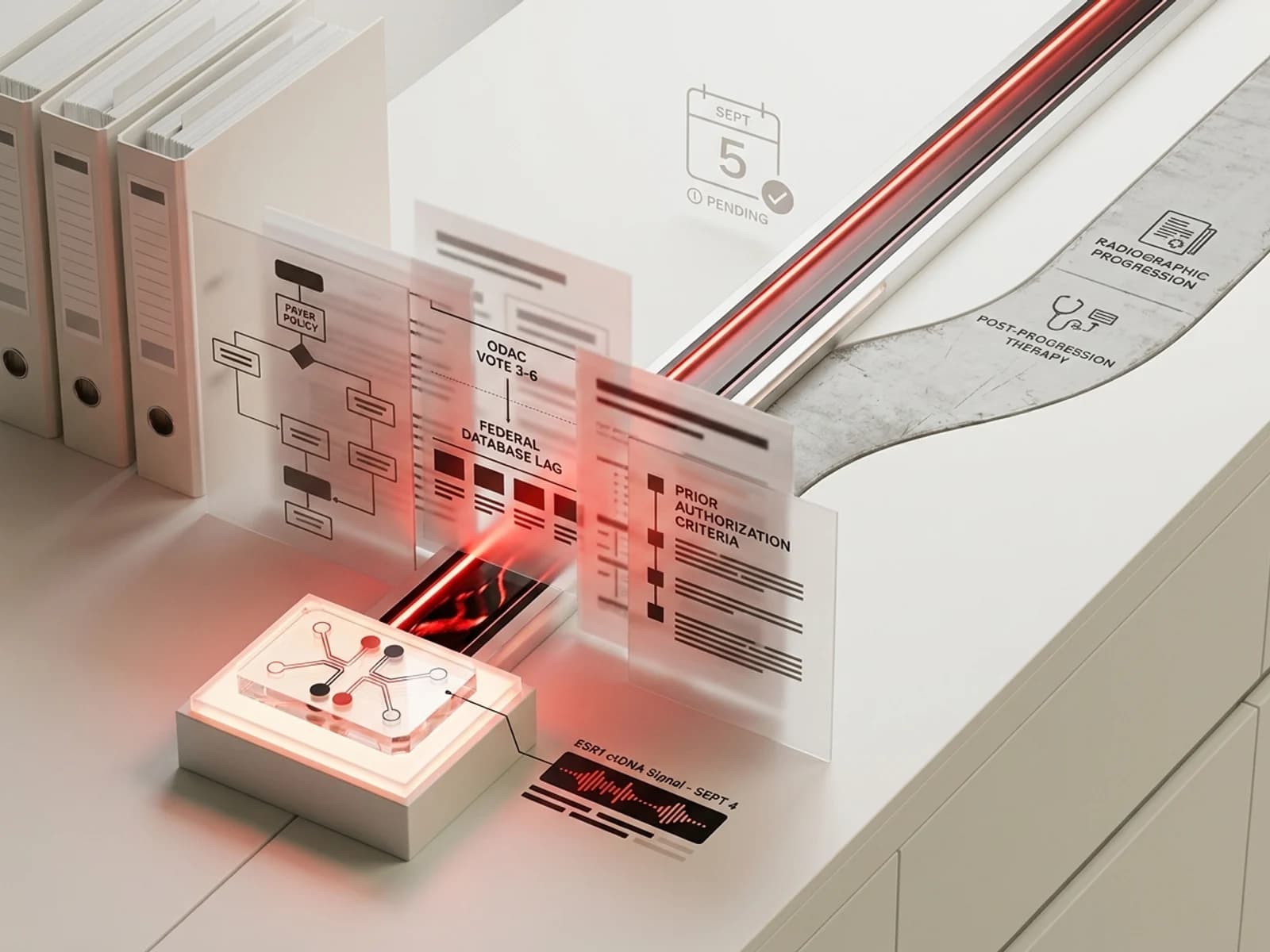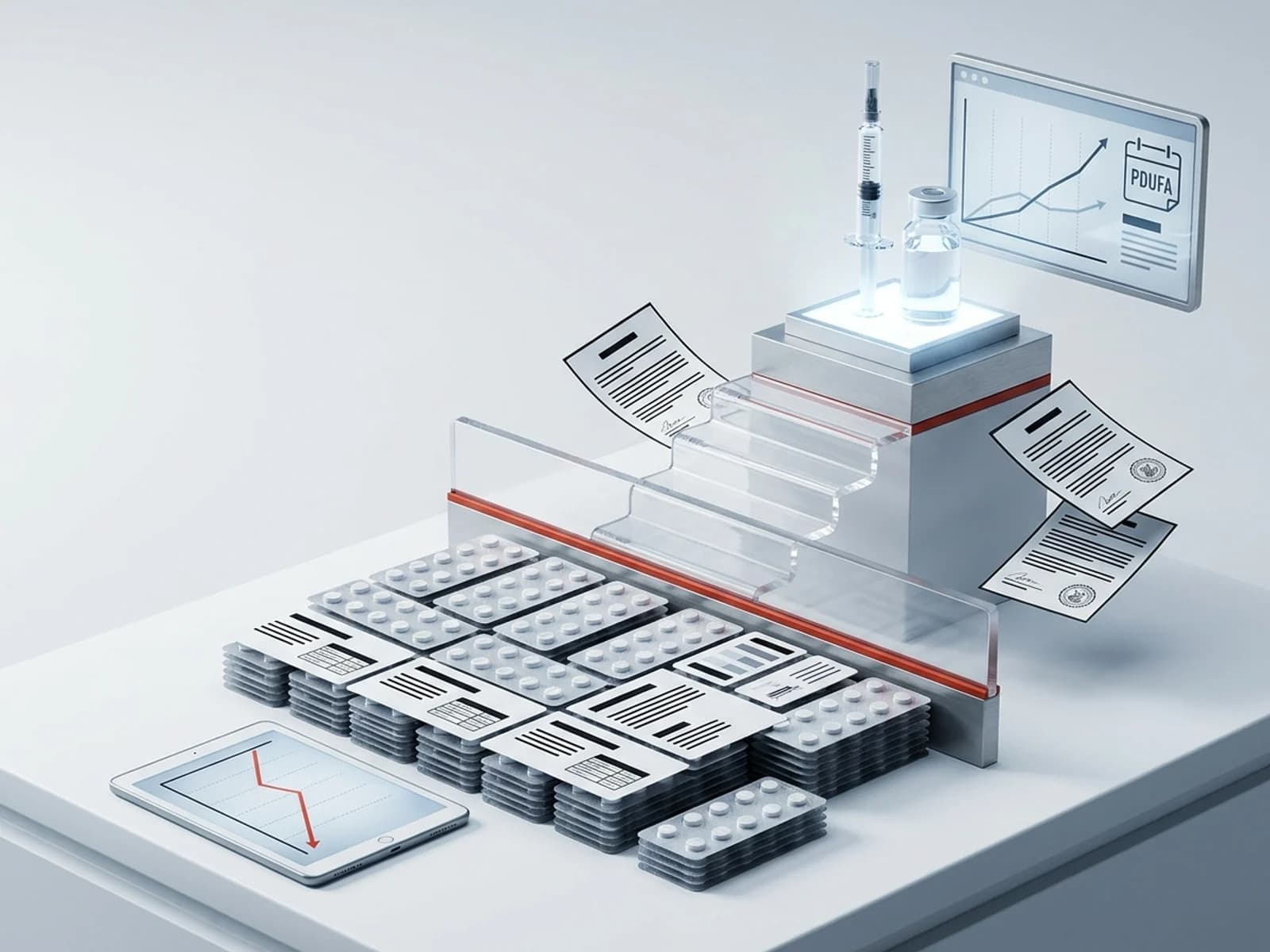
On August 30, 2026, the U.S. Food and Drug Administration (FDA) faces a Prescription Drug User Fee Act (PDUFA) action date for PharmaEssentia's supplemental Biologics License Application (sBLA) for ropeginterferon alfa-2b-njft (Besremi, BLA 761166). The submission seeks an expanded indication for the treatment of adult patients with essential thrombocythemia (ET).
FDA accepted the sBLA on January 13, 2026, classifying the review as Standard and confirming that no potential filing-review issues were identified during initial intake.
As the late-August action date approaches, financial analysts and trade publications have frequently echoed sponsor communications describing the anticipated regulatory decision as the arrival of "the first new FDA-approved therapeutic option for essential thrombocythemia in over two decades."
For hematology market-access leads, pharmacy and therapeutics (P&T) committee directors, specialty pharmacy network managers, and clinical hematologists, that marketing tagline requires critical regulatory dissection:
Does an FDA approval on August 30 establish Besremi as a first-line alternative to generic hydroxyurea, and is ET truly an unaddressed clinical market with no FDA-approved therapeutic alternatives?
The direct regulatory, clinical, and economic answer is no:
SURPASS-ET Evaluated Second-Line Therapy, Not First-Line: The pivotal Phase 3 registrational study supporting the sBLA (SURPASS-ET / NCT04285086) did not evaluate treatment-naive ET patients. The trial exclusively enrolled high-risk ET patients who exhibited documented resistance or intolerance to generic hydroxyurea.
The Active Comparator Was Generic Anagrelide: SURPASS-ET was an active-controlled head-to-head study against anagrelide, demonstrating statistically superior durable modified European LeukemiaNet (ELN) responses (42.9% vs. 6.0%, p = 0.0001) and a marked reduction in disease-related vascular complications.
ET Has an FDA-Approved Drug and a Sub-Dollar Generic Floor: Agrylin (anagrelide hydrochloride, NDA 020333) has been marketed in the U.S. since 1997 for thrombocythemia secondary to myeloproliferative neoplasms, and multiple AB-rated generic ANDAs are actively distributed across U.S. pharmacy channels. Generic hydroxyurea is the usual first-line cytoreductive baseline in guidelines even though Hydrea's labeled indications are not ET, at a National Average Drug Acquisition Cost (NADAC) of $0.18676 per 500 mg capsule.
BESREMI (ROPEGINTERFERON ALFA-2B) ET PDUFA AT A GLANCE
| Parameter | Published Status / Trial Benchmark |
|---|---|
| Drug Name & Modality | Ropeginterferon alfa-2b-njft (Besremi; 351(a) Biologic) |
| Regulatory Application | sBLA to BLA 761166 (PharmaEssentia USA) |
| PDUFA Target Action Date | August 30, 2026 (Standard Review; Accepted Jan 13) |
| Current FDA Approval | Polycythemia Vera (PV; Approved November 12, 2021) |
| Labeled Safety Warning | Boxed Warning: Neuropsychiatric, Autoimmune, Ischemic, |
| and Infectious Disorders (Interferon Alfa Class) | |
| Pivotal Registrational Study | Phase 3 SURPASS-ET (NCT04285086; n=174) |
| Supportive / Confirmatory Study | Phase 2b EXCEED-ET (NCT05482971) |
| Target Patient Population | Hydroxyurea-resistant or intolerant high-risk adult ET |
| Active Study Comparator | Anagrelide (Agrylin and generic equivalents) |
| Primary Endpoint (Durable ELN) | 42.9% (Ropeginterferon) vs. 6.0% (Anagrelide); p=0.0001 |
| Small-Molecule Acquisition Floor | Hydroxyurea 500 mg: $0.18676/cap; Anagrelide: $0.73/cap |
Below, we provide a comprehensive analysis of the essential thrombocythemia disease landscape, evaluate the Phase 3 clinical evidence from SURPASS-ET (Abstract 244201), examine the pharmacokinetics and labeled boxed warning monitoring requirements, benchmark the small-molecule access floor across the Orange Book and CMS NADAC datasets, and establish model prior authorization criteria for health plans.
Disease Context: Pathophysiology and Thrombosis Risk Stratification
Essential thrombocythemia is a chronic myeloproliferative neoplasm (MPN) characterized by clonal megakaryocytic proliferation in the bone marrow, resulting in sustained peripheral thrombocytosis (platelet count above 450 × 10^9/L), splenomegaly, elevated inflammatory cytokine signaling, and heightened risk of life-threatening arterial and venous thromboembolism or microvascular hemorrhage.
Mutational Architecture
The molecular pathogenesis of ET is driven by mutually exclusive somatic mutations in three primary genes:
JAK2 V617F: Present in approximately 50% to 60% of patients; confers constitutive activation of the JAK-STAT signaling pathway, driving both thrombocytosis and leukocytosis.
CALR (Calreticulin Exon 9 Insertions/Deletions): Present in 20% to 30% of patients (principally Type 1 52-bp deletion or Type 2 5-bp insertion); associated with higher platelet counts but lower thrombosis risk compared to JAK2 mutants.
MPL (Thrombopoietin Receptor Exon 10 W515K/L): Present in 3% to 5% of patients.
Triple-Negative ET: Approximately 10% to 15% of patients lack identifiable driver mutations.
IPSET-THROMBOSIS RISK STRATIFICATION IN ADULT ET
| Risk Category | Clinical & Molecular Criteria | Typical Access Implication |
|---|---|---|
| Very Low Risk | Age ≤ 60, no prior thrombosis, JAK2 unmutated | Antiplatelet observation; cytoreduction not first-line |
| Low Risk | Age ≤ 60, no prior thrombosis, JAK2 mutated | Antiplatelet therapy; cytoreduction usually deferred |
| Intermediate Risk | Age > 60, no prior thrombosis, JAK2 unmutated | Cytoreduction considered case-by-case |
| High Risk | Prior thrombosis (any age) OR Age > 60 with JAK2 mutation | The population where branded interferon PA criteria start |
Under National Comprehensive Cancer Network (NCCN) and European LeukemiaNet (ELN) clinical practice guidelines, patients stratified into the High-Risk category are the usual starting point for cytoreductive therapy plus low-dose aspirin. That is a guideline construct, not an FDA-labeled hydroxyurea indication.
Regulatory Baseline: Labeling, Indication Scope, and Safety Box
Ropeginterferon alfa-2b-njft is a novel, monopegylated proline interferon alfa-2b produced in Escherichia coli by recombinant DNA technology. It features a single positional isomer pegylated predominantly at the N-terminal proline residue, providing a substantially longer terminal elimination half-life (approximately 7 days in the U.S. prescribing information) compared to older recombinant interferons.
Besremi was approved by the FDA on November 12, 2021, under BLA 761166 as a stand-alone section 351(a) biological product for adults with polycythemia vera (PV).
The Labeled Boxed Warning and Clinical Monitoring
If approved for ET, Besremi will carry the class Boxed Warning required for all interferon alfa formulations:
┌──────────────────────────────────────────────────────────────────────────────────────────────┐
│                              FDA BOXED WARNING: BESREMI (US PI)                              │
├──────────────────────────────────────────────────────────────────────────────────────────────┤
│ WARNING: RISK OF SERIOUS DISORDERS                                                           │
│ Interferon alfa products may cause or aggravate fatal or life-threatening neuropsychiatric,   │
│ autoimmune, ischemic, and infectious disorders. Patients should be monitored closely with   │
│ periodic clinical and laboratory evaluations. Therapy should be withdrawn in patients with   │
│ persistently severe or worsening signs or symptoms of these conditions.                      │
└──────────────────────────────────────────────────────────────────────────────────────────────┘
In commercial health plan operations, this boxed warning directly dictates prior authorization documentation requirements and ongoing safety gating:
Neuropsychiatric Screening: Evaluation of depression history; contraindication in patients with active severe psychiatric disorders or history of severe suicidal ideation.
Hepatic and Metabolic Profiling: Baseline liver function tests (ALT, AST, total bilirubin, alkaline phosphatase) with quarterly re-evaluation; dose withholding for Grade 3 or higher transaminitis.
Endocrine Surveillance: Thyroid stimulating hormone (TSH) and free T4 monitoring every 12 to 16 weeks due to interferon-induced autoimmune thyroiditis.
Ophthalmologic Baseline: Retinal examinations prior to initiation and periodically during therapy to detect retinal hemorrhages, cotton-wool spots, or retinal vein thrombosis.
Pivotal Clinical Evidence: The SURPASS-ET Trial (NCT04285086)
The primary clinical foundation for the sBLA to BLA 761166 is SURPASS-ET, a global, multicenter, randomized, open-label, active-controlled Phase 3 trial, now published in The Lancet Haematology (November 2025). Supportive North American data come from the Phase 2b EXCEED-ET study (NCT05482971).
Trial Design and Patient Allocation
SURPASS-ET randomized 174 adult patients with high-risk essential thrombocythemia who met modified ELN criteria for resistance or intolerance to hydroxyurea. The published paper reports that 167 of 174 participants (96%) were Asian and 7 (4%) were White—a material generalizability limit for a U.S. label and U.S. payer review, which is why EXCEED-ET matters as a North American companion:
Randomization: 91 patients to ropeginterferon alfa-2b and 83 to anagrelide (1:1 allocation; slightly unbalanced).
Ropeginterferon Titration: Subcutaneous administration starting at 250 mcg at Week 0, escalating to 350 mcg at Week 2, and achieving target maintenance of 500 mcg every two weeks starting at Week 4, if tolerated.
Anagrelide Dosing: ClinicalTrials.gov lists anagrelide as 0.5 mg capsules dosed according to the product label and physician judgment. The U.S. Agrylin label starts adults at 0.5 mg four times daily or 1 mg twice daily, with titration not to exceed 0.5 mg/day in any one week, a maximum of 10 mg/day, and no single dose above 2.5 mg. Most patients respond at 1.5 to 3.0 mg/day.
Primary Efficacy Endpoint: Durable modified ELN response, defined as complete hematologic response (CHR), absence of splenomegaly, symptom improvement, and freedom from disease-related thrombohemorrhagic events continuously maintained across both Month 9 and Month 12 assessment windows.
SURPASS-ET (ASCO ABSTRACT 244201) TOPLINE EFFICACY RESULTS
| Clinical Endpoint | Ropeginterferon (n=91) | Anagrelide (n=83) | p-value |
|---|---|---|---|
| Primary Endpoint: Durable Modified ELN Response at Months 9 & 12 | 42.9% (39/91) | 6.0% (5/83) | p = 0.0001 |
| Component Response Rates: • Platelet & WBC Normalization • Spleen Size Normalization • Disease-Related Symptoms Control • Absence of Thrombohemorrhagic Ev. | 56.0% 87.9% 71.4% 84.6% | 6.0% 54.2% 33.7% 51.8% | — — — — |
| Vascular Event Outcomes: • Major ET-Related Thrombosis • Cardiovascular Adverse Events | 1.1% (1/91) 0.0% (0/91) | 8.8% (7/83) 7.5% (6/83) | — — |
| Molecular & Safety Profile: • Mean JAK2 V617F Allele Burden (Baseline to Month 12) • AE-Related Treatment Discontinuation • Treatment-Related Serious AEs | 33.7% → 25.3% (Mean Drop: -8.4%) 5.5% 2.2% (2/91) | 39.7% → 37.3% (Mean Drop: -2.4%) 18.8% 10% (8/83) | (Molecular Suppression) — — |
Deep Dive into the Efficacy and Safety Separation
The Leukocyte Control Gap: The vast difference in durable response (42.9% vs. 6.0%) stems directly from the distinct pharmacodynamic targets of the two agents. Anagrelide functions as an inhibitor of cyclic AMP phosphodiesterase III (PDE3), selectively inhibiting megakaryocyte polyploidization and differentiation. It reduces platelet counts but exerts no therapeutic suppression on elevated neutrophils or monocytes. In contrast, ropeginterferon activates the type I interferon receptor (IFNAR), suppressing multipotent hematopoietic stem cell clones and normalizing both platelets and white blood cells (56.0% vs. 6.0%).
Cardiovascular Safety Disparity: Anagrelide's PDE3 inhibition produces positive inotropic and chronotropic cardiac effects, leading to high rates of palpitations, reflex tachycardia, fluid overload, and congestive heart failure. In SURPASS-ET, 7.5% of anagrelide-treated patients developed cardiovascular adverse events compared to 0.0% in the ropeginterferon arm. This cardiovascular toxicity explains anagrelide's 18.8% discontinuation rate.
Thrombosis Prevention: Major ET-related thrombotic complications occurred in 8.8% (7 of 83) of anagrelide patients compared to 1.1% (1 of 91) of ropeginterferon patients, establishing clinical validation that pan-myeloid cytoreduction directly translates into vascular risk mitigation.
Disease-Modifying Molecular Response: Mean JAK2 V617F mutant allele burden fell by 8.4 percentage points (from 33.7% to 25.3%) at Month 12 under ropeginterferon, demonstrating selective suppression of the underlying malignant clone.
MECHANISTIC & CLINICAL COMPARISON: ROPEG VS ANAGRELIDE
| Clinical Parameter | Ropeginterferon alfa-2b | Anagrelide Hydrochloride |
|---|---|---|
| Target / Mechanism | Type I Interferon Receptor (IFNAR) agonist | PDE3 inhibition; prevents megakaryocyte maturation |
| Lineage Suppression | Pan-myeloid (Platelets, Leukocytes, Erythroid) | Selective (Platelets only; no leukocyte suppression) |
| Administration Channel | Subcutaneous injection every 2 weeks (prefilled) | Oral capsules (divided dosing, typical 1.5–3.0 mg/day; max 10 mg/day per US PI) |
| Treatment Discontinuation | 5.5% | 18.8% |
| Cardiovascular Events | 0.0% (0 of 91 patients) | 7.5% (6 of 83 patients) |
| Mean JAK2 Burden Change | -8.4% (33.7% → 25.3%) | -2.4% (39.7% → 37.3%) |
The Market Access Floor: Orange Book & CMS NADAC Economics
When evaluating health plan coverage and formulary tiering, biopharma market access teams must confront the small-molecule generic cost floor.
In the official FDA Orange Book dataset (snapshot dated August 14, 2026) and CMS National Average Drug Acquisition Cost (NADAC) pricing files (as of August 19, 2026), the small-molecule cytoreductive options used in ET guidelines have complete generic availability and low retail acquisition cost:
SMALL-MOLECULE ET COST FLOOR CENSUS (AUGUST 2026)
| Active Drug Ingredient | Orange Book Product Rows | Orange Book Key NDAs | Representative AB-Rated ANDAs | CMS NADAC Unit Cost (As of Aug 19, 2026) |
|---|---|---|---|---|
| Hydroxyurea | 16 rows | Hydrea (NDA 016295; 500 mg AB) | 075143, 213438, 075340, 218021 | 500 mg capsule: **$0.18676** / capsule (~$0.19 to $0.37/day) |
| Anagrelide HCl | 20 rows | Agrylin (NDA 020333; 0.5 & 1 mg) | ANDA 076468 ANDA 076811 ANDA 076910 ANDA 209151 | 0.5 mg capsule: **$0.73449** / capsule 1.0 mg capsule: **$1.44082** / capsule |
| Besremi (Biologic) (Ropeginterferon) | 0 rows (BLA) | BLA 761166 | None (351(a) Biologic) | Specialty Biologic Tier WAC $10,421 / syringe* |
Commercial & Formulary Implications
The ~$70 Annual Hydroxyurea Anchor: At the August 19, 2026 NADAC of $0.18676 per 500 mg capsule, a 500 mg to 1,000 mg daily generic hydroxyurea course costs about $68 to $136 per year in retail acquisition expense. Hydrea (NDA 016295) is not labeled for ET; the cheap floor is guideline-driven off-label use plus generic ANDAs, not an ET approval.
Anagrelide's Inexpensive Profile: Generic anagrelide 0.5 mg at $0.73449 per capsule is a low acquisition-cost second agent. Actual annual spend depends on the labeled divided-dose titration (often more than one capsule per day), not a single daily 0.5 mg capsule.
The List-Price Biologic Barrier: PharmaEssentia's Colorado HB 19-1131 notice lists Besremi WAC at $10,421 per 500 mcg/mL syringe (NDC 73536-500-01). That is wholesale list price, not NADAC, ASP, or net. A labeled every-two-week 500 mcg maintenance schedule would annualize to about $271,000 at WAC (26 syringes), before discounts. Besremi does not appear in the retail NADAC file.
Those ratios—not an invented monthly WAC—are why plans will not open Besremi as first-line ET coverage.
*WAC from PharmaEssentia's Colorado prescriber notice; not a CMS survey price.
Payer Utilization Management: Navigating Step Therapy & Prior Authorization
Commercial health plans, Medicare Part D plans, and state Medicaid programs are likely to manage an ET label expansion through specialty prior authorization rather than open first-line coverage. The criteria below are an illustrative model drawn from SURPASS-ET's hydroxyurea-resistant/intolerant enrollment rules and the interferon boxed warning—not a copied payer policy and not advice for any specific plan or patient.
                                High-Risk Essential Thrombocythemia
                                (Age >60 or Prior Thrombosis History)
                                                  │
                                                  ▼
                                First-Line: Generic Hydroxyurea
                                    (NADAC: $0.19 / capsule)
                                                  │
                                                  ▼
                                Did patient experience resistance
                                or unacceptable toxicity?
                                         /                 \
                                       NO                   YES
                                       /                     \
                                      ▼                       ▼
                            Continue Hydroxyurea    Is Besremi Approved?
                            (Maintain dosing)                 │
                                                              ▼
                                                   Does payer require anagrelide
                                                   trial before biologic?
                                                         /         \
                                                       YES          NO
                                                       /             \
                                                      ▼               ▼
                                             Step through       Authorize Besremi
                                             generic Agrylin    (Specialty Pharmacy
                                             ($0.73 / cap)      & Lab Surveillance)
Overcoming Mandatory Anagrelide Step Edits
The primary clinical-access battleground will center on payer step therapy requiring failure of both hydroxyurea and anagrelide:
Payer Cost Containment Thesis: Anagrelide is an FDA-approved generic at NADAC $0.73449 per 0.5 mg capsule. Plans will argue that hydroxyurea-refractory patients should trial anagrelide before progressing to a specialty biologic.
Provider & Appeal Strategy: Clinical appeals citing SURPASS-ET can demonstrate that anagrelide carries a documented 7.5% cardiovascular adverse event rate, failure to suppress leukocytosis, and an 8.8% major thrombosis rate. In patients with pre-existing coronary artery disease, arrhythmias, or uncontrolled leukocytosis, forcing an anagrelide step edit introduces severe clinical liability.
For broader MPN market dynamics, see this site's analysis of the myelofibrosis treatment access landscape.
Model 12-Month Prior Authorization & Reauthorization Criteria
The following illustrative prior authorization outline tracks the evidentiary boundaries of SURPASS-ET. It is not a reimbursement recommendation and is not an actual published payer medical policy:
┌──────────────────────────────────────────────────────────────────────────────────────────────┐
│                    MODEL PRIOR AUTHORIZATION CRITERIA: BESREMI IN ET                         │
├──────────────────────────────────────────────────────────────────────────────────────────────┤
│ INITIAL AUTHORIZATION CRITERIA (Duration: 6 Months):                                         │
│ 1. Diagnosis of essential thrombocythemia confirmed by bone marrow morphology and presence   │
│    of JAK2 V617F, CALR, or MPL mutation (or documented triple-negative status).              │
│ 2. Patient is classified as High-Risk per IPSET-Thrombosis criteria (Age > 60 years OR       │
│    documented history of disease-related thrombosis/hemorrhage).                             │
│ 3. Documented trial and failure of, or intolerance to, generic hydroxyurea:                 │
│    a. Resistance: Platelets > 600,000/μL after ≥ 3 months of hydroxyurea (≥ 2.0 g/day), OR   │
│    b. Intolerance: Grade ≥ 3 cytopenias, painful leg ulcers, or severe mucocutaneous lesions.│
│ 4. Absence of active severe depression, suicidal ideation, or decompensated liver disease.   │
│ 5. Baseline laboratory documentation: CBC with differential, CMP, TSH/T4, psychiatric exam.  │
│                                                                                              │
│ REAUTHORIZATION CRITERIA (Duration: 12 Months):                                              │
│ 1. Demonstrated clinical response: Platelet count ≤ 400,000/μL OR ≥ 50% reduction from       │
│    baseline without disease progression.                                                     │
│ 2. Normalization or stabilization of peripheral white blood cell count (< 9.5 x 10^9/L).     │
│ 3. Absence of new major disease-related thrombotic complications.                            │
│ 4. Continued monitoring: Normal ALT/AST, TSH, and psychiatric evaluation confirmed.          │
└──────────────────────────────────────────────────────────────────────────────────────────────┘
Strategic Summary for Commercial and Access Teams
| Stakeholder Group | Core Operational & Strategic Priority |
|---|---|
| P&T Committees & Health Plans | Establish second-line prior authorization restricted to hydroxyurea-resistant/intolerant patients; establish cardiovascular exception pathways for anagrelide step edits. |
| Specialty Pharmacies & Hub Networks | Build clinical fulfillment workflows for bi-weekly subcutaneous cold-chain shipping, patient injection training, and recurring laboratory surveillance verification. |
| Manufacturer Commercial Teams | Refocus field payer engagement away from broad "unmet need" marketing and onto SURPASS-ET cardiovascular risk reduction and molecular disease modification. |
| Prescribing Hematologists | Document modified ELN hydroxyurea resistance (for example, platelets remaining above 600 × 10^9/L at maximum tolerated hydroxyurea) to support PA review. |
Frequently Asked Questions
Is Besremi FDA-approved for essential thrombocythemia today?
No. As of August 23, 2026, Besremi is FDA-approved only for adults with polycythemia vera (approved November 2021). The sBLA for essential thrombocythemia is under active FDA review with a PDUFA action date of August 30, 2026.
Is Agrylin (anagrelide) FDA-approved for ET?
Yes. Agrylin (anagrelide hydrochloride, NDA 020333) was first approved in 1997. The current U.S. label indicates it for thrombocythemia secondary to myeloproliferative neoplasms, which includes ET, to reduce elevated platelet counts and thrombosis risk. ASCO's SURPASS-ET abstract correctly frames the gap as no new ET approvals since anagrelide, not as an absence of any FDA-approved ET therapy. Multiple AB-rated generic anagrelide ANDAs remain active.
When is the Besremi ET PDUFA decision date?
FDA established a PDUFA goal date of August 30, 2026, following acceptance of the sBLA under Standard review on January 13, 2026.
Will Besremi appear in CMS retail NADAC files if approved for ET?
No. CMS retail NADAC files survey community retail outpatient pharmacies. High-cost specialty biologics distributed through limited specialty pharmacy networks and provider buy-and-bill channels do not appear in retail NADAC pricing datasets.
Sources
PharmaEssentia USA. "FDA Confirms a PDUFA Goal Date of August 30, 2026 for the sBLA Submission of Ropeginterferon Alfa-2b-njft in Essential Thrombocythemia (ET)." Company Press Release, January 13, 2026. https://us.pharmaessentia.com/fda-confirms-a-pdufa-goal-date-of-august-30-2026-for-the-sbla-submission-of-ropeginterferon-alfa-2b-njft-in-essential-thrombocythemia-et/
American Society of Clinical Oncology (ASCO). "Topline results of the phase 3 SURPASS-ET trial: Ropeginterferon alfa-2b versus anagrelide in patients with essential thrombocythemia." ASCO Annual Meeting Proceedings, Abstract 244201, 2025. https://www.asco.org/abstracts-presentations/244201
Mesa R, Gill H, Zhang L, et al. "Ropeginterferon alfa-2b in hydroxyurea-intolerant or hydroxyurea-refractory essential thrombocythaemia (SURPASS ET): a multicentre, open-label, randomised, active-controlled, phase 3 study." The Lancet Haematology 2025;12(11):e862–e875. doi:10.1016/S2352-3026(25)00264-9. https://doi.org/10.1016/S2352-3026(25)00264-9
ClinicalTrials.gov. "Phase 3 Study of Ropeginterferon Alfa-2b (P1101) vs. Anagrelide in Essential Thrombocythemia (SURPASS-ET)." National Library of Medicine, Identifier NCT04285086. https://clinicaltrials.gov/study/NCT04285086
ClinicalTrials.gov. "Study to Evaluate the Efficacy and Safety of Ropeginterferon Alfa-2b in Subjects With Essential Thrombocythemia (EXCEED-ET)." National Library of Medicine, Identifier NCT05482971. https://clinicaltrials.gov/study/NCT05482971
U.S. Food and Drug Administration. "Approved Drug Products with Therapeutic Equivalence Evaluations (Orange Book)." Small-molecule products and generic ratings for Hydroxyurea (NDA 016295) and Anagrelide (NDA 020333), snapshot dated August 14, 2026. https://www.fda.gov/drugs/drug-approvals-and-databases/orange-book-data-files
Centers for Medicare & Medicaid Services (CMS). "National Average Drug Acquisition Cost (NADAC) Weekly File." Unit acquisition costs as of August 19, 2026. https://download.medicaid.gov/data/nadac-national-average-drug-acquisition-cost-08-19-2026.csv
PharmaEssentia USA. "Besremi (ropeginterferon alfa-2b-njft) Prescribing Information." BLA 761166, revised June 2026. https://us.pharmaessentia.com/downloads/Besremi_USPI_ENG.pdf
PharmaEssentia USA. "Information for Colorado Prescribers of Prescription Drugs Provided Pursuant to Colorado House Bill 19-1131." Besremi WAC $10,421 per 500 mcg/mL syringe (NDC 73536-500-01). https://us.pharmaessentia.com/state-pricing-notification
DailyMed / Takeda. "Agrylin (anagrelide hydrochloride) capsules." NDA 020333 labeling, including adult starting dose, 10 mg/day maximum, and 2.5 mg single-dose maximum. https://dailymed.nlm.nih.gov/dailymed/drugInfo.cfm?setid=cb960074-99c1-4a73-941f-f0644a7ec219