H1-receptor antihistamines are among the most widely utilized therapeutic classes in modern medicine, spanning from over-the-counter (OTC) allergy relievers found in local supermarkets to prescription-strength antiemetics and sedatives managed under strict formulary controls. Because of their dual status as consumer self-care commodities and clinically supervised specialty drugs, systemic H1 antihistamines present a complex safety footprint in post-marketing surveillance. These agents are pharmacologically divided into first-generation (sedating, lipophilic agents that readily cross the blood-brain barrier) and second-generation (non-sedating or minimally sedating, hydrophilic agents with higher H1 selectivity). While the clinical pharmacology of these generations is well-documented, a comprehensive, class-wide view of their real-world adverse-event reports has been lacking.
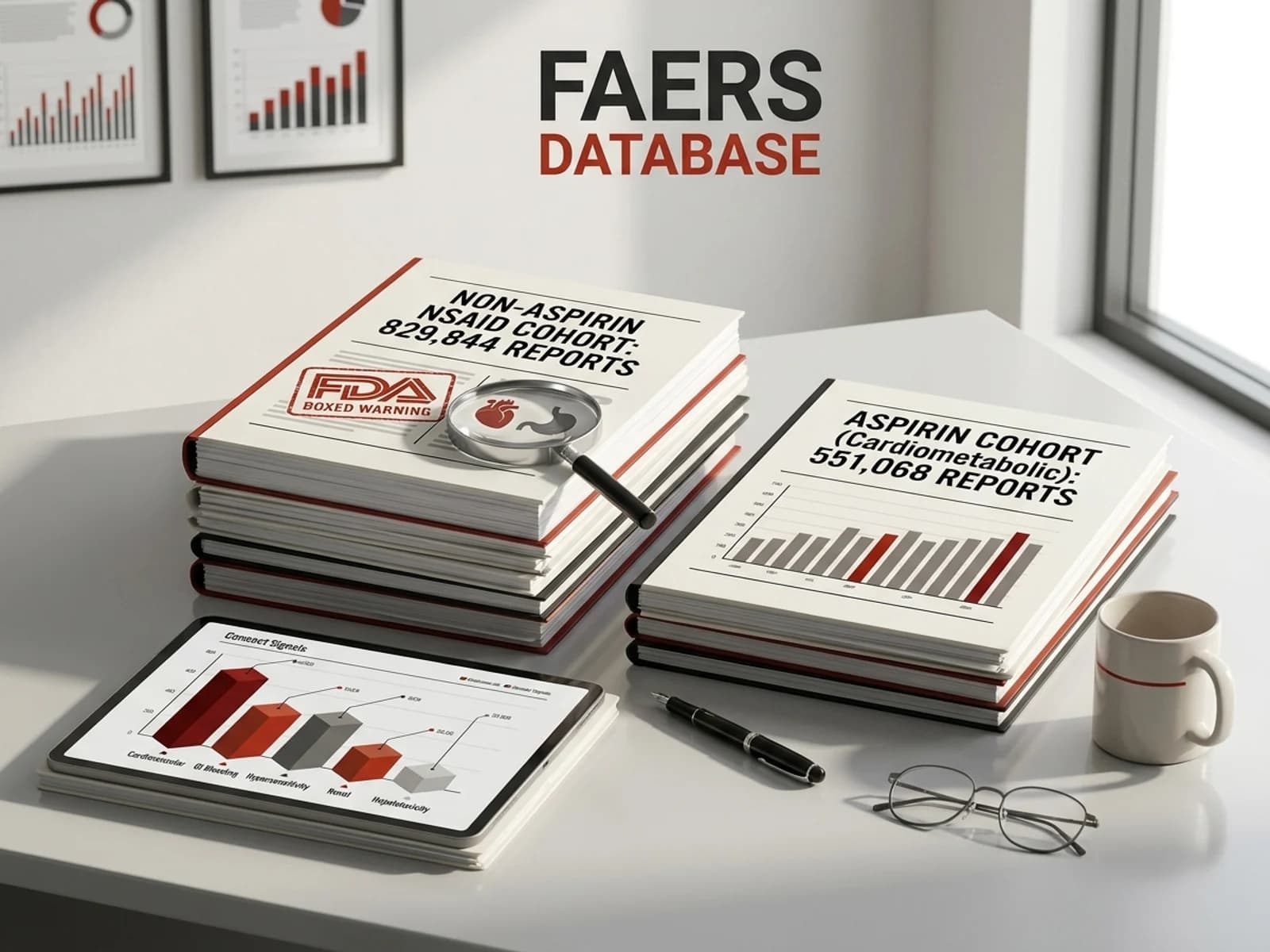
This analysis provides a detailed post-marketing safety review of the H1-receptor antihistamine class using the public openFDA FDA Adverse Event Reporting System (FAERS) database. Based on the public FAERS extract aggregating 20,328,575 total reports (export dated June 8, 2026), H1 antihistamines account for a cumulative 925,032 any-role-named reports. This article dissects this massive footprint: separating first-generation sedating agents from second-generation non-sedating alternatives, identifying substance-level reporting leaders, mapping key safety signal families to FDA boxed warnings and safety communications, and detailing the process used to decontaminate the cohort from H2-receptor antihistamine (ranitidine) litigation.
This review is written for pharmacovigilance teams, pharmacy and therapeutics (P&T) committees, medication-safety officers, and payer clinical-review staff who require a quantitative baseline of real-world safety data to inform formulary positioning, patient-safety programs, and clinical risk assessments.
Quick answer
Scenario question: How do first- and second-generation H1 antihistamines compare on post-marketing adverse-event volume, seriousness, and signature signals in FAERS, and why is this cohort clean when the whole-antihistamine class is contaminated?
Direct answer: Across the public openFDA FAERS extract (20,328,575 total reports, export dated June 8, 2026), H1-receptor antihistamines account for 925,032 any-role-named reports, with 62.3% (575,889) classified as serious and 10.2% (94,429) resulting in death. First-generation sedating agents drive the majority of reporting, accounting for 548,687 reports (59.3% of the class), compared to 426,137 reports (46.1%) for second-generation non-sedating agents (with some reports containing both). Diphenhydramine hydrochloride (347,152 reports — the dominant salt string; other diphenhydramine salt strings overlap within individual reports and are not additive) and doxylamine (216,025) lead first-generation reporting, while cetirizine hydrochloride (161,797) and loratadine (94,230) lead the second generation. The top signal families are hypersensitivity (97,344), central nervous system (CNS) sedation (88,489), and overdose/misuse (77,767). The cohort is litigation-clean, showing a lawyer-reporter share of only 1.08% (10,030 reports), because H2-receptor antihistamines (ranitidine, famotidine, cimetidine, nizatidine) are excluded. The NDMA cancer litigation surrounding ranitidine previously contaminated the whole-antihistamine class, driving its lawyer share to 11.4%.
How many FAERS reports involve H1 antihistamines, and how serious are they?
Based on our analysis of the openFDA FAERS database, H1 antihistamines represent one of the largest post-marketing footprints of any therapeutic class, reflecting their ubiquitous use. The cumulative 925,032 any-role-named reports represent approximately 4.55% of all adverse-event reports submitted to the FDA since the inception of the system.
The clinical severity of these reports is substantial. Of the 925,032 total reports:
Serious reports (defined by the FDA as resulting in death, hospitalization, life-threatening events, disability, congenital anomalies, or requiring significant intervention) account for 62.3% (575,889 reports).
Death reports account for 10.2% (94,429 reports) of the class footprint.
| Metric | Count | Percentage of H1 Cohort |
|---|---|---|
| Total Cohort Reports | 925,032 | 100.0% |
| Serious Cases | 575,889 | 62.3% |
| Death Outcomes | 94,429 | 10.2% |
| Lawyer-Reported Cases | 10,030 | 1.08% |
Yearly reporting trends reveal that H1 antihistamine cases peaked in 2023 with 71,186 reports, following a steady upward trajectory starting in 2018. The class has maintained a broad, high-volume plateau over the last seven years, averaging more than 60,000 cases annually.
Yearly Reporting Volume (2016–2025)
2023: 71,186 reports
2020: 69,825 reports
2022: 67,944 reports
2025: 67,221 reports
2024: 66,877 reports
2021: 64,832 reports
2019: 62,643 reports
2018: 57,262 reports
2016: 57,242 reports
2017: 53,667 reports
How do first- and second-generation agents split the report volume, and which agents lead?
Systemic H1 antihistamines are clinically and structurally divided into two generations. First-generation agents (introduced in the 1940s and 1950s) are highly lipophilic molecules that readily cross the blood-brain barrier, leading to significant central nervous system activity, including sedation, cognitive impairment, and psychomotor deceleration. They also possess pronounced anticholinergic, anti-muscarinic activity. Second-generation agents (introduced in the 1980s and 1990s) were developed to minimize lipophilicity and blood-brain barrier penetration, resulting in highly selective peripheral H1 antagonism and a drastically reduced sedative profile.
In the FAERS database, the volume of reports reflects a clear split between these generations:
First-Generation H1 Antihistamines account for 548,687 reports (59.3% of the class).
Second-Generation H1 Antihistamines account for 426,137 reports (46.1% of the class).
(Note: The percentages sum to more than 100% because a single adverse-event report can co-mention drugs from both generations, particularly in cases of intentional overdose, polypharmacy, or therapeutic switching).
Substance-Level Reporting Breakdown
At the substance level, the reporting volume is highly concentrated among a few dominant agents. A key technical challenge here is the "salt-string gotcha": the headline 925,032 total is de-duplicated at the report level (each report counts once, no matter how many H1 agents it lists), but the per-substance counts below are per exact substance string, and overlapping salt/brand strings of the same active ingredient are not additive. For example, diphenhydramine is reported under several co-occurring strings — "diphenhydramine hydrochloride" (347,152), "diphenhydramine" (25,225), "diphenhydramine hcl" (23,949), and "diphenhydramine citrate" (22,322). Because a single report can carry more than one of these strings, summing them would double-count; treat 347,152 as the dominant-string volume for diphenhydramine, not the combined total. The same overlap applies to cetirizine hydrochloride (161,797) versus the unspecified "cetirizine" string (37,949).
The following table lists the top H1 antihistamine substances by report volume in the FAERS database:
| Gen | Active Ingredient | FAERS Count (dominant salt string) | Key Labeled Indications & Clinical Context |
|---|---|---|---|
| Gen 1 | Diphenhydramine hydrochloride | 347,152 | Allergy, insomnia, motion sickness, Parkinsonism, chemo-premedication |
| Gen 1 | Doxylamine succinate | 216,025 | Insomnia, allergy, morning sickness (in combination with pyridoxine) |
| Gen 2 | Cetirizine hydrochloride | 161,797 | Allergic rhinitis, chronic urticaria |
| Gen 2 | Loratadine | 94,230 | Allergic rhinitis, chronic urticaria |
| Gen 1 | Chlorpheniramine maleate | 61,661 | Allergy, common cold (often combined in multi-symptom OTC products) |
| Gen 1 | Hydroxyzine dihydrochloride | 38,773 | Anxiety, pruritus, sedative, alcohol withdrawal |
| Gen 2 | Cetirizine (unspecified string, overlaps HCl) | 37,949 | Allergic rhinitis, chronic urticaria |
| Gen 2 | Azelastine hydrochloride | 21,230 | Ophthalmic allergic conjunctivitis, nasal allergic rhinitis |
| Gen 2 | Fexofenadine hydrochloride | 21,204 | Allergic rhinitis, chronic urticaria |
| Gen 2 | Levocetirizine dihydrochloride | 19,716 | Allergic rhinitis, chronic urticaria |
| Gen 1 | Promethazine hydrochloride | 14,822 | Nausea, vomiting, motion sickness, sedative |
| Gen 1 | Meclizine hydrochloride | 13,075 | Motion sickness, vertigo |
| Gen 2 | Desloratadine | 10,113 | Allergic rhinitis, chronic urticaria |
| Gen 1 | Dimenhydrinate | 9,348 | Motion sickness, vertigo |
| Gen 2 | Olopatadine hydrochloride | 8,600 | Ophthalmic allergic conjunctivitis, nasal allergic rhinitis |
Among first-generation agents, diphenhydramine is the clear volume leader, with its dominant salt string "diphenhydramine hydrochloride" appearing in 347,152 reports (and additional diphenhydramine salt/brand strings — 25,225; 23,949; 22,322 — overlapping within individual reports, not additive). This reflects its widespread availability as a standalone OTC sleep aid (e.g., ZzzQuil, Unisom) and allergy treatment (e.g., Benadryl), its inclusion in hundreds of multi-symptom OTC cough and cold products, and its frequent clinical use as an intravenous premedication in oncology and infusion centers. Doxylamine follows with 216,025 reports, largely driven by its OTC use as a sleep aid and its prescription use for pregnancy-induced nausea.
Among second-generation agents, cetirizine hydrochloride (Zyrtec) leads with 161,797 reports (with the overlapping unspecified "cetirizine" string adding a further 37,949 that are not additive), followed by loratadine (Claritin, 94,230 reports) and fexofenadine (Allegra, 21,204 reports).
What are the sedation, anticholinergic, QT, and overuse signals, and how do they map to the class warnings?
A primary value of this FAERS class cut is the ability to aggregate individual MedDRA Preferred Terms (PTs) into broader safety signal families. This allows us to map the real-world reporting profile directly to the known pharmacological properties and labeled warnings of H1 antihistamines.
Our computation defined six key signal families, yielding the following cumulative report counts:
1. Hypersensitivity (97,344 reports)
As antihistamines are primarily indicated for allergic reactions, their appearance in hypersensitivity reports is a classic example of "indication-as-event" reporting, where the underlying condition is documented as an adverse event. However, this signal also captures true allergic reactions to the excipients or the active ingredients themselves.
Top MedDRA Terms: Pruritus (27,182 reports), rash (23,795 reports), urticaria, and anaphylactic reaction.
2. Central Nervous System (CNS) Sedation (88,489 reports)
This family captures the sedative and psychomotor-impairing effects of H1 blockers. Because first-generation agents cross the blood-brain barrier and bind to central H1 receptors (which help regulate the sleep-wake cycle), they act as potent central sedatives. While this effect is leveraged therapeutically (e.g., diphenhydramine and doxylamine marketed as sleep aids), it represents a major safety hazard in patients performing high-risk tasks such as driving.
Top MedDRA Terms: Dizziness (32,642 reports), fatigue (52,439 reports), and somnolence (21,571 reports).
Generation Split: CNS sedation is heavily driven by first-generation agents, which show a 3.4-fold higher reporting rate for sedative events compared to second-generation agents when adjusting for overall volume.
3. Overdose, Misuse, and Toxicity (77,767 reports)
Due to their wide availability as OTC drugs, H1 antihistamines are frequently involved in accidental pediatric exposures, intentional self-harm, and recreational misuse. Diphenhydramine, in particular, is frequently abused at high doses to induce hallucinations, a practice that carries severe cardiac and neurological toxicity.
Top MedDRA Terms: Toxicity to various agents (24,986 reports), intentional overdose, drug abuse, and accidental exposure.
4. Respiratory Events (49,959 reports)
This signal family is of particular clinical importance due to the risk of respiratory depression associated with promethazine, especially in pediatric populations, which is the subject of an FDA boxed warning.
Top MedDRA Terms: Dyspnoea (38,648 reports), respiratory depression, and hypoxia.
5. Anticholinergic Effects (31,545 reports)
First-generation H1 antihistamines are structurally similar to muscarinic antagonists, leading to significant off-target antimuscarinic activity. This results in the classic anticholinergic side-effect profile, which can be particularly dangerous in elderly patients (contributing to delirium, urinary retention, and falls).
Top MedDRA Terms: Dry mouth, urinary retention, constipation, blurred vision, and dry eye.
6. Cardiac QT Prolongation and Arrhythmia (20,549 reports)
This safety signal has a rich historical and regulatory context. In the 1990s, the first-generation non-sedating H1 antihistamines terfenadine (Seldane) and astemizole (Hismanal) were found to block the cardiac hERG potassium channel, causing QT prolongation, Torsades de Pointes (TdP), and sudden cardiac death. The FDA subsequently initiated safety communications and withdrew both drugs from the market. Today's second-generation agents (cetirizine, loratadine, fexofenadine) were specifically selected or designed to lack significant hERG channel activity at therapeutic doses, though the signal persists in FAERS due to high-dose exposures, drug-drug interactions (e.g., co-administration with CYP3A4 inhibitors), and patient-specific risk factors.
Top MedDRA Terms: Electrocardiogram QT prolonged, ventricular tachycardia, palpitations, and Torsades de Pointes.
Why is the H1 cohort litigation-clean when the whole-antihistamine class was not?
A critical challenge in post-marketing database analysis is litigation contamination. When a drug becomes the subject of class-action lawsuits or multi-district litigation, plaintiff law firms submit large volumes of adverse-event reports to the FDA to document cases. These reports are typically characterized by:
A high concentration of lawyer reporters (often exceeding 50% of the cohort).
A narrow focus on specific, lawsuit-targeted adverse events (e.g., specific cancers).
A massive distortion of the historical reporting curve, showing a sudden spike in reports years after the clinical events occurred.
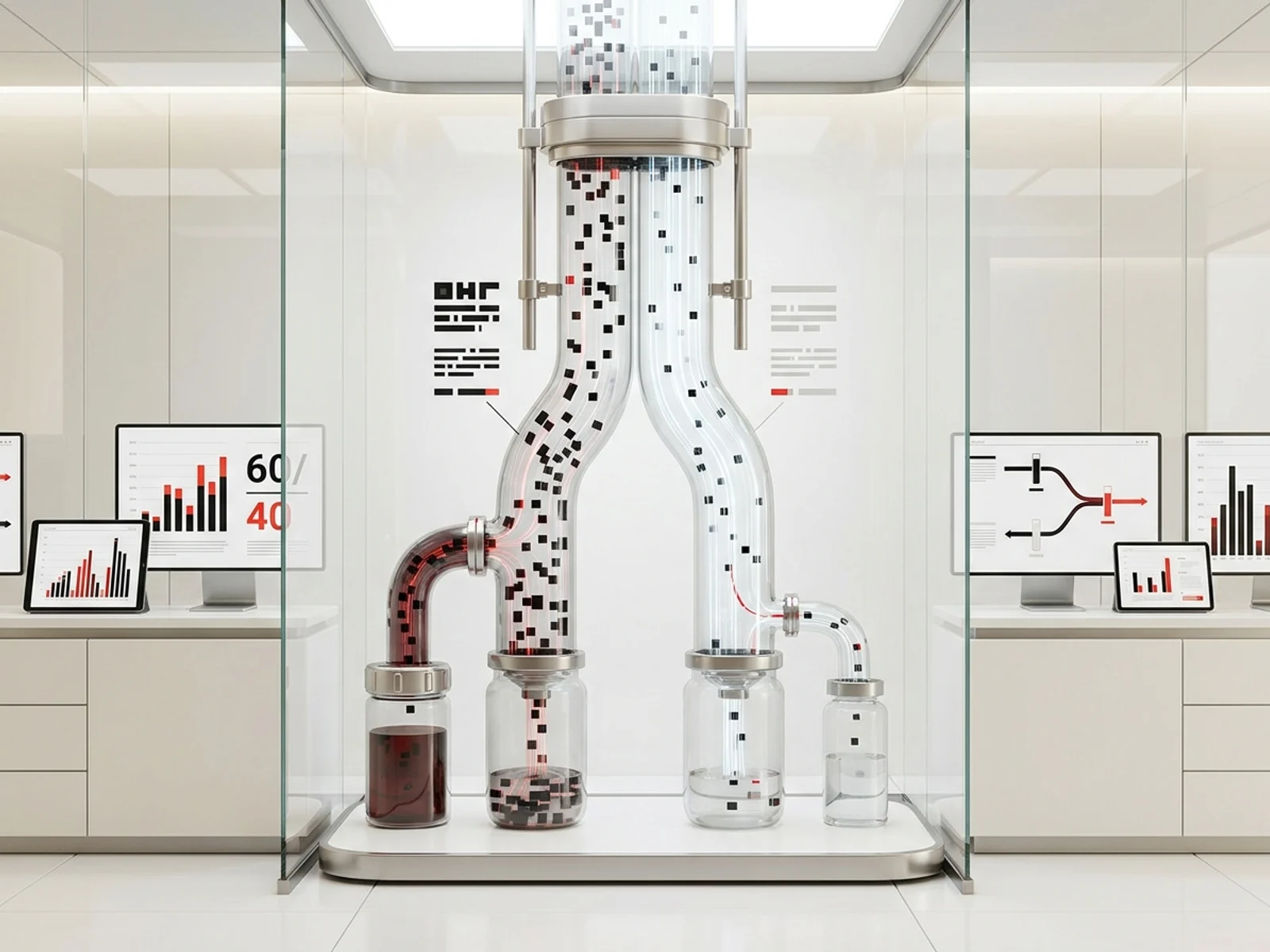
In a prior exploratory run of the broader "antihistamine" class (which included both H1-receptor blockers and H2-receptor blockers), the cohort was found to be heavily contaminated. The overall lawyer-reporter share stood at 11.4%, and the reporting curves were severely skewed.
The source of this contamination was the H2-receptor antagonist ranitidine (Zantac). In 2019 and 2020, testing revealed that ranitidine products could form high levels of N-nitrosodimethylamine (NDMA), a probable human carcinogen, under normal storage conditions. This led to a voluntary recall of all ranitidine products and triggered massive mass-tort litigation. Law firms subsequently filed hundreds of thousands of FAERS reports citing ranitidine and various cancers.
To resolve this issue and isolate a clean, clinically representative profile of antihistamine safety, we restricted this cohort strictly to H1-receptor antihistamines, deliberately excluding H2 blockers (ranitidine, famotidine, cimetidine, nizatidine).
The results of this re-scoping confirm the success of the decontamination process:
Lawyer reports in the H1 antihistamine cohort represent only 1.08% (10,030 reports) of the total.
Consumer reports represent the largest reporter segment at 42.4% (392,148 reports).
Professional reporters (Physicians, Pharmacists, and Other Healthcare Professionals) combine for 52.1% of the cohort.
The co-mention of H2 blockers within the H1 cohort is minimal: H2 co-mention is only 5.3% (48,616 reports), and ranitidine co-mention is only 1.4% (12,985 reports).
By removing the ranitidine-litigation noise, the H1 cohort provides a reliable, clinically driven baseline of real-world safety reports that reflects actual clinical practice and consumer use, rather than legal administrative filing.
Why is the 10.2% death share a population artifact rather than intrinsic lethality?
For clinical and formulary reviewers, the 10.2% death share (94,429 deaths) in the H1 antihistamine cohort might initially seem alarmingly high for a class of drugs that are widely considered safe enough to be sold over the counter. In pharmacovigilance, it is crucial to understand that FAERS reports document association, not causation, and must always be interpreted within the clinical context of the patient population.
Because this cohort was constructed using a substance-level "any-role-named" search (capturing reports where an H1 antihistamine was listed as primary suspect, secondary suspect, concomitant, or interacting), the data captures patients with complex, severe underlying diseases who were receiving antihistamines for non-allergy indications.
Our analysis of the top indications in the H1 antihistamine cohort explains this phenomenon:
Product used for unknown indication: 364,684 reports
Hypersensitivity: 52,863 reports
Pain: 50,136 reports
Rheumatoid arthritis: 46,226 reports
Hypertension: 42,369 reports
Premedication: 39,001 reports
Asthma: 33,891 reports
Depression: 26,593 reports
Plasma cell myeloma: 25,809 reports
Two key indications stand out:
Premedication (39,001 reports): Intravenous diphenhydramine is routinely administered as a standard premedication in oncology clinics prior to chemotherapy infusions (e.g., paclitaxel) and monoclonal antibody infusions (e.g., rituximab) to prevent acute infusion reactions. It is also used before the administration of radiocontrast agents.
Plasma cell myeloma (25,809 reports): Patients with multiple myeloma frequently receive immunomodulatory therapies (such as daratumumab) that require aggressive antihistamine premedication.
In these cases, the patient has a severe, life-threatening underlying malignancy or is undergoing high-risk medical procedures. If these patients experience a fatal outcome due to disease progression or chemotherapy toxicity, the report is submitted to the FDA and lists all administered drugs, including the antihistamine premedication. The death is therefore recorded in the antihistamine FAERS footprint.
This is a classic population artifact. The 94,429 death reports do not indicate that taking an allergy pill or a sleep aid carries a 10.2% risk of mortality. Instead, they reflect the fact that H1 antihistamines (specifically diphenhydramine) are standard supportive-care agents routinely administered to severely ill, hospitalized, and oncology populations.
Regulatory and Safety Milestones for H1 Antihistamines
To place the FAERS signals in context, clinical teams should monitor several key FDA safety milestones and regulatory actions that define the H1 class:
1. Promethazine Boxed Warning and Pediatric Contraindication
Promethazine carries a Boxed Warning for severe tissue injury, including gangrene, tissue necrosis, and thrombophlebitis, which can occur with inadvertent intra-arterial injection or extravasation; on September 16, 2009, the FDA required manufacturers to add this boxed warning to injectable promethazine and advised that the preferred route is deep intramuscular injection, with IV administration limited to low concentrations and slow rates. The label also carries a pediatric respiratory-depression warning: promethazine is contraindicated in children under 2 years of age because of the risk of fatal respiratory depression, a warning the FDA strengthened in 2000 after post-marketing fatalities.
2. Terfenadine and Astemizole Withdrawals
In 1997, the FDA's Dermatologic and Ophthalmic Drugs Advisory Committee recommended the withdrawal of terfenadine (Seldane), the first non-sedating second-generation H1 blocker, due to the risk of QT prolongation and Torsades de Pointes, particularly when co-administered with CYP3A4 inhibitors (like ketoconazole or erythromycin) that blocked its metabolism. Terfenadine was officially withdrawn in 1998, and astemizole (Hismanal) was withdrawn shortly after, establishing the cardiac screening protocols that govern all modern second-generation agents.
Frequently Asked Questions
Are second-generation antihistamines safer than first-generation in FAERS reporting?
Yes. In terms of organ-system toxicity and functional impairment, second-generation agents (such as cetirizine, loratadine, and fexofenadine) show a significantly safer post-marketing reporting profile. Specifically, first-generation agents drive the vast majority of central nervous system sedation (dizziness, somnolence, fatigue) and anticholinergic signals (dry mouth, urinary retention). First-generation agents also account for a disproportionate share of the overdose, misuse, and toxicity reports, reflecting their widespread OTC availability and their use as sedatives. However, second-generation agents still accumulate a substantial volume of reports, largely driven by hypersensitivity (representing the underlying allergy indication) and mild, non-serious consumer-reported events.
Do these FAERS counts prove H1 antihistamines cause cardiac QT prolongation?
No. FAERS is a spontaneous-reporting database that documents adverse events associated with a drug, but it cannot establish direct clinical causality. While the historical withdrawals of terfenadine and astemizole prove that certain H1 blockers can cause QT prolongation, modern second-generation agents (such as cetirizine, loratadine, and fexofenadine) do not block the hERG channel at standard therapeutic doses and have a very clean cardiac profile. The QT/arrhythmia signals observed in today's H1 antihistamine FAERS data are typically associated with massive intentional overdoses, drug-drug interactions (e.g., taking an antihistamine with other QT-prolonging drugs or strong CYP inhibitors), or patients with pre-existing congenital long QT syndrome.
Why do chemotherapy premedication and plasma-cell myeloma show up as top indications in an antihistamine cohort?
Because this analysis utilizes the "any-role-named" search convention, which captures any report where an H1 antihistamine was listed as a concomitant or suspect drug. Intravenous first-generation antihistamines (mainly diphenhydramine) are standard premedications routinely administered to cancer patients before chemotherapy or monoclonal antibody infusions to prevent acute infusion-related hypersensitivity reactions. Consequently, when an oncology patient experiences a serious adverse event or dies from chemotherapy toxicity or advanced cancer, the antihistamine is listed in the report, creating a strong statistical association with oncology indications and fatal outcomes that is a population artifact rather than drug-induced toxicity.
Sources
FDA Safety Communication: Boxed Warning for Promethazine Tissue Injury
Canadian Society of Allergy and Clinical Immunology position statement on first-generation H1 antihistamines (PMID: 31582993)
FAERS study on association of newer-generation H1-antihistamines with nervous system disorders (PMID: 39682544)