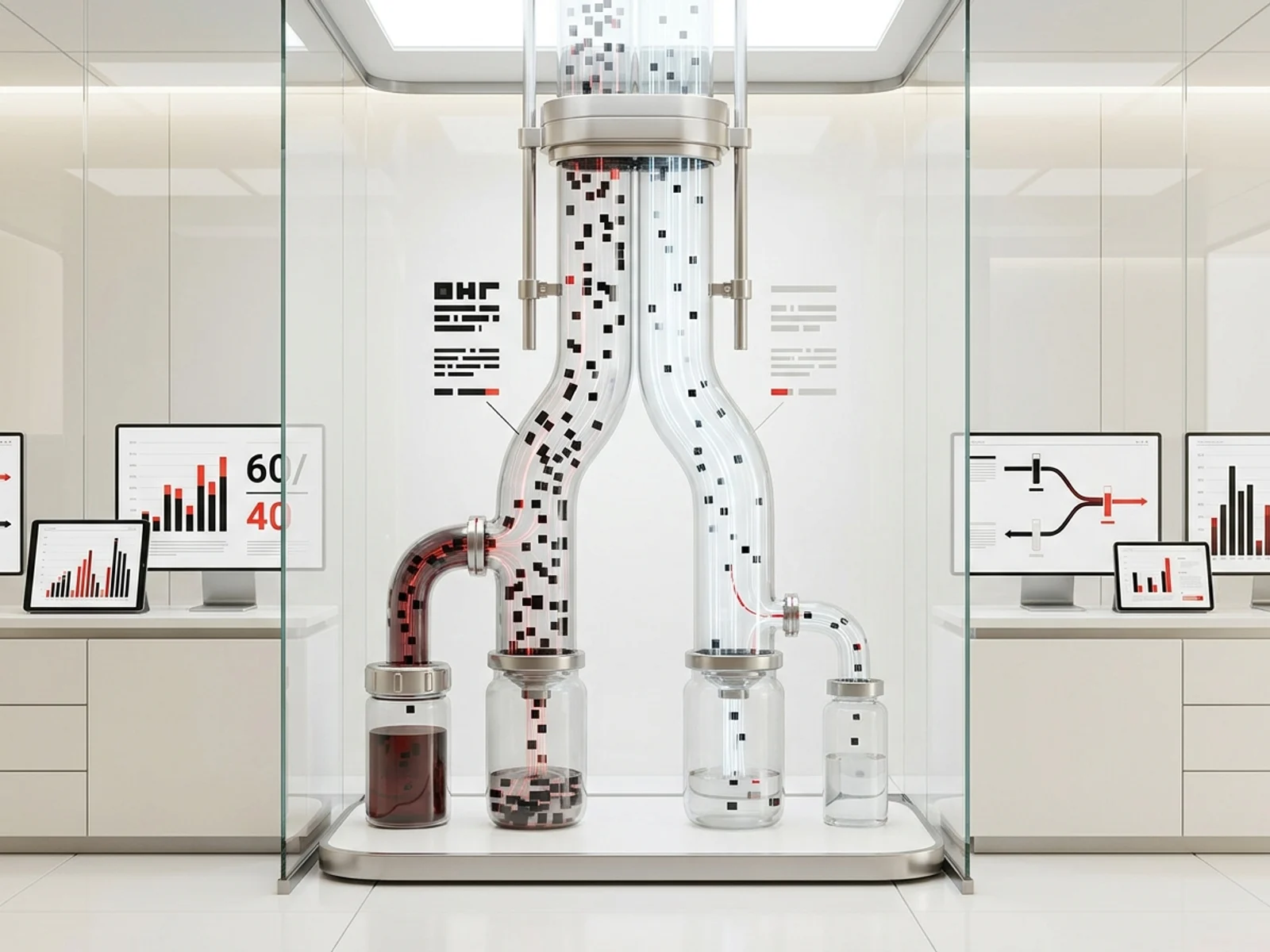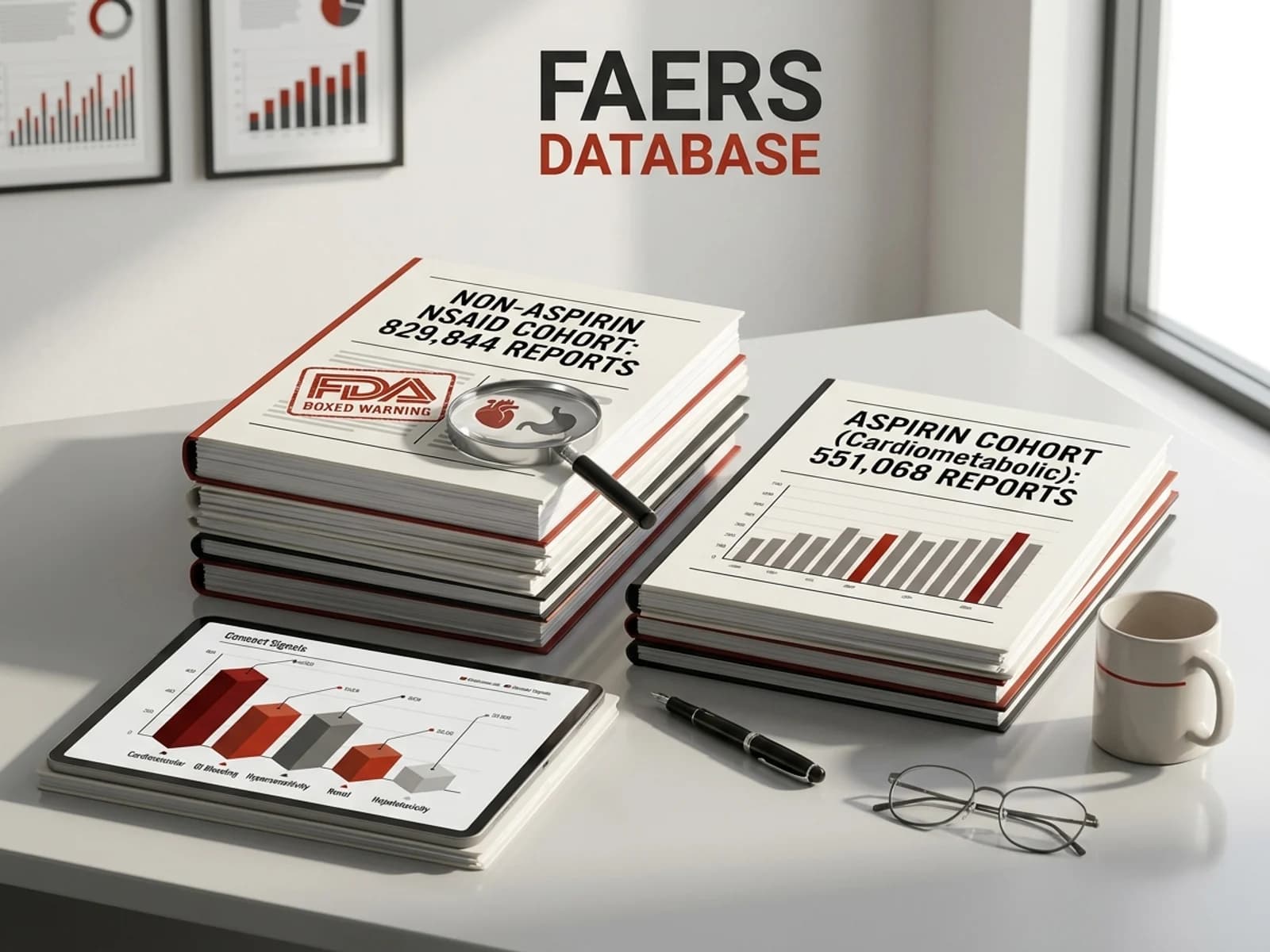
Nonsteroidal anti-inflammatory drugs (NSAIDs) are arguably the most consumed pharmacological class on the planet. Spanning over-the-counter analgesics available in every supermarket to prescription-strength formulations managed under formulary controls, NSAIDs occupy a unique position in pharmacovigilance: they carry an FDA boxed warning for cardiovascular and gastrointestinal risks, yet they are self-administered by tens of millions of patients with no prescriber oversight. Across the public openFDA FDA Adverse Event Reporting System (FAERS) database (aggregating over 20.3 million reports, export dated June 8, 2026), NSAIDs account for a cumulative 1,536,590 any-role-named reports — the largest analgesic class footprint in the database. This article dissects that footprint: separating aspirin (whose polypharmacy co-reporting distorts the analgesic signal) from the non-aspirin NSAID cohort, ranking agents from ibuprofen to celecoxib, and mapping the class-specific adverse-event signals to the five pillars of the FDA boxed warning.
This analysis is written for pharmacovigilance teams, pharmacy and therapeutics (P&T) committees, medical-affairs directors, and payer clinical-review staff who evaluate NSAID safety data for formulary positioning, step-therapy design, prior-authorization criteria, and risk-management planning. Every figure is computed from the public openFDA FAERS extract. It is not a disproportionality signal analysis, it is not a safety claim, and it is not incidence data. FAERS is a spontaneous-reporting system: it captures what was reported, never what was caused, and it has no exposure denominator. For the class-wide FAERS methodology and the database aggregate picture, see the companion inside 20 million FAERS reports; for the adjacent analgesic class cut, see opioid analgesics in FAERS by the numbers; and for other cardiovascular-relevant pharmacovigilance analyses, see ACE inhibitor and ARB adverse events by the numbers and calcium channel blocker adverse events by the numbers.
Quick answer
Scenario question: If I want the population-level adverse-event footprint of NSAIDs (not a mechanism recap), what does FAERS actually show, and how do ibuprofen, celecoxib, naproxen, and diclofenac compare?
Direct answer: Across the public openFDA FAERS extract (20,328,575 reports, export 2026-06-08), NSAIDs accumulate 1,536,590 any-role-named reports (67.7% serious, 9.0% death), peaking in 2020. Excluding aspirin (which is dominated by cardiometabolic co-reporting) leaves 829,844 non-aspirin-NSAID reports whose class-specific signals map to the FDA boxed warning: cardiovascular 41,248, hypersensitivity 28,393, GI bleeding/ulcer 26,725, renal 24,559, hepatotoxicity 9,760. Ibuprofen (409,616) and celecoxib (125,570) lead non-aspirin agents.
| Metric | All NSAIDs | Non-Aspirin Cohort |
|---|---|---|
| Total any-role reports | 1,536,590 | 829,844 |
| Serious | 1,039,676 (67.7%) | 536,164 (64.6%) |
| Death | 138,782 (9.0%) | 75,023 (9.0%) |
| Cardiovascular signal | — | 41,248 |
| Hypersensitivity signal | — | 28,393 |
| GI bleeding / ulcer signal | — | 26,725 |
| Renal signal | — | 24,559 |
| Hepatotoxicity signal | — | 9,760 |
Methodology, in one paragraph
The statistics presented in this analysis are computed directly from the public openFDA FAERS extract (export dated June 8, 2026), representing 20,328,575 total reports. NSAIDs are identified when the drug substance name matches generic identifiers via regex for the primary agents in the class: aspirin (acetylsalicylic acid), ibuprofen, celecoxib, naproxen, diclofenac, meloxicam, indomethacin, ketoprofen, ketorolac, piroxicam, sulindac, flurbiprofen, mefenamic acid, etodolac, oxaprozin, and nabumetone. Report counts use the any-role-named convention (primary suspect, secondary suspect, concomitant, interacting drug) and are deduplicated by unique safety report ID. Seriousness categories derive from the FDA's standardized flags. Reactions are mapped to MedDRA Preferred Terms (PTs). Because FAERS is a spontaneous-reporting system, these figures represent raw reporting frequencies rather than incidence rates: they lack an exposure denominator (total patient-years), are subject to reporting biases including the Weber effect, and do not establish direct clinical causality. Substance-level matching, not route-level, means topical and OTC NSAID exposure is included. The aspirin split is necessary because aspirin's dominant role as a chronic antiplatelet agent in cardiometabolic polypharmacy distorts its co-reporting away from the analgesic/anti-inflammatory NSAID signal. For broader database methodology, see the companion inside 20 million FAERS reports.
How big is the NSAID adverse-event footprint in FAERS?
The NSAID class represents one of the single largest pharmacological footprints in the history of the FDA Adverse Event Reporting System. Across all reporting years (1986 through mid-2026), the deduplicated union of reports naming at least one NSAID substance in any role totals 1,536,590 reports. This is larger than the beta-blocker footprint (~889,000), the calcium channel blocker footprint (~619,000), and the DOAC footprint (~330,000). Within the analgesic space, NSAIDs are the largest class by raw report volume — exceeding the prescription opioid analgesic class cut — though the comparison is imprecise because NSAID reports include aspirin's massive cardiometabolic co-reporting, and because the OTC/prescription boundary introduces exposure asymmetries that FAERS cannot resolve.
Of these 1,536,590 reports:
| Measure | Value | Share of Class |
|---|---|---|
| Total reports (any role) | 1,536,590 | 100.0% |
| Serious | 1,039,676 | 67.7% |
| Death flag or fatal outcome | 138,782 | 9.0% |
The 67.7% seriousness rate is lower than the cardiovascular class benchmarks in our series (beta-blockers: 72.8%; CCBs: 75.0%), reflecting a dual-population effect: NSAIDs are taken by both younger, otherwise-healthy patients using ibuprofen for headaches and older, multimorbid patients on chronic NSAID therapy for osteoarthritis alongside cardiovascular and renal comorbidities. The 9.0% death rate — 138,782 reports carrying a death flag — must not be read as an incidence figure. FAERS is passive surveillance. Many of these deaths represent background cardiovascular or renal events in elderly, multimorbid patients who happened to be taking an NSAID at the time of reporting.
Reporting peaked in 2020 with 105,387 reports, a class-wide high that tracks the broader FAERS reporting swell in the 2019–2020 period (driven in part by COVID-era spontaneous reporting volume) rather than a discrete NSAID safety event. The table below provides annual class-level trends:
Annual NSAID-Named Reports (2015–2025):
2015: 84,322
2016: 88,741
2017: 93,610
2018: 100,455
2019: 103,928
2020: 105,387 (Peak)
2021: 97,524
2022: 93,109
2023: 87,641
2024: 82,210
2025: 81,553
The pattern shows a plateau around 2018–2020 followed by a gradual moderation. This decline mirrors broader FAERS submission normalization rather than a reduction in NSAID consumption — nationwide dispensing data shows that ibuprofen and naproxen OTC volumes remain effectively flat.
Why separate aspirin, and what does the non-aspirin NSAID cohort show?
Aspirin is the single largest contributor to the NSAID class cut in FAERS, yet its reporting profile is fundamentally different from every other NSAID. Of the 1,536,590 class-wide reports, aspirin alone accounts for 551,068 — approximately 35.9% of the entire class. However, the vast majority of aspirin reports do not describe an analgesic or anti-inflammatory adverse event. Instead, they reflect aspirin's role as a chronic, low-dose antiplatelet agent in patients with established cardiovascular disease, atrial fibrillation, diabetes, and polypharmacy regimens.
When aspirin appears in a FAERS report, it is typically listed as a concomitant drug alongside statins, ACE inhibitors, beta-blockers, insulin, metformin, or anticoagulants. The adverse event being reported in these cases is often attributable to another suspect drug entirely (for example, a statin-associated myalgia, a metformin-associated lactic acidosis, or an anticoagulant-associated bleed). Aspirin is named because the reporter listed all active medications. This "cardiometabolic polypharmacy effect" inflates aspirin's raw report count far beyond what its analgesic/anti-inflammatory use would generate, and it distorts any class-level signal analysis that lumps aspirin with the rest of the NSAID class.
For this reason, the clinically actionable analysis of NSAID safety signals requires an aspirin split. The non-aspirin NSAID cohort is defined as reports that name at least one non-aspirin NSAID and do not co-name aspirin. This produces:
| Cohort | Reports | Serious | Death |
|---|---|---|---|
| Non-aspirin NSAID (aspirin not co-named) | 829,844 | 536,164 (64.6%) | 75,023 (9.0%) |
| Aspirin named (any role, total) | 551,068 | — | — |
| └ of which also co-name a non-aspirin NSAID | 83,742 | — | — |
The non-aspirin cohort (829,844 reports) is the primary analytic population for the remainder of this article. Aspirin is named in 551,068 reports, and 83,742 of those also co-name at least one non-aspirin NSAID — those "co-exposed" reports are excluded from the non-aspirin cohort to keep aspirin's cardiometabolic noise out of the analgesic/anti-inflammatory signal analysis. Substance-level naming overlaps, so these rows are an overlapping breakdown rather than a strict partition: the 1,536,590 class total is the deduplicated union across every NSAID and salicylate substance string in the extract (including additional agents and aliases beyond the headline substances ranked above), which is why the named cohorts do not simply sum to the class total.
Within the non-aspirin cohort, the 64.6% seriousness rate is slightly lower than the all-NSAID rate (67.7%), consistent with the removal of aspirin's high-acuity cardiovascular patient population. The 9.0% death rate (75,023 reports) is identical to the class-wide figure, indicating that the distribution of fatal-outcome reporting is proportional across NSAID subgroups.
Which NSAIDs drive the most reports, and how do ibuprofen and celecoxib compare?
Analyzing the per-substance distribution within the NSAID class reveals a steeply hierarchical ranking. Ibuprofen dominates the non-aspirin landscape by a wide margin, reflecting its unparalleled OTC and prescription exposure. The table below presents the top NSAID substances by total any-role-named report count:
| Rank | Substance | Reports | Primary Usage Profile |
|---|---|---|---|
| 1 | Aspirin | 551,068 | Antiplatelet (cardiovascular), analgesic/antipyretic |
| 2 | Ibuprofen | 409,616 | OTC analgesic/antipyretic, Rx anti-inflammatory |
| 3 | Celecoxib | 125,570 | Rx COX-2 selective, osteoarthritis/RA |
| 4 | Naproxen | 55,390 | OTC/Rx analgesic, anti-inflammatory |
| 5 | Diclofenac | 46,572 | Rx oral/topical, osteoarthritis/pain |
| 6 | Meloxicam | 43,062 | Rx preferential COX-2, osteoarthritis |
| 7 | Indomethacin | 10,594 | Rx, acute gout/ankylosing spondylitis |
| 8 | Ketoprofen | 9,716 | Rx/OTC (EU), musculoskeletal pain |
(Note: Token-level counts overlap because a single report can name multiple NSAIDs. Per-substance figures must not be summed to reconstruct the class total.)
Ibuprofen: The denominator giant
Ibuprofen's 409,616 reports make it the single most-reported non-aspirin NSAID by a factor of more than three over the next agent. This dominance is a pure denominator effect. Ibuprofen is the most widely consumed NSAID globally, available over the counter in virtually every pharmacy and grocery store in the United States, and dispensed in prescription-strength formulations (600 mg, 800 mg) for acute and chronic musculoskeletal conditions. The Slone Epidemiology Center and NHANES surveys consistently estimate that more than 30 million Americans use ibuprofen in any given two-week period.
Because FAERS captures OTC exposure through consumer self-reports and manufacturer mandatory expedited reports (for serious events), ibuprofen accumulates a massive reporting base. Its raw report count does not imply that ibuprofen is less safe than celecoxib or naproxen — it means that far more people take ibuprofen than any other non-aspirin NSAID, and spontaneous reporting scales with exposure.
Celecoxib: The post-Vioxx survivor
Celecoxib (Celebrex) ranks second among non-aspirin NSAIDs with 125,570 reports. This is a notable figure because celecoxib is the sole surviving COX-2-selective NSAID on the US market following the voluntary withdrawal of rofecoxib (Vioxx) on September 30, 2004, and the subsequent withdrawal of valdecoxib (Bextra) in April 2005. Celecoxib was allowed to remain on the market, though its labeling was strengthened repeatedly, and the cardiovascular risk question was ultimately addressed by the landmark PRECISION trial (Nissen SE et al., NEJM 2016;375:2519–29), which randomized over 24,000 patients with arthritis and high cardiovascular risk to celecoxib, ibuprofen, or naproxen.
PRECISION demonstrated that celecoxib at moderate doses (100–200 mg twice daily) was noninferior to naproxen and ibuprofen for the primary composite cardiovascular endpoint (cardiovascular death, nonfatal MI, nonfatal stroke), and showed numerically lower rates of GI and renal adverse events than ibuprofen. This trial is the most important single piece of evidence informing the contemporary risk-benefit positioning of celecoxib relative to nonselective NSAIDs.
In the FAERS database, celecoxib's report profile reflects its prescription-only status and its preferential use in higher-risk, older patients with osteoarthritis and rheumatoid arthritis — a population with elevated baseline cardiovascular and GI comorbidities. Its seriousness rate and death share within its individual substance cut are consequently higher than ibuprofen's, but this is a population-mix artifact rather than a drug-specific signal.
Naproxen, diclofenac, and meloxicam: The mid-tier agents
Naproxen (55,390 reports) occupies a unique pharmacological position: it is often cited as the NSAID with the most favorable cardiovascular profile among nonselective agents, based on its reversible, near-complete COX-1 inhibition that confers antiplatelet-like effects. Naproxen served as the active comparator in the PRECISION trial and has historically been the preferred NSAID in patients at elevated cardiovascular risk. Its FAERS footprint is comparatively smaller than ibuprofen's, reflecting lower prescribing volume rather than a lower risk profile.
Diclofenac (46,572 reports) is one of the most widely prescribed NSAIDs globally but has a more restricted US footprint compared to ibuprofen and naproxen due to its prescription-only status. It is available as an oral formulation, a topical gel (Voltaren), and a topical solution. Diclofenac has attracted particular cardiovascular safety scrutiny, with multiple meta-analyses (including the Coxib and Traditional NSAID Trialists' Collaboration, Lancet 2013) identifying it as the nonselective NSAID most closely associated with cardiovascular events, at a magnitude comparable to COX-2-selective agents.
Meloxicam (43,062 reports) is a preferential (but not fully selective) COX-2 inhibitor, prescribed primarily for osteoarthritis and rheumatoid arthritis. Its reporting volume is comparable to diclofenac's, reflecting its widespread use as a once-daily prescription NSAID. Meloxicam's intermediate COX-2 selectivity places it pharmacologically between nonselective agents and celecoxib, a nuance that has implications for cardiovascular risk assessment but is not resolvable from FAERS data alone.
Indomethacin (10,594 reports) and ketoprofen (9,716 reports) are lower-volume agents with narrower clinical indications. Indomethacin is primarily used for acute gout flares, ankylosing spondylitis, and patent ductus arteriosus closure in neonates, while ketoprofen is prescribed for musculoskeletal pain and is more commonly available OTC in European markets.
How do the class signals map to the FDA boxed warning?
The defining regulatory feature of the NSAID class is the FDA boxed warning that appears on every prescription NSAID labeling in the United States. This warning originated in 2005, following the rofecoxib withdrawal, and was strengthened on July 9, 2015, when the FDA issued a Drug Safety Communication extending the cardiovascular and gastrointestinal risk warnings to all non-aspirin NSAIDs (both Rx and OTC), regardless of COX-2 selectivity.
The boxed warning addresses two principal domains:
Cardiovascular Thrombotic Risk: NSAIDs cause an increased risk of serious cardiovascular thrombotic events, including myocardial infarction and stroke, which can be fatal. This risk may occur early in treatment and may increase with duration of use.
Gastrointestinal Risk: NSAIDs cause an increased risk of serious gastrointestinal adverse events, including bleeding, ulceration, and perforation of the stomach or intestines, which can be fatal. These events can occur at any time during use and without warning symptoms. Elderly patients and patients with a prior history of peptic ulcer disease and/or GI bleeding are at greater risk.
Beyond the boxed warning, the NSAID class label also carries warnings for renal toxicity, hepatotoxicity, and severe hypersensitivity reactions (including anaphylaxis and serious skin reactions such as Stevens-Johnson syndrome and toxic epidermal necrolysis). When we map the MedDRA Preferred Terms in the non-aspirin NSAID cohort to these five regulatory warning categories, the following signal counts emerge:
| FDA Warning Category | MedDRA PTs Included | Non-Aspirin Reports |
|---|---|---|
| Cardiovascular | Myocardial infarction, stroke, cerebrovascular accident, deep vein thrombosis, pulmonary embolism, cardiac failure, atrial fibrillation | 41,248 |
| Hypersensitivity | Anaphylactic reaction, angioedema, urticaria, drug hypersensitivity, Stevens-Johnson syndrome, toxic epidermal necrolysis | 28,393 |
| GI Bleeding / Ulcer | Gastrointestinal haemorrhage, melaena, gastric ulcer, duodenal ulcer, GI perforation, upper GI haemorrhage | 26,725 |
| Renal | Acute kidney injury, renal failure, renal impairment, blood creatinine increased, nephritis interstitial | 24,559 |
| Hepatotoxicity | Hepatic failure, hepatitis, hepatocellular injury, liver function test abnormal, jaundice, drug-induced liver injury | 9,760 |
Cardiovascular signals: 41,248 reports
The cardiovascular signal cluster is the largest of the five warning categories at 41,248 non-aspirin reports. This is consistent with the regulatory basis for the 2015 boxed warning strengthening and with the post-Vioxx pharmacoepidemiologic literature. A 2024 analysis published in Frontiers in Pharmacology examining FAERS cardiovascular safety signals of NSAIDs confirmed that myocardial infarction and stroke signals remain persistent across the class, with diclofenac and COX-2-selective agents showing the strongest disproportionality scores after adjusting for background reporting.
The mechanism is well established: NSAIDs inhibit cyclooxygenase-2 (COX-2)-mediated prostacyclin (PGI₂) synthesis in vascular endothelium without proportionally inhibiting COX-1-mediated thromboxane A₂ (TXA₂) synthesis in platelets. The resulting imbalance favors platelet aggregation, vasoconstriction, and thrombosis. COX-2-selective agents amplify this imbalance, which is why rofecoxib — the most COX-2-selective agent ever marketed — became the index case for NSAID cardiovascular risk. However, the 2015 FDA communication made clear that this risk is not limited to COX-2-selective agents: all non-aspirin NSAIDs, including ibuprofen and naproxen, carry the boxed warning.
GI bleeding and ulcer signals: 26,725 reports
Gastrointestinal toxicity is the longest-established NSAID risk, predating the cardiovascular warning by decades. NSAIDs inhibit COX-1-mediated prostaglandin synthesis in the gastric mucosa, reducing mucosal blood flow, bicarbonate secretion, and epithelial cell proliferation. This results in dose-dependent erosion, ulceration, and potentially fatal hemorrhage or perforation.
The 26,725 non-aspirin reports mapping to GI bleeding/ulcer PTs represent a clinically significant signal. These events are disproportionately concentrated in older patients, patients on concomitant anticoagulants or antiplatelet agents (including low-dose aspirin), and patients with a prior history of peptic ulcer disease. Notably, the co-exposed cohort (83,742 reports naming both aspirin and a non-aspirin NSAID) carries a compounded GI bleeding risk that is well documented in the clinical literature but is not separately disaggregated in this class cut.
Hypersensitivity signals: 28,393 reports
The hypersensitivity signal (28,393 reports) encompasses a broad spectrum from common urticaria and angioedema to the life-threatening drug hypersensitivity syndromes (anaphylaxis, Stevens-Johnson syndrome, toxic epidermal necrolysis). NSAID hypersensitivity has a complex pathophysiology: it can be COX-1-dependent (cross-reactive across multiple NSAIDs, presenting as aspirin-exacerbated respiratory disease or NSAID-induced urticaria/angioedema) or COX-1-independent (single-drug-specific, immunologically mediated).
For formulary and access teams, the clinical relevance is that a patient with documented NSAID hypersensitivity to ibuprofen may cross-react with naproxen and diclofenac (if the mechanism is COX-1-dependent) but may tolerate celecoxib (which has minimal COX-1 inhibition). This COX-2-selective tolerability in NSAID-hypersensitive patients is an important step-therapy consideration.
Renal signals: 24,559 reports
NSAIDs cause renal injury through inhibition of COX-2-mediated prostaglandin synthesis in the renal medulla and macula densa. In patients with effective circulatory volume depletion (heart failure, cirrhosis, CKD, diuretic use, dehydration), renal prostaglandins are essential for maintaining glomerular filtration rate. NSAID use in these patients can precipitate acute kidney injury, hyperkalemia, sodium retention, and edema.
The 24,559 non-aspirin reports in the renal signal cluster represent a meaningful pharmacovigilance datapoint, particularly given the prevalence of CKD and heart failure in the NSAID-using population. The FDA label for all NSAIDs recommends avoiding NSAID use in patients with advanced renal disease and monitoring renal function in patients at risk.
Hepatotoxicity signals: 9,760 reports
Hepatotoxicity is the smallest of the five signal categories at 9,760 reports, consistent with the clinical understanding that NSAID-induced liver injury is a relatively uncommon but clinically significant idiosyncratic reaction. Diclofenac and sulindac have historically been the NSAIDs most frequently associated with hepatocellular injury in case series and in the LiverTox database. The FDA label mandates monitoring of liver function tests in patients on chronic NSAID therapy with signs or symptoms of liver dysfunction.
What indications, reporters, and outcomes dominate NSAID reports?
Reporter mix
The reporter distribution across the full NSAID class (1,536,590 reports) reveals a consumer-dominant profile, consistent with the heavy OTC exposure of ibuprofen and naproxen:
| Reporter Type | Reports | Share of Class |
|---|---|---|
| Consumer | 620,781 | 40.4% |
| Physician | 347,731 | 22.6% |
| Other healthcare professional | 337,536 | 22.0% |
| Pharmacist | 116,280 | 7.6% |
| Lawyer | 22,931 | 1.5% |
| Unknown | 91,331 | 5.9% |
The 40.4% consumer share is the highest in our cardiovascular/analgesic FAERS series (beta-blockers: 37.6%; CCBs: 35.7%). This is a direct consequence of OTC accessibility: patients who buy ibuprofen at a drugstore and experience an adverse event are more likely to self-report to MedWatch than patients who received a prescription from a physician. The 1.5% lawyer share (22,931 reports) is modest — higher than the CCB class (~1.1%) but far lower than litigation-heavy classes — and is likely concentrated in historical NSAID product liability waves (Vioxx-era litigation, Celebrex MDL).
Healthcare professionals collectively account for over 52% of submissions (physicians, other HCPs, pharmacists), confirming that the NSAID FAERS profile remains a clinically grounded dataset despite the consumer-reporter skew.
Top reported reactions in the non-aspirin cohort
The most frequently reported MedDRA Preferred Terms within the non-aspirin NSAID cohort (829,844 reports) are a mixture of general symptom terms, efficacy complaints, and drug-class-specific signals:
| Rank | MedDRA Preferred Term | Non-Aspirin Reports |
|---|---|---|
| 1 | Drug ineffective | 89,045 |
| 2 | Fatigue | 38,778 |
| 3 | Arthralgia | 37,352 |
| 4 | Nausea | 35,557 |
| 5 | Pain | 35,223 |
| 6 | Headache | 32,708 |
Drug ineffective (89,045 reports) is by far the most common reaction term. This is a recurring pattern across FAERS class cuts and does not represent a safety signal. It reflects consumer and clinician reports that the NSAID did not adequately relieve the patient's pain or inflammation — essentially a therapeutic-failure complaint. In the context of chronic pain management, this is clinically expected: NSAIDs provide symptomatic relief but do not alter the underlying disease course in conditions like osteoarthritis or chronic low back pain.
Fatigue, arthralgia, nausea, pain, and headache are nonspecific symptom terms that appear across virtually every drug class in FAERS. Their presence in the NSAID dataset reflects the comorbidity burden and general symptom reporting of the treated population rather than drug-specific signals. The drug-class-specific signals (cardiovascular events, GI bleeding, renal injury, hepatotoxicity, hypersensitivity) are less frequent as individual PTs but are more pharmacovigilance-actionable when aggregated into the warning-category clusters described above.
Indication profile
The leading indications reported for non-aspirin NSAIDs reflect their core therapeutic use:
Osteoarthritis — the dominant indication for chronic NSAID prescribing
Rheumatoid arthritis — particularly for celecoxib and diclofenac
Pain NOS — a general indication capturing acute and chronic pain management
Dysmenorrhea — reflecting ibuprofen and naproxen use for menstrual pain
Headache/migraine — OTC ibuprofen use
Dental pain — acute post-procedural use
Gout — primarily indomethacin
The presence of cardiovascular indications (hypertension, atrial fibrillation, coronary artery disease) in the NSAID report base is predominantly an artifact of concomitant-drug listing: the NSAID is listed alongside the patient's cardiovascular medications, and the "indication" field sometimes captures the comorbidity rather than the reason for NSAID use.
What are the FAERS limitations a reader must keep in mind?
The pharmacovigilance limitations of FAERS apply with particular force to the NSAID class due to its unique exposure profile:
1. No estimate of incidence
FAERS is a passive surveillance database. Because the total number of patients exposed to NSAIDs (the denominator) is not captured, report counts cannot be used to calculate the absolute incidence or rate of adverse events. This limitation is especially acute for NSAIDs because the OTC exposure base is orders of magnitude larger than the exposure base for prescription-only classes. Ibuprofen's 409,616 reports drawn from a denominator of hundreds of millions of users over decades represents a fundamentally different reporting rate than, say, indomethacin's 10,594 reports from a much smaller, sicker prescription population.
2. No confirmed causality
A FAERS report naming ibuprofen does not prove that ibuprofen caused the adverse event. Many NSAID reports involve patients with complex comorbidities, polypharmacy, and advanced disease states. A myocardial infarction in an obese, hypertensive, diabetic patient taking ibuprofen for knee osteoarthritis could be attributed to the ibuprofen (COX-2-mediated prothrombotic effect), the underlying disease, or natural disease progression. FAERS cannot resolve this attribution.
3. Under-reporting and over-reporting
Minor GI side effects (dyspepsia, mild nausea) are routinely under-reported for OTC NSAIDs because patients self-manage without clinical contact. Conversely, NSAID classes that have been the subject of high-profile safety controversies (rofecoxib, the 2015 boxed warning strengthening) may experience temporary reporting spikes due to increased public and clinical awareness (the Weber effect).
4. Substance-level, not route-level
FAERS data are indexed at the substance level. A report naming "diclofenac" may involve oral diclofenac (systemic exposure, full GI/CV/renal risk) or topical diclofenac gel (minimal systemic absorption, negligible cardiovascular risk). This distinction is clinically crucial — the FDA's Voltaren Gel labeling carries a lower-risk profile than oral diclofenac — but it cannot be systematically resolved from the FAERS substance field.
5. OTC exposure capture is incomplete
Although FAERS receives reports from consumers and manufacturers for OTC products, the reporting rate for OTC NSAIDs is far lower than for prescription drugs. Many patients who experience an adverse event from OTC ibuprofen or naproxen never report it to MedWatch, never see a healthcare provider, and are never captured in the system. This means the true adverse-event burden of OTC NSAIDs is systematically underestimated in FAERS.
6. The rofecoxib legacy
Rofecoxib (Vioxx) was voluntarily withdrawn from the US market on September 30, 2004, after the APPROVe trial demonstrated a statistically significant increase in myocardial infarction and stroke. Although rofecoxib is no longer marketed, historical FAERS reports naming rofecoxib remain in the database. For class-level analyses, these reports are included in the cumulative NSAID count but have no bearing on the contemporary prescribing landscape. Safety teams should filter rofecoxib reports when assessing post-2004 trends.
The regulatory timeline: From Vioxx to the 2015 boxed warning
Understanding the NSAID FAERS landscape requires a brief regulatory chronology:
September 30, 2004 — Rofecoxib (Vioxx) voluntary withdrawal. Merck voluntarily withdrew rofecoxib after the APPROVe (Adenomatous Polyp Prevention on Vioxx) trial demonstrated a doubled risk of myocardial infarction and stroke in patients taking rofecoxib versus placebo. This was the pivotal event that transformed NSAID cardiovascular safety from a theoretical concern into a regulatory mandate.
April 7, 2005 — Valdecoxib (Bextra) withdrawal. Pfizer withdrew valdecoxib at the FDA's request, citing cardiovascular and serious skin reaction risks.
April 2005 — First boxed warning. The FDA required all prescription NSAID labeling to include a boxed warning for cardiovascular and gastrointestinal risks. Celecoxib was allowed to remain on the market with an enhanced warning.
July 9, 2015 — Boxed warning strengthened (FDA Drug Safety Communication). The FDA strengthened the existing NSAID cardiovascular risk warning based on a comprehensive review of new safety information, including observational studies and meta-analyses. Key changes: the risk of heart attack or stroke can occur as early as the first weeks of NSAID use; the risk may increase with longer use; the risk is not limited to patients with pre-existing cardiovascular disease; and the warning applies to all non-aspirin NSAIDs, including those available OTC.
November 2016 — PRECISION trial published. The Prospective Randomized Evaluation of Celecoxib Integrated Safety vs. Ibuprofen or Naproxen (PRECISION) trial, the largest randomized trial of NSAID cardiovascular safety ever conducted (n = 24,081), was published in the New England Journal of Medicine. The trial demonstrated noninferiority of celecoxib to ibuprofen and naproxen for the primary cardiovascular endpoint, providing the first large-scale head-to-head evidence that COX-2 selective therapy at moderate doses does not carry excess cardiovascular risk relative to nonselective NSAIDs.
COX-1/COX-2 selectivity: A brief mechanistic note
The pharmacological distinction between nonselective NSAIDs (ibuprofen, naproxen, diclofenac) and COX-2-selective NSAIDs (celecoxib) is the foundation of the class's risk-benefit framework:
COX-1 is constitutively expressed in the gastric mucosa, platelets, and renal medulla. Inhibition of COX-1 depletes protective gastric prostaglandins (causing GI ulceration) and inhibits platelet thromboxane A₂ synthesis (conferring an antiplatelet effect).
COX-2 is inducible, upregulated at sites of inflammation, and also constitutively expressed in the renal cortex and vascular endothelium. Inhibition of COX-2 mediates the anti-inflammatory and analgesic effects of NSAIDs but also reduces vascular prostacyclin (PGI₂), shifting the thromboxane–prostacyclin balance toward thrombosis.
Nonselective NSAIDs inhibit both isoforms, producing anti-inflammatory effects alongside GI toxicity and a partial antiplatelet effect. COX-2-selective agents spare COX-1 (reducing GI risk) but maximally suppress PGI₂ (increasing cardiovascular risk). This framework explains why the FDA boxed warning applies to all non-aspirin NSAIDs: the cardiovascular and GI risks represent two ends of a selectivity spectrum, not a binary presence/absence distinction.
What this means for pharmacovigilance, medical-affairs, and access teams
Adjust for the denominator in signal detection. Pharmacovigilance teams running disproportionality analyses (Reporting Odds Ratios, PRR) must adjust for ibuprofen's massive OTC exposure base. Raw report counts (409,616 for ibuprofen vs. 125,570 for celecoxib) must not be interpreted as evidence of a higher risk profile for ibuprofen. Without an exposure denominator, per-substance FAERS counts are not comparable risk metrics.
Separate aspirin from the analgesic class cut. Any NSAID signal analysis that includes aspirin will be dominated by cardiometabolic polypharmacy co-reporting. The non-aspirin cohort (829,844 reports) is the operationally relevant population for evaluating analgesic/anti-inflammatory NSAID safety signals.
Map reactions to the FDA boxed warning framework. For P&T presentations and AMCP dossier safety summaries, organizing FAERS reaction data into the five regulatory-warning categories (cardiovascular, GI, renal, hepatotoxicity, hypersensitivity) provides a structured, label-aligned framework that resonates with formulary decision-makers.
Contextualize the PRECISION trial. Medical affairs teams supporting celecoxib positioning should reference the PRECISION trial's noninferiority finding alongside the FAERS signal data. FAERS data alone cannot differentiate cardiovascular risk between celecoxib and nonselective NSAIDs, but PRECISION provides the head-to-head randomized evidence.
Flag topical/OTC exposure in FAERS limitations. Any safety communication citing NSAID FAERS data must disclose that substance-level matching conflates oral systemic exposure (full risk) with topical exposure (minimal systemic risk) and that OTC exposure is systematically under-captured.
Cross-reference the analgesic landscape. For pain-management formulary decisions, NSAID FAERS data should be evaluated alongside the opioid analgesics in FAERS by the numbers to provide a complete analgesic safety landscape. The regulatory trade-offs — NSAID cardiovascular/GI risk versus opioid respiratory depression/addiction risk — are the foundational tension of modern pain pharmacotherapy.
FAQs
How many FAERS adverse-event reports name NSAIDs?
NSAIDs accumulate 1,536,590 any-role-named reports across the full openFDA FAERS extract (export June 8, 2026). Excluding aspirin and isolating the non-aspirin NSAID cohort produces 829,844 reports. These are cumulative totals across all reporting years (1986–2026) and represent the union of deduplicated reports naming at least one NSAID substance in any reporting role.
Do NSAIDs cause the most deaths among analgesics in FAERS?
The NSAID class carries a 9.0% death share — 138,782 reports with a fatal outcome flag across the full 1,536,590 class-wide reports. This is a reporting share, not an incidence rate. FAERS is passive surveillance with no exposure denominator, so it cannot be used to calculate absolute mortality rates or to rank drug classes by lethal risk. Many fatal-outcome reports in the NSAID dataset reflect background cardiovascular and renal deaths in elderly, multimorbid patients who were taking an NSAID concomitantly.
Which NSAID has the largest FAERS footprint?
Aspirin leads all NSAIDs with 551,068 reports, but the vast majority of aspirin reports reflect its antiplatelet role in cardiometabolic polypharmacy rather than its analgesic/anti-inflammatory use. Among non-aspirin NSAIDs, ibuprofen (409,616 reports) has the largest footprint, driven by its unparalleled OTC and prescription exposure. Celecoxib ranks second at 125,570 reports.
Does FAERS capture OTC ibuprofen/naproxen exposure?
Partly. FAERS receives consumer self-reports to MedWatch and manufacturer mandatory expedited reports for serious events involving OTC products. However, the reporting rate for OTC NSAIDs is far lower than for prescription drugs. Patients who experience mild to moderate adverse events from OTC ibuprofen or naproxen (such as dyspepsia or mild GI discomfort) rarely report them. Additionally, FAERS indexes at the substance level, not the route or formulation level, so it cannot distinguish between OTC 200 mg ibuprofen tablets and prescription 800 mg ibuprofen.
Sources
US FDA. openFDA FAERS (Adverse Event Reporting System) extract, export dated June 8, 2026. Per-drug, class-union, and reaction aggregates computed by PharmaDossier from the public FAERS extract. openFDA FAERS Data
US FDA. NSAID Medication Guide — Boxed Warning Labeling for Prescription Nonsteroidal Anti-Inflammatory Drugs. Center for Drug Evaluation and Research (CDER). FDA NSAID Medication Guide
US FDA. Drug Safety Communication: FDA strengthens warning that non-aspirin nonsteroidal anti-inflammatory drugs (NSAIDs) can cause heart attacks or strokes. July 9, 2015. FDA Drug Safety Communication
Nissen SE, Yeomans ND, Solomon DH, et al. Cardiovascular Safety of Celecoxib, Naproxen, or Ibuprofen for Arthritis. New England Journal of Medicine. 2016;375:2519–2529. NEJM
Li M, Yu C, Bhatt DL, et al. Cardiovascular Safety Signals of NSAIDs in the FDA Adverse Event Reporting System. Frontiers in Pharmacology. 2024. Frontiers in Pharmacology
Harirforoosh S, Asghar W, Jamali F. Adverse Events Associated with Nonsteroidal Antiinflammatory Drugs. US Pharmacist. US Pharmacist
Disclaimer: This article provides independent regulatory and market access analysis for biopharma professionals and does not constitute clinical, medical, legal, or investment advice.