Antimicrobial resistance (AMR) is widely recognized by global health authorities as a "silent pandemic" that threatens to undermine modern medicine. Without effective antibacterials and antifungals, standard medical procedures—including joint replacements, organ transplants, cancer chemotherapy, and neonatal care—will become high-risk interventions due to untreatable secondary infections.
For anti-infective R&D leaders, infectious disease clinicians, healthcare policy analysts, and pharmaceutical commercial teams, evaluating the AMR market requires looking past broad advocacy warnings. Navigating this space demands a registry-quantified map of the field: how many antibacterial and antifungal agents are actually marketed, how thin the active clinical pipeline is against specific priority pathogens, which corporate developers remain active in the space, and how pending federal legislation aims to correct the broken market economics of anti-infective R&D.
To provide a data-driven overview of this sector, we conducted a systematic analysis of the U.S. National Drug Code (NDC) Directory and the ClinicalTrials.gov registry. Reconciling these registry cuts against the World Health Organization's (WHO) 24 priority pathogens list and the legislative provisions of the PASTEUR Act of 2026 exposes the gap between current clinical resources and the rising threat of drug-resistant pathogens.
Anti-Infective R&D and Policy Executive Summary
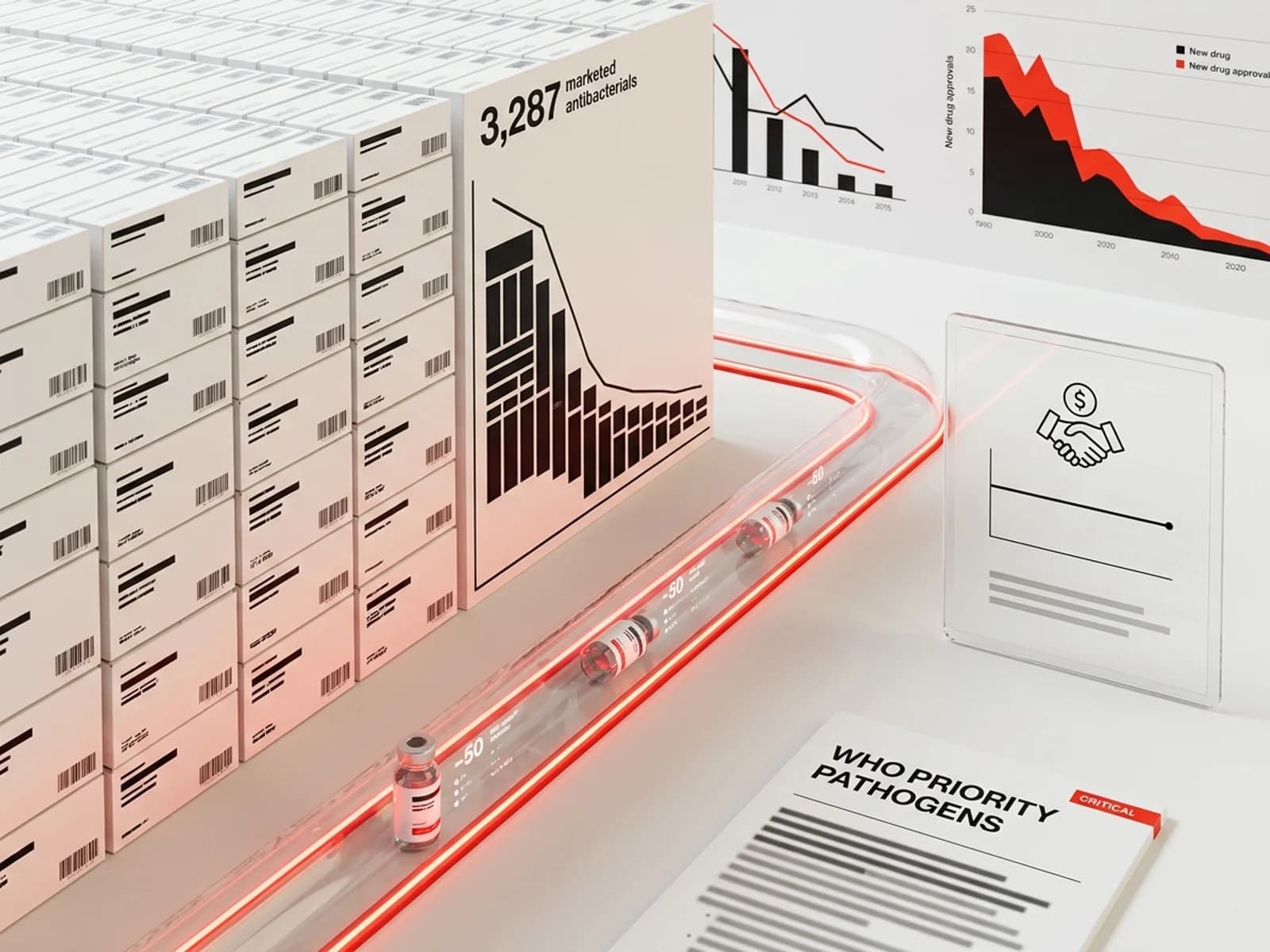
How many antimicrobials are FDA-marketed? The U.S. NDC Directory lists 3,287 marketed antibacterial product records spanning 289 distinct generic-name moieties (representing an upper bound that includes topical combinations, chemical salts, and specific dosing formats; representing 249 distinct base active moieties). Additionally, the directory lists 1,211 antifungal product records spanning 126 distinct ingredients.
How do marketed antibacterials break down by route of administration? Marketed antibacterials are dominated by Oral (1,558 records) and Intravenous (883 records) routes, followed by Topical (595 records), Intramuscular (332 records), and Ophthalmic (184 records) formulations.
How large is the late-stage AMR clinical pipeline? The ClinicalTrials.gov late-stage pipeline targeting specific resistant infections is thin. The registry contains an upper bound of 51 Phase 3/4 complicated UTI (cUTI) trials, 52 hospital-acquired/ventilator-associated bacterial pneumonia (HABP/VABP) trials, 31 gonorrhea trials, 29 invasive candidemia trials, and 19 Clostridioides difficile (C. diff) trials.
Which sponsors lead the active clinical trials? R&D is concentrated among a few commercial sponsors: Pfizer leads with 63 target-matching trials, followed by GlaxoSmithKline (GSK) with 26 trials, Merck Sharp & Dohme with 25 trials, and Anhui Zhifei Longcom with 18 trials.
What does the WHO 2024 Bacterial Priority Pathogens List (BPPL) show? The BPPL identifies 24 priority pathogens across 15 families categorized into critical, high, and medium priority. Carbapenem-resistant Klebsiella pneumoniae ranks as the highest critical threat (84% score). Since the first list in 2017, at least 13 new antibiotics targeting these pathogens have been FDA-approved.
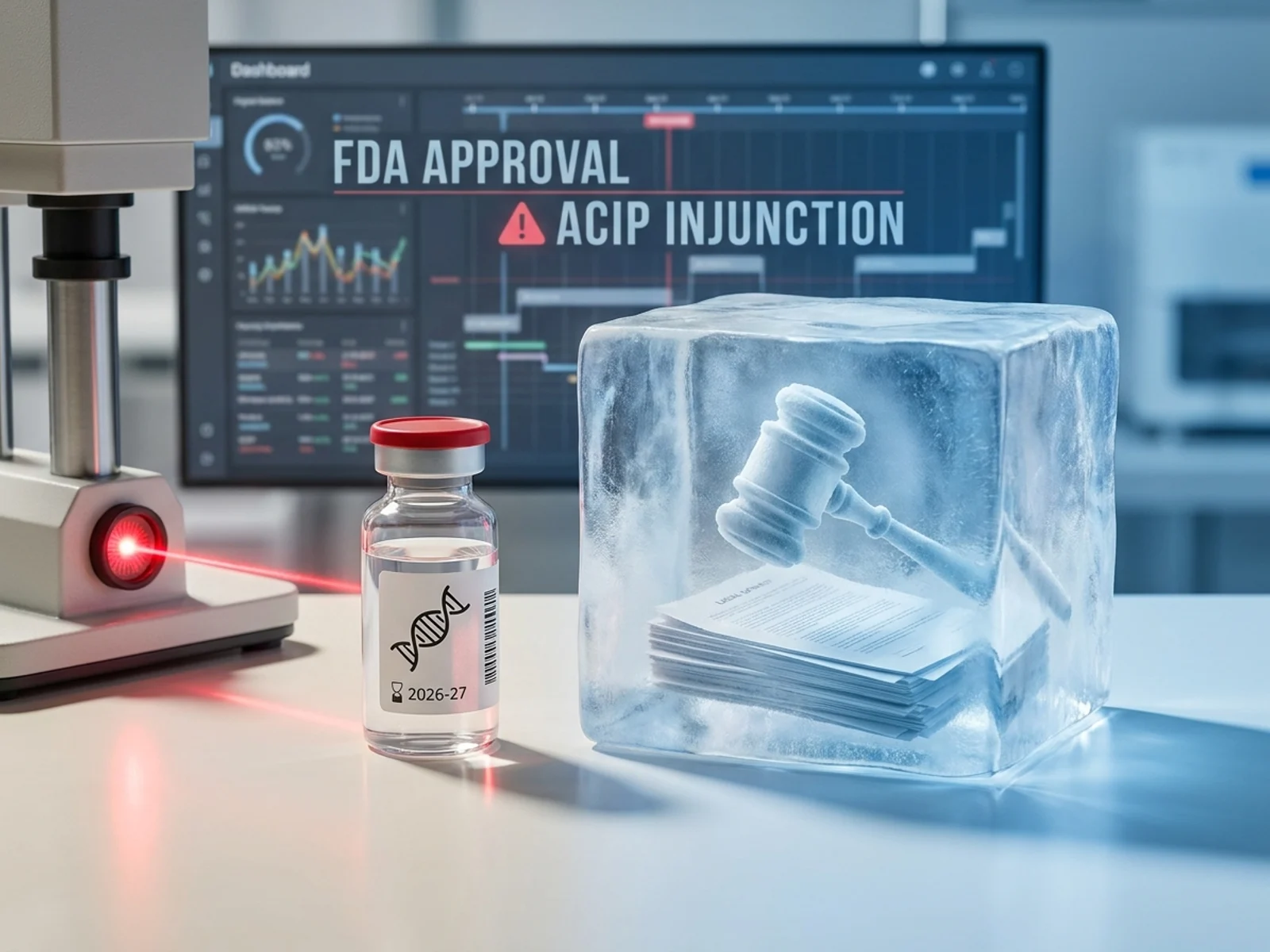
What is the status of the PASTEUR Act of 2026? Reintroduced in the 119th Congress—House H.R.7352 on February 4, 2026 (led by Rep. Carter) and Senate S.4875 on June 23, 2026 (led by Sen. Bennet)—the bill proposes a value-based subscription model. It would pay qualified antimicrobial developers flat annual contracts of $75 million to $300 million per year, decoupling revenue from drug volume to encourage stewardship.
How many antibacterial and antifungal ingredients are FDA-marketed in the US?
To establish a baseline of the antimicrobial armamentarium, we analyzed the U.S. National Drug Code (NDC) Directory. The NDC directory tracks all commercial drug products marketed in the United States.
Our systematic filter isolated products the FDA classifies as antibacterial or antifungal agents (using the NDC directory's established pharmacologic class designations). The table below breaks down the marketed antibacterial products by their primary route of administration:
| Route of Administration | Product Record Count | Share of Antibacterials (%) | Primary Clinical Use Cases |
|---|---|---|---|
| Oral | 1,558 | 47.4% | Outpatient therapy, step-down therapy for community-acquired infections. |
| Intravenous (IV) | 883 | 26.9% | Inpatient therapy, severe systemic infections, sepsis, and nosocomial pneumonia. |
| Topical | 595 | 18.1% | Localized skin and soft tissue infections, wound care, and burns. |
| Intramuscular (IM) | 332 | 10.1% | Inpatient acute dosing, outpatient syphilis treatment, and long-acting depot dosing. |
| Ophthalmic | 184 | 5.6% | Localized ocular infections, conjunctivitis, and post-surgical prophylaxis. |
| Auricular (Otic) | 44 | 1.3% | Otitis externa (swimmer's ear) and middle ear infections. |
| Respiratory (Inhalation) | 22 | 0.7% | Inhaled therapies for cystic fibrosis (tobramycin) and chronic bronchiectasis. |
| Parenteral (Other) | 16 | 0.5% | Specialty surgical irrigants and diagnostic administration. |
| Total Product Records | 3,287 | 100.0% | Comprehensive marketed antibacterial product footprint. |
Note: Percentages sum to >100% because several product records support multiple routes of administration (e.g., combined IV/IM vials).
Moieties vs. Product Records
While 3,287 product records are listed in the database, this count significantly overstates the chemical diversity of U.S. antibiotics. These records span 289 distinct generic-name moieties, which further consolidate into 249 distinct base active chemical moieties when accounting for different salt forms (e.g., tetracycline hydrochloride vs. tetracycline base) and multi-drug combinations (e.g., amoxicillin and clavulanate potassium).
For example, generic amoxicillin alone accounts for hundreds of NDC records representing different package sizes (e.g., 100-count bottle vs. unit-dose blister pack), different strengths (e.g., 250 mg, 500 mg, 875 mg), and different manufacturers. The actual number of chemical classes available to treat resistant infections is small, with many classes (such as penicillins, cephalosporins, and fluoroquinolones) having been in use for over 50 years; we have separately profiled the fluoroquinolone antibiotic adverse-event landscape by the numbers.
The antifungal armamentarium is even more limited. The NDC directory contains 1,211 antifungal product records representing just 126 distinct active ingredients. The clinical management of systemic fungal infections relies almost entirely on three drug classes — azoles, echinocandins, and polyenes (amphotericin B); we have separately quantified the azole antifungal adverse-event profile by the numbers.
How thin is the late-stage pipeline against WHO priority pathogens?
To evaluate the active clinical development pipeline targeting antimicrobial resistance, we analyzed the ClinicalTrials.gov database. Our query isolated interventional clinical trials matching target-infection keywords in the primary conditions field. This registry cut represents a keyword upper bound, as broad terms like "sepsis" and "tuberculosis" can capture non-antibiotic trials evaluating supportive care or diagnostics.
The table below breaks down the late-stage (Phase 3 and Phase 4) pipeline by primary target infection:
| Target Infection Category | Total Trials (All Phases) | Phase 3/4 Trials | Share of Late-Stage (%) | Primary Clinical Scope |
|---|---|---|---|---|
| Sepsis / Bloodstream Infections | 2,512 | 396 | 15.8% | Systemic bacteremia, septic shock; high inclusion of diagnostic/care trials. |
| Tuberculosis / NTM | 1,634 | 287 | 17.6% | Mycobacterium tuberculosis and non-tuberculous mycobacteria. |
| Invasive Aspergillosis / Mold | 244 | 57 | 23.4% | Systemic opportunistic mold infections in immunocompromised patients. |
| HABP/VABP (Pneumonia) | 223 | 52 | 23.3% | Hospital-acquired and ventilator-associated bacterial pneumonia. |
| Complicated UTI (cUTI/AP) | 363 | 51 | 14.0% | Complicated urinary tract infections and acute pyelonephritis. |
| ABSSSI (Skin/Soft Tissue) | 103 | 33 | 32.0% | Acute bacterial skin and skin structure infections (e.g., MRSA cellulitis). |
| Gonorrhea | 141 | 31 | 22.0% | Neisseria gonorrhoeae infections; crucial given rising cephalosporin resistance. |
| Candidemia / Invasive Candidiasis | 79 | 29 | 36.7% | Systemic yeast infections; highly concentrated around Candida auris. |
| C. difficile / CDI | 87 | 19 | 21.8% | Clostridioides difficile-associated diarrhea; focused on recurrence prevention. |
| cIAI (Intra-abdominal) | 37 | 18 | 48.6% | Complicated intra-abdominal infections requiring surgical drainage and IV coverage. |
The late-stage pipeline is thin. Excluding tuberculosis and general sepsis, the entire registrational pipeline for acute bacterial infections consists of only 52 HABP/VABP trials, 51 complicated UTI trials, and 31 gonorrhea trials globally.
This narrow pipeline has major clinical implications. Developing a drug from Phase 3 to FDA approval takes an average of three to five years, and the historical failure rate for anti-infectives in Phase 3 is approximately 30%. With only 51 Phase 3 complicated UTI trials running worldwide, the industry can expect only a handful of new antibacterial approvals over the next five years.
Which companies are still developing antibiotics?
The commercial landscape of anti-infective R&D has undergone a dramatic exodus. Over the past 20 years, most major pharmaceutical companies—including Novartis, AstraZeneca, Sanofi, and Bristol-Myers Squibb—have completely shut down their antibacterial discovery programs. The primary driver of this exit is the "antibiotic paradox": new antibiotics must be used sparingly to prevent the development of resistance, which limits sales volumes and prevents manufacturers from recovering development costs under traditional volume-based payment models. Compounding the pipeline risk, much of the world's active-pharmaceutical-ingredient supply for older antibiotics is concentrated in a few overseas facilities — a structural exposure we examine in our Biosecure Act and API supply-chain strategy.
Our analysis of active target-infection trials in ClinicalTrials.gov shows that commercial R&D is concentrated among a few remaining large pharma players and small biotechnology firms:
Pfizer: 63 active trials. Pfizer has maintained a significant anti-infective footprint, reinforced by its acquisition of AstraZeneca’s small-molecule antibiotic portfolio in 2016. Its portfolio includes Zavicefta (ceftazidime-avibactam) and the novel metallo-beta-lactamase inhibitor combination, Emblaveo (aztreonam-avibactam).
GlaxoSmithKline (GSK): 26 active trials. GSK has committed to infectious disease R&D, led by gepotidacin (a novel first-in-class triazaacenaphthylene bacterial topoisomerase inhibitor) and zoliflodacin (in partnership with GARDP for multi-drug resistant gonorrhea).
Merck Sharp & Dohme LLC: 25 active trials. Merck’s portfolio includes Recarbrio (imipenem-cilastatin-relebactam) and Zerbaxa (ceftolozane-tazobactam).
Anhui Zhifei Longcom: 18 active trials. A major Chinese biopharmaceutical developer focusing primarily on tuberculosis vaccines and therapies.
Eli Lilly and Company: 12 active trials. Focuses primarily on licensing partnerships and legacy anti-infective support.
F2G Ltd: 12 active trials. A specialized UK-based biotech developing olorofim (a novel orotomide antifungal targeting dihydroorotate dehydrogenase) for invasive mold infections.
Astellas Pharma Inc: 11 active trials. Active in antifungal R&D (cresemba/isavuconazole).
Cubist Pharmaceuticals: 11 active trials. (Registered under "Cubist", a subsidiary of Merck since 2015, bringing Merck’s total active footprint to 36 trials).
This concentration of R&D highlights the vulnerability of the antibiotic pipeline. If even one of the remaining large sponsors (Pfizer, GSK, or Merck) decides to exit the anti-infective sector, the global pipeline of novel antibiotics would shrink by nearly a third.
What does the WHO 2024 Bacterial Priority Pathogens List say?
The World Health Organization (WHO) published its updated Bacterial Priority Pathogens List (BPPL) on May 17, 2024, revising the landmark 2017 list to guide global antibiotic research and development. The BPPL categorizes 24 priority pathogens across 15 families into critical, high, and medium priority tiers based on public health burden, resistance rates, and pipeline health.
The table below details the leading priority pathogens and the regulatory approval status of antibiotics targeting them:
| WHO Priority Tier | Pathogen Species / Family | Key Resistance Profile | Clinical Urgency Score | FDA Approvals Since 2017 & Pipeline Status |
|---|---|---|---|---|
| Critical | Klebsiella pneumoniae (Enterobacterales) | Carbapenem-resistant (CRKP), 3GC-resistant | 84% (ranked #1) | Vabomere (meropenem-vaborbactam, 2017), Fetroja (cefiderocol, 2019), Zaynich (cefepime-zidebactam, approved May 2026 for cUTI). |
| Critical | Acinetobacter baumannii | Carbapenem-resistant (CRAB) | Critical-tier (top quartile) | Xacduro (sulbactam-durlobactam, approved May 23, 2023), Fetroja (2019). |
| Critical | Mycobacterium tuberculosis | Rifampicin-resistant (RR-TB), multi-drug resistant (MDR-TB) | Critical-tier (top quartile) | Pretomanid (2019) as part of the BPaL regimen. |
| High | Salmonella Typhi | Fluoroquinolone-resistant | ~71% | Pipeline remains thin. |
| High | Shigella spp. | Fluoroquinolone-/azithromycin-resistant | ~70% | Pipeline remains thin. |
| High | Enterococcus faecium | Vancomycin-resistant (VRE) | ~69% | Oritavancin-class agents; novel pipeline remains thin. |
| High | Pseudomonas aeruginosa | Carbapenem-resistant (CRPA) | High tier (demoted from Critical in 2024) | Recarbrio (2019), Zerbaxa (ceftolozane-tazobactam, 2014), Fetroja (2019). |
| High | Neisseria gonorrhoeae | 3GC/fluoroquinolone-resistant | ~64% | Gepotidacin, Zoliflodacin (Phase 3). |
| High | Methicillin-resistant S. aureus (MRSA) | Methicillin-resistant | ~59% | Established treatment pipeline. |
Pathogen Prioritization Methodology
The WHO prioritization study (published in The Lancet Infectious Diseases) evaluated pathogens using a multi-criteria decision analysis (MCDA). Pathogens were scored based on eight criteria: mortality, non-fatal burden, incidence, 10-year resistance trends, preventability, transmissibility, treatability, and the status of the antibacterial pipeline.
The critical tier is dominated by Gram-negative pathogens (K. pneumoniae, A. baumannii, and P. aeruginosa). These bacteria possess double-layered cell membranes that make them highly resistant to antibiotic penetration, and they frequently carry mobile genetic elements that allow them to transfer resistance genes between species.
Since 2017, the FDA has approved at least 13 new antibiotics targeting BPPL pathogens. While this represents regulatory progress, many of these approvals are variations of existing chemical classes (such as beta-lactamase inhibitor combinations) rather than novel drug classes. The clinical pipeline remains deficient in agents with novel mechanisms of action that can bypass existing resistance pathways.
What would the PASTEUR Act of 2026 change, and what is its status?
To address the economic market failure of antibiotic development, lawmakers reintroduced the Pioneering Antimicrobial Subscriptions to End Upsurging Resistance (PASTEUR) Act in the 119th Congress.
House Bill: H.R.7352, reintroduced on February 4, 2026, by Representative Buddy Carter (R-GA) and colleagues.
Senate Bill: S.4875, reintroduced on June 23, 2026, by Senator Michael Bennet (D-CO) and colleagues.
The "Netflix Model" of Drug Purchasing
The PASTEUR Act proposes to replace the traditional volume-based fee-for-service drug payment model with a value-based subscription model (often called the "Netflix model"). The key provisions of the bill include:
+-----------------------------------------------------------------------------+
|                            Traditional Model                                |
|  Revenue = Price x Volume Sold                                              |
|  (Incentivizes manufacturers to maximize sales, driving resistance)          |
+-----------------------------------------------------------------------------+
                                     vs.
+-----------------------------------------------------------------------------+
|                            PASTEUR Subscription                             |
|  Flat Annual Fee ($75M - $300M/year)                                        |
|  (Decoupled from volume; hospitals access drug as needed via subscription)  |
+-----------------------------------------------------------------------------+
Flat-Fee Subscription Contracts: The federal government would enter into contracts with developers of qualified, critical-priority antimicrobials. The government would pay a flat annual fee of $75 million to $300 million per year (up to $3 billion over 10 years) for access to the drug.
Decoupling Revenue from Volume: In exchange for the flat annual fee, the manufacturer must provide the drug to federal health programs (Medicare, Medicaid, VA) at no additional cost. This setup decouples the developer’s revenue from the volume of drug sold. The developer receives a predictable return on investment, while hospital clinicians are incentivized to hold the drug in reserve and use it only when older antibiotics fail.
Stewardship Requirements: Participating manufacturers must support national antibiotic stewardship efforts, including tracking resistance patterns, monitoring drug use, and guaranteeing a stable drug supply chain.
Legislative Status in 2026
While the PASTEUR Act has broad, bipartisan support and endorsements from organizations like the Infectious Diseases Society of America (IDSA) and the American Society for Microbiology (ASM), it has never received a floor vote across multiple Congresses due to concerns about the overall cost of the subscription program.
In late 2026, the bill remains in committee (the House bill was referred to the Committee on Energy and Commerce and the Committee on the Budget). Proponents argue that the cost of the subscription program is minimal compared to the public health and economic burden of uncontrolled drug-resistant infections, which cost the US tens of billions of dollars annually.
How do recent FDA approvals (Xacduro, Zaynich) fit the AMR need?
The clinical translation of novel AMR compounds is illustrated by two key recent drug approvals and pipeline candidates:
1. Xacduro (Sulbactam and Durlobactam)
Approved by the FDA on May 23, 2023, Xacduro (developed by Entasis/Innoviva) represents a major advance against carbapenem-resistant Acinetobacter baumannii (CRAB)—a WHO critical-priority pathogen.
Clinical Trial Evidence: The approval was supported by the Phase 3 ATTACK trial, which compared Xacduro to colistin (a legacy, highly toxic antibiotic). Xacduro demonstrated non-inferiority in 28-day all-cause mortality (19% in the Xacduro group vs. 32% in the colistin group) and a significant reduction in nephrotoxicity (kidney damage).
Indication Scope: Approved specifically for hospital-acquired bacterial pneumonia (HABP) and ventilator-associated bacterial pneumonia (VABP) caused by susceptible isolates of Acinetobacter baumannii-calcoaceticus complex.
2. Zaynich (Cefepime and Zidebactam)
On May 29, 2026, the FDA approved Zaynich (developed by Wockhardt) for complicated urinary tract infections (cUTI), including pyelonephritis, caused by susceptible Gram-negative pathogens — making it the first approved drug to use a β-lactam enhancer mechanism and the first novel chemical entity from an Indian company to win FDA approval.
Mechanism of Action: Zidebactam is a β-lactam enhancer that binds penicillin-binding protein 2 (PBP2) while protecting cefepime from certain serine-β-lactamases. The dual-PBP synergy kills Gram-negative pathogens even in the presence of metallo-β-lactamases (MBLs) and non-enzymatic resistance such as efflux upregulation and porin loss.
Clinical Evidence: Approval was based on the Phase 3 ENHANCE-1 trial (NCT04979806), in which Zaynich achieved a higher composite clinical cure and microbiologic response rate than meropenem at the test-of-cure visit (89.0% vs 68.4%) in hospitalized adults with cUTI or acute pyelonephritis.
Indication Scope: The FDA-approved indication is cUTI/pyelonephritis; broader indications (bloodstream infections, HABP/VABP) remain under development. Wockhardt also received DCGI approval in India (May 27, 2026) and has filed with the European Medicines Agency.
3. Additional Next-Wave Pipelines and Regulatory Challenges
Beyond single-agent approvals, the industry is closely monitoring candidates like cefepime-taniborbactam (Venatorx) and sulbactam-durlobactam combinations. However, these late-stage assets continue to face extreme commercial risks post-launch. For example, the bankruptcy of Achaogen shortly after the FDA approval of Zemdri (plazomicin) in 2018 served as a major warning to R&D investors, illustrating that even highly effective novel drugs can fail under the volume-driven hospital reimbursement system. This commercial reality highlights why push incentives (grants) must be paired with structural pull incentives like the subscription model proposed in the PASTEUR Act to sustain a viable commercial market for antimicrobials.
To explore the clinical evidence, formulary review criteria, and prior authorization workflows established for these new Gram-negative agents, see our detailed Zaynich (cefepime/zidebactam) antibiotic access.
FAQs
Why is the antibiotic pipeline so thin if AMR is a top global threat?
Developing new antibiotics is chemically challenging, and the commercial market is broken. Because new antibiotics must be used sparingly to prevent resistance, sales volumes are low. Under traditional volume-based payment models, developers cannot recover their R&D costs, leading most major pharmaceutical companies to exit the anti-infective sector.
What is the difference between QIDP exclusivity and the proposed PASTEUR subscription?
The Qualified Infectious Disease Product (QIDP) designation provides developers with five years of additional marketing exclusivity and priority FDA review. While QIDP extends the patent life, it does not guarantee revenue. The proposed PASTEUR subscription provides guaranteed annual flat-fee contracts of $75 million to $300 million, regardless of the volume of drug used, directly addressing the commercial market failure.
Which WHO critical-priority pathogens have the fewest new drugs in development?
Carbapenem-resistant Acinetobacter baumannii (CRAB) and Pseudomonas aeruginosa (CRPA) have the thinnest pipelines. While the approval of Xacduro improved options for Acinetobacter, the pipeline of novel chemical classes targeting resistant Pseudomonas remains deficient.
How does the US AMR response compare with the EU's?
The European Union has proposed similar subscription-style pull incentives and is exploring "transferable exclusivity vouchers" (TEVs), which would allow antibiotic developers to extend the patent life of another, highly profitable drug in their portfolio. The US response has focused primarily on push incentives (such as NIH and BARDA grants) and the pending legislative pull incentives of the PASTEUR Act.
Sources
U.S. National Library of Medicine. "ClinicalTrials.gov Registry Database." Full pipeline extract (conditions matching target-infection keywords). Available at: ClinicalTrials.gov
U.S. Food and Drug Administration. "National Drug Code Directory." Marketed antibacterial and antifungal product records. Available at: FDA NDC Directory
World Health Organization. "WHO Bacterial Priority Pathogens List 2024." Published May 17, 2024. Available at: WHO Publications
U.S. Congress (congress.gov). "H.R.7352 - PASTEUR Act of 2026." Introduced February 4, 2026. Available at: Congress H.R.7352
U.S. Congress (congress.gov). "S.4875 - PASTEUR Act of 2026." Introduced June 23, 2026. Available at: Congress S.4875
U.S. Food and Drug Administration. "FDA Approves New Treatment for Pneumonia Caused by Acinetobacter baumannii (Xacduro)." May 23, 2023. Available at: FDA Press Announcements
World Health Organization BPPL 2024 Study Group. "WHO Bacterial Priority Pathogens List 2024: A Prioritisation Study." The Lancet Infectious Diseases. Published July 2024. Available at: PMC Central
Infectious Diseases Society of America (IDSA). "Newly Introduced Legislation Would Revitalize Antimicrobial Development, Support Stewardship." Published February 2026. Available at: IDSA Policy Press